
🔍 Read the full analysis: Learning To Code With AI: 12 Assistants For 2027 on ThorstenMeyerAI.com

Get the latest gadgets delivered free with Prime
- Fast, free delivery on millions of items
- Prime Video, Amazon Music and more included
- Member-only deals all year
TL;DR
ThorstenMeyerAI.com presents 12 books for learning to work with AI coding assistants, ranging from broad software-development guides to focused titles on Claude Code, prototyping, games and code review. Its top-ranked pick covers planning through deployment, but the list ranks books by stated scope and reader fit—not by tested outcomes or assistant performance.
The guide describes the books as learning resources, not software products or interchangeable subscriptions, a distinction that matters as AI coding agents continue to emerge. Its ranking favors range across common development work, including planning, implementation, testing, review and deployment. The source says it did not establish edition details, hands-on outcomes or comparative performance of the tools discussed.
For newcomers, it recommends AI Coding Assistants: A Beginner’s Guide to Codex, Claude Code, Copilot, and Cursor as a direct introduction to comparing named assistants, including Claude Code. For readers concerned with long-term software quality, it highlights AI Coding Without Regrets for its focus on governance and maintainability. These are recommendations based on the guide’s description of each title, not reported results from testing the books.
The remaining picks address more specific interests. The list distinguishes Build with Claude Code, described as focused on moving from an initial idea to deployed apps, from The Claude Code Operating Model, described as addressing scalable systems. Other selections cover game programming, solo code review and “vibe coding” for prototyping. The source material does not supply the names of all 12 titles, so those titles cannot be listed here without adding unsupported information.
The 12 picks
- 1
 AI-Assisted Programming: Better Planning, Coding, Testing, and DeploymentView on Amazon →
- 2
 Build with Claude Code: From Zero to Deployed Apps with AI-Assisted DevelopmentView on Amazon →
- 3
 The Claude Code Operating Model: Build Scalable AI Coding SystemsView on Amazon →
- 4
 The Solo Developer’s AI Code Review Guide: Catch Bugs, Security Issues, and T…View on Amazon →
- 5
 AI Coding Assistants: A Beginner’s Guide to Codex, Claude Code, Copilot, and…View on Amazon →
- 6
 The Micro-SaaS Builder’s Guide: Bootstrap a Profitable Software Product Using…View on Amazon →
- 7
 AI Coding Without Regrets: A Practical Governance Framework for Shipping Main…View on Amazon →
- 8
 AI-Native Software Development Made EasyView on Amazon →
- 9
 AI-Assisted Game Programming in Practice: A Hands-On Guide to Building Playab…View on Amazon →
- 10
 Vibe Coding: Build Production-Ready Software with AI Pair Programming, Agenti…View on Amazon →
- 11
 AI-Augmented Software Engineering: Coding Assistants, LLM-Driven Code Review,…View on Amazon →
- 12
 Vibe Coding Mastery: A Complete 5-in-1 Guide to AI-Powered Prototyping and Lo…View on Amazon →
Choosing a Guide for Your Coding Goals
The list reflects a practical choice for learners: start with a broad workflow guide or choose material aimed at a particular tool or project. A wide-ranging book may suit readers still exploring how assistants fit into development. A specialized title may be a closer match for someone who already knows they want to build a game, prototype quickly or improve code review.
That distinction matters because AI-assisted programming is not only about producing code. The source emphasizes testing, review and governance as part of the work, especially for shared or long-lived software. Readers should treat assistant-generated code as work that still needs human evaluation; the guide does not claim that any book or tool removes that responsibility.
For buyers, the ranking is best read as a reader-fit guide, not an independent assessment of book quality or a current comparison of AI products. Tool instructions may age as products change, while principles such as reviewing changes and planning tests may remain useful across tools.
Products Worth Considering

Apple Watch SE 3 GPS 40mm Smartwatch
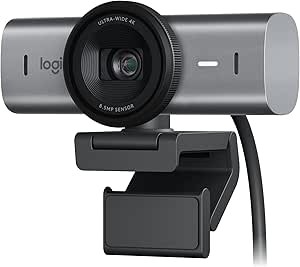
Logitech MX Brio Ultra HD 4K Webcam

Amazon Kindle Scribe (16GB) with Premium Pen, Tungsten
As an affiliate, we earn on qualifying purchases.
How the 12-Book List Was Ranked
ThorstenMeyerAI.com says it compared the books by audience fit, workflow coverage and practical scope. The ranking gives priority to resources covering several stages of development, then recognizes specialized books for serving a distinct purpose. That approach explains why the lifecycle-focused title sits above books centered on one tool or project type.
The guide advises readers to check their experience level and immediate goal before choosing. A beginner may want vocabulary and an overview of tools; a more experienced developer may prefer material on testing, production decisions or review. It also cautions against treating a book about one assistant as a neutral comparison of every available tool.
“The main tradeoff is breadth versus specialization: broad guides support varied projects, while focused books go further on tools, prototyping, games, or code review.”
— ThorstenMeyerAI.com
What the Source Does Not Establish
The supplied material does not give publication dates, editions, prices or full details for all 12 titles. It also does not report reader testing, measured learning outcomes or direct comparisons of the coding assistants. The ranking should not be taken as evidence that the top pick produces better code or faster results.
Because coding tools and interfaces can change, it is also unclear how current any tool-specific instructions remain. The source recommends looking for explanations of underlying practices as well as product-specific steps, but provides no edition-by-edition update history.
Check Editions Before Choosing
Readers can use the list’s categories to identify a suitable starting point, then check the book’s edition, publication date and stated audience before buying. Those details matter most for titles tied to named assistants and workflows that may change.
The source does not announce a follow-up test, revised ranking or publication schedule. Until fuller bibliographic details or independent evaluations are available, the recommendations remain a guide to scope and likely reader fit, rather than verified performance claims.
Key Questions
Which book does the guide rank first?
It ranks AI-Assisted Programming: Better Planning, Coding, Testing, and Deployment first because its stated scope spans several stages of software development.
Which title is aimed at beginners?
The guide recommends AI Coding Assistants: A Beginner’s Guide to Codex, Claude Code, Copilot, and Cursor as an entry point for comparing those assistants.
What is the difference between the two Claude Code books?
The source describes Build with Claude Code as focused on progressing from zero to deployed apps, and The Claude Code Operating Model as focused on scalable systems.
Does the ranking show which AI coding assistant performs best?
No. The list evaluates books as learning resources by scope and reader fit. It does not provide comparative tool benchmarks or establish that one assistant performs better than another.
What should readers check before buying a tool-specific guide?
Check the book’s publication date, edition, intended audience and tool coverage. The source notes that assistant capabilities and interfaces can change, and the supplied material does not establish edition details.
Source: ThorstenMeyerAI.com