

🔍 Read the full analysis: How AI-Driven Windows Malware Uses Claude To Rank Stolen Data on ThorstenMeyerAI.com

Get the latest gadgets delivered free with Prime
- Fast, free delivery on millions of items
- Prime Video, Amazon Music and more included
- Member-only deals all year
TL;DR
A headline reported by Tom’s Hardware says a Windows malware payload can send stolen data to Anthropic’s Claude to assess and rank a victim’s assets. The available account does not include the underlying technical analysis, confirm real-world infections or establish how widely the capability has been used.
A Tom’s Hardware headline, as detailed in the original analysis, describes Windows malware that can send stolen data to Anthropic’s Claude to rank a victim’s assets by perceived value, potentially helping attackers decide where to focus follow-up efforts. The account also says the payload can switch models if one refuses or skip the AI step, but the material available here does not establish confirmed infections, the operation’s scale or independent technical evidence for the behavior.
According to the headline, the malware provides stolen information to Claude and uses the model’s response to create a custom assessment of a victim’s assets. That description suggests AI is being used for post-theft triage: sorting information about a victim, rather than treating every compromised system as equally valuable. The available account does not specify what information is sent, what criteria Claude applies or how attackers use the resulting assessment.
The same headline says the payload can switch models if one refuses and can skip the AI step entirely. It also describes the payload as deleting itself. The supplied material does not explain how a refusal is detected, identify alternative models or clarify what files or components are deleted. Nor does it establish whether any of these behaviors were observed during an actual infection or only identified in analysis.
The source material is limited to the headline and a summary that says the article body was unavailable. It names no victims, incident counts, discovery date or evidence that data taken from real systems was sent to Claude. There is also no direct statement from Anthropic included here. These gaps mean the reported capability should not be read as confirmation of a widespread campaign or of the model’s role in a particular breach.
AI Could Influence Attacker Priorities
If the reported behavior is accurate, it points to a possible use of generative AI after data theft: helping an attacker judge which accounts, systems or business assets may be most valuable. That could make later activity more selective, but the headline alone does not show that the rankings are accurate, that they improve an operation or that attackers act on the model’s output without review.
The reported ability to change models or bypass AI suggests the described process may not depend on a single model response. Still, model use does not establish autonomous action or prove that the malware is more effective than conventional tools. The practical consequences would depend on what information was stolen, how the model was prompted and what decisions attackers made afterward.
For organizations, the immediate security concern remains unauthorized access, collection and transfer of sensitive data. The report provides no evidence that AI replaces familiar intrusion methods. It does raise a question for incident responders: whether stolen information leaving an organization could be sent to an external AI service for assessment. Establishing that would require technical evidence of the data flow and its use.
Products Worth Considering

Apple MacBook Air 15-inch Laptop with M5 Chip, 24GB Memory, 1TB SSD, Midnight
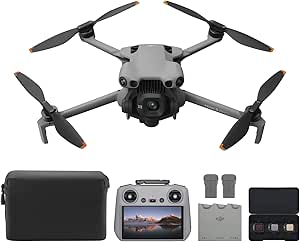
DJI Mini 5 Pro Fly More Combo with DJI RC 2, 1-Inch CMOS

LG UltraGear 27-inch QHD OLED Gaming Monitor, 240Hz, 0.03ms, G-SYNC Compatible, FreeSync Premium Pro, HDR True Black 400
As an affiliate, we earn on qualifying purchases.
What the Headline Leaves Out
The supplied account attributes the description to a Tom’s Hardware headline referring to Anthropic, the company behind Claude. It does not provide the article’s technical detail, the researchers involved, a sample analysis or Anthropic’s full response. A headline can summarize a capability but cannot, on its own, show whether it was found in malware code, tested in a controlled setting or observed during a victim incident.
Key details are absent: the malware’s distribution method, affected industries and regions, and whether the interaction with Claude was direct or routed through another service. The account also does not describe what data was submitted, what Claude returned or whether the model’s output was reviewed by a person. Without those details, the scale and operational meaning of the claim cannot be assessed.
The reported self-deletion feature is similarly underspecified. The available material does not say whether the payload removes itself after execution, deletes evidence of a particular step or leaves other components behind. Those distinctions matter to investigators trying to recover samples and determine what occurred on a compromised system.
Evidence and Scope Remain Unknown
The available information does not identify a malware sample, confirmed victim or incident count. It gives no timeline for the malware’s development, discovery or deployment, and does not establish whether the behavior has been seen outside testing or technical analysis. The headline’s description therefore cannot establish prevalence or the number of systems affected.
It is also unclear what Claude received and how its response was used. The supplied account offers no data fields, prompt, model output or evidence of a confirmed transfer from a victim environment. The model-switching claim lacks details about which alternatives are available or what triggers a switch. The meaning and reliability of the self-deletion claim are also not explained.
No direct quote or detailed statement from Anthropic appears in the provided material. Until the underlying reporting or technical analysis is available, claims about deployment, model interaction and operational impact remain limited to the description in the headline.
Technical Analysis Could Confirm Use
The next useful evidence would be publication of the technical analysis behind the report, including sample details, observed network behavior and an explanation of how researchers distinguished an implemented feature from activity confirmed in victim environments. Evidence showing whether data was actually sent to Claude, and what happened to the model’s response, would clarify the core claim.
Further reporting or statements from Anthropic, affected organizations or incident responders could also establish a timeline, scope and response. Until those details emerge, readers should treat the account as a reported malware capability, not proof of a confirmed campaign or widespread use.
Key Questions
What does the reported malware do with Claude?
According to the Tom’s Hardware headline, the Windows payload can send stolen data to Claude to assess and rank a victim’s assets. The supplied material does not show the data submitted or Claude’s output.
Are confirmed infections or victims identified?
No. The available account names no victims, incident count or affected organization, and does not establish that the behavior was observed during a real-world infection.
Can the malware operate without Claude?
The headline says the payload can switch models if one refuses or skip the AI step. The account does not identify other models or explain how either fallback works.
What remains unknown about the report?
The source material does not include a sample analysis, timeline, evidence of data transfers or details about the payload’s distribution, reach and self-deletion behavior. Those gaps limit conclusions about the capability’s use and impact.
Primary source: Anthropic · via ThorstenMeyerAI.com