
Micro Four Thirds cameras remain relevant because advances in sensor technology keep improving image quality, even with a smaller sensor. Their compact, lightweight design makes them ideal for travel and everyday use, while affordable prices and an extensive lens ecosystem offer great versatility. They perform well in challenging conditions, delivering sharp images and good dynamic range. If you explore further, you’ll discover how ongoing innovations keep Micro Four Thirds competitive in today’s photography world.

Get the latest gadgets delivered free with Prime
- Fast, free delivery on millions of items
- Prime Video, Amazon Music and more included
- Member-only deals all year
Key Takeaways
- Micro Four Thirds offers a compact, lightweight design ideal for travel and everyday photography.
- Its affordable system provides excellent image quality with a wide selection of compatible lenses and accessories.
- Advances in sensor and lens technology continuously improve low-light performance and creative flexibility.
- MFT sensors excel in dynamic range and noise reduction, ensuring high-quality images in challenging conditions.
- Growing innovation and market support demonstrate that Micro Four Thirds remains a versatile, relevant choice for photographers.
The Compact Design and Portability of MFT Cameras
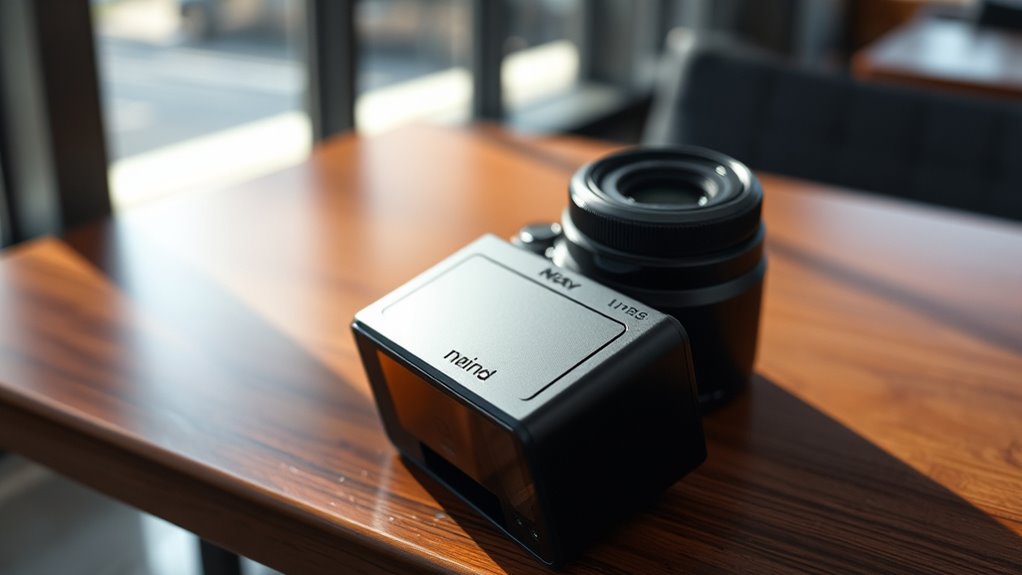
Micro Four Thirds (MFT) cameras stand out for their compact design, making them highly portable and easy to carry around. Their smaller sensor size introduces some limitations, especially in low-light conditions, where sensor size impacts image quality. You’ll notice that the sensor size also influences aperture constraints; smaller sensors often require lens apertures to be wider to achieve similar depth of field and light intake as larger sensors. This can restrict your creative control in certain situations. Despite these sensor size limitations, MFT cameras excel in portability, making them ideal for travel and everyday photography. Their lightweight design allows you to shoot comfortably without sacrificing too much image quality, thanks to advancements in lens technology and image processing. Additionally, understanding sensor size advantages can help you better leverage the strengths of MFT cameras in various shooting scenarios. Recognizing the impact of sensor size on image quality can guide you in selecting the right camera system for your needs. For example, familiarity with lens compatibility is essential to maximize the potential of your MFT system. Moreover, ongoing innovations in sensor design continue to improve low-light performance, further expanding the usability of MFT cameras in diverse conditions. As technology advances, sensor size benefits are increasingly being harnessed to enhance overall camera performance and versatility.
Cost Efficiency and Accessibility for Enthusiasts

Are you looking for a camera system that offers great image quality without breaking the bank? Micro Four Thirds cameras excel in cost efficiency and accessibility, making them popular among enthusiasts. The market perception often views MFT as a budget-friendly option with strong performance, challenging larger sensor systems. Brand competition drives prices down, giving you more affordable choices without sacrificing quality. Plus, the smaller, lighter design reduces overall costs, from accessories to storage. Additionally, the availability of modern flushing mechanisms in the industry reflects ongoing innovations that support efficiency and affordability. These advancements also contribute to sensor technology improvements, ensuring better image quality over time. The smaller sensor size also allows for compact camera designs, making devices easier to handle and carry. Moreover, the widespread adoption of standardized mounts enhances lens compatibility and expands creative options. Here are some benefits you’ll enjoy:
Micro Four Thirds cameras offer affordable, lightweight options with great image quality and excellent upgrade potential.
- Lower initial investment
- Wide range of budget-friendly options
- Compatible with affordable lenses and accessories
- Easier to carry and travel with
- Faster upgrade paths compared to larger systems
This combination makes Micro Four Thirds an attractive entry point for passionate photographers seeking value and ease of access.
Superior Lens Selection and Compatibility
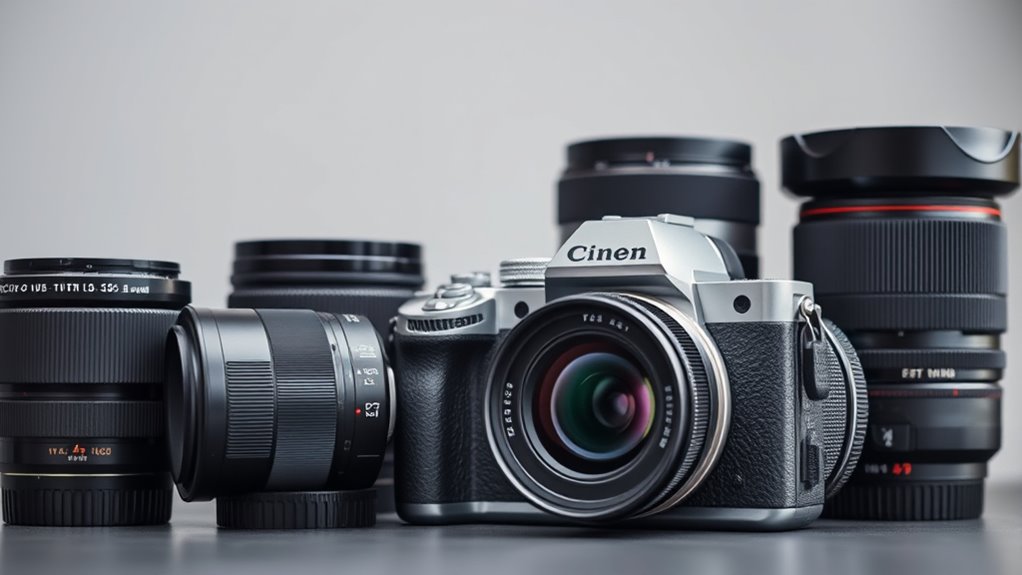
Thanks to their popularity and affordability, Micro Four Thirds systems boast a wide selection of lenses and accessories designed to meet diverse shooting needs. This extensive lens compatibility lets you choose from a variety of options, from wide-angle to telephoto, ensuring you can capture any scene. Plus, the accessory ecosystem is robust, offering filters, flashes, and stabilizers that seamlessly integrate with your camera. Here’s a quick comparison:
| Lens Type | Compatibility | Common Uses |
|---|---|---|
| Standard | Wide range | Everyday shooting |
| Wide-angle | Compatible with all MFT | Landscapes |
| Telephoto | Compatible with adapters | Sports, wildlife |
| Macro | Designed for MFT | Close-up details |
| Fisheye | Specialized, compatible | Creative shots |
This flexibility makes Micro Four Thirds an adaptable choice for photographers seeking a superior lens selection. Additionally, sensor size influences image quality and depth of field, making it an important factor in choosing your camera system. Smaller sensors like Micro Four Thirds can also be advantageous in achieving greater portability, which appeals to many photographers.
The Dynamic Range and Image Quality Capabilities

Larger sensors offer enhanced light sensitivity, allowing you to capture more detail in low-light conditions. This results in better shadow detail and a wider dynamic range, so your images look more natural and balanced. Understanding these capabilities helps you choose a camera that delivers superior image quality in various shooting scenarios. Additionally, total-cost clarity in equipment decisions ensures you select a system that balances performance and affordability. Recognizing how sensor size impacts overall image quality can guide you toward more informed photography choices. Being aware of passive voice detection techniques can further improve your writing clarity and effectiveness. Moreover, understanding audiovisual regulations can be beneficial when planning to use your camera equipment in different regions.
Enhanced Light Sensitivity
Sensor size plays a crucial role in a camera’s ability to capture high-quality images, especially in challenging lighting conditions. Larger sensors generally offer better light sensitivity, reducing noise and improving overall image clarity in low-light scenarios. With enhanced light sensitivity, your camera can gather more light, resulting in brighter images with richer detail. This is particularly important when shooting indoors or at night. Keep in mind:
- Larger sensors improve noise control in low-light environments
- Better light sensitivity enhances overall image clarity
- Dynamic range benefits from increased sensor size
- Reduced need for high ISO settings
- Improved performance in high-contrast scenes
- Sensor size also influences depth of field, allowing for more creative control over focus and background blur.
Better Shadow Detail
Because of its increased size, a camera’s sensor can capture a wider range of tonal details, especially in shadows. A larger sensor size improves dynamic range, allowing you to retain more detail in both bright highlights and dark shadows. This means your images will have better shadow detail and overall image clarity, even in challenging lighting conditions. With more sensor real estate, your camera can gather more light, reducing the risk of shadow noise and enhancing subtle gradations in dark areas. Additionally, larger sensors often offer superior sensor efficiency, which further enhances low-light performance and reduces noise. This improved dynamic range gives you greater flexibility in post-processing and ensures your images maintain their quality across various lighting scenarios. Understanding sensor size can also help you choose the right gear for different photographic needs, especially when shooting in complex lighting environments. Moreover, larger sensors are often associated with market trends, influencing camera design and performance benchmarks.
Performance in Challenging Lighting Conditions
When shooting in low light or challenging conditions, the size of your camera sensor plays a crucial role in capturing clear, well-exposed images. Larger sensors typically have higher sensor sensitivity, allowing you to use lower ISO settings and reduce noise. This results in cleaner images with less noise, especially in dark areas. Additionally, bigger sensors often excel at noise reduction, maintaining detail and color accuracy in difficult lighting. They also gather more light, improving overall exposure and sharpness. Keep these points in mind: sensor size impacts performance in various shooting environments, especially in low-light scenarios.
Versatility in Creative Shooting Scenarios

A compact, lightweight camera lets you explore a wide range of shooting scenarios without feeling weighed down. Its portability makes it easy to adapt to different conditions, whether you’re capturing street scenes or outdoor adventures. With this versatility, you can get creative in ways larger cameras simply can’t match.
Compact and Lightweight Design
A compact and lightweight camera sensor makes it easy to carry your gear everywhere, opening up more opportunities for spontaneous and creative shots. Thanks to sensor size comparisons, smaller sensors like Micro Four Thirds can pack advanced sensor technology advancements into a portable form. This design allows you to explore diverse shooting environments without lugging heavy equipment. The reduced size doesn’t compromise image quality, especially with modern sensor tech. Plus, lightweight cameras are less tiring during long shoots, encouraging more frequent use. You can enjoy:
- Easier travel and hiking adventures
- Quicker setup times
- Comfort during extended shoots
- Greater flexibility in tight spaces
- Less fatigue on your arms and shoulders
Adaptable for Diverse Conditions
Thanks to their compact design, modern camera sensors excel in adapting to a wide range of shooting conditions. Sensor technology has advanced considerably, allowing cameras to perform well in low light, bright sunlight, or challenging environments. Manufacturing innovations have improved noise reduction, dynamic range, and autofocus speed, making your camera more versatile. Whether you’re capturing fast-moving subjects or subtle textures, these sensors adjust quickly to deliver sharp images. Their adaptability ensures you can shoot landscapes, portraits, or action scenes without switching gear. This flexibility lets you explore creative possibilities in various scenarios, from street photography to astrophotography. With ongoing improvements in sensor technology and manufacturing, your camera becomes a reliable tool for diverse conditions, elevating your photography experience.
The Future of Micro Four Thirds Technology

As camera technology continues to evolve, the future of Micro Four Thirds (MFT) systems looks promising due to their compact design and increasing performance capabilities. Advances in sensor technology, like improved noise reduction and higher resolution, keep MFT competitive. Market competition pushes manufacturers to innovate, resulting in better autofocus, faster readout speeds, and enhanced video features. You can expect more lightweight, affordable cameras that don’t sacrifice image quality. Additionally, integration with mirrorless systems and lens ecosystems guarantees versatility for various shooting styles. The focus on sensor advancements will likely lead to even better low-light performance. Overall, MFT technology is poised to stay relevant, offering a balanced mix of portability and quality that appeals to both enthusiasts and professionals.
Frequently Asked Questions
How Does Micro Four Thirds Compare to Full-Frame Sensors Overall?
Micro Four Thirds sensors are smaller than full-frame sensors, so you’ll notice more sensor noise in low-light conditions and less depth of field control. While full-frame offers better image quality and background blur, Micro Four Thirds cameras are more compact and affordable, making them ideal for travel and casual shooting. You get a good balance between portability and image quality, though with some trade-offs in noise and depth of field.
Are Micro Four Thirds Cameras Suitable for Professional Filmmaking?
Micro Four Thirds cameras can be suitable for professional filmmaking, but they come with their own set of cinematography challenges. You might find it tricky to achieve a shallow depth of field compared to full-frame sensors, which can impact your creative control. However, their compact size and versatile lens options make them a practical choice for run-and-gun shoots. With the right techniques, you can still craft visually stunning films.
Can Micro Four Thirds Systems Be Adapted for Astrophotography?
Yes, you can adapt micro four thirds systems for astrophotography, boosting their potential. With sensor adaptation, you can attach suitable telescopes and filters, making your camera more versatile. While the smaller sensor size may limit some low-light performance, it still offers decent astrophotography potential, especially with good lenses and stabilization. Overall, micro four thirds cameras can be effective tools for capturing stunning night sky images.
What Are the Latest Technological Innovations in Micro Four Thirds Sensors?
Imagine a Micro Four Thirds camera capturing stunning astrophotography with cutting-edge tech. Recent innovations focus on sensor miniaturization, making sensors more efficient without sacrificing quality, and autofocus advancements that help you lock onto distant stars quickly. These improvements mean your gear stays compact yet powerful, giving you better low-light performance and faster focusing—perfect for capturing celestial wonders. You’re empowered to explore new creative horizons with these latest technological strides.
How Does Lens Availability Impact Long-Term Investment in MFT Systems?
Lens availability is vital for your long-term investment in MFT systems because a robust lens ecosystem ensures you have a wide range of options. You should check adapter compatibility to expand your choices, especially if native lenses are limited. This flexibility allows you to adapt lenses from other systems, making your investment more versatile and future-proof. A strong lens lineup and good compatibility keep your gear relevant and functional over time.
Conclusion
Don’t overlook Micro Four Thirds—over 200 models have been sold worldwide, proving its popularity. Its compact design, affordability, and impressive image quality make it a smart choice for enthusiasts and professionals alike. With advancements in technology, MFT cameras are more capable than ever, especially in low light. So, whether you’re starting out or upgrading, this system’s versatility and ongoing innovation guarantee it’s far from dead—you might just fall in love with what it can do.
Halloween Picks
halloween
As an affiliate, we earn on qualifying purchases.