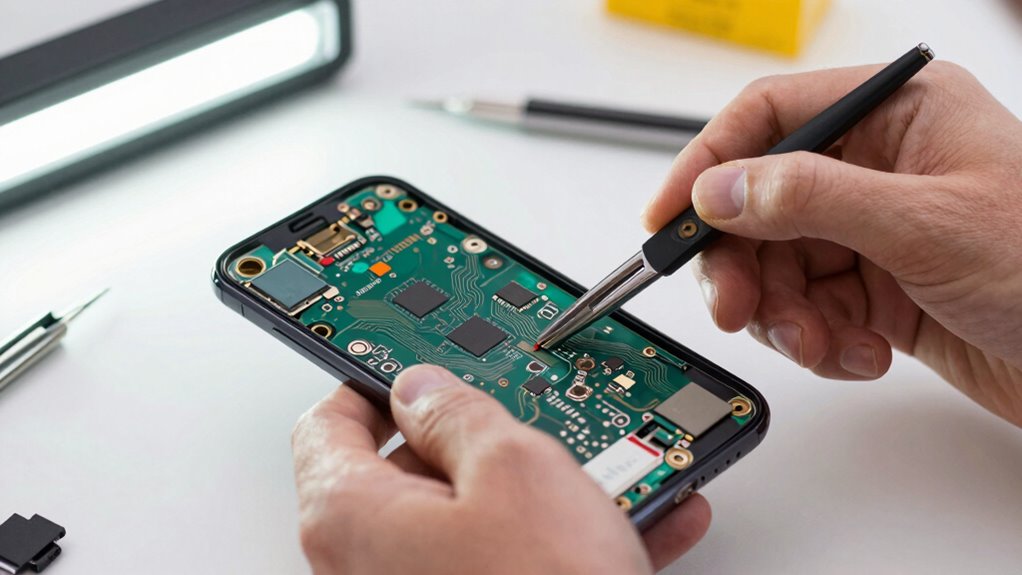

The right to repair gives you more control over fixing your gadgets by ensuring you can access authentic parts, repair info, and tools. Manufacturers are shifting policies to make repairs faster, cheaper, and more sustainable. Legislation worldwide supports your ability to maintain devices without voiding warranties. This movement helps reduce electronic waste and extends device lifespans. If you explore further, you’ll discover how these changes make repairing your devices easier than ever before.

Get the latest gadgets delivered free with Prime
- Fast, free delivery on millions of items
- Prime Video, Amazon Music and more included
- Member-only deals all year
Key Takeaways
- Legislation now requires manufacturers to provide genuine repair parts and information, making DIY repairs more accessible.
- The movement promotes transparency, allowing consumers to repair devices without voiding warranties or relying solely on authorized centers.
- Resources like repair manuals and online communities empower users to troubleshoot and fix gadgets independently.
- Repairability initiatives extend device lifespan, reduce electronic waste, and support environmental sustainability efforts.
- Industry trends favor modular designs and circular economy principles, simplifying repairs and promoting eco-friendly device management.
The Origins of the Right to Repair Movement
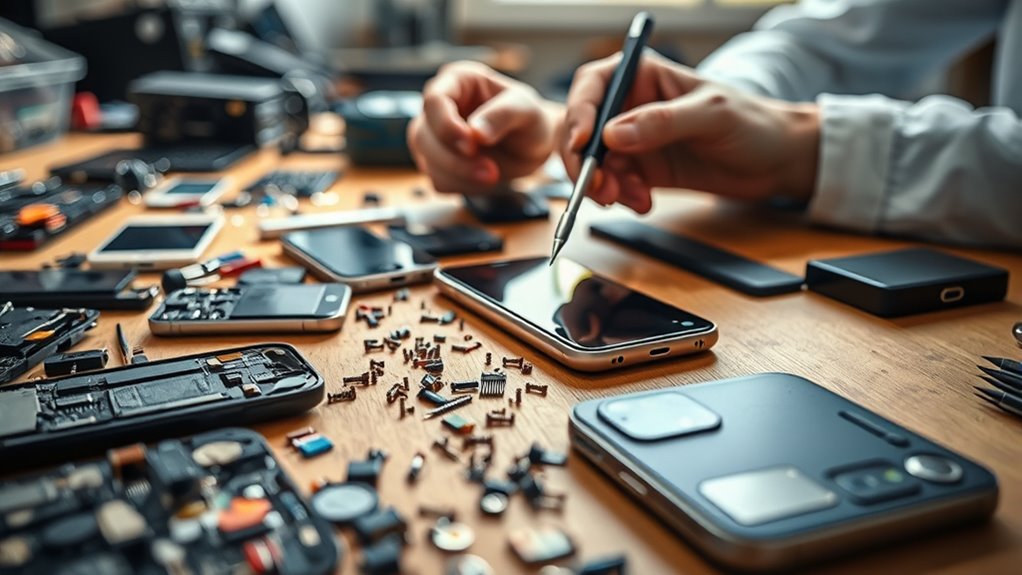
Have you ever wondered how the right to repair movement began? It all started when consumers noticed warranty limitations that made repairs difficult or expensive. Manufacturers often restrict access to genuine parts and repair information, limiting repair accessibility for individuals and independent technicians. These restrictions meant you had to rely on authorized service centers, which could be costly and slow. Frustration grew as people realized they could fix their devices themselves or with local help, but manufacturer rules prevented this. The movement gained momentum as advocates pushed for laws that would ensure fair access to repair tools and information. Their goal was simple: give you more control over fixing your gadgets and reduce unnecessary waste caused by device obsolescence. Additionally, advancements in home theater projectors and other electronic devices have highlighted the importance of accessible repairs to maintain optimal performance over time. Improving repairability also aligns with sustainable practices, emphasizing the need to extend the lifespan of electronic products and reduce environmental impact. This push for repairability is also supported by innovations in European cloud solutions, which prioritize energy efficiency and durability to promote environmentally responsible technology.
How Manufacturers Are Changing Their Repair Policies
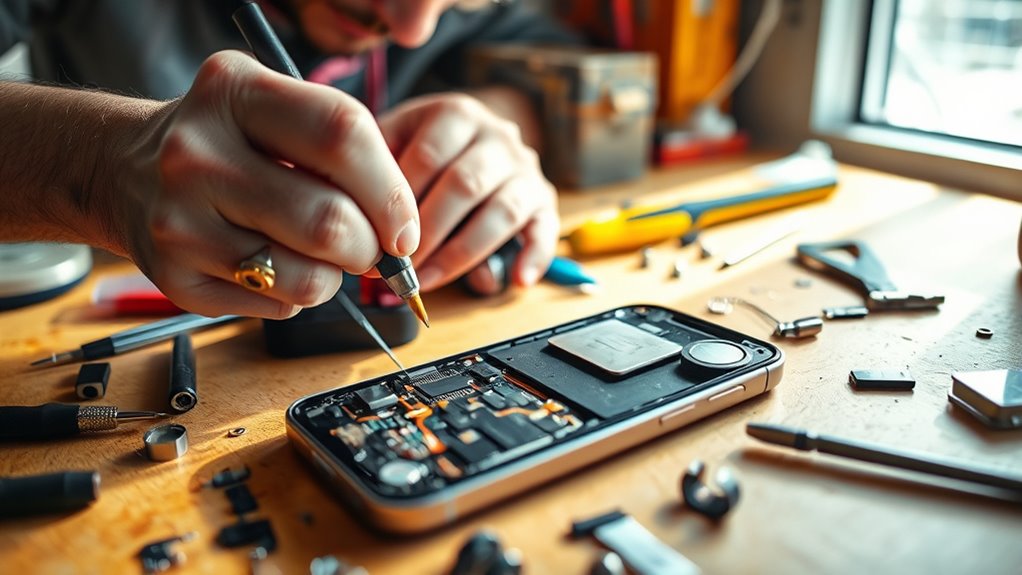
In recent years, many manufacturers have started to revise their repair policies in response to mounting consumer pressure and legal challenges. They’re now offering warranty extensions that encourage you to seek repairs through authorized service centers rather than replacing devices entirely. These changes make repairs more accessible, ensuring you don’t have to go through complex or costly processes. Some brands provide official repair parts and tools, empowering you or local technicians to fix gadgets safely. By shifting toward more transparent policies, manufacturers aim to build trust and reduce electronic waste. You’ll notice more flexible repair options, which ultimately make fixing your devices easier, faster, and more affordable. These policy updates signal a step toward giving you greater control over your gadgets’ lifespan. For example, Youngster Choice demonstrates how individual branding and social media engagement can contribute to financial independence, a concept increasingly relevant in today’s evolving repair and consumer landscape. Additionally, repair accessibility is becoming a core focus for many industry leaders seeking to promote sustainable electronics consumption, supporting the broader movement toward circular economy principles.
Key Legislation Supporting Consumer Repair Rights

Legislation aimed at strengthening consumer repair rights has gained momentum worldwide, empowering you to fix your devices rather than replace them. These laws encourage fair warranty policies and enhance repair incentives for manufacturers, making repairs more accessible and affordable. Such legislation ensures you’re not left stranded with malfunctioning gadgets or forced into costly replacements. It promotes transparency, requiring companies to provide necessary parts and repair information. This shift benefits you emotionally, giving you control and confidence in maintaining your devices. Additionally, the right to repair movement fosters a more sustainable approach by reducing electronic waste and encouraging environmentally responsible practices.
Tools and Resources Available for DIY Repairs

You can find repair manuals and guides online that walk you through fixing your devices step by step. Online repair communities offer advice, support, and firsthand experience from fellow DIY enthusiasts. These resources make it easier to tackle repairs confidently and cost-effectively.
Repair Manuals and Guides
Access to detailed repair manuals and guides is essential for successful DIY repairs. These resources provide step-by-step instructions, diagrams, and troubleshooting tips that help you understand your device’s inner workings. Repair manuals are often available from manufacturers, either free online or for purchase, ensuring you get accurate, device-specific information. Repair guides, which can be found on trusted websites or in published books, break down complex repairs into manageable tasks. Having the right manuals and guides empowers you to diagnose issues confidently and perform repairs safely. They reduce the risk of causing further damage and increase your chances of fixing your gadget correctly the first time. Passive voice detection tools can assist in refining your writing to make instructions clearer and more direct. Using capitalization style tools can help ensure your repair instructions are clear and consistent. With these resources, repairing your devices becomes more accessible, affordable, and satisfying.
Online Repair Communities
Online repair communities have become invaluable tools for DIY enthusiasts seeking advice, support, and resources. By joining online repair forums, you gain access to a wealth of collective knowledge from experienced repairers who share their tips, troubleshooting steps, and success stories. These communities foster community support, making it easier to troubleshoot complex issues and avoid costly mistakes. Whether you’re repairing a smartphone, laptop, or appliance, you’ll find step-by-step guides, video tutorials, and recommendations for tools and replacement parts. Engaging with fellow enthusiasts helps you stay motivated and confident in your skills. Best of all, these online platforms connect you with a global network of repairers who are enthusiastic to help you fix your gadgets efficiently and affordably. Additionally, understanding how to status can help you better navigate the repair process and communicate effectively within these communities. Knowing support breakfast options can also provide helpful context when exploring local repair shops or community centers that may offer repair classes or resources. Moreover, exploring repair documentation can give you detailed technical information to assist with complex repairs or diagnostics. For example, many online repair communities include discussions about traditional methods like bread pudding or apple pancakes, which can serve as creative inspiration or a metaphor for layered troubleshooting techniques. Staying informed about new repair tools and technologies can further enhance your ability to successfully complete repairs and stay current with industry trends.
Benefits of Repairing Devices Yourself
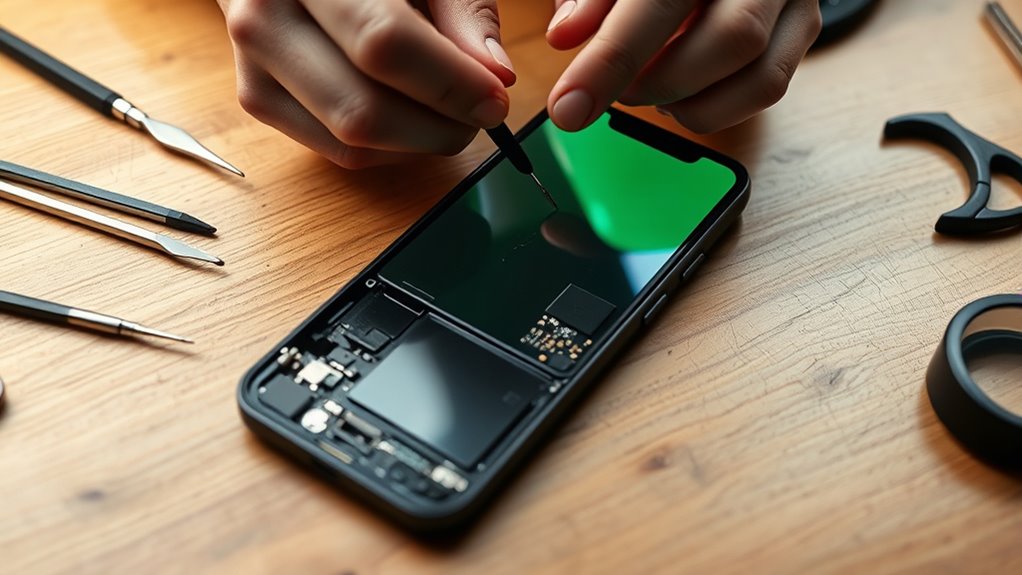
Repairing your devices yourself can save you money by avoiding costly service fees and replacement costs. It also helps reduce electronic waste, making a positive environmental impact. Taking control of repairs empowers you to extend your devices’ lifespan and lessen your ecological footprint. Understanding Free Floating concepts can further enhance your ability to troubleshoot and maintain your gadgets effectively, especially as smart home gym equipment becomes more integrated into personal fitness routines. Familiarity with auditory processing techniques can improve your ability to diagnose and resolve issues related to device sounds and alerts, ensuring more reliable performance. Additionally, developing skills in creative problem-solving can help you approach repairs more effectively and confidently.
Cost Savings Benefits
By fixing your devices yourself, you can substantially cut down on repair costs. DIY repairs lead to significant cost reduction since you avoid labor fees charged by technicians. Instead of paying premium prices for professional services, purchasing affordable parts and following step-by-step guides makes repairs budget friendly. This approach allows you to allocate funds elsewhere or save for future device upgrades. Additionally, repairing devices yourself extends their lifespan, delaying the need for replacements and further saving money. Even minor fixes can prevent costly breakdowns down the line. Incorporating proper repair techniques ensures safety and effectiveness during the process. Maintaining proper professional email etiquette during repair communications can also streamline the process and prevent misunderstandings. Understanding electrical safety is essential to avoid hazards and ensure your repairs are both safe and successful. Being familiar with basic troubleshooting methods can help you identify issues early and avoid unnecessary repairs. Exploring sound therapy science and other innovative approaches can also inspire creative solutions when tackling device issues.
Environmental Impact Reduction
When you repair your devices yourself, you considerably reduce environmental harm by minimizing electronic waste and conserving resources. By fixing gadgets instead of discarding them, you support recycling initiatives that give old components new life. This practice also lessens the demand for new devices, promoting sustainable manufacturing practices. Repairing devices helps prevent toxic materials from leaching into landfills and reduces energy consumption associated with manufacturing and disposal. Additionally, DIY repairs decrease the need for shipping products back and forth, lowering carbon emissions. Supporting repair efforts aligns with global efforts to create a more sustainable future. recycling initiatives play a crucial role in managing electronic waste responsibly. Moreover, engaging in water conservation practices during repair or manufacturing processes can further reduce environmental impact. Understanding the importance of solar energy can motivate more eco-friendly repair practices that harness renewable resources. Incorporating energy-efficient tools in repairs can also decrease overall power consumption and further support sustainability.
Challenges and Limitations in the Repair Ecosystem

Despite growing support for the right to repair, several challenges and limitations hinder its full implementation within the repair ecosystem. Warranty restrictions often prevent you from fixing devices yourself or using third-party services without risking voided warranties. Manufacturers may refuse repairs or deny service if unauthorized parts are used or repairs are attempted. Proprietary components also limit your options, as many devices feature specialized parts that are difficult or impossible to replace without specific tools or knowledge. These restrictions favor brand control and profit over consumer rights, making repairs more complicated and costly. As a result, you might face delays, higher expenses, or even being unable to repair your gadgets at all. Overcoming these barriers remains a significant hurdle in making repairs more accessible and affordable.
Impact on the Environment and Electronic Waste Reduction
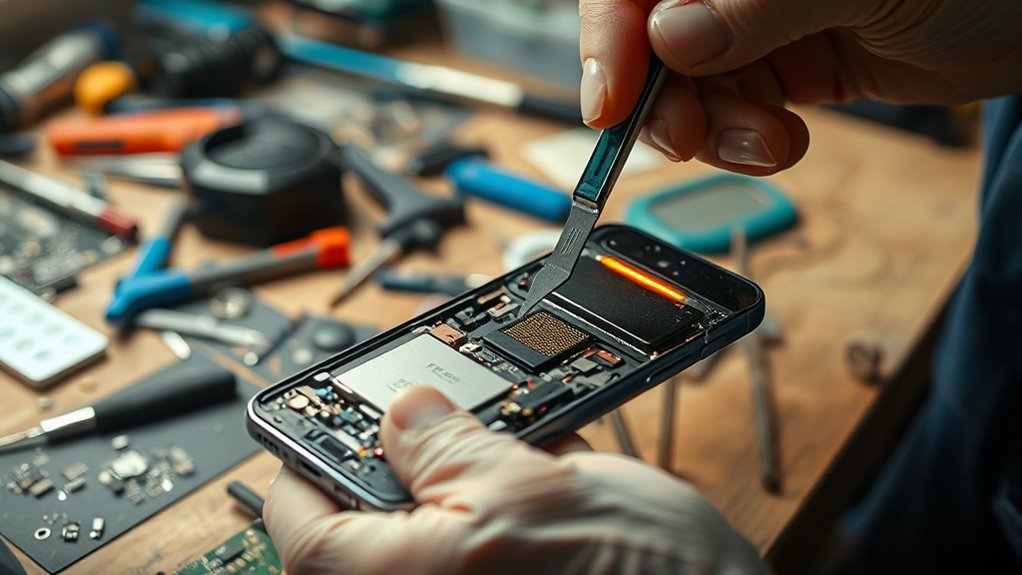
The right to repair can substantially benefit the environment by reducing electronic waste. When you can fix your gadgets, fewer devices end up in landfills, decreasing the need for new electronics and conserving resources. Proper electronics recycling prevents hazardous waste from leaking into soil and water, protecting ecosystems. By extending device lifespans, you help lower the demand for manufacturing, which reduces greenhouse gas emissions. This shift also minimizes the illegal disposal of hazardous waste. Additionally, repairing devices encourages responsible consumption and helps build a sustainable cycle for electronics.
- Less electronic waste in landfills
- Reduced hazardous waste contamination
- Less energy used in manufacturing new devices
- Decreased pollution from improper disposal
- Conservation of raw materials used in electronics
Future Trends in Device Repair and Sustainability
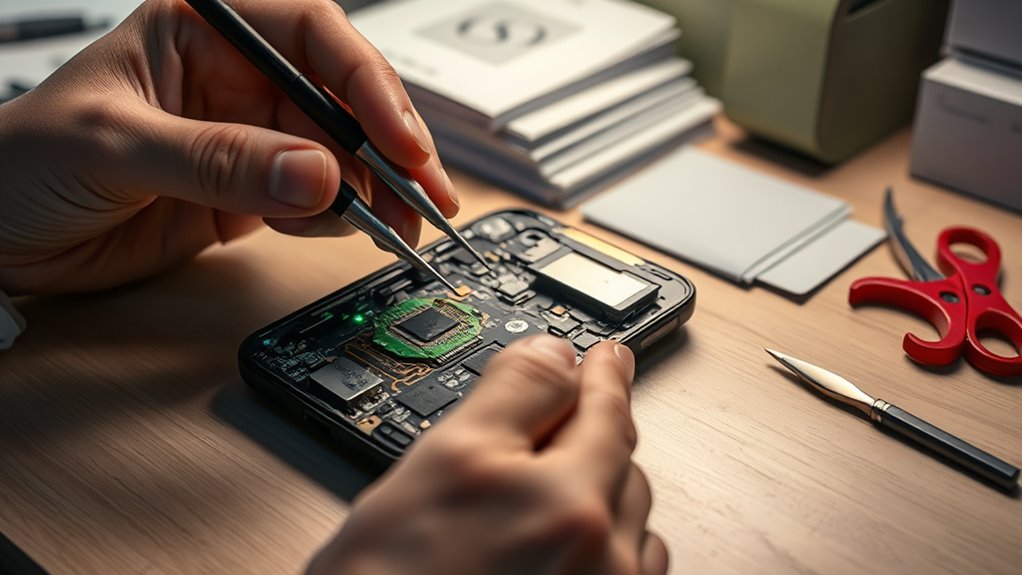
Advancements in technology and growing awareness of environmental issues are driving innovative trends in device repair and sustainability. You’ll see more emphasis on device recycling, making it easier to reprocess old gadgets into new components. Manufacturers are adopting sustainable innovation, designing products with repairability and recyclability in mind. Future repair trends will likely include modular designs that allow you to replace specific parts, reducing electronic waste. Repair services will become more accessible, supported by digital guides and local repair hubs. As consumers demand eco-friendly options, companies will prioritize sustainable practices, minimizing environmental impact. This shift not only extends device lifespan but also promotes a circular economy, where resources are reused efficiently. Overall, these trends empower you to repair smarter, contributing to a healthier planet.
Frequently Asked Questions
How Do I Find Authorized Repair Centers for My Device?
To find authorized repair centers for your device, start by visiting the manufacturer’s website. Look for their authorized centers or repair networks section, which lists certified locations. You can also contact customer support for recommendations. Many brands have dedicated apps or online tools to help you locate nearby authorized centers. Using these resources guarantees your device gets genuine parts and expert service, protecting your warranty and device longevity.
Are There Costs Associated With DIY Repairs Versus Professional Services?
DIY repair expenses are generally lower than professional services, making them appealing if you’re comfortable fixing gadgets yourself. However, the repair cost comparison shows that while DIY fixes save on labor fees, you might spend more on tools and replacement parts. Professional services charge for both parts and labor, often ensuring quality and warranty. Consider your skill level and the potential costs to decide whether DIY repair expenses or professional services fit your budget best.
What Safety Precautions Should I Take When Repairing Electronics Myself?
When repairing electronics yourself, prioritize electrical safety by unplugging devices before working on them. Always wear personal protective equipment like safety glasses and gloves to prevent injury from sharp components or electrical sparks. Work in a well-ventilated area and keep your workspace organized to avoid accidents. Use insulated tools to reduce the risk of electrical shocks, and follow manufacturer instructions carefully to make certain of safe and effective repairs.
How Do Repair Rights Differ Across Countries and Regions?
You’ll notice repair rights vary greatly across regions due to differing regional legislation and consumer protections. In some countries, laws empower you to access spare parts and manuals easily, fostering DIY repairs. Others impose restrictions that limit your options, making repairs more complicated or costly. Understanding these differences helps you navigate your rights, ensuring you can fix your gadgets confidently, knowing your consumer protections are in place to support your right to repair.
Can I Legally Repair My Device if It’s Still Under Warranty?
Yes, you can usually repair your device even if it’s still under warranty, but you should be aware of warranty restrictions and repair exemptions. Some manufacturers include clauses that void your warranty if you attempt repairs yourself or use third-party services. Always check your warranty terms first; if repairs are allowed, doing them yourself or through authorized technicians won’t void your coverage. Stay informed to avoid unintentionally losing your warranty protections.
Conclusion
You might worry that fixing your gadgets is too complicated or risky, but embracing the right to repair puts control back in your hands. By learning to repair your devices, you’re not only saving money but also helping reduce electronic waste and protect the environment. Don’t let fear hold you back—your small actions can make a big difference. Take charge today, and turn frustrations into empowerment, knowing you’re contributing to a more sustainable future.
Fall Picks
fall essentials
As an affiliate, we earn on qualifying purchases.