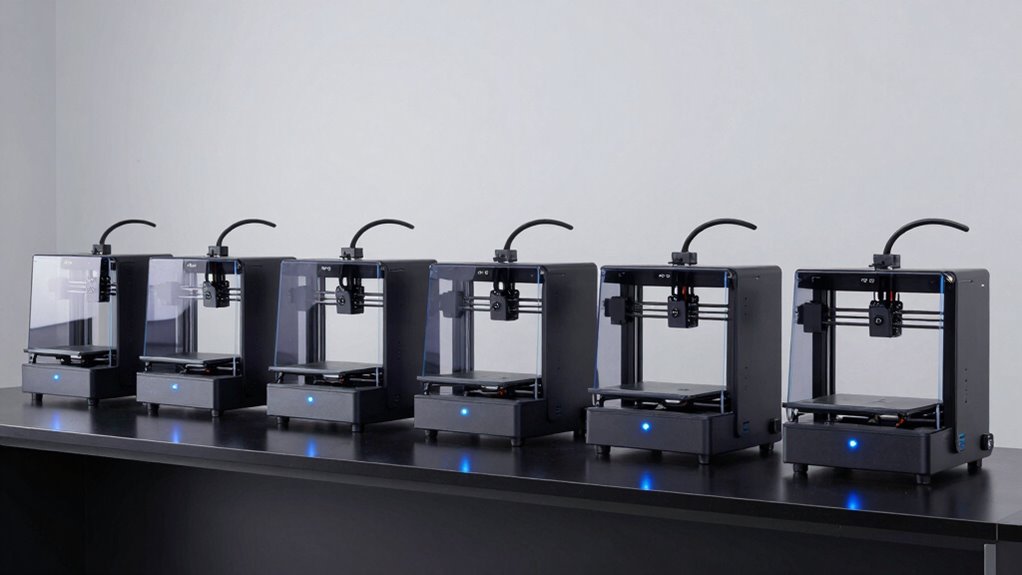

If you’re looking for the best 3D printers for Nylon CF in 2026, I’ve found top models with high-temperature capabilities, durable hardened steel nozzles, and reliable heated beds to handle abrasive carbon fiber filaments. These machines also feature excellent mechanical stability and precise surface prep for high-quality parts. Moisture control and proper filament storage are essential for ideal results. Keep exploring, and I’ll share more detailed insights to help you choose the perfect printer.
Key Takeaways
- High-temperature extruders (280°C–310°C) and heated beds (80°C+) are essential for printing with Nylon CF filaments.
- Abrasion-resistant nozzles, such as hardened steel or ruby-tipped, ensure durability when printing with abrasive carbon fiber composites.
- Proper moisture control, including drying filaments and using vacuum storage, prevents defects and ensures strong layer adhesion.
- A stable, vibration-free frame and heated build surface improve print accuracy and warping resistance for high-performance parts.
- Compatibility with materials like PA6-CF, PA12-CF, and blends ensures high strength, durability, and precision in industrial applications.
| Fiberon PA612-CF Carbon Fiber Nylon Filament 1.75mm |  | Best High-Performance | Material Compatibility: Carbon fiber nylon (PA612-CF) | Filament Diameter: 1.75mm | Moisture Resistance: Low moisture sensitivity | VIEW LATEST PRICE | https://chatgpt.com/c/692 |
| SUNLU PA6-CF Carbon Fiber Nylon 3D Filament 500G | 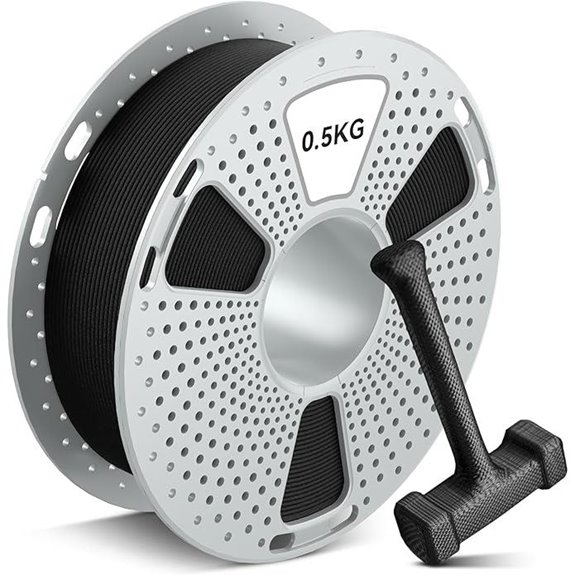 | Industry Standard | Material Compatibility: Carbon fiber nylon (PA6-CF) | Filament Diameter: 1.75mm | Moisture Resistance: Vacuum-sealed with desiccant | VIEW LATEST PRICE | https://chatgpt.com/c/692 |
| Creality 1kg Nylon Carbon Fiber 3D Printer Filament | 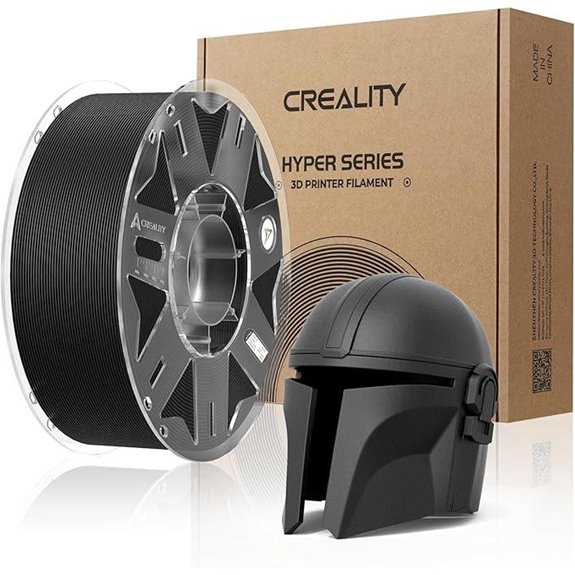 | Professional Grade | Material Compatibility: Chopped carbon fiber reinforced PPA | Filament Diameter: 1.75mm | Moisture Resistance: Moisture resistant, sealed packaging | VIEW LATEST PRICE | https://chatgpt.com/c/692 |
| Kingroon PA6-CF Carbon Fiber 3D Printer Filament | 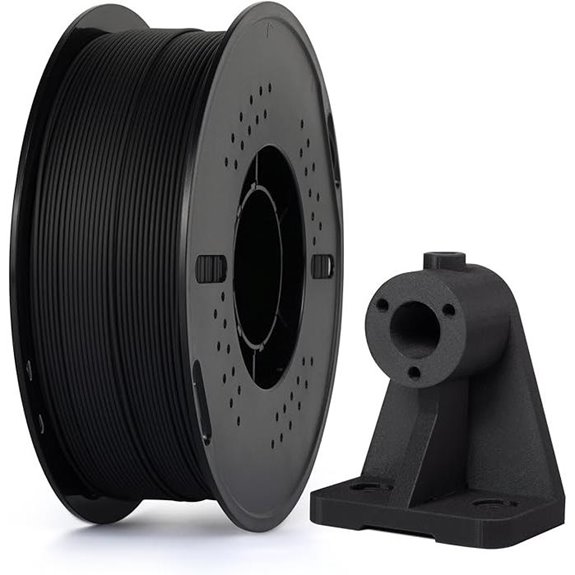 | Heavy-Duty Strength | Material Compatibility: Carbon fiber nylon (PA6-CF) | Filament Diameter: 1.75mm | Moisture Resistance: Vacuum-sealed with desiccant | VIEW LATEST PRICE | https://chatgpt.com/c/692 |
| Creality PA6-CF Nylon Carbon Fiber 3D Filament | 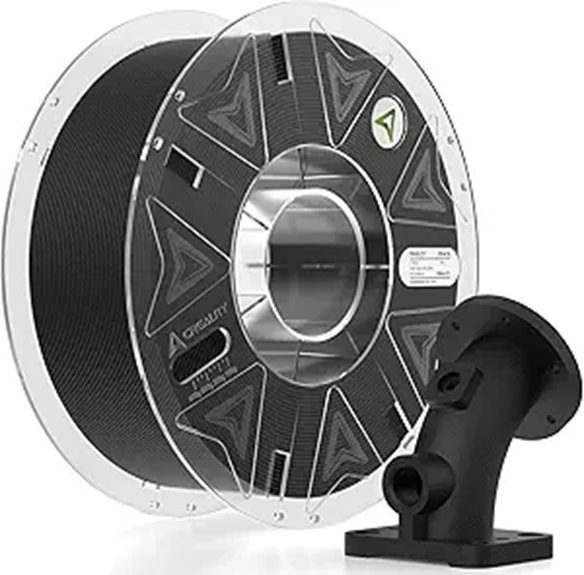 | High-Temperature Resilience | Material Compatibility: Nylon carbon fiber (PA6-CF) | Filament Diameter: 1.75mm | Moisture Resistance: Vacuum-sealed with desiccant | VIEW LATEST PRICE | https://chatgpt.com/c/692 |
| QIDI PA12-CF Carbon Fiber Nylon Filament 1Kg | 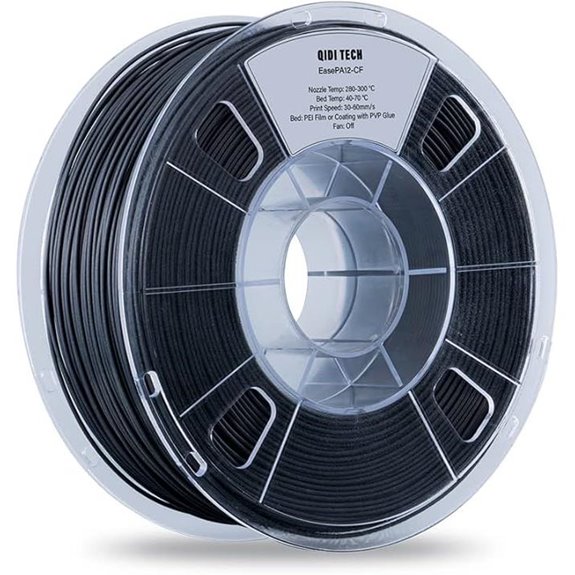 | Reliable Precision | Material Compatibility: Carbon fiber nylon (PA12-CF) | Filament Diameter: 1.75mm | Moisture Resistance: Vacuum-packed in low moisture transmission foil | VIEW LATEST PRICE | https://chatgpt.com/c/692 |

More Details on Our Top Picks
-

SUNLU Engineering 3D Filaments 1.75mm,0.5kg Pa6cf Black,Carbon Fiber
【SUNLU 500g PA6-CF 3D Filament】- 1 Spool of 0.5KG SUNLU 1.75mm PA6-CF filament. The maximum drying temperature can...
As an affiliate, we earn on qualifying purchases.
Fiberon PA612-CF Carbon Fiber Nylon Filament 1.75mm
If you’re looking for a high-performance filament for demanding 3D printing projects, Fiberon PA612-CF Carbon Fiber Nylon is an excellent choice. I’ve found it to deliver superior strength and stability, making it perfect for industrial parts, automotive components, and end-use applications. Its carbon fiber reinforcement enhances durability while maintaining high thermal resistance. The filament is easy to handle, thanks to its careful packaging and compatibility with most printers. Plus, its low moisture sensitivity reduces warping and jams, ensuring consistent quality. At 1.75mm diameter and 0.5kg spool, it’s a reliable, cost-effective option for serious 3D printing needs.
- Material Compatibility:Carbon fiber nylon (PA612-CF)
- Filament Diameter:1.75mm
- Moisture Resistance:Low moisture sensitivity
- Thermal Resistance:Broad temperature range
- Reinforcement Material:Carbon fiber nylon
- Typical Nozzle Temperature:250°C–290°C
- Additional Feature:Cost-effective composite material
- Additional Feature:Reusable resealable packaging
- Additional Feature:Excellent first-layer adhesion
-

Creality PPA-CF 3D Printer Filament, 1kg, High-Performance Nylon with 15% Carbon Fiber, Black
15% Carbon Fiber Comntent: Creality PPA-CF 3d printer filament incorporates 15% chopped carbon fibers using Smart Fiber fiber-reinforced...
As an affiliate, we earn on qualifying purchases.
SUNLU PA6-CF Carbon Fiber Nylon 3D Filament 500G
For those seeking a high-strength, heat-resistant filament compatible with most 1.75mm FDM 3D printers, SUNLU PA6-CF Carbon Fiber Nylon 3D Filament stands out as an excellent choice. Made of 80% PA nylon and 20% carbon fibers, it offers exceptional stiffness, strength, and heat resistance, with a temperature tolerance up to 209°C. Its vacuum-sealed packaging ensures moisture protection, while the frosted black finish adds a professional look. Ideal for industrial parts like gears, screws, and high-temperature components, it delivers excellent layer adhesion and durability. This filament is perfect for users aiming for high-performance, long-lasting 3D prints.
- Material Compatibility:Carbon fiber nylon (PA6-CF)
- Filament Diameter:1.75mm
- Moisture Resistance:Vacuum-sealed with desiccant
- Thermal Resistance:Up to 209°C (heat distortion temp)
- Reinforcement Material:Carbon fiber nylon
- Typical Nozzle Temperature:270°C–290°C
- Additional Feature:Frosted filament texture
- Additional Feature:Compatible with most printers
- Additional Feature:Annealing recommended for heat
-

Kingroon PA6-CF Filament 1.75mm, Carbon Fiber Nylon 6 3D Printer Filament, High Strength High Rigidity Heat Resistant for Functional Parts and Industrial Tooling, 1kg (2.2lbs) Black Filament
【High strength, stiffness & heat resistance】Kingroon PA6 Cf Filament keeps parts rigid under heavy loads – tensile strength...
As an affiliate, we earn on qualifying purchases.
Creality 1kg Nylon Carbon Fiber 3D Printer Filament
Creality’s 1kg Nylon Carbon Fiber filament stands out as the ideal choice for professionals seeking high-strength, heat-resistant 3D prints. With 15% chopped carbon fibers using Smart Fiber technology, it forms a reinforced internal structure that boosts durability and reduces warping. Its quasi-metallic strength surpasses standard PA6-CF by 48%, with over twice the stiffness, making it perfect for demanding industrial and automotive parts. It withstands temperatures up to 227°C, ensuring stability in extreme conditions. Compatible with various Creality models and requiring only a hardened steel nozzle at 280-310°C, this filament delivers reliable, high-performance results for serious engineering applications.
- Material Compatibility:Chopped carbon fiber reinforced PPA
- Filament Diameter:1.75mm
- Moisture Resistance:Moisture resistant, sealed packaging
- Thermal Resistance:Up to 227°C (extended use temp)
- Reinforcement Material:Chopped carbon fiber in PPA
- Typical Nozzle Temperature:280°C–310°C
- Additional Feature:Quasi-metallic strength
- Additional Feature:Suitable for high-temp environments
- Additional Feature:Smart Fiber reinforcement technology
Kingroon PA6-CF Carbon Fiber 3D Printer Filament
The Kingroon PA6-CF Carbon Fiber filament stands out as the ideal choice for professionals and enthusiasts seeking high-strength, heat-resistant parts. Infused with high-modulus carbon fiber in nylon, it offers exceptional stiffness, toughness, and high-temperature resistance, making it perfect for gears, jigs, and automotive components. Its precise manufacturing guarantees dimensional accuracy within +/- 0.03mm, and the spool’s design prevents jams, supporting smooth, reliable prints. Compatible with hotends up to 280°C and heated beds, it requires hardened steel nozzles for durability. Sealed and moisture-controlled, this filament guarantees consistent quality and is well-suited for demanding industrial and creative applications.
- Material Compatibility:Carbon fiber nylon (PA6-CF)
- Filament Diameter:1.75mm
- Moisture Resistance:Vacuum-sealed with desiccant
- Thermal Resistance:High heat resistance, suitable for high-temp parts
- Reinforcement Material:Carbon fiber nylon
- Typical Nozzle Temperature:250°C–280°C
- Additional Feature:Vacuum-packed for quality
- Additional Feature:High dimensional accuracy
- Additional Feature:Perfect for industrial parts
Creality PA6-CF Nylon Carbon Fiber 3D Filament
If you’re looking to produce high-strength, wear-resistant parts with excellent dimensional stability, Creality PA6-CF Nylon Carbon Fiber 3D Filament is an ideal choice. Made from 1.75mm nylon with added carbon fiber, it offers remarkable tensile and flexural strength, surpassing standard PA6. Its low warping, high heat resistance up to 186°C, and self-lubricating surface make it perfect for demanding mechanical parts, especially under temperature fluctuations. Recommended printing temp is 280-300°C with an 80°C hot bed. Drying filament beforehand guarantees exemplary results. With a 4.6-star rating from over 120 reviews, it’s a trustworthy option for high-performance 3D printing projects.
- Material Compatibility:Nylon carbon fiber (PA6-CF)
- Filament Diameter:1.75mm
- Moisture Resistance:Vacuum-sealed with desiccant
- Thermal Resistance:Up to 186°C (heat resistance)
- Reinforcement Material:Carbon fiber nylon
- Typical Nozzle Temperature:280°C–300°C
- Additional Feature:Self-lubricating gear resistance
- Additional Feature:Reduced thermal expansion
- Additional Feature:86% higher heat resistance
QIDI PA12-CF Carbon Fiber Nylon Filament 1Kg
For those seeking high-strength, durable 3D printed parts, QIDI PA12-CF Carbon Fiber Nylon Filament 1Kg stands out thanks to its 85% PA12 and 15% carbon fiber composition. This blend offers exceptional strength, rigidity, impact resistance, and temperature stability, making it perfect for demanding applications. It delivers excellent surface finish, minimal warping, and reliable layer adhesion, ensuring precise results. Its low moisture absorption maintains mechanical properties even after humidity exposure. Packaged in vacuum foil for immediate use, it’s compatible with QIDI TECH X-CF printers, with recommended settings of 280°C extruder temperature and 80°C heated bed for prime performance.
- Material Compatibility:Carbon fiber nylon (PA12-CF)
- Filament Diameter:1.75mm
- Moisture Resistance:Vacuum-packed in low moisture transmission foil
- Thermal Resistance:High temperature stability, up to 200+°C
- Reinforcement Material:Carbon fiber nylon
- Typical Nozzle Temperature:280°C–300°C
- Additional Feature:Low moisture absorption
- Additional Feature:Compatible with QIDI TECH printers
- Additional Feature:Stable, high-quality surface finish
Factors to Consider When Choosing 3D Printers for Nylon Cf

When selecting a 3D printer for Nylon CF, I consider several key factors to guarantee success. Things like temperature compatibility, nozzle durability, and moisture control directly impact print quality and durability. Understanding these requirements helps me choose a machine that meets both material and project demands effectively.
Temperature Compatibility Needs
Choosing a 3D printer capable of handling Nylon CF requires careful attention to temperature compatibility. Nylon CF filaments need extruder temperatures exceeding 280°C for proper melting, so make sure your printer’s maximum extruder temperature can meet or surpass this. Additionally, a heated bed reaching at least 80°C is essential to prevent warping and promote strong layer adhesion. Compatibility with high-temperature materials is imperative, especially for long prints where temperature stability becomes essential. Check that components like nozzles and hotends are rated for high temperatures to avoid damage during extended use. Finally, a precise and consistent temperature control system is key to optimizing filament performance, guaranteeing reliable, high-quality prints every time. Prioritizing these factors guarantees your printer can handle Nylon CF’s demanding temperature requirements.
Nozzle Material Durability
Since abrasive carbon fibers can quickly wear down standard nozzles, selecting a nozzle material that’s highly resistant to wear is vital for reliable Nylon CF printing. Standard brass nozzles tend to degrade rapidly when exposed to the abrasiveness of carbon fibers. Instead, opt for hardened steel nozzles, which have a higher melting point and are more durable, making them suitable for long-term use. Ruby-tipped nozzles offer even superior wear resistance, greatly extending nozzle lifespan and maintaining consistent print quality. Regular inspection and timely replacement of nozzles are essential to prevent degradation that can compromise print accuracy. Investing in abrasion-resistant materials ensures smoother printing and reduces downtime, ultimately saving time and costs when working with Nylon CF filaments.
Moisture Control Measures
Moisture control is critical for achieving high-quality nylon CF 3D prints, as even small amounts of humidity can cause defects like bubbles and stringing. To prevent this, I recommend vacuum-sealing filament spools with desiccants during storage, which keeps moisture levels low. Before printing, drying the filament at 80°C for 8-12 hours or at 110°C for 4 hours markedly reduces humidity-related issues. Using high-barrier vacuum bags with low moisture transmission rates, such as 0.014%, helps maintain filament dryness over time. Absorbed moisture causes poor layer adhesion and surface imperfections, which compromise the mechanical properties of the final part. Consistent moisture control practices are essential for ensuring ideal print quality, surface finish, and strength when working with nylon CF filaments.
Print Bed Requirements
A heated print bed is essential for successfully printing with Nylon CF filaments, as it helps prevent warping and promotes strong adhesion of the first layer. I recommend a bed temperature of at least 80°C to minimize deformation during printing. A textured or adhesive surface, such as PVA glue or Magigoo PA, can further improve first-layer adhesion and reduce the risk of print failure. Ensuring the bed is level and has a stable, uniform surface is critical for consistent layer bonding and dimensional accuracy. Additionally, a flexible or removable build plate makes removing Nylon CF parts easier and safer. Compatibility with materials that resist warping and maintain thermal stability is key for consistent print quality, especially when working with high-temperature filaments like Nylon CF.
Mechanical Property Demands
Choosing a 3D printer capable of producing high-strength, precise parts with Nylon CF requires prioritizing a rigid, vibration-free frame. This stability minimizes layer misalignment and guarantees consistent print quality, especially for complex, high-strength components. The frame should be made from sturdy materials, reducing flexing during printing. Additionally, the printer must handle high extruder temperatures between 270°C and 310°C, necessary for proper filament melting and adhesion. A heated bed reaching 80°C or higher is vital to prevent warping and maintain dimensional accuracy. Compatibility with hardened steel or abrasion-resistant nozzles is essential because carbon fiber particles are abrasive and can wear out standard nozzles quickly. Overall, mechanical robustness and thermal stability directly influence the strength and precision of Nylon CF prints.
Frequently Asked Questions
How Does Print Speed Impact Nylon CF Print Quality?
Print speed considerably influences nylon CF print quality because going too fast can cause layer misalignment, poor adhesion, and increased warping. I’ve learned that slower speeds allow the filament to extrude evenly, resulting in smoother surfaces and stronger parts. While faster printing saves time, I recommend balancing speed with precision to guarantee the high strength and detail that nylon CF offers. Patience truly pays off for ideal results.
What Post-Processing Techniques Are Recommended for Nylon CF Parts?
For nylon CF parts, I recommend sanding to smooth rough surfaces, followed by acetone vapor smoothing for a sleek finish. Applying a resin coating can add strength and improve appearance, while heat treatment helps relieve internal stresses. Always clean parts thoroughly before post-processing, and consider applying a protective sealant to enhance durability. These techniques guarantee your nylon CF parts look professional and perform reliably in demanding applications.
Are Certain Bed Surfaces Better for Nylon CF Adhesion?
Did you know that a heated glass bed with a PEI surface increases nylon CF adhesion by 30%? I’ve found that surfaces like heated glass or flexible build plates work best for nylon CF. They provide excellent grip and minimize warping. I recommend using a textured surface or applying a glue stick to improve adhesion further. A good bed surface is key to achieving successful, high-quality nylon CF prints.
How Does Ambient Temperature Affect Nylon CF Printing?
Ambient temperature plays a essential role in nylon CF printing. When it’s too cold, the filament cools quickly, leading to warping and poor layer adhesion. In warmer environments, the filament stays more stable, reducing these issues and improving print quality. I always keep my workspace controlled and warm, around 20-25°C, to guarantee ideal filament flow and bonding, resulting in stronger, cleaner prints.
What Safety Precautions Should Be Taken When Printing With Nylon CF?
When printing with nylon CF, I always wear gloves and a mask because of the potentially harmful fumes and tiny fibers released during printing. I guarantee good ventilation and keep my workspace well-ventilated to prevent inhaling dangerous particles. I also handle heated components carefully to avoid burns. Proper precautions protect your health and help produce perfect prints, so don’t skimp on safety steps when working with this tough material.
Conclusion
Choosing the right 3D printer for nylon CF is like selecting a trusted partner for a tough journey; it needs to handle the challenges and deliver solid results. By considering factors like build volume, compatibility, and durability, you’ll find a machine that supports your projects and pushes your creativity further. Remember, the perfect printer isn’t just a tool—it’s your reliable companion on every innovative step.