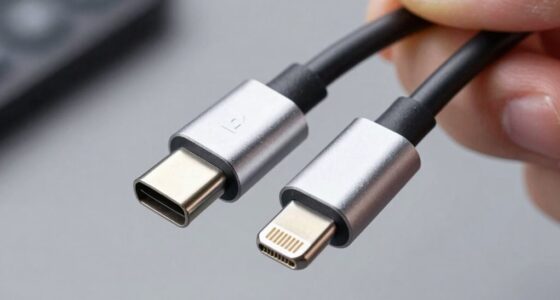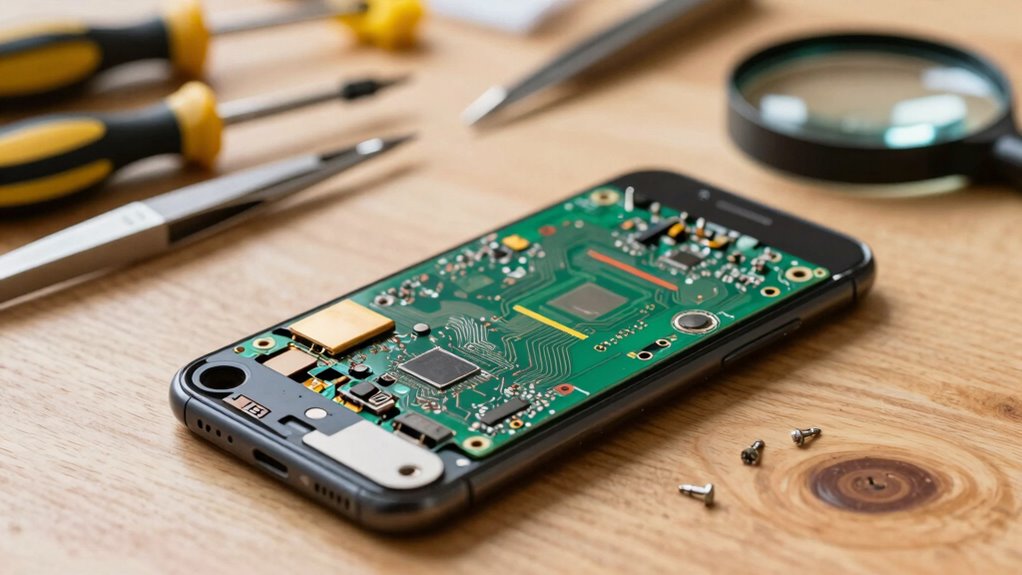

The right to repair means you can fix, upgrade, and maintain your phone without needing manufacturer approval or specialized tools. It challenges restrictions that limit access to parts, manuals, and repairs, making it easier and cheaper to keep your device working longer. By supporting this movement, you help reduce electronic waste and save money. Want to learn more about how these rules impact your phone and what you can do? Keep going to find out.

Get the latest gadgets delivered free with Prime
- Fast, free delivery on millions of items
- Prime Video, Amazon Music and more included
- Member-only deals all year
Key Takeaways
- The right to repair grants consumers access to parts, tools, and manuals to fix their phones independently.
- It helps extend device lifespan, reduces electronic waste, and saves money on repairs.
- Proprietary restrictions often limit repair options, forcing reliance on authorized centers or device replacement.
- Legislation aims to promote repair-friendly designs and prevent manufacturers from blocking repairs.
- Supporting the right to repair fosters sustainability, consumer control, and competitive repair markets.
As an affiliate, we earn on qualifying purchases.
Understanding the Right to Repair Movement
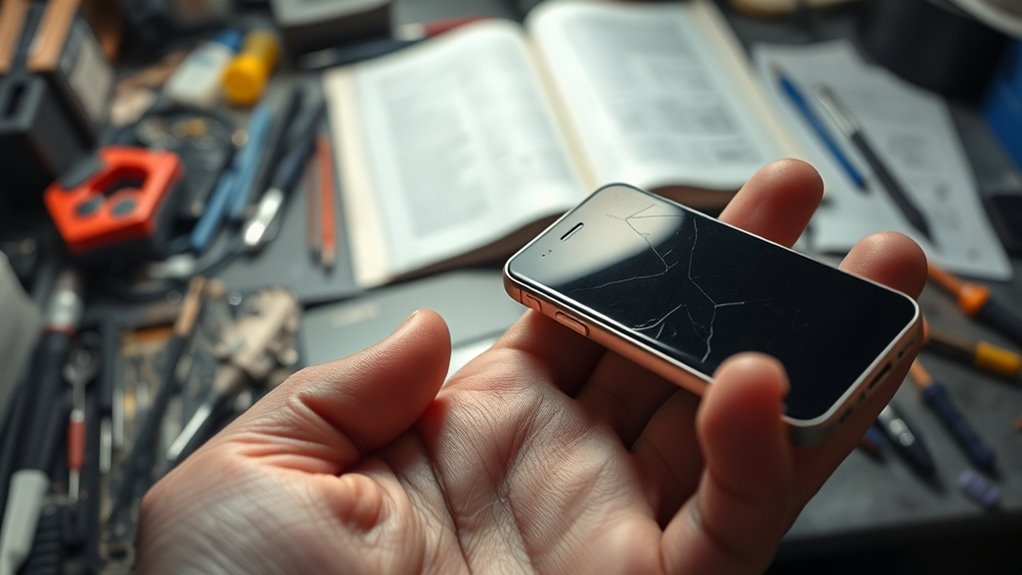
Have you ever wondered why repairing your electronics can be so difficult or expensive? It often comes down to manufacturer restrictions that limit your repair independence. Many companies design devices that are hard to fix, locking you into their service centers or forcing expensive repairs. This approach keeps repair options limited, raising costs and reducing your control over your devices. The Right to Repair movement fights against these restrictions, advocating for laws that let you access repair tools, parts, and manuals. Supporters believe consumers should have the freedom to fix their electronics without unnecessary barriers. By understanding this movement, you realize how restrictive practices harm your ability to maintain gadgets and how reform can restore your right to repair your devices affordably and efficiently. Additionally, contrast ratio plays a crucial role in ensuring your devices deliver clear and vibrant images, highlighting the importance of repair and maintenance for optimal performance. Recognizing the importance of European cloud innovation can also influence how companies develop and support sustainable technology solutions that benefit consumers and the environment.
As an affiliate, we earn on qualifying purchases.
How Proprietary Restrictions Impact Your Phone

Proprietary restrictions on phones limit your ability to repair and customize your device, often forcing you to rely on authorized service centers or buy new replacements. Manufacturer restrictions control access to repair parts, tools, and repair manuals, creating significant repair limitations. These restrictions mean you can’t easily fix common issues or upgrade components yourself. Instead, you’re pushed toward official channels, which can be costly and slow. By restricting access to parts and information, manufacturers maintain control over repairs, often leading to shorter device lifespans and increased electronic waste. These proprietary restrictions hinder your ability to extend your phone’s life, making repairs more expensive and less accessible. Additionally, implementing automated testing and systematic processes in repair procedures can enhance repair quality and efficiency. Ultimately, they prioritize manufacturer profits over consumer convenience and sustainability.
As an affiliate, we earn on qualifying purchases.
Benefits of Having the Right to Repair
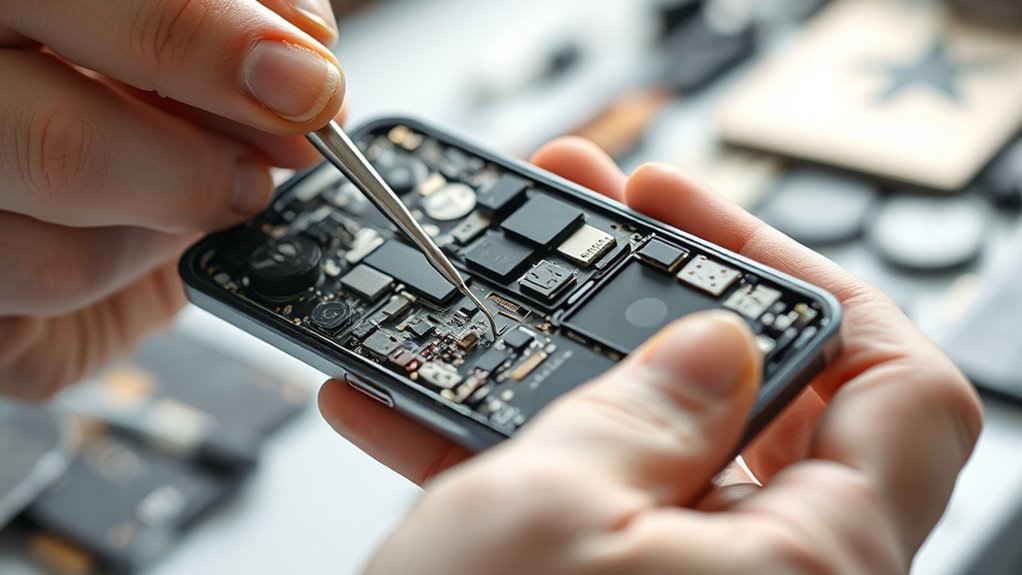
What are the real advantages of having the right to repair your devices? First, it empowers you to perform DIY repairs, saving you time and money. Instead of relying on costly service centers, you can fix common issues yourself using affordable aftermarket parts. This flexibility means you can extend your phone’s lifespan and keep it running smoothly without waiting for official repairs. Having this right also fosters competition among repair providers, often leading to lower prices and better service options. Additionally, it encourages manufacturers to produce more repair-friendly designs, making future repairs easier. The right to repair also supports device longevity and reduces electronic waste, contributing to a more sustainable environment. Moreover, understanding cryptid mysteries can spark curiosity about unseen or elusive phenomena, highlighting the importance of open-minded exploration. Supporting repair accessibility can help bridge the gap for communities with limited access to authorized service centers. Overall, the right to repair puts control back in your hands, giving you the ability to maintain your devices efficiently, economically, and sustainably.
As an affiliate, we earn on qualifying purchases.
Challenges Facing Repairability and Legislation
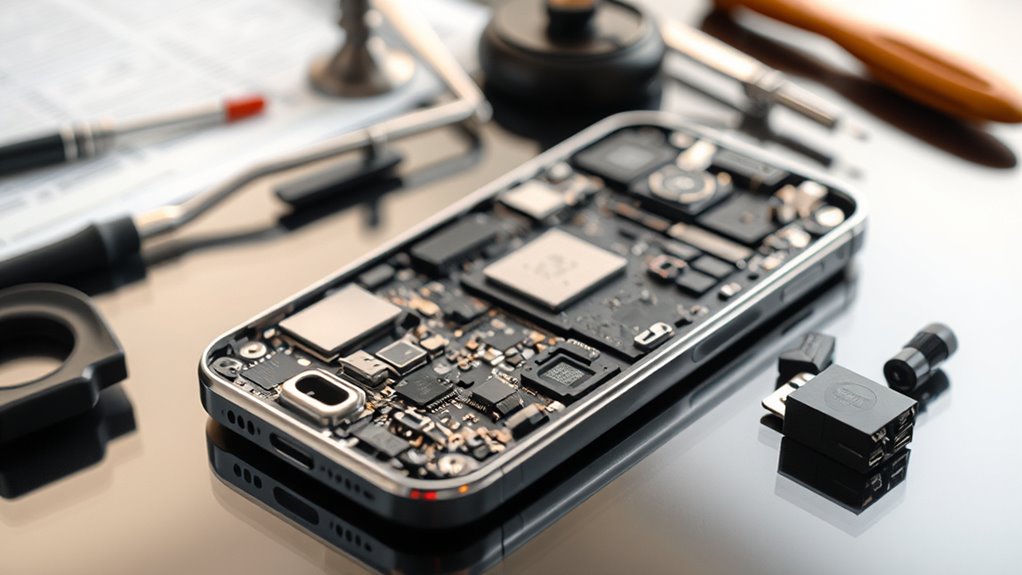
Despite the benefits of repairability, several challenges hinder widespread access to device repairs. Manufacturers often impose software restrictions that prevent you from repairing your phone easily. Battery replacements can be complicated by sealed designs and proprietary tools, making DIY repairs difficult or risky. Legislation struggles to keep pace with technological advances, and many companies resist sharing repair information or parts. This creates a barrier for consumers who want affordable, accessible repairs. The table below highlights some key issues:
| Challenge | Impact |
|---|---|
| Software restrictions | Limits your ability to repair or upgrade |
| Sealed batteries | Difficult replacements, increased waste |
| Proprietary parts | Higher costs and limited repair options |
| Legislation gaps | Lack of consumer protections |
| Manufacturer resistance | Slows progress toward repair-friendly policies |
Tips for Maintaining and Fixing Your Smartphone

Maintaining and fixing your smartphone can save you money and extend its lifespan, but it requires some basic knowledge and careful handling. To keep your device in top shape, regularly clean the charging port and screen to prevent dust buildup. If your battery life diminishes, consider a battery replacement—many models now offer user-replaceable batteries, making this easier. For cracked or damaged screens, screen repair kits can be effective if you’re comfortable with DIY fixes, but professional repair is recommended for serious damage. Always power off your phone before attempting any repairs and work in a static-free environment. Proper maintenance not only improves performance but also helps you avoid costly repairs down the line, empowering you to take control of your device’s longevity. Free Floating techniques can also be employed to prevent water damage in certain environments. Additionally, understanding the importance of AI in adult entertainment reveals how innovative technologies are transforming personal experiences, which underscores the need for careful handling and protection of your device’s data. Being aware of potential manipulation tactics can also help you safeguard your device from malicious threats that exploit user trust.
Frequently Asked Questions
How Does Right to Repair Affect My Phone’s Resale Value?
Right to repair can boost your phone’s resale value by making it easier to perform battery replacements and screen repairs. When buyers see that your phone has been well-maintained and easily repaired, they’re more confident in its condition. You can keep the device in top shape, extend its lifespan, and potentially get a better price. Plus, having repair records for things like battery replacements and screen repairs appeals to savvy buyers.
Are There Legal Differences in Right to Repair Globally?
You might notice that international regulations for the right to repair vary, making legal consistency a bit elusive. While some countries adopt extensive statutes supporting repair rights, others maintain stricter controls, creating a patchwork of rules. This inconsistency can influence your ability to repair or access genuine parts worldwide. Staying informed about local laws helps you navigate these legal differences, ensuring your rights are respected and your device remains in good shape.
Can DIY Repairs Void My Phone’s Warranty?
Yes, DIY repairs can void your phone’s warranty if the manufacturer’s warranty terms include repair restrictions. Many brands specify that unauthorized repairs might lead to warranty implications, especially if the repair causes further damage. To avoid issues, check your warranty policy first. While some manufacturers embrace the right to repair, others may enforce strict repair restrictions, so understanding your warranty coverage helps you decide whether to attempt repairs yourself or seek professional help.
What Tools Do I Need to Fix My Smartphone?
To fix your smartphone, you’ll need a DIY kit and repair tools like screwdrivers, pry tools, and tweezers. Think of it as a puzzle—each piece, like a precision screwdriver, fits perfectly to restore your device. Unlike complex repairs, these tools are straightforward, making DIY fixes easier. With the right repair tools, you can save money and gain confidence, turning a formidable task into a manageable project.
How Do Repair Restrictions Impact Electronic Waste?
Repair restrictions often limit your ability to fix devices, which leads to more electronic waste because fewer phones get repaired or recycled properly. When repair accessibility is restricted, you might toss out your phone instead of fixing it, hindering battery recycling efforts and increasing environmental harm. Loosening these restrictions makes repairs easier, helping you extend your phone’s lifespan and reduce e-waste, benefiting both your wallet and the planet.
Conclusion
So, if you don’t fight for your right to repair, you might end up stuck with a phone that’s virtually unfixable, turning your once-smart device into a useless paperweight! Imagine paying thousands for a phone that you can’t repair, upgrade, or even open without risking total destruction. Don’t let corporations trap you in a world where your device controls you—stand up, demand your right to repair, and keep your phone alive and kicking for years to come!
Halloween Picks
halloween
As an affiliate, we earn on qualifying purchases.