
Choosing a cheap laptop saves money but comes with sacrifices. You’ll likely face slower performance, limited build quality, and a lower quality display. Battery life may disappoint, and you’ll have fewer ports, making connectivity challenging. Reliability drops, and hidden repair costs could add up over time. If you’re willing to accept these trade-offs for basic tasks, a budget laptop can work. For more details on what you give up, keep exploring the options.

Get the latest gadgets delivered free — and shop member deals
- Fast, free delivery on millions of items
- Access to Prime Big Deal Days deals on October 6–7
- Prime Video, Amazon Music and more included
Key Takeaways
- Budget laptops often have weaker processors, limiting multitasking and demanding application performance.
- Lower build quality and materials increase susceptibility to damage and reduce long-term durability.
- Smaller or lower-resolution screens diminish visual clarity and color accuracy.
- Limited connectivity options and minimal upgradeability can hinder device flexibility and future-proofing.
- Sacrifices include reduced hardware lifespan, fewer features, and potential security risks due to limited updates.
As an affiliate, we earn on qualifying purchases.
Performance and Speed Limitations
While cheap laptops may seem appealing, they often struggle with performance and speed. One major issue is processor bottlenecks, which limit the device’s ability to handle multiple tasks smoothly. This leads to lagging performance, especially when running demanding applications or multitasking. You might notice that opening programs takes longer, or that your laptop slows down unexpectedly. Low-end processors simply can’t keep up with the demands placed on them, causing frustrating delays and reduced productivity. As a result, you may find yourself waiting for tasks to complete or experiencing frequent freezes. If speed and efficiency are important for your daily use, investing in a more capable processor can make a significant difference in your overall experience. Additionally, contrast ratio and other technical limitations can impact how well your laptop displays images and videos, affecting your viewing experience. Moreover, performance limitations often mean that budget laptops lack the durability and build quality found in higher-end models, leading to potential issues over time. Poor material quality can also result in quicker wear and tear, further reducing the longevity of inexpensive devices. Furthermore, thermal management in budget models is often inadequate, leading to overheating and potential hardware failures.
cheap laptops with good battery life
As an affiliate, we earn on qualifying purchases.
As an affiliate, we earn on qualifying purchases.
Build Quality and Durability Concerns
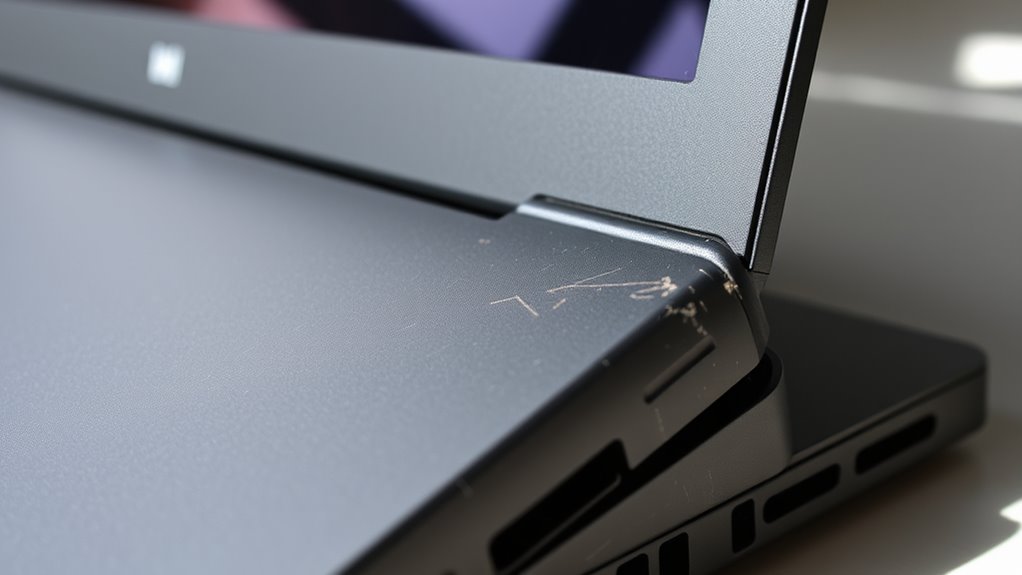
Cheap laptops often cut corners on build quality, which can lead to durability issues over time. The material quality used in these devices is usually lower, making them more prone to cracks, dents, and wear. You might notice that the plastic shells feel flimsy and less sturdy, reducing overall construction robustness. This lower quality can also result in poor heat dissipation, increasing the risk of overheating and hardware failure. This means your laptop could suffer from loose hinges, broken ports, or internal damage after just a few months of regular use. Because manufacturers prioritize cost savings over solid construction, you may find that cheap laptops aren’t built to withstand daily handling or transportation. As a result, you might need to replace or repair them sooner than you’d expect, costing you more in the long run and diminishing their value. Additionally, build quality concerns can impact the device’s ability to protect internal components, increasing the risk of hardware failure. Poor material quality can also lead to faster wear and tear, making the device less reliable over time. Furthermore, lack of shock absorption in low-cost materials makes internal parts more vulnerable to damage from accidental drops or bumps.
affordable laptops with durable build
As an affiliate, we earn on qualifying purchases.
As an affiliate, we earn on qualifying purchases.
Display Quality and Resolution Issues

Display quality and resolution often suffer in budget laptops, making it harder to enjoy detailed images and sharp text. Low-resolution screens can cause images to appear pixelated, and text may lack clarity, straining your eyes during extended use. Screen clarity is compromised, which affects overall visual experience and productivity. Cheaper displays typically have limited color accuracy and reduced viewing angles, further diminishing quality. Additionally, budget screens often lack high dynamic range capabilities, which can diminish contrast and color vibrancy. Here’s a quick comparison:
| Feature | Budget Laptop | High-End Laptop | Impact |
|---|---|---|---|
| Resolution Quality | 1366×768 or 1920×1080 | 4K or higher | Less sharp images |
| Screen Clarity | Lower, washed out | Bright, vivid | Easier on eyes, better visuals |
| Viewing Angles | Narrow | Wide | Reduced visibility from sides |
Choosing a budget laptop often means sacrificing screen clarity and resolution quality, impacting your viewing experience. Additionally, budget screens tend to have limited color accuracy, which can affect tasks like photo editing or media consumption. Moreover, budget displays may also have lower brightness levels, making it difficult to use comfortably in well-lit environments. To make matters worse, some budget screens also suffer from poor refresh rates, which can cause motion blur during fast-paced activities. Recognizing these limitations can help you decide if a budget device meets your visual needs or if investing in a higher-end model is worthwhile.
low-cost laptops for basic tasks
As an affiliate, we earn on qualifying purchases.
As an affiliate, we earn on qualifying purchases.
Battery Life and Power Efficiency

Budget laptops often compromise on battery life and power efficiency to keep costs low. As a result, you might notice quick battery drain during everyday tasks, forcing you to stay near power outlets more often. Cheaper components and less advanced power management reduce overall efficiency, meaning your device consumes more energy for less work. This can be frustrating if you’re on the go or rely on long battery life for work or entertainment. Reduced power efficiency also means that your laptop generates more heat and uses battery power less effectively, further shortening usage time. If portability and extended battery life are important to you, budget laptops may fall short, making you sacrifice convenience for affordability. Additionally, inferior power management systems in budget models contribute to higher energy consumption and reduced battery longevity. Without proper thermal regulation, these devices can also overheat more easily, impacting performance and lifespan.
Software and Operating System Restrictions

Cheap laptops often come with limited software options and compatibility issues, which can restrict your productivity. You might also find pre-installed bloatware that slows down your device and clutters your system. These restrictions can make you think twice about whether a budget laptop truly meets your needs. Additionally, software restrictions and compatibility issues can hinder your ability to run certain programs or updates, impacting your overall user experience. Being aware of these software limitations and potential system restrictions can help you make a more informed purchasing decision. Furthermore, some budget models may lack necessary updates, leaving your device vulnerable to security risks and performance problems.
Limited Software Compatibility
While affordable laptops can be tempting, they often come with limited software compatibility that might hinder your productivity. You could face software limitations that prevent you from running essential applications or updates. Compatibility issues might also block you from using certain peripherals or advanced tools needed for work or creative projects. These restrictions can cause frustration and slow you down. If your work relies on specific software or updates, a budget laptop could hold you back, making it harder to stay efficient and connected. Additionally, software ecosystem restrictions may prevent seamless integration with other devices and platforms you use at home or work. Recognizing these software compatibility challenges and understanding the importance of hardware and software interoperability can help you make a more informed decision before purchasing a budget laptop. Moreover, limited testing and troubleshooting capabilities in low-cost devices can make it difficult to identify and resolve issues quickly, impacting your overall experience. This can also mean fewer options for software updates that improve security and performance over time.
Pre-installed Bloatware Concerns
Pre-installed bloatware can markedly restrict your device’s performance and flexibility. When a budget laptop comes with pre installed bloatware, it often includes unnecessary apps and trial software that run in the background, slowing down system performance. These extra programs consume valuable resources, leading to sluggish startup times and reduced responsiveness. Additionally, bloatware can clutter your system, making it harder to find essential tools and slowing down updates. It may also interfere with your preferred operating system settings, limiting customization options. Since budget laptops typically have less powerful hardware, the impact of pre installed bloatware becomes even more noticeable. To maintain ideal system performance, you might need to spend extra time removing unwanted software or consider a clean install of the OS, which isn’t always straightforward.
Limited Storage and Expandability Options
You might find that cheap laptops come with fixed storage capacities that can’t be expanded easily. Many lack external ports for adding more drives or accessories, limiting your options. Plus, their RAM upgrades are often restricted, which could bottleneck your device’s performance over time. Additionally, budget laptops often have limited options for portable power, making upgrades and repairs more challenging.
Fixed Storage Capacity Limits
Limited storage capacity is a common drawback of cheap laptops, which often come with smaller SSDs or HDDs to keep costs low. This means your device has fixed storage that can fill up quickly, especially if you handle large files or install multiple programs. Since many budget laptops don’t offer options to expand storage later, you’re stuck with the initial size. If you run out of storage, you might need to delete files or uninstall apps, which can be inconvenient. Some models may allow external drives, but the built-in fixed storage limits your options for quick access and seamless performance. Ultimately, if you need ample storage for your work or media, a budget laptop’s limited storage capacity could become a significant obstacle.
No External Expansion Ports
Many budget laptops lack external expansion ports, which means you can’t easily add more storage or connect peripherals to increase your device’s capabilities. This creates notable external port limitations and connectivity restrictions, especially if your storage needs grow or you want to connect multiple devices. Without USB-C, HDMI, or SD card slots, expanding or customizing your setup becomes difficult. You might find yourself needing to upgrade frequently or settle for less. Here’s a quick comparison:
| Feature | Budget Laptop | Premium Laptop |
|---|---|---|
| External expansion ports | Usually limited or missing | Multiple options available |
| Connectivity restrictions | High, fewer connection choices | Low, more versatile options |
These limitations can hinder productivity and flexibility, especially over time.
Upgradable RAM Restrictions
Since budget laptops often come with non-upgradable RAM, your ability to improve performance or handle growing multitasking demands is severely restricted. RAM restrictions mean you’re locked into the memory capacity your device ships with, limiting future upgrades. This creates significant upgrade limitations, especially if you need more RAM later on. Here are some key concerns:
- Limited lifespan for multitasking as apps become more demanding
- Reduced flexibility to optimize performance over time
- Inability to add more RAM without replacing the entire system
- Increased risk of performance bottlenecks as your needs evolve
These upgrade limitations effectively lock you into a fixed RAM capacity, making it harder to adapt your budget laptop to future demands. Understanding these restrictions helps you weigh whether a cheap laptop meets your long-term needs.
Reduced Connectivity and Ports
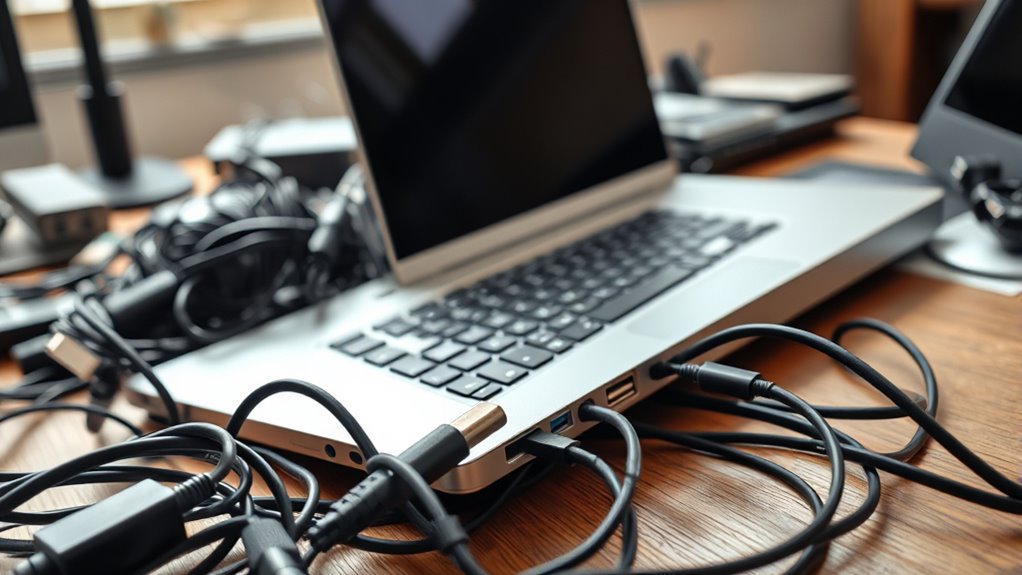
Affordable laptops often come with fewer connectivity options, which can be frustrating if you rely on multiple devices or accessories. Limited connectivity means you might find yourself constantly unplugging and switching cables, especially if your laptop lacks enough ports for your needs. Many budget models reduce the number of available ports, such as USB-A, HDMI, or SD card slots, to cut costs. This can force you to purchase adapters or hubs, adding to your expenses and inconvenience. Fewer ports also limit flexibility, making it harder to connect everything simultaneously. If you use external devices frequently, these restrictions can slow down your workflow. While these laptops save money upfront, the trade-off is often a less versatile setup, which may impact your productivity and convenience.
Shorter Lifespan and Reliability
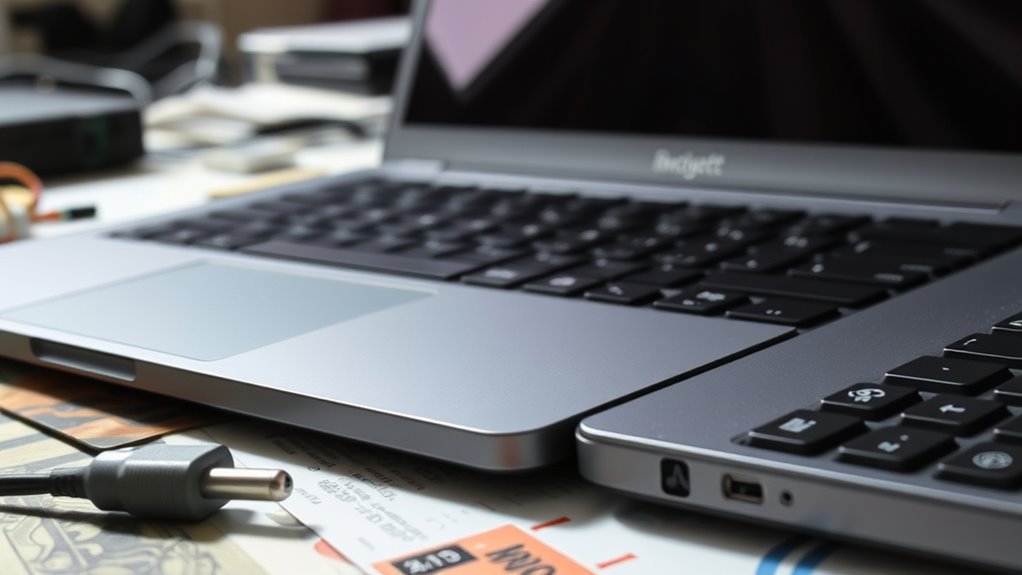
Lower-quality materials and simplified manufacturing processes mean cheaper laptops often don’t last as long or perform reliably over time. This shorter lifespan can lead to frequent breakdowns and reduced performance, causing frustration and additional costs. You may notice that your budget laptop slows down quickly or crashes unexpectedly. Reliability concerns also increase, meaning components like batteries or storage are more likely to fail early.
- Faster hardware deterioration
- Increased hardware failures
- Shorter overall lifespan
- Higher chances of sudden breakdowns
These issues make budget laptops less dependable, forcing you to replace or repair them sooner than you would with a higher-quality device. Ultimately, the reliability concerns can outweigh the initial savings, leading to more expenses down the line.
Potential Hidden Costs and Repairs

While cheap laptops may seem like a good deal upfront, they often come with hidden costs that can catch you off guard. These hidden costs include frequent repairs and replacements, which quickly add to the initial savings. Repair expenses for budget models tend to be higher because parts are cheaper and less durable, leading to more frequent breakdowns. To better understand the potential costs, consider this table:
| Issue | Cost of Repair | Likelihood |
|---|---|---|
| Broken screen | $50 – $150 | Common |
| Faulty battery | $30 – $70 | Moderate |
| Keyboard damage | $20 – $60 | Frequent |
| Hard drive failure | $40 – $100 | Possible |
Be prepared for these hidden costs—they can outweigh the initial savings quickly.
How to Choose the Right Budget Laptop
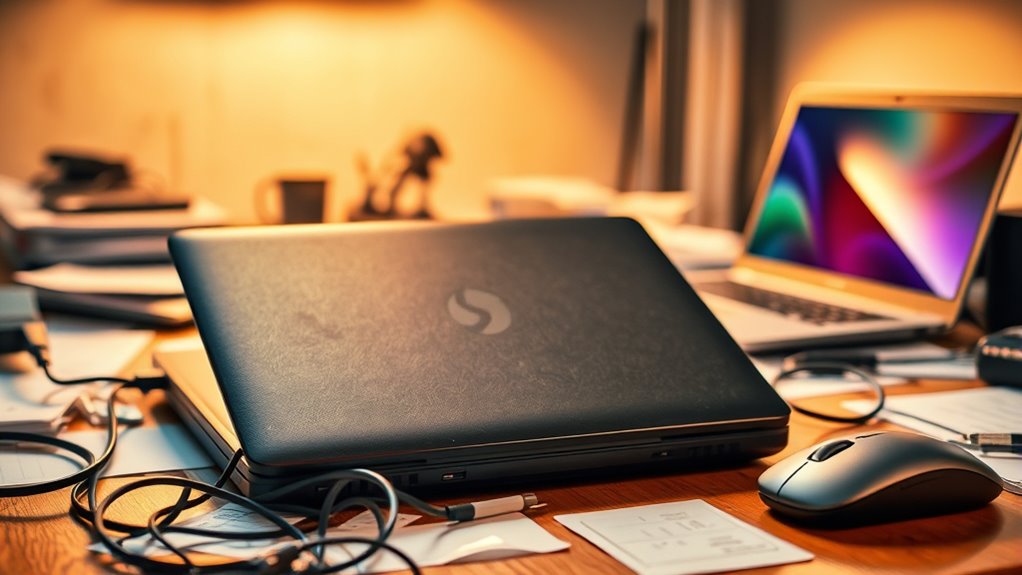
When choosing a budget laptop, you should focus on the key features that matter most to you, like battery life or performance. Setting a realistic budget helps narrow down your options without overspending. Be sure to research brand reliability to avoid surprises and guarantee your laptop lasts.
Prioritize Key Features
Choosing the right budget laptop starts with identifying your most important features. Focus on what matters most for your tasks. For example, if you need portability, prioritize battery efficiency to guarantee longer usage without frequent charging. If you’re planning to use specific software, check for software restrictions that might limit functionality or compatibility on cheaper models. Keep in mind these key features:
- Battery efficiency for all-day use
- Processing power suited for your tasks
- Storage capacity to hold your files
- Software restrictions that could hinder your workflow
Set a Realistic Budget
Setting a realistic budget is essential to guaranteeing you get the best value for your money. Start by evaluating your needs and then compare prices across different brands. A quick price comparison helps identify options that fit your budget without sacrificing essential features. Keep in mind that brand reputation often correlates with reliability and customer support. Choosing a well-reviewed brand within your price range can save you headaches later. Use this table to guide your decision:
| Budget Range | Key Consideration |
|---|---|
| $300 – $500 | Focus on basic features, reliable brands |
| $500 – $700 | Better performance, more storage |
| $700+ | Higher quality, more durability |
This approach keeps your expectations realistic and ensures you don’t overspend or settle for less than you need.
Research Brand Reliability
Once you’ve established your budget, it’s important to focus on the reliability of the brands you’re considering. A strong brand reputation and positive customer reviews can help you avoid issues down the line. To choose wisely, consider these factors:
- Research the brand’s overall reputation for quality and durability.
- Read customer reviews to identify common problems or praises.
- Check if the brand offers reliable customer support and warranty services.
- Compare the longevity and performance of models within your budget.
Frequently Asked Questions
Can a Cheap Laptop Handle Modern Gaming or Intensive Tasks?
A cheap laptop generally struggles with modern gaming performance and multitasking capability. You’ll likely face lag, low frame rates, and slower load times during gaming, and it may choke on multiple applications running simultaneously. Budget models often have weaker processors, limited RAM, and integrated graphics, which can’t handle intensive tasks well. If you want smooth gaming and efficient multitasking, investing in a mid-range or higher-end laptop is smart.
Are Budget Laptops Suitable for Professional or Creative Work?
Budget laptops aren’t the best choice for professional or creative work. Their build quality often feels flimsy, like it could fall apart at any moment, and software compatibility struggles with demanding applications. You might think you’re saving money, but in reality, you risk constant crashes and slow performance that hampers your productivity. For serious tasks, investing in a reliable machine is essential—you’ll thank yourself later for the better build quality and seamless software compatibility.
Do Inexpensive Laptops Come With Necessary Security Features?
Inexpensive laptops often lack advanced security features, but you can improve protection by installing reliable antivirus software. Some budget models include basic hardware encryption, but it’s usually limited compared to premium options. You should also consider adding external security measures like VPNs and strong passwords. While these laptops might not come with all security features built-in, proactive steps can help keep your data safe without breaking the bank.
How Often Do Budget Laptops Require Repairs or Replacements?
Budget laptops often need repairs or replacements within a year or two, mainly due to warranty issues and component durability. You might find yourself replacing or repairing the device more frequently than with higher-end models. Lower-quality parts tend to wear out faster, and limited warranties can leave you responsible for repair costs. So, if you plan to use your laptop intensively, be prepared for potential upkeep and shorter lifespan.
Are There Hidden Costs Associated With Maintaining a Cheap Laptop?
Yes, there are hidden costs with a cheap laptop, like warranty issues and ongoing software updates. You might face limited warranty coverage, leading to higher repair expenses, or struggle to get timely software updates, which can impact security and performance. These costs add up over time, making what seems like an affordable choice more expensive in the long run. Being aware of these hidden expenses helps you make smarter, more budget-conscious decisions.
Conclusion
Choosing a budget laptop is like walking a tightrope—you gain affordability but risk sacrificing performance and durability. If you accept the trade-offs, you might find a trusty companion for everyday tasks. But if you crave speed, quality, and longevity, investing a little more can turn your device into a reliable partner that stands the test of time. Weigh your needs carefully, and remember, sometimes the best deal isn’t the cheapest, but the one that lasts.
Fall Picks
fall essentials
As an affiliate, we earn on qualifying purchases.