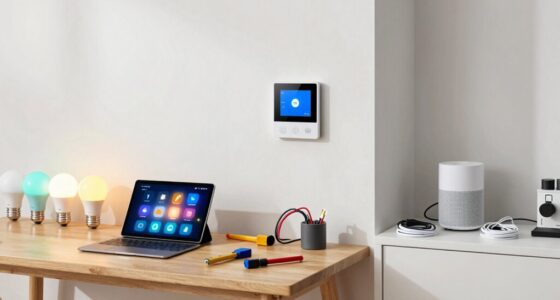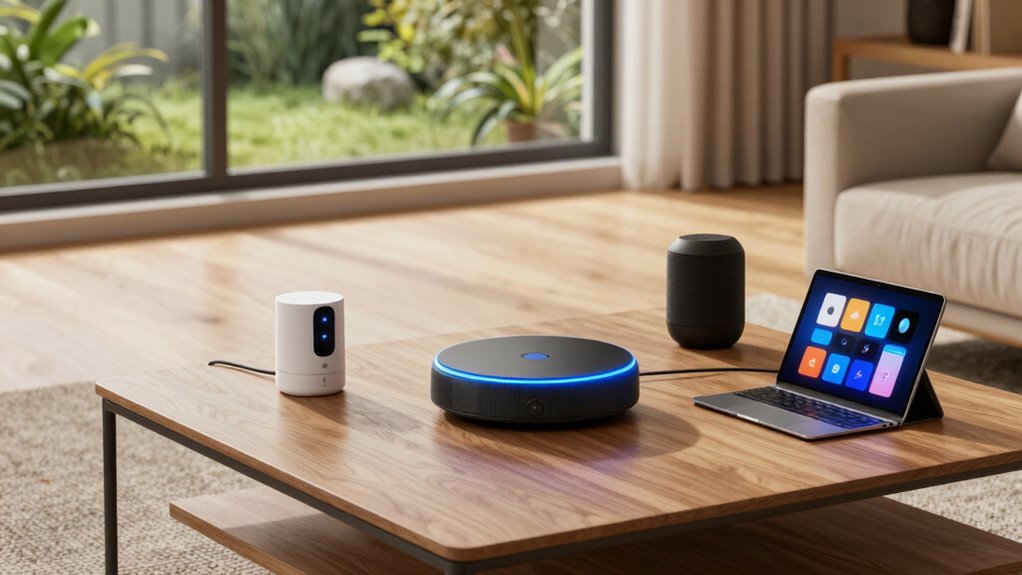
Deciding whether to use a smart home hub depends on your needs. A hub streamlines device control, automates routines, and enhances energy monitoring, making your smart home more intuitive. However, if your devices are compatible and work well together without one, managing multiple apps might suffice. Factors like device compatibility, costs, and privacy matter too. Want to find out which option suits your setup best? Keep exploring for more insights.

Get the latest gadgets delivered free with Prime
- Fast, free delivery on millions of items
- Prime Video, Amazon Music and more included
- Member-only deals all year
Key Takeaways
- Many devices can be managed directly via manufacturer apps or voice assistants, eliminating the need for a hub.
- A central hub simplifies control and automation but may introduce compatibility limitations and extra costs.
- If devices use common standards like Zigbee or Z-Wave, direct connection without a hub is often feasible.
- Managing multiple apps instead of a hub can be cost-effective and reduce setup complexity.
- Consider your device ecosystem, control preferences, and budget to determine if a hub is necessary.
Products Worth Considering

LG UltraGear 27-Inch QHD OLED Gaming Monitor, 240Hz, 0.03ms, G-SYNC Compatible, FreeSync Premium Pro, HDMI 2.1

Samsung 27-inch Odyssey OLED G6 QD-OLED QHD Gaming Monitor

Samsung 27-Inch Odyssey QD-OLED G8 4K 240Hz Gaming Monitor
As an affiliate, we earn on qualifying purchases.
Understanding the Role of a Smart Home Hub
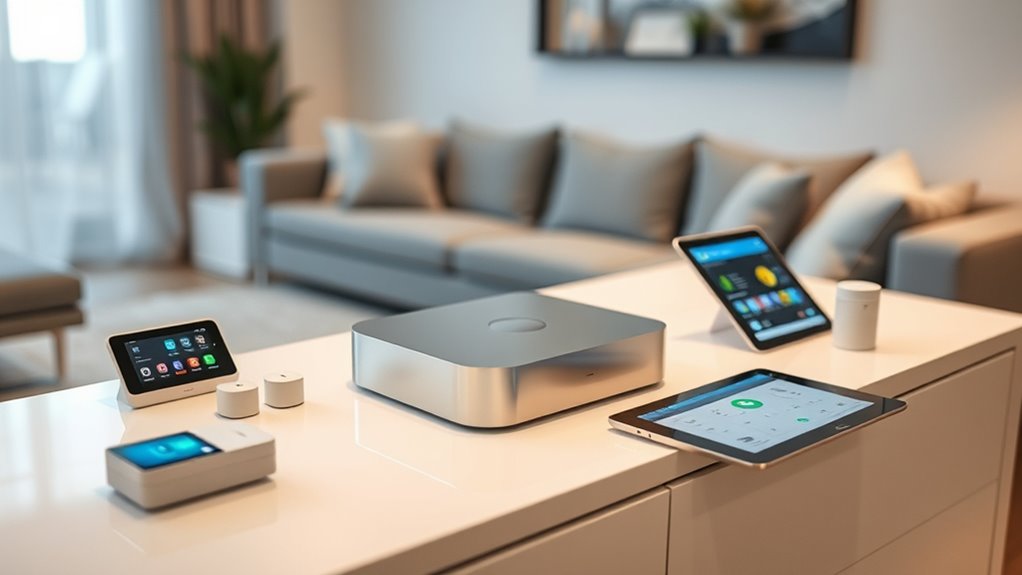
Ever wondered what a smart home hub actually does? It acts as the central brain, connecting and managing all your smart devices seamlessly. With a hub, you can control everything through a single app or voice command, making your smart home more intuitive. Voice control becomes effortless because the hub interprets your commands and directs compatible devices accordingly. Plus, many hubs offer energy monitoring features, giving you insights into your energy usage across devices. This can be especially helpful for optimizing your overall energy consumption, which is increasingly important in sustainable living. For example, integrating a centralized control system can further streamline your smart home management by automating routines and enhancing connectivity. Additionally, some hubs support local automation, allowing your system to operate efficiently even without an internet connection. When considering a smart home hub, it’s also worth exploring compatibility, to ensure your existing devices will work smoothly within the system. Instead, high-quality projectors designed for home theaters can greatly enhance your viewing experience, especially when combined with proper setup and calibration. Instead of juggling multiple apps or devices, a hub simplifies your smart home experience by integrating everything into one streamlined system. It’s designed to make controlling and monitoring your smart devices straightforward and efficient.
Benefits of Using a Central Hub

Using a central hub simplifies managing your smart home by unifying all your devices into one accessible system. It enhances convenience and control, letting you operate multiple devices seamlessly. With a hub, you can enjoy:
A central hub unifies your smart devices, making management easier and more convenient.
- Improved voice control, enabling you to command your entire smart home effortlessly.
- Better energy monitoring, allowing you to track and optimize your energy consumption in real-time.
- Simplified automation, so routines and schedules run smoothly without needing multiple apps or devices. Ease of use is a key benefit, as a hub reduces the complexity of managing numerous devices individually.
A hub acts as the brain of your smart home, making it easier to coordinate devices and respond quickly to your commands. It streamlines your smart home experience, saving time and reducing frustration while increasing efficiency. Financial education can help you make smarter decisions about investing in smart home technology, ensuring your investments support your broader financial goals. Additionally, understanding connected device compatibility ensures you select a hub that works seamlessly with your existing and future smart devices. Considering home automation setup can also improve your overall experience by making routine tasks more efficient and tailored to your needs. Moreover, knowing about smart device protocols helps you choose a hub that communicates effectively across different brands and technologies.
Challenges and Limitations of Smart Home Hubs
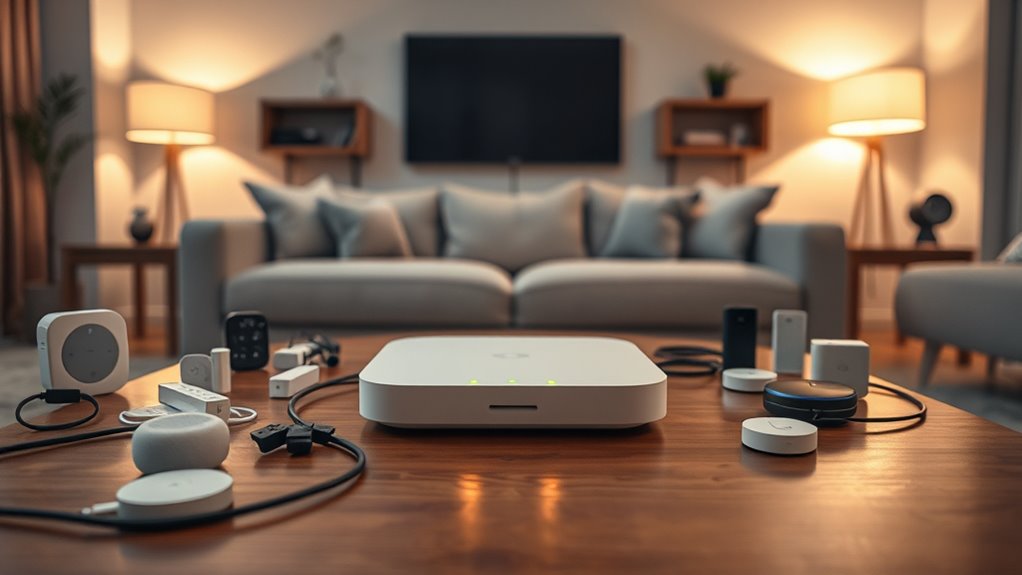
While smart home hubs offer convenience, they also come with challenges you need to contemplate. Compatibility constraints can limit your device choices, and adding more gadgets can increase both complexity and cost. Additionally, issues like latency and reliability may affect how smoothly your system operates. Moreover, the privacy policies associated with hubs can impact how your data is collected and used.
Compatibility Constraints Limit Choices
Compatibility constraints can substantially narrow your options when choosing a smart home hub. Platform limitations and brand restrictions often mean your devices need to fit specific ecosystems, limiting flexibility. You might find that a hub supports some brands but excludes others, forcing you to stick with certain manufacturers. This can make expanding your system more challenging and costly.
Consider these restrictions:
- Only compatible with select smart devices and brands.
- Limited integration across different ecosystems.
- Dependence on platform updates and vendor support.
These constraints can hinder your ability to create a fully integrated smart home, forcing compromises on device choices or additional hardware. Before investing, evaluate whether a hub’s compatibility aligns with your existing or planned devices.
Increased Complexity and Cost
Choosing a smart home hub can seem straightforward at first, but it often leads to increased complexity and higher costs. Managing multiple devices through a single hub requires extra setup and ongoing maintenance, which can be confusing. Voice control features add convenience but also raise concerns about user privacy, as your voice data might be stored or shared. Additionally, hubs often come with additional expenses, including purchase costs, subscription fees, and the need for compatible accessories. As your smart home grows, troubleshooting becomes more complicated, and you might encounter compatibility issues that force you to replace or upgrade hardware. Furthermore, interoperability challenges can limit your device options and hinder seamless integration. Overall, while hubs promise streamlined control, they can complicate your setup and inflate costs, making them less appealing if simplicity and budget are your priorities.
Latency and Reliability Issues
Smart home hubs can introduce significant latency issues that disrupt your experience. Increased network latency can cause delays in device responses, making your smart devices feel sluggish. Poor signal reliability may result in devices dropping offline or not responding when you need them most. To minimize these issues, consider these challenges:
- Network congestion slows down communication between devices and the hub.
- Weak Wi-Fi signals can cause inconsistent device performance.
- Overloaded hubs struggle to process multiple commands simultaneously, increasing delays.
- Proper power tool setup and maintenance can help ensure your network equipment remains reliable and minimizes interference.
- Additionally, network bandwidth limitations can further impact the responsiveness of your smart home setup.
These problems highlight that relying on a hub can compromise the quick, reliable operation you expect from your smart home. If your network isn’t stable, your devices may lag or disconnect, reducing overall satisfaction and effectiveness.
When a Hub Might Be Unnecessary
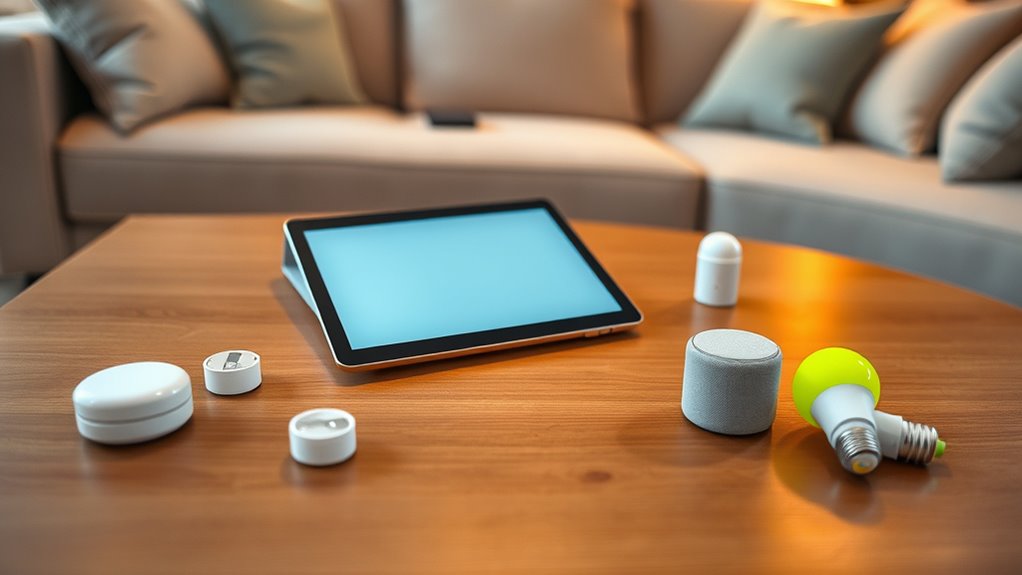
If your devices are compatible and work well together without a hub, you might not need one. Relying on multiple apps can keep your setup simple and manageable. Plus, skipping the hub can save you money without sacrificing functionality. Additionally, understanding home‑automation setup can help you determine whether a hub is truly necessary for your smart devices. For example, knowing how device interoperability works can clarify whether a centralized hub offers real benefits for your specific system. Recognizing individual device capabilities can also inform your decision about integrating multiple gadgets without a hub. Moreover, having strong attention to detail ensures that your setup remains efficient and reliable. Familiarity with network stability can further influence whether a hub is beneficial, especially if your Wi-Fi network can support multiple devices seamlessly.
Device Compatibility Simplifies Setup
When devices from different brands share common communication standards, setting up a smart home becomes much simpler without the need for a hub. Compatibility means you can connect devices directly, reducing setup time and avoiding extra hardware. This also streamlines voice command integration, allowing you to control multiple devices effortlessly. Additionally, fewer apps mean less concern about user privacy, as you’re not relying on a central hub that could collect more data. To maximize this setup:
- Choose devices supporting the same standards like Zigbee or Z-Wave.
- Verify compatibility with your voice assistant.
- Use secure, encrypted connections for added user privacy.
This approach makes your smart home more straightforward, with fewer points of failure and enhanced privacy. You get quick setup, seamless control, and better protection of your data.
Multiple Apps Can Suffice
Many users find that managing multiple smart home devices directly through dedicated apps can be just as effective as using a central hub. With voice assistants like Alexa or Google Assistant, you can control devices across different apps with simple voice commands. This setup reduces the need for an additional hub and keeps things straightforward. However, security concerns might arise if you’re juggling multiple apps, as each one could be a potential vulnerability. It’s important to ensure your devices and apps are regularly updated and secured. While managing multiple apps requires switching between them, it often offers more flexibility and easier troubleshooting than a hub. If you prefer simplicity and aren’t overwhelmed by separate apps, this approach can be a perfectly viable solution.
Cost Savings Are Notable
Skipping a dedicated smart home hub can save you a significant amount of money, especially if your setup remains simple. Without a hub, you avoid extra hardware costs and ongoing maintenance fees. Additionally, you can achieve energy savings by directly controlling devices through apps, reducing standby power. DIY installation becomes easier and more affordable, as you don’t need professional help or complex configurations.
Here are three ways cost savings add up:
- No need to buy a central hub, reducing initial expenses.
- Less energy wasted by managing devices individually.
- Simplified setup minimizes troubleshooting costs and time.
Alternative Solutions for Smart Device Integration
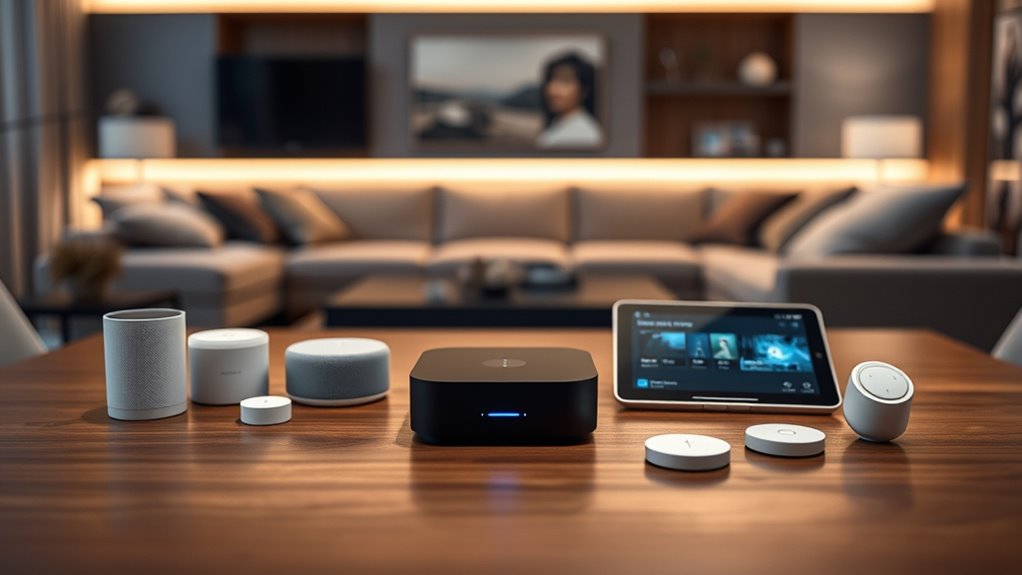
If you’re looking to integrate smart devices without investing in a dedicated hub, there are several effective alternatives. Voice assistants like Amazon Alexa, Google Assistant, or Apple’s Siri serve as central control points, allowing you to manage multiple devices through simple voice commands. These assistants rely on cloud integration, meaning your devices communicate with each other via the internet rather than a physical hub. Many smart devices are designed to connect directly to your Wi-Fi network, eliminating the need for a dedicated hub. Additionally, some manufacturers offer their own apps for seamless device management. By leveraging voice assistants and cloud-based solutions, you can create a flexible, scalable smart home setup that’s easy to control and expand without the extra hardware investment. Cloud-based integration enables devices to communicate smoothly without a central hub, simplifying setup and management. This approach often provides greater compatibility across different brands and platforms, enhancing your overall smart home experience.
Making the Right Choice for Your Smart Home
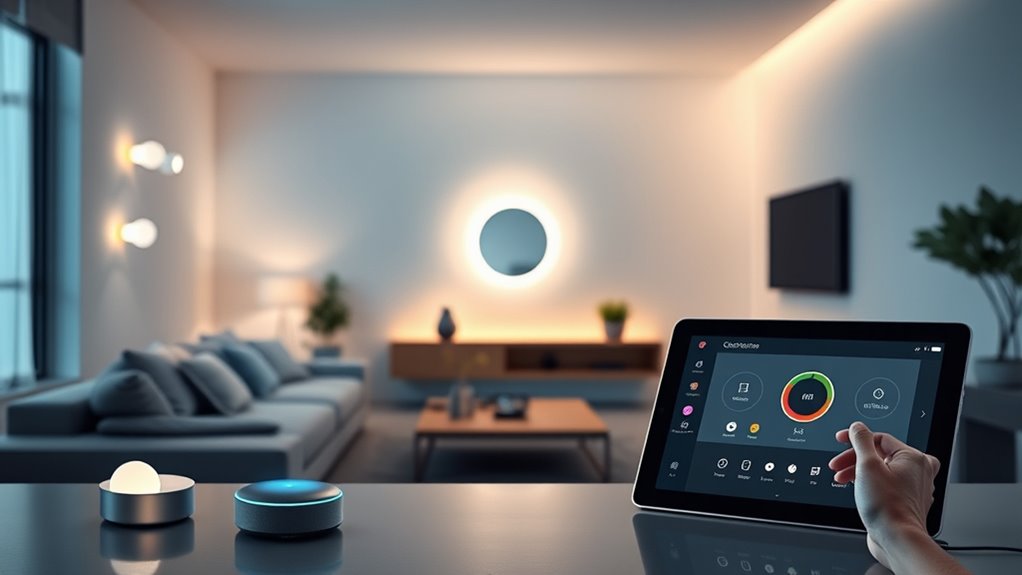
Choosing the right smart home setup depends on your specific needs, budget, and technical comfort level. To make the best choice, consider these factors:
- Voice control: Decide if you want seamless voice commands, which require compatible devices and a central hub or platform.
- Data security: Guarantee your setup prioritizes data privacy, especially if you plan to store sensitive information or use cloud services.
- Compatibility: Check if your devices work well together or if you need a hub to unify diverse brands and protocols.
If you’re comfortable with DIY setups and prioritize security, a hub might be unnecessary. Conversely, if you prefer simplicity and integrated voice control, a hub could streamline your smart home experience.
Frequently Asked Questions
Can I Connect My Smart Devices Without a Hub?
Yes, you can connect your smart devices without a hub using wireless connectivity like Wi-Fi or Bluetooth. Just verify your devices are compatible with your existing network and each other. Many smart gadgets, such as smart bulbs or plugs, work directly through your smartphone app without needing a hub. This setup simplifies your smart home, but double-check device compatibility to avoid connectivity issues later on.
Are Hubs Compatible With All Smart Home Brands?
Hubs aren’t compatible with all smart home brands, so you need to verify brand compatibility before buying. You want seamless device interoperability, but some hubs work better with specific brands or ecosystems. Research which hubs support your devices, look for compatibility lists, and guarantee they connect smoothly. This way, you get reliable performance, easy integration, and a cohesive smart home experience without frustration or limitations.
How Secure Are Smart Home Hubs Against Hacking?
Smart home hubs are generally secure against hacking when you use strong wireless encryption and keep firmware updates current. Regularly updating your hub’s firmware patches vulnerabilities, reducing risks. Additionally, using secure Wi-Fi networks with WPA3 encryption and strong passwords further enhances security. While no system is completely invulnerable, taking these steps makes your smart home less attractive to hackers, giving you peace of mind.
Do Hubs Require Ongoing Technical Maintenance?
Do hubs require ongoing technical maintenance? Absolutely. You’ll need to keep firmware updates current to patch security vulnerabilities and improve performance. Plus, managing power efficiently ensures your hub stays responsive without wasting energy. Think about it—neglecting these tasks can lead to connectivity issues or security risks. Regularly checking for updates and optimizing power management keeps your smart home running smoothly and securely, so stay proactive with maintenance.
What’s the Cost Comparison Between Hub-Based and Hubless Setups?
You’ll find that hub-based setups typically cost more upfront because you need to buy the hub itself, plus compatible devices. In contrast, hubless systems often have lower initial costs since you connect devices directly to your Wi-Fi or Bluetooth. For budget planning, consider ongoing expenses like updates or replacements. Overall, hubless setups tend to be more affordable initially, but hub-based systems can offer better scalability and integration over time.
Conclusion
Think of your smart home as a bustling city. A hub acts like the central station, coordinating everything smoothly. But if your neighborhood is small and simple, you might get by without it, just like a quiet street without a station. Whether you need that central point depends on your home’s size and complexity. Weigh your options carefully—sometimes, a well-connected neighborhood thrives without the need for a grand station.