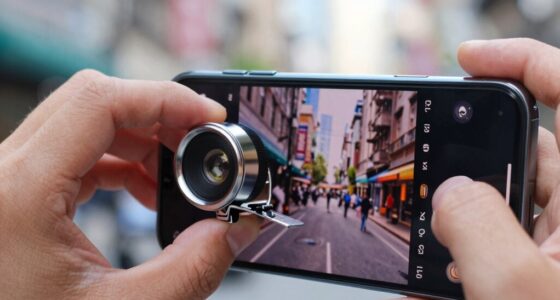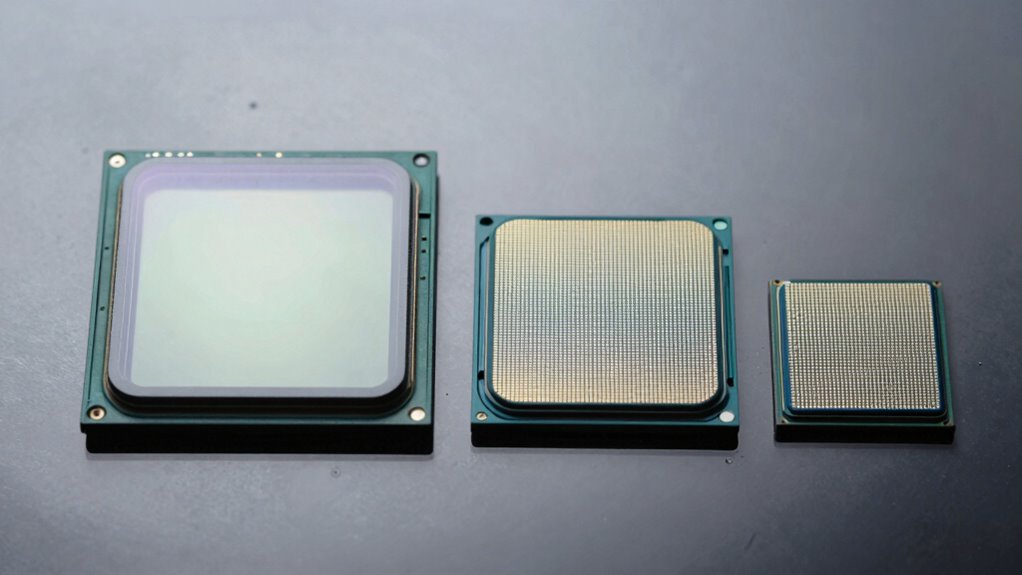

Camera sensor sizes affect your image quality, depth of field, low-light performance, and overall look. Full-frame sensors offer the best quality with excellent light sensitivity and shallow depth of field, while APS-C sensors strike a balance with affordability and reach. Phone sensors are compact but still advancing quickly in detail and low-light capabilities. Each size has pros and cons; if you wanna know more, you’ll discover how these differences shape your photos.

Get the latest gadgets delivered free with Prime
- Fast, free delivery on millions of items
- Prime Video, Amazon Music and more included
- Member-only deals all year
Key Takeaways
- Larger sensors (full frame) capture more light, resulting in better image quality, low-light performance, and greater depth of field control.
- APS-C sensors are smaller but offer a balance of good image quality, portability, and increased zoom reach due to crop factor.
- Phone sensors are the smallest, enabling compact devices, but use advanced technology to improve image quality despite size limitations.
- Sensor size impacts artistic effects like background blur and bokeh, with larger sensors providing more creative control.
- Cost, size, and portability influence sensor choice, with larger sensors typically offering superior performance at higher prices.
What Are Camera Sensor Sizes and Why Do They Matter?
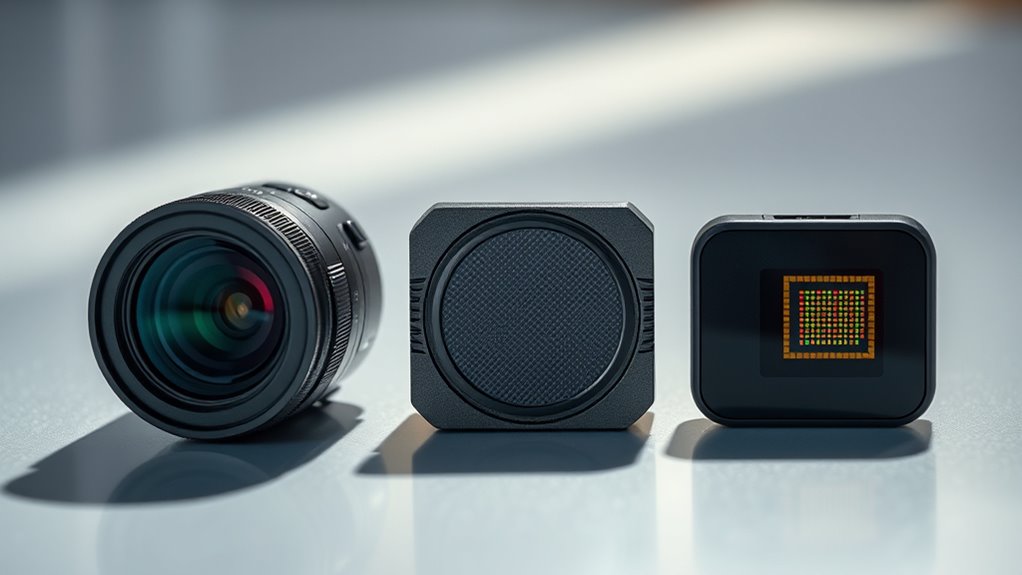
Understanding camera sensor sizes is essential because they directly influence your photos’ quality and characteristics. Sensor manufacturing involves precise processes to create sensors of different sizes, which impacts light capture and image clarity. Larger sensors tend to gather more light, resulting in better low-light performance and dynamic range. Sensor calibration is vital during manufacturing, ensuring each sensor accurately records colors and details. Variations in size affect depth of field, noise levels, and overall image sharpness. Recognizing these factors helps you choose the right camera for your needs. Smaller sensors are typically easier to produce and more compact, but may sacrifice some image quality. By understanding how sensor manufacturing and calibration contribute to sensor size, you gain insight into the strengths and limitations of various cameras. Additionally, sensor consistency plays a crucial role in maintaining image quality across different devices and conditions, especially when integrated with smart home systems that rely on consistent imaging for security and automation.
Full-Frame Sensors: The Gold Standard in Photography
With a full-frame sensor, you get image quality that’s sharp, detailed, and true to life. It performs much better in low-light conditions, helping you capture clear shots without excessive noise. These advantages make full-frame sensors the preferred choice for photographers who want the best results. Additionally, high dynamic range allows for capturing scenes with both bright highlights and dark shadows more effectively. Understanding sensor size can also influence your ability to achieve specific creative effects, such as shallow depth of field, which is more easily attainable with larger sensors. Moreover, a larger sensor often provides a wider field of view, giving you more expansive compositions in your images.
Superior Image Quality
Full-frame sensors are widely regarded as the gold standard for achieving superior image quality in photography. Their larger size allows for better light collection, resulting in sharper images with richer detail. Advanced sensor manufacturing guarantees high-quality pixels that handle dynamic range and color accuracy exceptionally well. When combined with sophisticated image processing, full-frame sensors deliver clearer images with minimal noise, even at higher ISO settings. This makes them ideal for capturing fine details in demanding conditions. Here’s a quick comparison:
| Feature | Full-Frame | APS-C | Phone Sensors |
|---|---|---|---|
| Sensor Size | Largest | Medium | Smallest |
| Light Gathering | Superior | Good | Limited |
| Image Processing Tech | Advanced | Moderate | Basic |
| Noise Performance | Excellent | Good | Fair |
| Detail & Sharpness | Highest | Good | Limited |
Your choice of sensor impacts your image quality profoundly.
Better Low-Light Performance
Because of their larger size, full-frame sensors excel at capturing more light, which considerably boosts their performance in low-light conditions. This advantage comes from improved sensor technology that enhances light sensitivity, allowing you to shoot clearer images with less noise. Larger sensors have bigger pixels, meaning each pixel can gather more photons, resulting in better detail and color accuracy in dim environments. This increased light sensitivity helps you avoid using high ISO settings that often introduce grain. As a result, full-frame cameras deliver sharper, more vibrant images even when lighting is limited. Whether you’re shooting indoors or at night, the superior sensor technology of full-frame sensors ensures you get better low-light photos without sacrificing quality.
APS-C Sensors: The Popular Choice for Enthusiasts
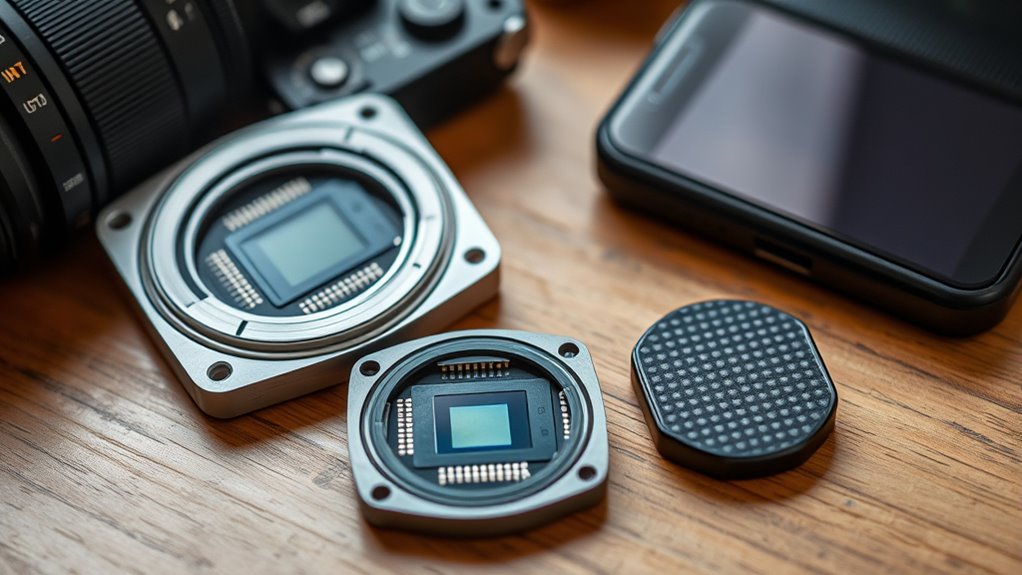
APS-C sensors have become the go-to choice for many photography enthusiasts due to their balance of image quality, size, and affordability. They strike a good compromise between the larger full-frame sensors and smaller smartphone sensors. During sensor manufacturing, precision calibration guarantees these sensors perform reliably, capturing sharp images with accurate colors. APS-C sensors typically have a crop factor, giving you more reach with telephoto lenses, which is ideal for wildlife or sports photography. Their smaller size makes camera bodies lighter and more portable without sacrificing too much image detail. You can find plenty of affordable lenses designed specifically for APS-C sensors, making them accessible for hobbyists and semi-professionals alike. Overall, their versatility and performance make APS-C sensors a popular choice among enthusiasts.
Smartphone Sensors: Compact Yet Capable
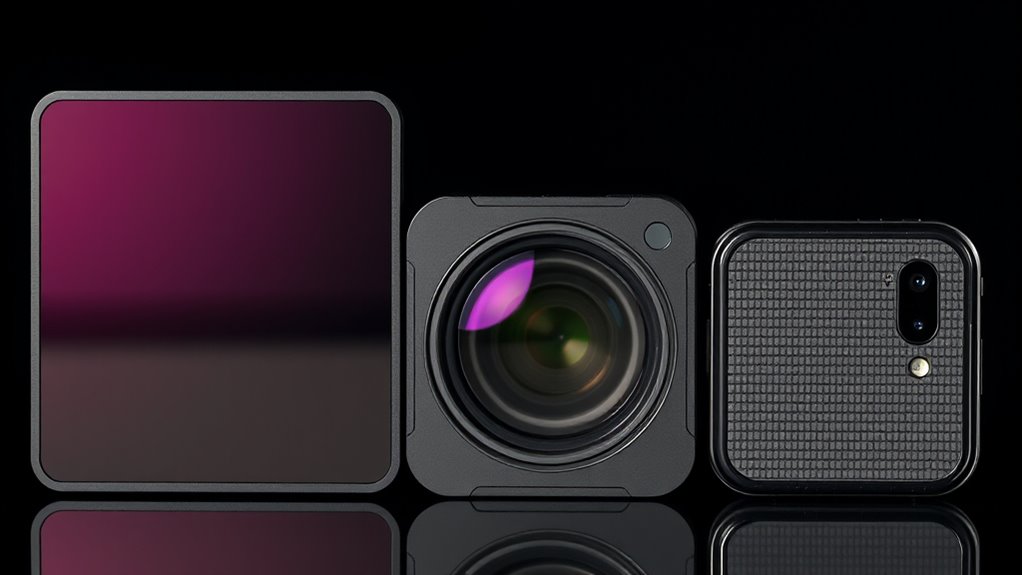
Smartphone sensors offer the advantage of a compact design that fits easily in your hand, making photography more accessible. Despite their small size, high pixel density helps capture detailed images, but it can also affect low-light performance. Understanding how these factors interplay helps you get the most out of your smartphone camera in different conditions. Additionally, advancements in sensor technology, such as increased sensor size, can significantly improve image quality and performance in various environments. Recognizing the impact of sensor size on overall image quality empowers you to choose devices that better meet your photographic needs. Furthermore, sensor technology continues to evolve, enabling smartphones to bridge the gap with larger camera systems.
Compact Design Advantages
The compact size of smartphone sensors offers significant advantages, making them ideal for slim, lightweight devices you can carry easily. This sensor miniaturization allows manufacturers to design thinner phones without sacrificing core camera functions. Smaller sensors enable better device integration, ensuring the camera components fit seamlessly within tight spaces. As a result, your phone remains sleek while still providing capable photography. The reduced sensor size also helps cut down on overall device weight, enhancing portability. Plus, compact sensors require less power, which can extend battery life during photo capture. This combination of size, efficiency, and integration means you get a highly portable device that balances convenience with impressive camera performance. It’s a design choice that prioritizes user comfort without compromising on features.
Pixel Density Impact
How does pixel density influence the quality of photos captured by compact sensors? Higher sensor pixel density means more pixels packed into a limited space, which can boost image resolution. This allows your smartphone to capture finer details, making images sharper and more detailed. However, increasing pixel density can also lead to smaller individual pixels, potentially reducing light sensitivity and affecting overall image quality in certain conditions. Despite this, modern smartphone sensors optimize pixel arrangements to maximize detail without sacrificing too much light capture. So, a higher sensor pixel density generally improves image resolution, giving you clearer, more detailed photos. Additionally, understanding sensor size can help you evaluate how pixel density impacts overall image quality in different devices, especially considering factors like phantom tax that can influence cost and investment in technology. Recognizing the importance of sensor technology can further clarify how advancements help mitigate issues related to high pixel density, including the role of intricate details, and how sensor design innovations enhance overall performance.
Low-Light Performance
Ever wondered how compact sensors manage to deliver decent photos in low-light conditions? It’s impressive, but they face challenges like increased sensor noise, which can make images grainy. To combat this, smartphones rely heavily on advanced image stabilization—both optical and digital—to keep shots sharp even when you’re holding the camera steady. Additionally, software processing helps reduce noise and brighten dark areas without sacrificing detail. While smaller sensors naturally gather less light than larger ones, these technological tricks improve low-light performance considerably. Still, they can’t fully match the clarity of larger sensors, but for everyday photography, smartphone cameras today are surprisingly capable, thanks to smart stabilization and noise reduction techniques. Moreover, innovations in sensor technology continue to push the boundaries of what compact sensors can achieve in challenging lighting conditions.
Comparing Image Quality Across Sensor Sizes
While larger sensor sizes generally produce better image quality, understanding the specifics can help you make informed decisions. Larger sensors capture more light, which results in cleaner images with less noise, especially in low-light conditions. However, sensor manufacturing and calibration are essential to achieving ideal results across sizes. Well-calibrated sensors ensure accurate color and exposure, regardless of size. Proper calibration is crucial for consistent performance across different sensor sizes. Additionally, advancements in sensor technology continue to improve image quality even in smaller sensors, making them more competitive. Manufacturers are also working on noise reduction algorithms to enhance low-light performance across all sensor types. The development of sensor calibration techniques plays a vital role in standardizing performance and image quality. To compare image quality, consider this table:
| Sensor Size | Noise Level | Color Accuracy | Dynamic Range | Low-Light Performance |
|---|---|---|---|---|
| Phone | High | Moderate | Limited | Moderate |
| APS-C | Moderate | Good | Better | Good |
| Full Frame | Low | Excellent | Wide | Excellent |
This shows that larger sensors generally provide superior image quality, but calibration and manufacturing also play indispensable roles.
Depth of Field and Bokeh: How Sensor Size Influences Artistic Effect

Sensor size not only affects image quality but also has a significant impact on depth of field and the artistic effect of your photos. Larger sensors, like full frame, allow you to create a shallow depth of field, producing a beautiful background blur known as bokeh. This helps isolate your subject and adds a professional, dreamy quality to your images. Smaller sensors, such as those in smartphones, tend to have greater depth of field, keeping more of the scene in focus and reducing bokeh effects. Your choice of sensor size influences how much you can manipulate depth of field for artistic purposes. Additionally, understanding sensor size differences can help you select the right camera for your desired visual style, whether it’s sharpness, background blur, or overall image quality. By understanding these differences, you can better craft photos that evoke the mood and visual impact you desire.
Low-Light Performance and Noise Levels
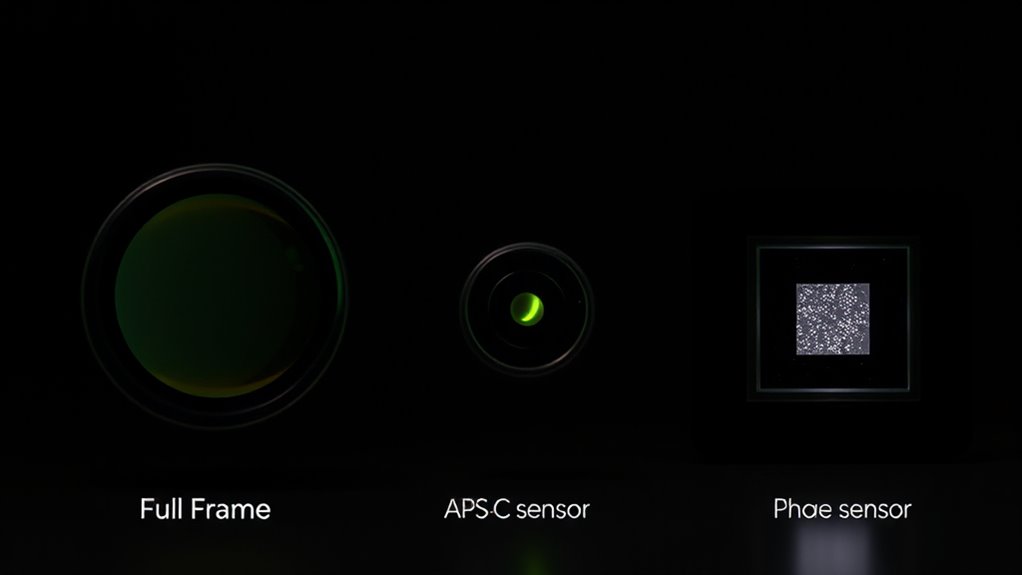
Larger sensors generally excel in low-light conditions because they can gather more light, resulting in clearer images with less noise. This means your photos will maintain detail and color accuracy even in dim environments. When you push your camera’s ISO performance higher, smaller sensors tend to produce more sensor noise, which appears as grain or speckles, reducing image quality. Full-frame sensors, with their bigger surface area, effectively minimize sensor noise at higher ISO settings, allowing you to shoot in darker settings without sacrificing clarity. Conversely, smaller sensors like those in phones or compact cameras often struggle with noise when ISO is boosted, leading to grainier images. Understanding this helps you choose the right camera for low-light photography and manage your expectations for noise levels across different sensor sizes. Sensor size plays a crucial role in determining low-light performance and noise levels, influencing your overall image quality. Additionally, advances in sensor technology have improved noise reduction capabilities even in smaller sensors, but the fundamental differences still influence your results. Moreover, the quality of the lens also impacts low-light performance by allowing more light to reach the sensor.
Cost, Size, and Portability: Choosing the Right Sensor for You
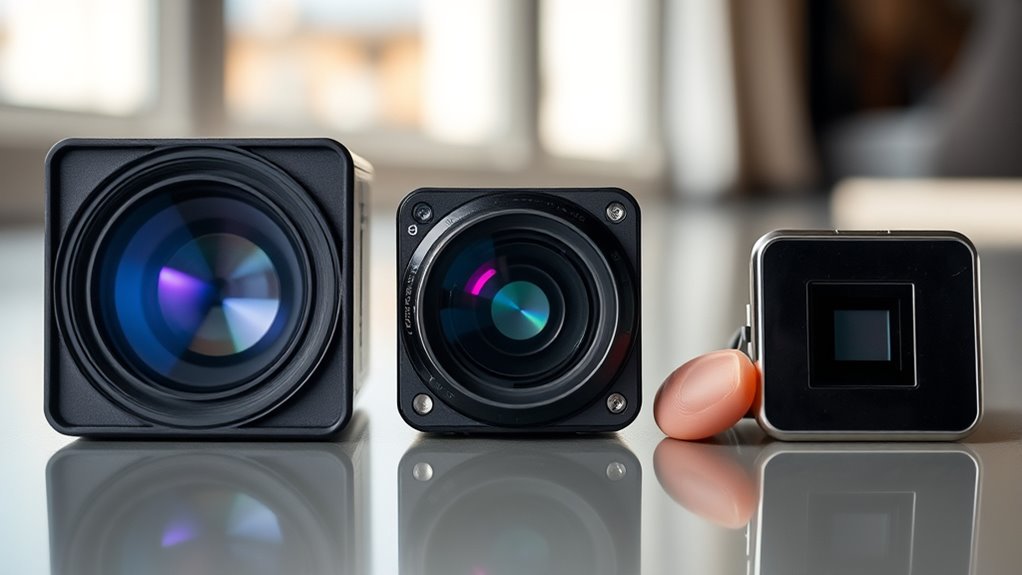
Choosing the right camera sensor involves balancing your budget, portability needs, and how you plan to use your camera. Smaller sensors, like those in phones and compact cameras, tend to have lower manufacturing costs, making them more affordable and portable. However, sensor compatibility can be limited if you want to upgrade lenses or accessories. Larger sensors, such as full-frame, usually come with higher costs, both in manufacturing and purchasing, but offer better image quality and low-light performance. If portability is your priority, a smaller sensor device might suit you best. If budget is a concern, consider how much you’re willing to spend on accessories and future compatibility. Understanding sensor sizes can help you anticipate potential limitations in field‑of‑view and imaging scale for your astrophotography or imaging projects. Additionally, larger sensors often provide a broader dynamic range, which is beneficial for capturing scenes with high contrast. Exploring sensor technology can also reveal how advancements influence modern camera performance and image processing capabilities.
Future Trends in Camera Sensor Technology
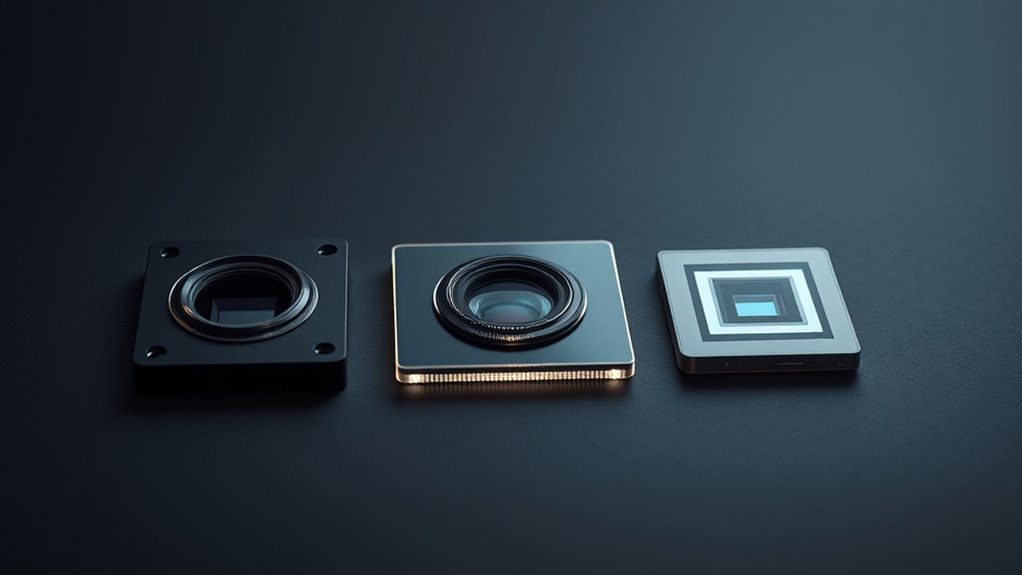
Advancements in camera sensor technology are rapidly transforming the photography landscape, with innovations focused on improving image quality, speed, and versatility. Sensor innovation is at the forefront of these changes, with future advancements likely to include higher resolution sensors, better low-light performance, and faster data processing. Expect new materials and designs that enable smaller, more efficient sensors without sacrificing quality. These improvements will make cameras more adaptable for a variety of applications, from professional photography to smartphones. You’ll see increased integration of AI-driven features that enhance image capture and processing. As sensor technology continues to evolve, your ability to capture stunning images will become more seamless, with future sensors delivering even more impressive performance in a compact form.
Frequently Asked Questions
How Does Sensor Size Affect Autofocus Performance?
Sensor size directly impacts your autofocus performance by affecting autofocus speed and sensor sensitivity. Larger sensors typically enable faster autofocus because they gather more light, making it easier for your camera to lock focus quickly. Smaller sensors may struggle with low-light conditions, slowing down autofocus. So, if you want quick, reliable autofocus, choosing a camera with a larger sensor can greatly improve your experience, especially in challenging lighting.
Can Smaller Sensors Achieve Professional-Grade Images?
Yes, smaller sensors can achieve professional-grade images, but it depends on factors like sensor resolution and image noise. Higher resolution sensors capture more detail, helping you produce sharp, high-quality images. However, smaller sensors often struggle with more image noise, especially in low light. To get professional results, choose a camera with a high-resolution sensor and good noise reduction, and learn how to optimize settings for your shooting conditions.
What Maintenance Is Required for Different Sensor Sizes?
Think of your camera sensor as a delicate garden that needs regular care. You should perform sensor cleaning and dust removal to keep it pristine, especially after changing lenses or shooting in dusty environments. Use a blower or specialized wipes gently, avoiding harsh chemicals. Regular maintenance guarantees sharp images and prevents dust spots, just like tending a garden keeps flowers blooming beautifully. Your effort keeps your camera performing at its best.
How Do Sensor Sizes Influence Lens Compatibility?
Sensor sizes directly impact lens compatibility because different sensor sizes require specific lens mount compatibility and have varying sensor depth. You need to choose lenses designed for your camera’s sensor size to guarantee proper fit and ideal image quality. A lens made for full-frame sensors may not fit APS-C or phone sensors, and vice versa. Always check your camera’s lens mount and sensor size to select compatible lenses for sharp, clear photos.
Are Larger Sensors More Durable Than Smaller Sensors?
You might think larger sensors are more durable, but sensor durability and lifespan depend more on build quality and handling than size. While bigger sensors often have more delicate components, careful use and proper maintenance extend their lifespan. Ultimately, sensor durability isn’t solely about size—it’s about how well you protect and care for your camera, ensuring your sensor stays functional regardless of whether it’s full frame or a compact phone sensor.
Conclusion
As you explore camera options, you’ll notice how sensor sizes shape your images—like a painter choosing brushes. Whether it’s the expansive full-frame capturing sweeping landscapes or a phone sensor slipping into your pocket, each size offers unique advantages. Recognize that your choice influences depth, noise, and portability. When you spot a stunning photo, remember it’s the perfect blend of sensor size and your creative vision that makes it happen.
Fall Picks
fall essentials
As an affiliate, we earn on qualifying purchases.