
To protect your hearing, set your device volume below 60% of the maximum to prevent damage. Use built-in volume limiters, safe listening features, and noise-canceling headphones to stay within safe levels, especially during long sessions. Adjust individual app settings and activate alerts for volume overload. Regularly taking breaks and monitoring sounds helps maintain hearing health. Keep exploring for practical tips to guarantee your ears stay safe over time.
Key Takeaways
- Keep device volume below 60% of maximum to reduce the risk of hearing damage during extended use.
- Use built-in safe listening features or apps that set volume limits and provide alerts for loud sounds.
- Enable automatic volume regulation or noise-canceling modes to maintain safe listening levels in noisy environments.
- Regularly check and adjust device settings to ensure volume remains within recommended safe limits.
- Incorporate ear protection and take listening breaks to further safeguard your hearing health.

EVEO Screen Cleaner Spray - Large Screen Cleaner Bottle - TV Screen Cleaner, Computer Screen Cleaner, for Laptop, Phone, Ipad - Computer Cleaning kit Electronic Cleaner (1 Pack)
Screen Cleaner is Your Screen’s New Bestfriend! - EVEO is proud to present a screen cleaner that’s perfectly...
As an affiliate, we earn on qualifying purchases.
Understanding Safe Listening Levels

Understanding safe listening levels is essential to protecting your hearing. Excessive noise exposure can harm your hearing health over time, leading to permanent damage or hearing loss. To keep noise levels safe, aim to listen at 60% or lower of your device’s maximum volume. If you find yourself needing higher volumes to hear comfortably, it’s a sign that noise exposure around you might be too loud. Protecting your hearing involves being aware of how loud your environment is and limiting your exposure. Remember, even short bursts of loud sound can cause damage. Staying within safe listening levels helps preserve your hearing health for the future, ensuring you can enjoy sounds and conversations without fear of long-term harm. Jobs in fields like AI ethics focus on safeguarding human well-being, emphasizing the importance of managing risks like noise exposure. Being mindful of sound levels and taking regular breaks can further reduce the risk of hearing damage. Additionally, understanding sound exposure limits can help you better manage your listening habits and protect your hearing over time. Regularly checking and adjusting your device’s volume is a simple way to stay within safe listening thresholds and avoid unintentional damage. Being aware of noise-induced hearing loss and how it develops can also motivate you to maintain safer listening practices.

iO CLEAN Screen Cleaner Spray (16oz - 473ml) – Best Large Cleaning Kit
Screen cleaner spray and cloth. Screen cleaner spray and cloth are designed for high-end devices and work flawlessly...
As an affiliate, we earn on qualifying purchases.
Adjusting Volume on Smartphones and Tablets

Adjusting the volume on your smartphone or tablet is a simple yet important step in protecting your hearing. Most devices offer volume customization options, allowing you to set safe listening levels easily. To do this, explore your device-specific settings; for example, many smartphones have volume sliders, sound equalizers, or health features that alert you if volume gets too high. Use these controls to keep volume below 60% of the maximum, especially during prolonged use. Turning down the volume or using headphones with built-in volume limiters can further reduce risk. Regularly modifying your device settings ensures you stay within safe listening ranges, helping prevent hearing damage over time. Additionally, device-specific safety features can provide real‑time alerts when volume levels become potentially harmful. Always be mindful of volume levels, and make use of your device’s customizable options to protect your hearing effectively. Incorporating proper listening habits can also make a significant difference in long-term hearing health. Being aware of common repair issues with audio devices can help you troubleshoot if sound problems arise over time. Proper maintenance and cautious use are key to avoiding damage caused by excessive volume, ensuring your device remains safe for your hearing over the years. Regularly checking for software updates can also enhance safety features and improve overall device performance.

DRAWBELL Replacement Battery for Kobo Glo H Aura H2O, Pocketbook 631 Touch HD, Barnes & Noble Nook Glowlight Plus 2015 BNRV510, Compatible with Pocketbook PR-285083 and Barnes & Noble PR-285083
Before purchasing this replacement part, please read the "Product Description" for this product to see if it matches...
As an affiliate, we earn on qualifying purchases.
Setting Volume Limits on Computers
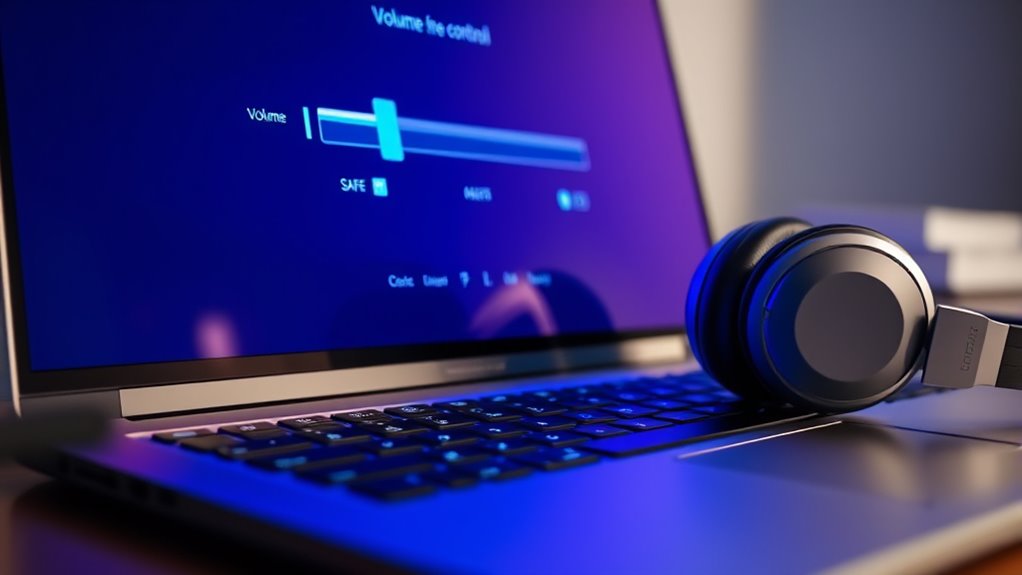
Setting volume limits on your computer is an effective way to prevent hearing damage, especially during long listening sessions. Many computers offer built-in options for volume customization, allowing you to set a maximum volume level that suits your safety needs. This feature helps guarantee you don’t accidentally crank up the sound too loud. To enable this, check your system settings or accessibility options, as they often include volume control features compatible with different devices. Keep in mind that device compatibility varies, so some computers might require third-party software for more advanced volume limiting. Setting these limits not only protects your hearing but also promotes responsible listening habits, giving you peace of mind during extended computer use. Additionally, understanding industry trends can help you stay informed about new tools and techniques for safe listening, including audio technology advancements that improve sound management and hearing protection. Staying aware of sound level standards can also guide you in setting appropriate volume restrictions to further safeguard your hearing. For example, some devices now incorporate automatic volume regulation features that adjust sound based on ambient noise levels, enhancing safety without constant manual adjustments. Exploring hearing health guidelines can further support your efforts to maintain safe listening practices.

Cameron Sino New 1500mAh Replacement Battery for Kobo Aura, Glo HD, H2O
As an affiliate, we earn on qualifying purchases.
Managing Audio in Music Players and Streaming Apps
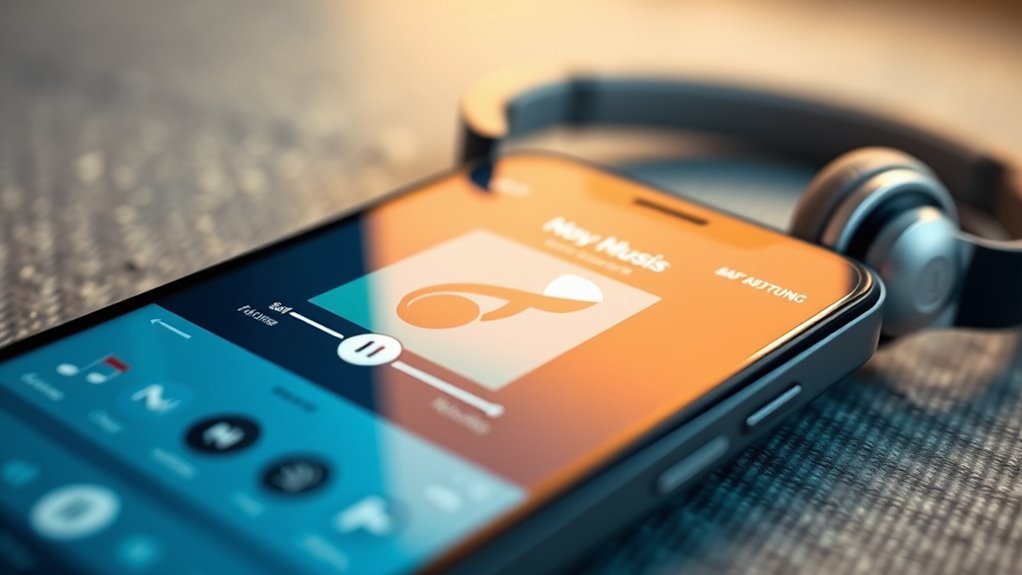
When using music players and streaming apps, you can protect your hearing by adjusting volume limits and enabling safe listening features. These tools help prevent your ears from being exposed to loud sounds for too long. Taking a moment to set these controls can make a big difference in maintaining your hearing health. Additionally, understanding modern kitchen technology can help you stay informed about innovative ways to incorporate safety features into your daily routines. Being aware of sound exposure guidelines can further assist you in making informed decisions about safe listening durations and volume levels. Recognizing personal hearing safety practices can empower you to take control of your auditory health in various environments, and knowing how to identify sound sources can help you avoid unexpectedly loud noises. Practicing safe tool operation when adjusting audio devices can also prevent accidental exposure to sudden loud sounds.
Adjust Volume Limits
Have you ever wondered how loud is too loud when listening to music or streaming your favorite shows? Adjusting volume limits helps protect your hearing by preventing your device from exceeding safe levels. Many music players and streaming apps offer options for volume customization, so you can set a maximum volume that suits your comfort and safety. Make sure to check your device compatibility, as not all devices have the same features. By setting these limits, you reduce the risk of accidental loud sounds that can damage your ears over time. It’s a simple step that gives you control over your listening experience while keeping your hearing safe. Take a few moments to explore your device’s settings and establish a healthy volume ceiling today. Being aware of safe listening practices can further enhance your hearing protection efforts. Remember, volume moderation is key to maintaining long-term auditory health and enjoying your favorite audio without harm. Additionally, understanding sound levels can help you better evaluate what constitutes a safe listening environment for you.
Use Safe Listening Features
Using safe listening features in your music players and streaming apps is an effective way to protect your hearing. Many apps include volume limiters, timers, and automatic volume reduction, helping you maintain safer sound levels. These tools support hearing conservation by preventing exposure to dangerously loud sounds over extended periods. If you enjoy sound therapy, these features allow you to listen at comfortable, safe volumes, ensuring your auditory health remains intact. Regularly activating and customizing these settings helps you stay within recommended volume guidelines, reducing the risk of hearing damage. Incorporating safe listening features into your routine empowers you to enjoy music and audio content responsibly while safeguarding your hearing for the future.
Using Ear Protection and Noise-Canceling Devices

Wearing ear protection and noise-canceling devices can greatly reduce your exposure to harmful sounds. Choosing the right type, like earplugs or headphones, depends on your environment and needs. Proper usage guarantees you get the full benefit and keep your hearing safe.
Types of Ear Protection
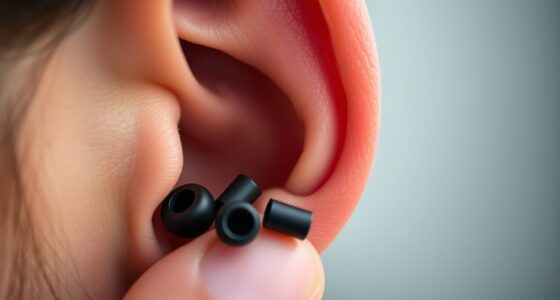
When it comes to protecting your hearing, choosing the right ear protection or noise-canceling device is essential. There are various earplug types, including foam, silicone, and wax, each offering different levels of comfort and noise reduction. Foam earplugs are affordable and disposable, ideal for temporary use. Silicone earplugs provide a snug fit and are reusable, suitable for frequent wear. Wax earplugs mold easily to your ear shape, offering a comfortable and effective seal. Ear muff options include standard passive muffs, which fit over your ears and block noise physically, and electronic muffs that amplify quiet sounds while filtering out loud noise. Selecting the right type depends on your activity, comfort preferences, and noise exposure level.
Benefits of Noise Cancelling
Noise-canceling devices and ear protection considerably reduce your exposure to harmful sounds, helping to safeguard your hearing health. These devices block or diminish background noise, allowing you to enjoy safer listening levels and avoid volume spikes that can damage your ears. Noise cancelling technology enhances hearing benefits by filtering out unnecessary sounds, making conversations clearer and music more enjoyable without increasing volume.
| Benefit | Description |
|---|---|
| Reduced Noise Exposure | Limits loud sounds, lowering risk of hearing damage. |
| Enhanced Listening | Clarifies audio, reducing the need to turn up volume. |
| Comfort & Convenience | Allows for prolonged use without discomfort. |
Proper Usage Techniques
Using ear protection and noise-canceling devices correctly guarantees you get the maximum benefit from their protective features. Start by properly calibrating your device’s volume; avoid setting it too high, which can still cause damage. Adjust the volume to a safe level, ideally below 60% of the maximum, and test for comfort before prolonged use. Pay attention to headset ergonomics—ensure your ear protection fits snugly without causing discomfort or pressure. Proper fit not only enhances noise cancellation but also prevents gaps that let in harmful sound levels. Regularly check and readjust your device to maintain ideal noise reduction. By combining correct volume calibration with good headset ergonomics, you protect your hearing effectively and enjoy a safer, more comfortable listening experience.
Recognizing Signs of Hearing Fatigue and Damage

Recognizing the signs of hearing fatigue and damage is essential for protecting your long-term hearing health. If you notice ear fatigue after prolonged listening, it might be a sign to lower your volume. Listening fatigue can cause your ears to feel full, tired, or even muffled. Hearing loss signs, such as difficulty understanding speech or ringing in your ears, should never be ignored. Keep an eye out for:
Protect your hearing: watch for fatigue, muffled sounds, ringing, and discomfort after loud noise exposure.
- Persistent ringing or buzzing (tinnitus)
- Sudden difficulty hearing certain sounds
- Ear discomfort or pain after exposure to loud noise
These symptoms indicate your ears are strained or damaged. Addressing them early helps prevent long-term harm and preserves your hearing ability. Stay vigilant and listen to your body’s signals to protect your hearing now and in the future.
Tips for Maintaining Hearing Health Over Time
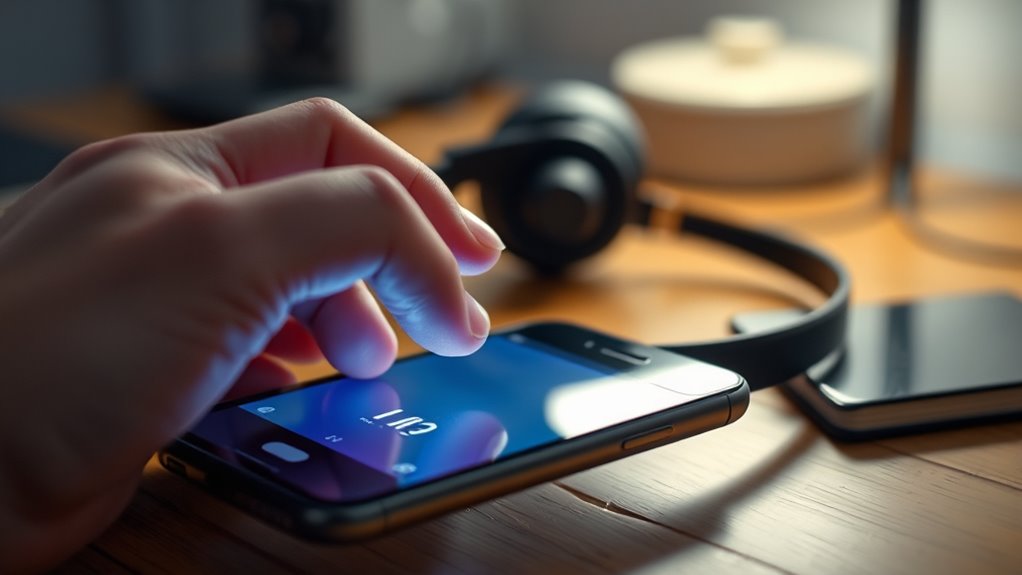
Taking proactive steps to protect your hearing can make a significant difference over time. Incorporate regular hearing conservation practices, such as wearing ear protection in noisy environments and keeping volume levels in check. Consider engaging in music therapy, which can help strengthen your auditory system and promote relaxation without risking damage. Prioritize breaks during extended periods of listening to prevent fatigue and damage. Maintain a healthy lifestyle, including proper nutrition and avoiding ototoxic substances, to support hearing health. Regular hearing check-ups enable early detection of issues, allowing for prompt intervention. Staying aware of your listening habits and making adjustments ensures your hearing remains healthy for years to come. These simple, consistent strategies help preserve your hearing and enhance your overall well-being.
Frequently Asked Questions
How Do Different Environments Affect Safe Volume Levels?
Different environments impact your safe volume levels because background noise and environmental noise vary. In noisy places like cafes or streets, you need to raise your device volume to hear clearly, but this can harm your hearing if it’s too loud. When in quieter settings, keep the volume lower to protect your ears. Always adjust your device based on the noise level around you to prevent long-term damage.
Can Hearing Damage Occur Instantly or Only Over Time?
Hearing damage can strike like lightning in a clear sky—either instantly or gradually over time. While loud noises can cause instant damage, often it’s the gradual loss from repeated exposure that sneaks up on you. You might not notice the harm right away, but over months or years, your hearing could weaken silently. Protect your ears now, because both sudden blasts and ongoing noise can permanently harm your hearing.
Are There Specific Devices Recommended for Hearing Protection?
You should consider using noise-canceling headphones or high-quality earplug types for hearing protection. Noise-canceling headphones effectively block out loud sounds, making them ideal for noisy environments, while earplugs provide a portable, discreet option. Both are recommended, especially if you’re exposed to loud noises regularly. Choose devices with good reviews and proper fit to guarantee maximum safety and comfort. Always follow manufacturer guidelines for proper use.
How Often Should I Have My Hearing Checked Professionally?
Think of your ear health as a garden that needs regular tending. You should have your hearing checked professionally at least once a year, especially if you’re exposed to loud noise regularly. This helps catch any early signs of damage from noise exposure and keeps your ears in top shape. Don’t wait for problems to arise—regular check-ups guarantee your hearing remains sharp and healthy over time.
Do Age or Pre-Existing Conditions Influence Safe Listening Practices?
Yes, your age and pre-existing conditions impact safe listening practices. As you age, you’re more prone to age-related hearing loss, making it vital to keep volume levels low. If you have pre-existing conditions like ear infections or hearing impairment, you should be especially cautious. Always listen at a safe volume, take regular breaks, and consult with an audiologist to protect your hearing health effectively.
Conclusion
By keeping your volume in check, you’re steering clear of hidden dangers lurking in everyday sounds. Think of your hearing as a delicate garden—protect it from harsh, unchecked noise, and it’ll flourish for years to come. Remember, small adjustments now can prevent a silent storm of damage later. Stay mindful of your listening habits, and your ears will thank you with clear, vibrant sounds that brighten every moment of your life.