To track your workouts effectively, avoid common mistakes like not wearing your device correctly, which can lead to inaccurate data. Make sure to calibrate the tracker properly and check your settings often. Don’t rely solely on the device for calorie estimates—use manual logs or other tools to get a clearer picture. Remember to sync your data regularly and pay attention to rest and recovery info to prevent overtraining. Keep these tips in mind to improve your tracking success.
Key Takeaways
- Ensure proper device placement and snug fit to obtain accurate workout data.
- Regularly calibrate and adjust device settings for personalized and precise measurements.
- Don’t rely solely on the tracker; combine with manual logs and heart rate data.
- Sync data frequently to avoid gaps and keep your progress up-to-date.
- Monitor rest and recovery metrics to prevent overtraining and optimize progress.
Not Wearing the Device Correctly
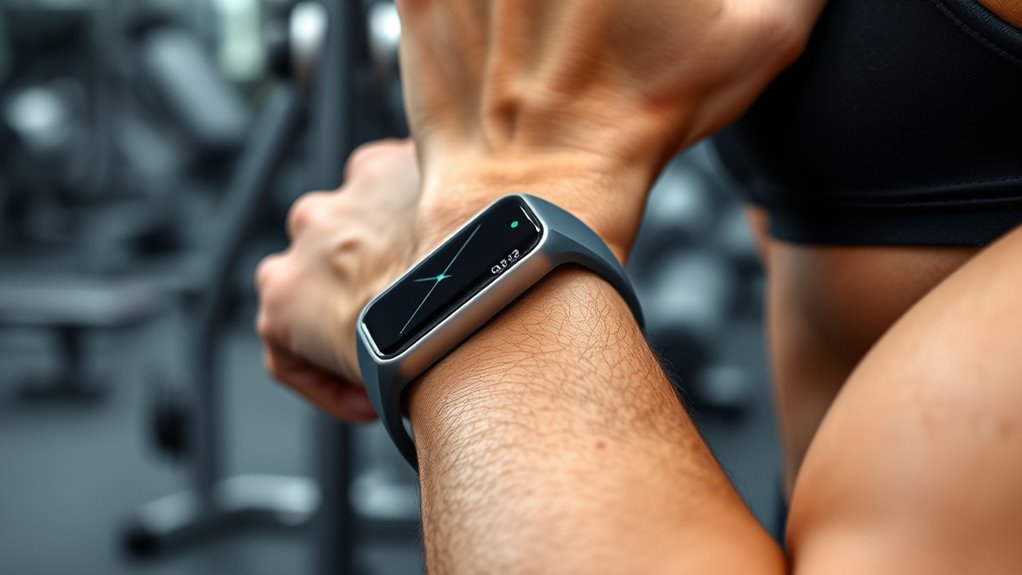
If you don’t wear your fitness device properly, the data it records can become inaccurate or misleading. Proper device placement is vital—wear it too loose or too tight, and it won’t track your activity correctly. Make sure the device sits snugly against your skin, not moving around during your workout. Strap tightness is essential; a loose strap can cause inconsistent readings, while one that’s too tight may restrict circulation or cause discomfort. Aim for a secure fit that stays in place without feeling constrictive. Position the device where it can best monitor your movement, typically on your wrist or arm, depending on the device. Correct placement and appropriate strap tightness ensure you get accurate, reliable data to track your fitness progress effectively. Remember that accurate data depends on consistent and proper device use, so take the time to adjust your device correctly before each workout. Additionally, understanding the importance of sensor technology helps in ensuring the device functions optimally during your activities. Proper device placement also minimizes the risk of data discrepancies caused by improper positioning. Paying attention to wearing technique can further improve the accuracy of your measurements and overall tracking performance. Regularly calibrating your device can also help maintain measurement accuracy over time.
Ignoring Calibration and Settings
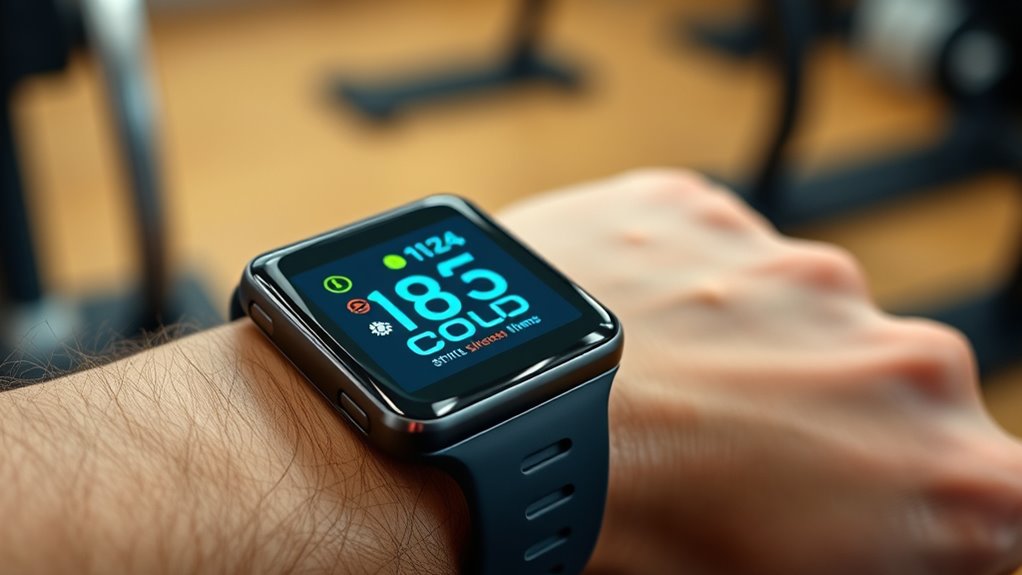
Even if you’ve positioned your device correctly, overlooking calibration and settings can still skew your workout data. Proper device calibration ensures your tracker measures accurately, while setting adjustments tailor the device to your unique body and activity. Ignoring these steps can lead to:
- Misleading progress reports that dampen motivation
- Overestimating or underestimating calories burned
- Skewed heart rate readings causing unnecessary concern
- Incorrect step counts impacting your goals
- Frustration from inconsistent data that erodes trust in your tracker
Taking the time to calibrate your device and fine-tune settings isn’t just a technical step—it’s a commitment to accurate tracking. Properly configured devices also help prevent measurement errors that could otherwise compromise your workout data. Without it, your workout data might mislead you, making it harder to see real progress and stay motivated. Device calibration ensures your tracker maintains consistent and reliable measurements over time.
Relying Solely on the Tracker for Calories

Relying solely on your fitness tracker to estimate calories burned can lead to inaccuracies that skew your overall understanding of progress. Calorie estimation varies based on device algorithms, sensor quality, and personal data input, affecting tracking accuracy. Even the most advanced trackers can’t perfectly account for variables like intensity, body composition, or effort level. If you depend only on your device’s calorie counts, you might overestimate or underestimate your actual energy expenditure. This misrepresentation can impact your nutrition and workout decisions, hindering progress. To improve accuracy, combine tracker data with other methods like manual logs, heart rate monitoring, or nutritional tracking. Remember, fitness trackers are tools to guide you, not definitive sources of calories burned. Relying solely on them can lead to misguided conclusions about your fitness journey. Accurate data collection from multiple sources is essential for a comprehensive understanding of your fitness progress.
Forgetting to Sync Data Regularly
Forgettting to sync your workout data regularly can create gaps in your tracking, leading to incomplete or outdated information. If your sync frequency is inconsistent, you risk losing vital insights into your progress. Data consistency is key to understanding trends and adjusting your routines effectively. When you forget to sync, you might miss important workout details, which hampers your ability to analyze performance. Integrating your fitness tracker with smart home automation can help remind you to sync regularly and keep your data up to date. Regular synchronization also supports software quality assurance by ensuring your data remains accurate and reliable. Additionally, setting up automatic sync features can minimize the chances of forgetting altogether. This consistency is especially crucial for accurate data analysis and goal tracking over time. Establishing a routine for syncing also helps prevent data discrepancies that can occur from manual errors. Feel frustrated when your data doesn’t match your efforts. Miss out on motivating progress updates. Waste time trying to piece together incomplete info. Risk making poor decisions based on outdated data. Lose confidence in your tracker’s accuracy. Sticking to a routine ensures your data stays current and reliable, helping you stay motivated and on track toward your fitness goals.
Overlooking Rest and Recovery Data
Overlooking rest and recovery data can hinder your understanding of your overall progress. Recovery metrics, including rest periods, are essential to avoid overtraining and optimize performance. Without tracking these, you may push too hard or underestimate fatigue. To interpret recovery effectively, consider this table:
| Rest Periods | Impact on Performance | Warning Signs |
|---|---|---|
| Short | Increased fatigue | Persistent soreness |
| Adequate | Improved strength | Restlessness |
| Long | Reduced gains | Loss of motivation |
Additionally, understanding the importance of recovery can help prevent injury and burnout, ensuring sustainable progress over time. Recognizing how adequate rest supports muscle repair and mental well-being is crucial for long-term success. Incorporating proper recovery strategies into your routine can significantly enhance your overall fitness journey. Being aware of rest and recovery data allows you to fine-tune your training plan for optimal results and reduce the risk of setbacks. Paying attention to these metrics can also foster better training consistency, which is key to long-term achievement.
Frequently Asked Questions
How Do I Ensure My Device Fits Properly During Workouts?
To guarantee your device fits properly during workouts, focus on strap placement and device sizing. Adjust the strap snugly but comfortably, so it stays in place without restricting movement or blood flow. Make sure the device is sized correctly for your wrist, not too tight or loose. Regularly check the fit during your workout and readjust as needed to maintain accurate tracking and comfort.
Can Incorrect Calibration Affect My Fitness Progress?
Incorrect calibration can definitely impact your fitness progress, as it skews data like distance and calories burned. To avoid this, make certain proper device maintenance and regularly check calibration accuracy. When your tracker isn’t calibrated correctly, you might overestimate or underestimate your efforts, making it harder to track improvements accurately. Keep your device updated and calibrated to get precise readings, so you know you’re progressing and staying on target.
Are There Better Methods Than Trackers for Estimating Calorie Burn?
You might find manual logging or metabolic testing more accurate than fitness trackers. While trackers provide convenience, they often misestimate calorie burn, especially during intense activities. Manual logging lets you record workouts and food intake precisely, and metabolic testing measures your actual energy expenditure directly. These methods can give you a clearer picture of your progress, helping you make better adjustments and stay motivated.
How Often Should I Sync My Fitness Data for Accuracy?
You should sync your fitness data at least once a day to guarantee data accuracy. Regular sync frequency helps prevent data loss and keeps your workout records current. If you work out multiple times daily or have a busy schedule, consider syncing after each session for the most precise tracking. Consistent syncing minimizes discrepancies, giving you a clear picture of your progress and making it easier to adjust your fitness plan effectively.
Why Is Rest and Recovery Data Important for My Training Plan?
Rest and recovery data are vital because they help you understand your muscle recovery, ensuring your body heals properly after workouts. By monitoring this, you can prevent overtraining, which reduces injury risk and improves performance. Incorporating rest data into your training plan allows you to balance exercise and recovery, leading to better results and fewer setbacks. Prioritizing recovery helps keep your muscles healthy and ready for the next workout.
Conclusion
Remember, even the best tools are only as good as how you use them. Don’t let common mistakes hold you back from reaching your fitness goals. Wear your tracker correctly, keep it calibrated, and sync regularly. Avoid relying solely on calorie counts and don’t forget about rest and recovery. As the saying goes, “A chain is only as strong as its weakest link.” Stay mindful, stay consistent, and watch your progress soar.