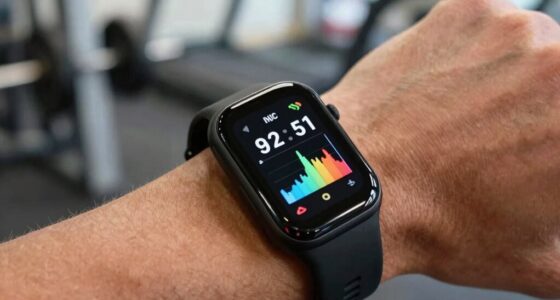
Wearables track your sleep by analyzing signals like heart rate, movement, and sometimes skin temperature to identify sleep stages such as REM and deep sleep. They use sensors like accelerometers and heart rate monitors to gather data, which is then interpreted with algorithms to give insights into your sleep patterns. While some limitations exist due to sensor sensitivity and device accuracy, understanding how these devices work can help you use them more effectively. Keep exploring to learn more details.
Key Takeaways
- Wearables analyze physiological signals such as brain waves, heart rate, and movement to determine sleep stages.
- Accelerometers detect body movements and position changes to assess sleep quality and identify wakefulness.
- Heart rate sensors monitor variations during sleep, indicating different sleep phases like REM and deep sleep.
- Ambient light and temperature sensors provide additional context to improve sleep stage accuracy.
- Data interpretation algorithms classify sleep stages, duration, and patterns to give users insights into their sleep health.
Top picks for "sleep track explain"
Open Amazon search results for this keyword.
As an affiliate, we earn on qualifying purchases.
How Wearables Detect Sleep Phases
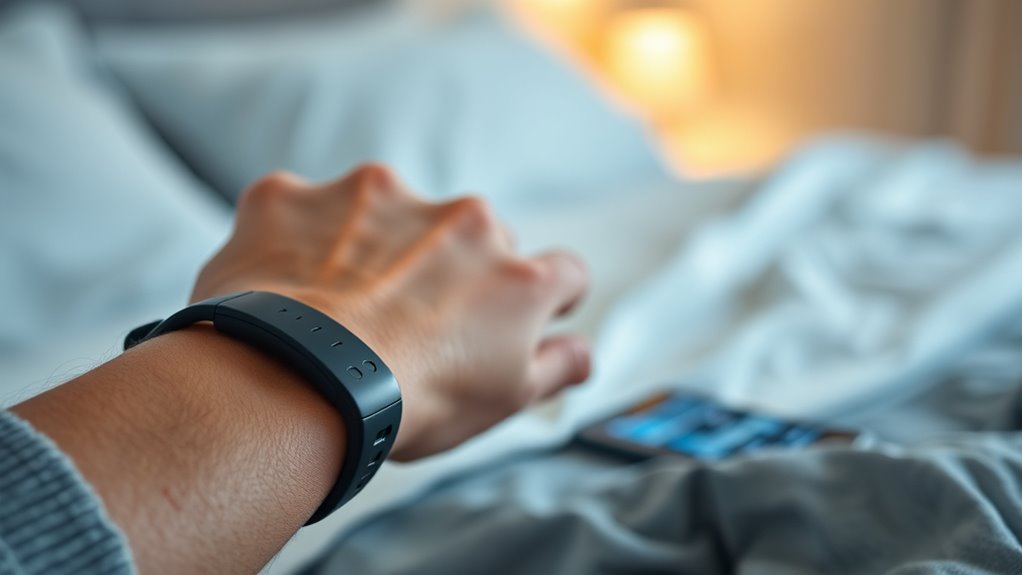
Wearables detect sleep phases primarily by monitoring your body’s physiological signals. As you sleep, your brain goes through different stages in the sleep cycle, each characterized by unique brain waves. These devices analyze variations in brain activity, heart rate, and movement to identify when you shift between light, deep, and REM sleep. For instance, during REM sleep, your brain waves resemble wakefulness, while deep sleep features slow, synchronized waves. By tracking these signals continuously, wearables can determine which sleep phase you’re in at any given moment. This process allows for a detailed overview of your sleep quality, helping you understand your sleep patterns better. The combination of brain wave analysis and other physiological data makes sleep phase detection accurate and insightful. Additionally, understanding the field‑of‑view and imaging‑scale helps improve the accuracy of interpreting physiological signals during sleep. Recognizing the importance of sensor placement can further enhance the reliability of sleep monitoring data. Incorporating multi-sensor fusion techniques can also boost the precision of sleep stage identification by integrating data from various sources. Moreover, advances in data processing algorithms are crucial for interpreting complex physiological data accurately. Employing machine learning models can further refine the classification of sleep stages, making the monitoring even more precise.
Sensors Behind Sleep Monitoring Technology
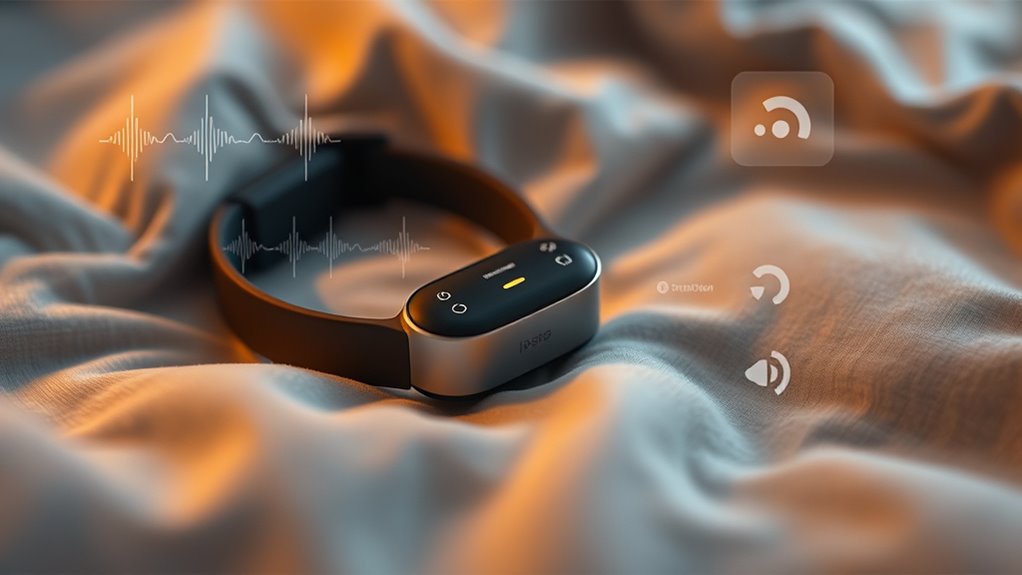
To accurately monitor your sleep, devices rely on a range of sensors that detect physiological signals. These sensors capture biometric signals like heart rate, movement, and skin temperature, providing essential data for sleep analysis. Proper sensor calibration guarantees accuracy, adjusting for individual differences and environmental factors. Here are key components involved:
- Heart rate monitors, which track your heartbeat variations during sleep.
- Accelerometers, detecting subtle movements and body position changes.
- Temperature sensors, measuring skin temperature to infer sleep stages.
Data Collection Methods and Metrics
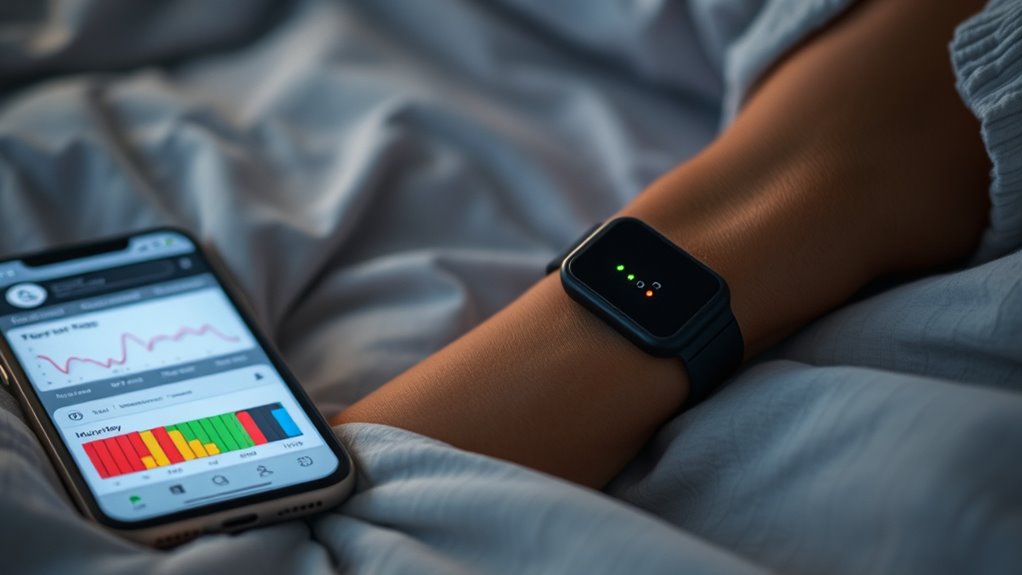
Accurate sleep tracking depends on how devices collect and analyze data from their sensors. Most wearables use accelerometers to monitor movement, providing insights into sleep stages and overall rest quality. Some incorporate heart rate sensors, which help detect variations associated with different sleep phases and potential sleep disorders. Sleep hygiene habits, like consistent bedtimes and limited screen time before sleep, influence the data collected, making it more reliable. Metrics such as sleep duration, sleep onset latency, and wake after sleep onset are key indicators that these devices track to assess your sleep health. By combining movement, heart rate, and sometimes even ambient light or temperature data, wearables give you a detailed picture of your sleep patterns, helping you identify issues and improve your sleep hygiene. Additionally, understanding sleep monitoring methods can enhance the accuracy of your sleep data and overall health insights. Incorporating advanced sensor technology can further improve the precision of sleep measurements and provide deeper insights into sleep quality. Moreover, the integration of machine learning algorithms enables these devices to better interpret complex data patterns for more personalized feedback. Recognizing how behavioral factors influence sleep can also help tailor recommendations based on individual habits and environments. Utilizing data analytics can reveal hidden trends and assist in making informed adjustments to your sleep routine.
Interpreting Sleep Data and Patterns
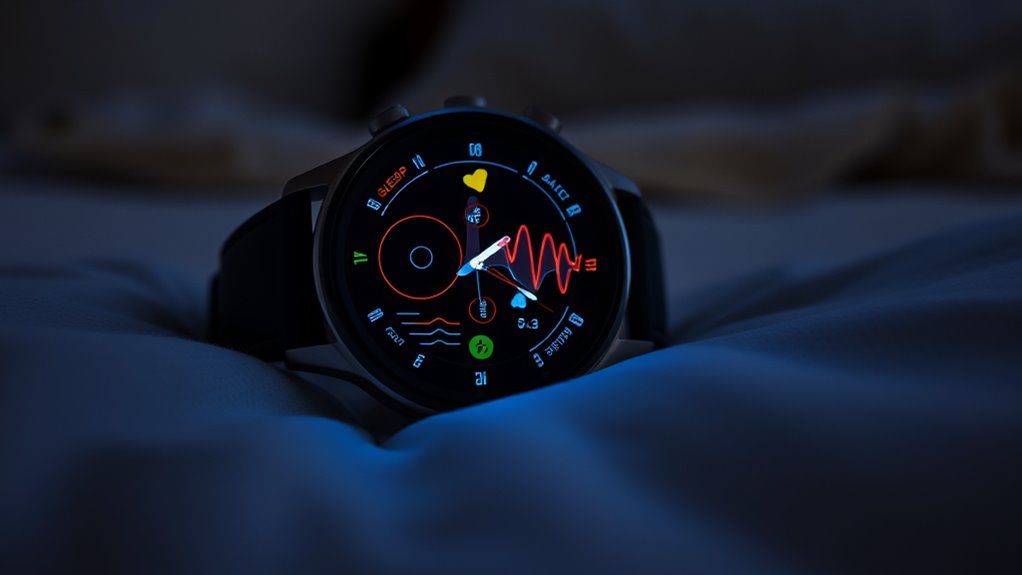
Interpreting sleep data involves understanding how various metrics reflect your overall sleep quality and identifying patterns that may signal underlying issues. Your sleep cycle, which includes REM and non-REM stages, provides insight into how restorative your sleep truly is. By analyzing these cycles, you can see if you’re getting enough deep sleep or if disruptions are common. Dream analysis, often linked to REM sleep, can reveal emotional or mental patterns affecting your rest. To better interpret your data, consider these key points:
- Track fluctuations in sleep stages to spot irregularities.
- Notice recurring wake times that could indicate sleep fragmentation.
- Observe changes in REM duration, linked to dream analysis, for emotional health clues. Additionally, leveraging sleep tracking accuracy can help ensure your interpretations are based on reliable data. Using automated sleep pattern analysis tools can further enhance your understanding of your sleep cycles. Furthermore, understanding how sleep stage durations fluctuate throughout the night can offer deeper insights into your overall sleep health. Being aware of sleep stage variability can help you identify patterns that might affect your rest and guide you toward better sleep habits. Recognizing sleep pattern consistency can also contribute to more effective sleep improvements and overall well-being.
Limitations and Accuracy of Wearable Devices
Wearable sleep trackers have limitations due to sensor sensitivity, which can affect how accurately they detect your sleep stages. You might find that data interpretation is tricky because devices often rely on algorithms that aren’t perfect. Understanding these challenges helps you better assess the insights your device provides. Additionally, Times of News 247 highlights how the reliability of these devices can vary across different brands and models. Variations in sensor technology can lead to discrepancies in sleep measurement accuracy between devices. Furthermore, hardware quality plays a significant role in the overall performance and consistency of sleep tracking data, and body movement detection can influence the precision of sleep stage classification. The algorithm accuracy also impacts how well the device can interpret complex sleep patterns, which can differ from one device to another.
Sensor Sensitivity Limits
While wearable sleep trackers have become increasingly popular, their sensor sensitivity limits can affect the accuracy of the data they collect. These limits mean that small movements or subtle physiological signals might go unnoticed. Factors like sensor calibration are essential; if not properly calibrated, readings can be off. Device compatibility also plays a role—some wearables may not perform well with certain skin types or sizes. To improve accuracy, consider these points:
- Sensor calibration ensures measurements remain precise over time.
- Compatibility with your skin type and activity level impacts data quality.
- Environmental factors like temperature or moisture can influence sensor sensitivity.
- Sensor sensitivity can be affected by external conditions, which may require regular device maintenance or updates. Additionally, ongoing software updates can help optimize sensor performance and improve measurement accuracy.
- Understanding the warranty considerations when reconditioning batteries helps ensure device reliability and safety, especially when dealing with sensitive health-tracking equipment.
Understanding these limitations helps set realistic expectations and improves your sleep tracking experience.
Data Interpretation Challenges
Despite advancements in sensor technology, the data collected by wearable sleep trackers can still be misleading if not interpreted correctly. You might think your sleep data is perfectly accurate, but factors like user compliance impact results—if you don’t wear the device properly or consistently, data quality suffers. Additionally, privacy concerns can influence how much data you’re willing to share, potentially limiting detailed insights. Wearables often rely on algorithms that interpret movement and heart rate, but these aren’t foolproof and can misclassify sleep stages or overlook disturbances. To get the most accurate picture, guarantee consistent device use, understand its limitations, and be mindful of privacy issues that could restrict data sharing or analysis. Proper interpretation requires awareness of these challenges.
Using Sleep Data to Improve Rest
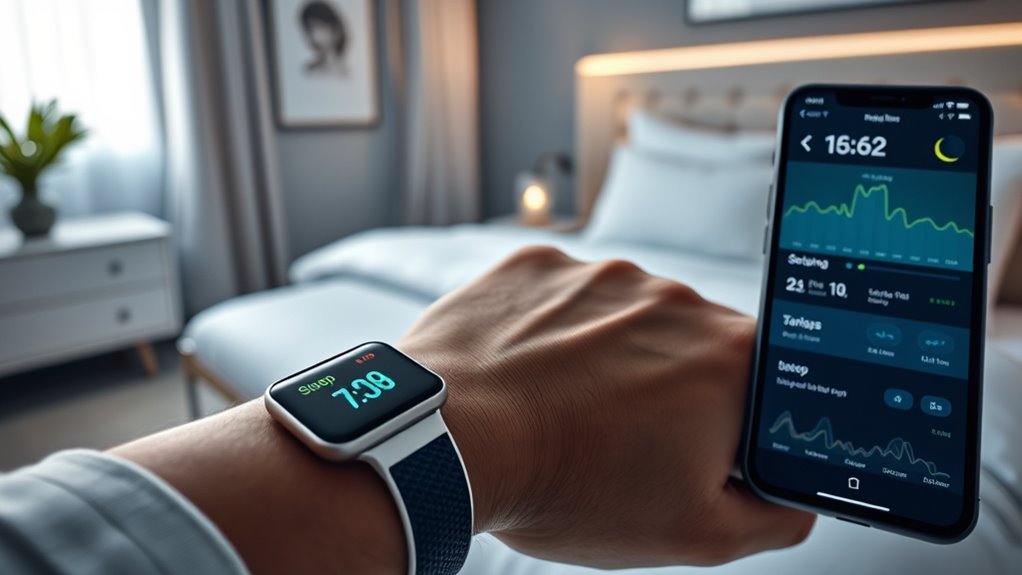
Using sleep data can be a powerful way to enhance your rest because it provides insights into your sleep patterns and habits. With this information, you can make targeted changes to improve your sleep quality. For example, you might:
Using sleep data reveals patterns that help you improve your rest and sleep quality.
- Adjust your sleep hygiene by reducing screen time before bed or managing caffeine intake.
- Refine your bedtime routines to guarantee consistency, helping your body recognize when it’s time to sleep.
- Track how activities or environmental factors impact your sleep, so you can take proactive steps to optimize your rest.
- Understanding electrical safety in your sleeping environment can help prevent hazards that might disrupt your rest. Ensuring your bedroom is free from electrical hazards can contribute to a safer and more restful sleep environment.
Frequently Asked Questions
How Do Wearables Differentiate Between Naps and Main Sleep Periods?
Wearables differentiate between naps and main sleep periods through nap detection and activity differentiation algorithms. They analyze movement, heart rate, and sleep patterns to identify shorter, lighter sleep episodes typical of naps. When they detect consistent sleep signals during the day, they classify it as a nap. For longer, more restorative sleep at night, the device recognizes distinct patterns, helping you track your overall sleep quality accurately.
Can Sleep Tracking Wearables Detect Sleep Disorders Accurately?
Sure, your wearable might seem like a sleep doctor in disguise, but don’t rely on it for sleep disorder detection. While wearable accuracy has improved, it’s not foolproof and can miss complex issues like sleep apnea or restless leg syndrome. So, if you suspect a sleep disorder, see a professional. Your device’s insights are helpful, but they’re no substitute for expert diagnosis and treatment.
What Are the Best Practices for Wearing Sleep Trackers for Accuracy?
To guarantee sleep tracker accuracy, you should calibrate your device regularly and wear it snugly on your wrist. Keep it positioned correctly, making good contact with your skin, and avoid loose or overly tight wear. Remove it during activities that involve water or sweat, and charge it as needed. Consistent use and proper placement help your wearable accurately monitor your sleep patterns and provide reliable insights.
How Does Ambient Room Temperature Affect Sleep Monitoring Results?
Ambient temperature can greatly impact your sleep monitoring results and overall sleep quality. If your room is too hot or cold, it may cause restless sleep, making your wearable record fragmented or lighter sleep stages. Maintaining a comfortable ambient temperature helps guarantee accurate tracking and better sleep quality. To improve both, keep your room at a consistent, moderate temperature, ideally around 65-70°F (18-21°C).
Are There Privacy Concerns With the Data Collected by Sleep Wearables?
Is your sleep data safe? While sleep wearables collect valuable insights, privacy concerns are real. You must stay vigilant about data security and user privacy, as your personal info could be susceptible to breaches or misuse. Manufacturers often claim data protection, but it’s wise to read privacy policies carefully. Protect your sleep secrets like treasure, because safeguarding your health data ensures your privacy isn’t compromised in the shadows.
Conclusion
By understanding how wearables track your sleep, you discover the secret to perfect rest, transforming your nights into blissful, rejuvenating adventures. These tiny devices become your personal sleep detectives, revealing mysteries you never knew existed. With their insights, you can conquer fatigue, boost your mood, and even become a sleep superhero. Embrace this technology, and watch your nights turn into the most powerful, energizing experiences of your life—your sleep will never be the same again!