Noise cancellation headphones actively reduce sound by generating anti-noise signals that cancel out external noise, while noise isolation headphones block sound passively with physical barriers like snug seals and soundproof materials. Active noise cancellation works best against low-frequency sounds, whereas noise isolation effectively reduces high-frequency noise through design. Choosing the right type depends on your environment and preferences. Keep exploring to discover which technology suits your needs best.
Key Takeaways
- Noise cancellation actively uses electronic circuits to generate anti-noise signals that neutralize external sounds.
- Noise isolation passively blocks sound through physical barriers and snug-fitting headphones or earbuds.
- Active noise cancellation is more effective against low-frequency sounds like engine noise, while noise isolation excels at blocking high-frequency sounds.
- Noise cancellation requires power (batteries) for electronic components, whereas noise isolation depends solely on design and materials.
- Both methods improve sound quality and reduce external noise but differ in application, comfort, and effectiveness depending on the environment.
How Noise Cancellation Works
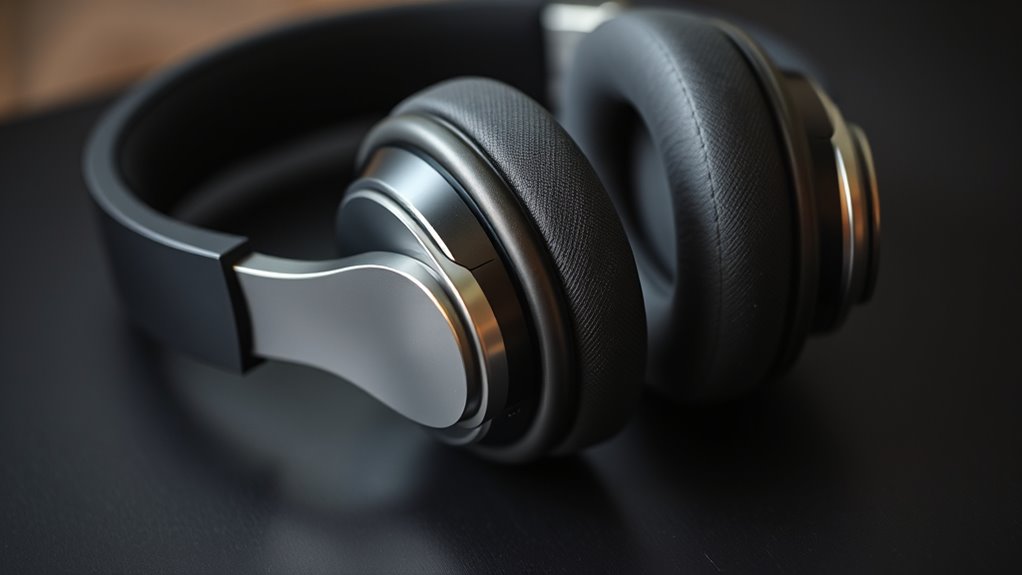
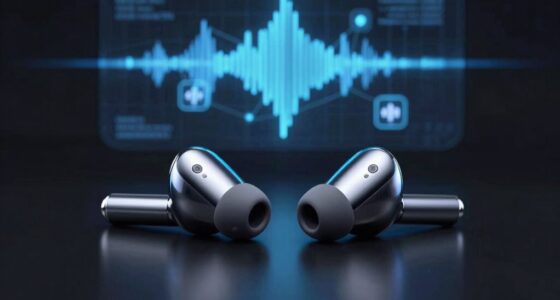
Noise cancellation works by actively reducing unwanted sounds before they reach your ears. It does this through sound wave interference, where the headphones generate anti-noise signals that cancel out incoming noise. These anti-noise waves are precisely timed to oppose the sound waves from external sources, effectively diminishing their volume. Because of this process, noise-canceling headphones often maintain low acoustic transparency, allowing you to focus on your audio without much external distraction. The technology listens constantly with built-in microphones, analyzing ambient sounds and responding in real-time. This active process helps create a quieter listening environment, especially in noisy settings like airplanes or busy streets. Additionally, advancements in noise reduction technology are making these features more accessible and effective for everyday use. Modern headphone designs incorporate advanced noise cancellation algorithms, further improving their ability to neutralize external sounds efficiently. Instead of letting external sounds reach your ears, noise cancellation actively neutralizes them, enhancing your listening experience. Modern kitchen technology continues to innovate by integrating such smart noise control features into everyday appliances, making environments more comfortable and efficient. Furthermore, ongoing research into acoustic engineering is helping improve the precision and effectiveness of noise cancellation systems. For example, the development of adaptive noise cancellation allows headphones to automatically adjust to changing sound environments, providing optimal performance at all times.
How Noise Isolation Works
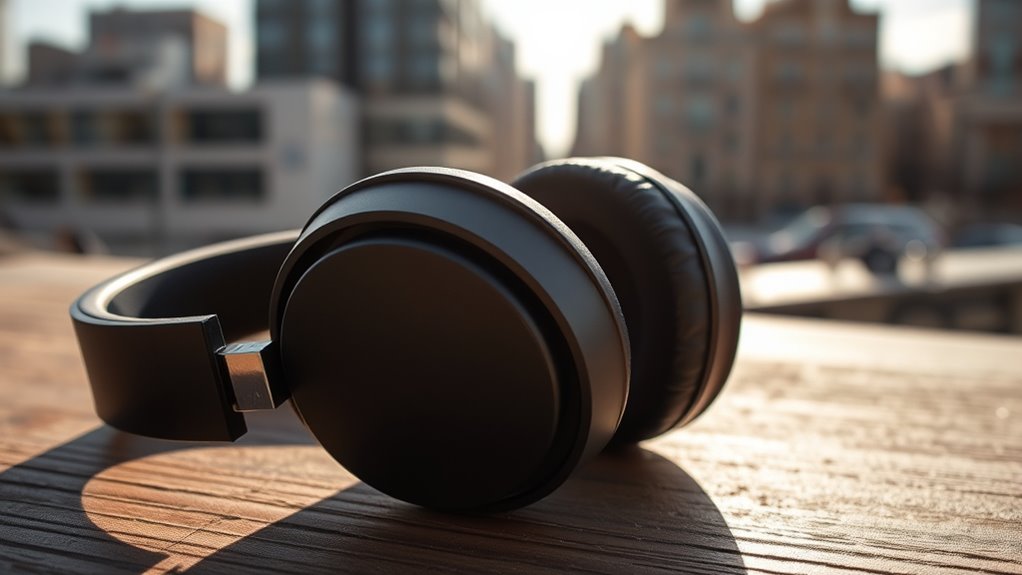
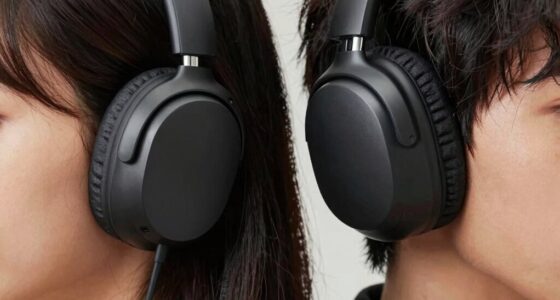
Unlike noise cancellation, noise isolation works by physically blocking external sounds from reaching your ears. This is achieved through the use of soundproof materials integrated into the headphone design. These materials, such as dense foam or rubber, absorb and dampen sound waves before they enter your ears. Good acoustic design ensures a snug fit, creating a seal that prevents sound leakage and reduces ambient noise. The materials and fit work together to minimize external noise, making your listening experience more immersive. Noise isolation is especially effective in environments with consistent background noise, like airplanes or busy streets. By focusing on physical barriers, noise isolation provides a passive form of soundproofing, offering a straightforward way to keep unwanted sounds out. Additionally, the effectiveness of noise isolation can be influenced by the design and material quality, ensuring optimal sound blocking. Properly designed headphones can also enhance soundproofing performance by maintaining a consistent seal throughout use. Moreover, the fit and comfort of the headphones play a critical role in maximizing noise isolation effectiveness.
Key Differences in Technology
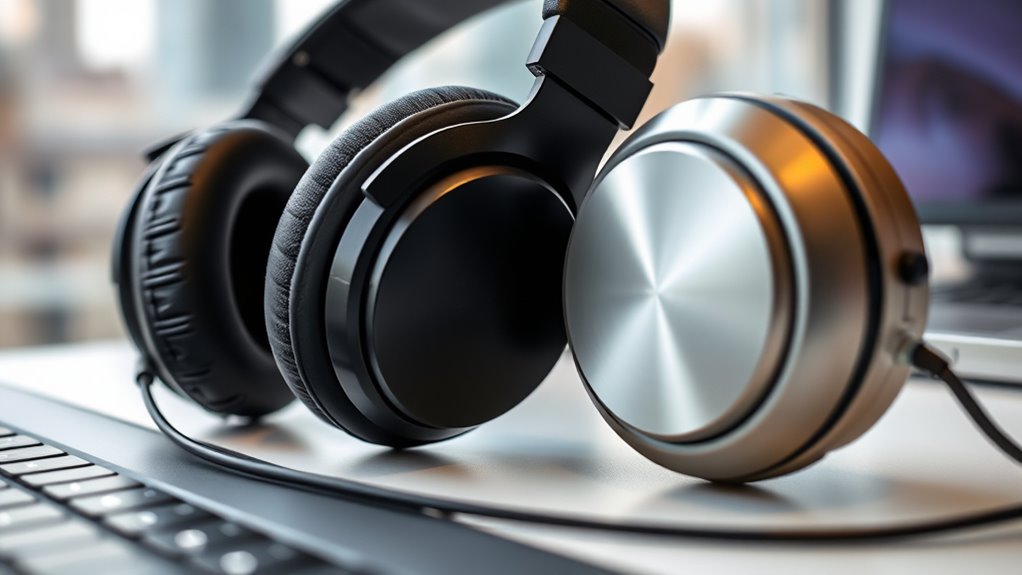
The core difference in technology between noise cancellation and noise isolation lies in how they reduce external sounds. Noise cancellation actively uses electronic circuitry to generate sound waves that cancel out ambient noise, while noise isolation relies on the physical design of the headphones to block sound. This impacts your experience in several ways:
- Audio Quality: Noise cancellation can sometimes slightly affect audio clarity due to the electronic processing, whereas noise isolation often preserves audio fidelity better. Additionally, sound quality can be influenced by the effectiveness of each method, impacting overall listening pleasure.
- Comfort Level: Noise cancellation headphones tend to be bulkier because of added electronics, potentially reducing comfort, while noise-isolating headphones are usually lighter and more comfortable for long wear.
- Effectiveness: Active noise cancellation excels at reducing low-frequency sounds, but noise isolation is more effective against higher-frequency noises.
- Creating a calmer environment becomes easier with noise-canceling headphones, especially in noisy settings, as their ability to reduce ambient sounds enhances focus and relaxation. Furthermore, soundproofing techniques can be incorporated into headphone design to further improve noise reduction.
Benefits of Noise Cancellation
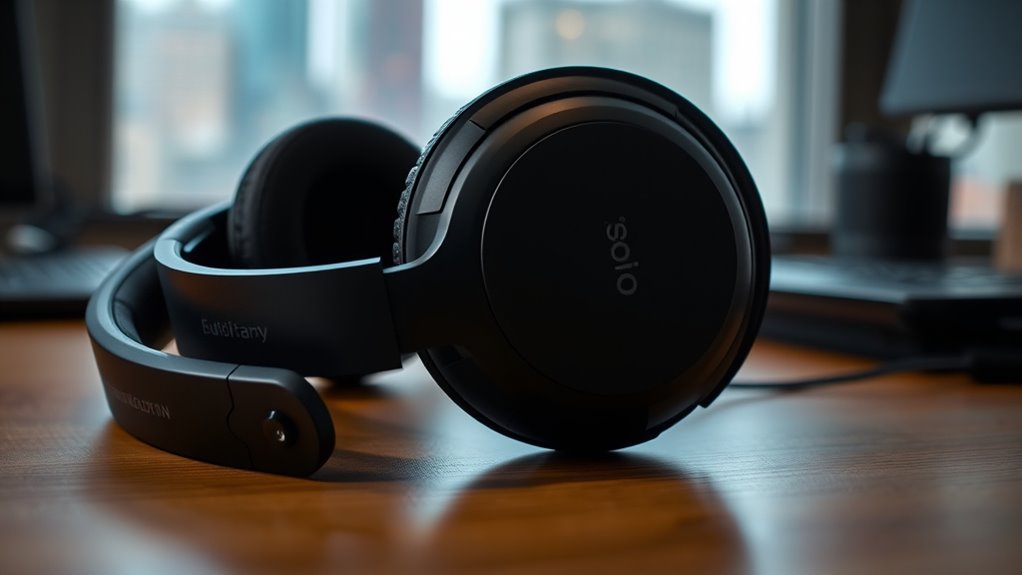
Active noise cancellation offers significant benefits by effectively reducing low-frequency sounds such as engine noise, chatter, and ambient hums, allowing you to focus better on your audio or tasks. This technology enhances audio clarity, making music, calls, and podcasts sound sharper and more detailed. With less external noise, you don’t need to crank up the volume, protecting your hearing and providing a more balanced listening experience. Noise cancellation also contributes to emotional comfort by creating a peaceful environment, helping you relax or concentrate without distractions. Whether you’re commuting, working, or unwinding, this feature provides a quieter space, reducing stress and increasing overall satisfaction with your headphones. Additionally, soundproofing techniques in headphone design help improve overall noise reduction effectiveness. Understanding how noise-canceling technology works can help you choose the right headphones for your needs, especially considering the sound attenuation capabilities that enhance overall performance. Incorporating acoustic engineering principles, manufacturers optimize these features to maximize user comfort and effectiveness.
Benefits of Noise Isolation

When you choose noise isolation, you gain greater listening privacy, keeping your audio experience personal and undisturbed. It also helps you block out external distractions, so you can focus better on what matters. This makes noise isolation especially useful in noisy environments or when you need uninterrupted concentration. Additionally, understanding industry trends can help you select the best headphones for your needs. Embracing product versatility can further enhance your listening experience across different activities and settings. For example, choosing headphones with lightweight design can improve comfort during extended use, which is especially beneficial for outdoor activities like riding electric bikes or engaging in off-road adventures. Staying informed about safety considerations can also ensure you choose headphones that protect your hearing health during prolonged use, which aligns with soundproofing techniques that improve overall noise management.
Enhanced Listening Privacy
Noise isolation markedly enhances your listening privacy by preventing external sounds from seeping into your audio experience. This helps you maintain control over your environment, safeguarding your personal privacy during calls or private listening sessions. Additionally, it promotes auditory health by reducing the need to increase volume levels to overcome background noise, which can cause hearing damage over time. A deep understanding of soundproofing can further optimize your listening environment and reduce distractions. Proper wave and wind management further ensures consistent sound quality and a more immersive listening experience. Incorporating soundproofing techniques can significantly improve the overall effectiveness of noise isolation, making your listening sessions even more private and enjoyable. Understanding the performance metrics of your headphones can help you choose the most effective noise isolation features for your needs. Moreover, being aware of the energetic alignment between your environment and your listening devices can enhance your overall audio experience by reducing external interference.
Reduced External Distractions
By blocking out external sounds, noise isolation helps you stay focused and engaged with what matters most. When background noise is reduced, you can concentrate better on your tasks without constant interruptions. This improved focus allows you to work more efficiently, whether you’re studying, working, or enjoying your favorite music. Noise isolation creates a barrier that minimizes distractions from busy environments like cafes, offices, or public transport. As a result, you experience less mental fatigue and greater productivity. With fewer external interruptions, your attention remains on your goals, enhancing your overall listening experience. Noise isolation makes it easier to tune out the world and stay immersed in what you’re doing, providing a clear path to focus improvement. Additionally, soundproofing techniques can further enhance your environment by reducing noise infiltration from outside sources.
Ideal Uses for Each Technology

Choosing between noise cancellation and noise isolation depends on your environment and activity. If you need to block out loud, unpredictable sounds, noise cancellation works best. For quieter environments or shorter use, noise isolation offers simplicity and comfort. Your personal comfort is key, so consider how each technology feels during extended wear. Portability considerations also matter—noise-isolating earbuds are often more compact and lightweight.
Choose noise cancellation for loud environments; noise isolation suits quieter settings and longer wear comfortably.
Here are ideal uses for each:
- Traveling on airplanes or trains, where external noise is loud and constant—noise cancellation helps.
- Commuting in quieter settings or outdoor walks—noise isolation provides effective sound blocking without power.
- Focused work or studying in noisy cafes—noise cancellation reduces distractions while maintaining comfort during long sessions.
Choosing the Right Headphones for Your Needs
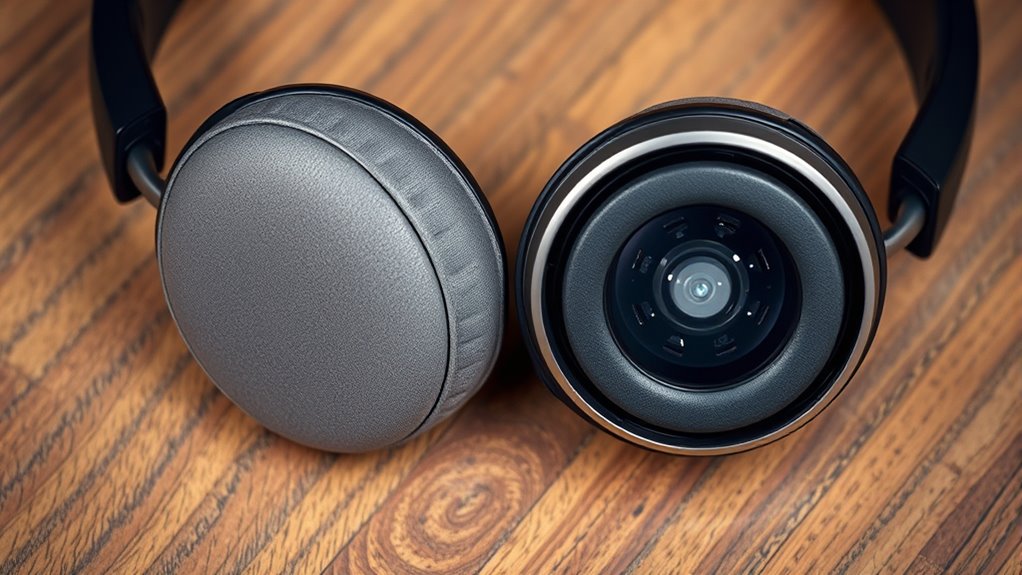
Finding the right headphones depends on understanding your specific needs and how you plan to use them. If you’re often on the go, prioritize models with longer battery life to avoid frequent recharging. For daily commutes or travel, noise-canceling headphones can block out background sounds, but make certain they’re comfortable enough for extended wear. Comfort level is essential—you want headphones that fit well without causing discomfort or fatigue. Consider the type of headphones that suit your activities: over-ear for immersive listening, on-ear for portability, or in-ear for discreet use. Additionally, think about features like Bluetooth connectivity, durability, and control options. By focusing on battery life and comfort, you can select headphones that enhance your listening experience without sacrificing convenience.
Frequently Asked Questions
How Effective Is Noise Cancellation in Blocking Out Voices?
Noise cancellation can be quite effective at blocking out voices, mainly through sound wave suppression, which reduces unwanted sounds. Active noise-canceling headphones use microphones to pick up external voices, then generate sound waves that cancel them out. Good acoustic sealing also helps by physically blocking sound from entering your ears. While not perfect, with proper fit and quality, noise cancellation considerably diminishes voices, making your listening experience more private and focused.
Can Noise Isolation Harm Your Hearing Over Time?
Yes, noise isolation can harm your hearing over time if you’re not careful. Imagine losing your hearing ability to a tiny villain lurking in your headphones! Prolonged exposure to loud sounds through noise-isolating headphones can cause hearing damage and long-term effects like tinnitus or permanent hearing loss. Always keep the volume at safe levels, take breaks, and protect your ears—your future self will thank you!
Do Noise-Canceling Headphones Drain Batteries Quickly?
Yes, noise-canceling headphones can drain batteries quickly, depending on their power consumption and battery life. When you activate active noise cancellation, the headphones use extra power to run the built-in microphones and processing features. This increased power consumption means you’ll notice shorter battery life compared to standard headphones. To maximize usage time, keep an eye on your battery level and turn off noise cancellation when you don’t need it.
Are Noise Isolation Headphones Better for Outdoor Use?
Think of noise isolation headphones as your trusty shield against ambient noise during outdoor activities. They block out background sounds directly through snug ear cups, making them ideal for noisy environments. If you enjoy outdoor adventures where you need to stay aware of your surroundings, noise isolation headphones are better because they don’t rely on electronics. Plus, they don’t drain batteries and are more durable for rugged use.
How Do I Test if My Headphones Are Truly Noise-Canceling?
To test if your headphones are truly noise-canceling, use testing methods like playing consistent background noise and seeing if it dimin’t get through. Wear your headphones and listen for sound leakage—if you notice sound escaping, they might not be effective. Try switching on noise cancellation and compare the experience. A good way is to walk into a noisy environment and see how well they block out external sounds.
Conclusion
Choosing between noise cancellation and noise isolation depends on your needs. Think of noise cancellation as a suit of armor, actively blocking out sound, while noise isolation is like a thick wall, passively keeping noise out. Both have their perks, so pick what suits your lifestyle best. Remember, the right headphones can make all the difference—it’s about finding the perfect fit for your environment and preferences. Don’t put all your eggs in one basket—consider both options carefully.