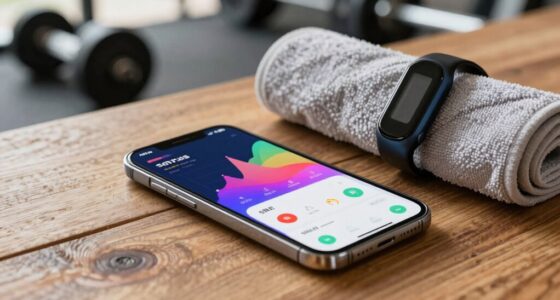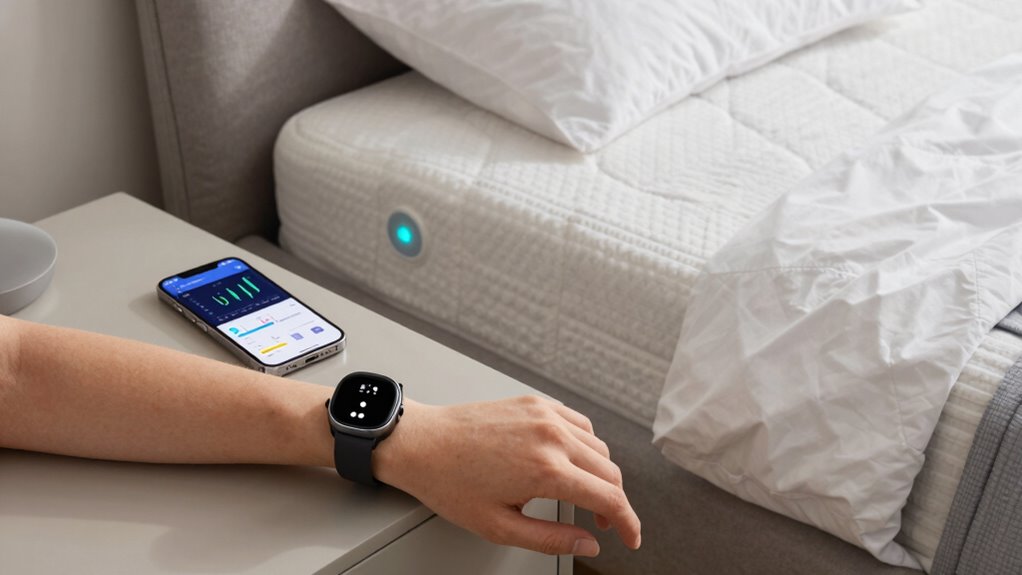
Choosing the best sleep tracker depends on your needs. Wearables offer detailed data on movement and heart rate, while smart mattresses provide more precise insights into breathing and body position. Phone apps are convenient but vary in accuracy. Wearables are great for detailed sleep stages, but smart mattresses tend to deliver the most accurate info overall. Want to discover which option suits your sleep goals? Keep exploring for the full comparison.
Key Takeaways
- Wearables offer detailed sleep stage data with high accuracy, especially for movement and heart rate monitoring.
- Smart mattresses provide more precise insights into breathing, pressure points, and sleep positions due to embedded sensors.
- Phone apps are less accurate but convenient, relying on accelerometers or microphones for basic sleep pattern detection.
- Ease of use varies: wearables are quick to wear, smart mattresses require minimal setup, while apps need simple downloads.
- Long-term tracking, data security, and comfort influence overall effectiveness and user adherence across all sleep tracking devices.
Understanding How Each Technology Monitors Sleep
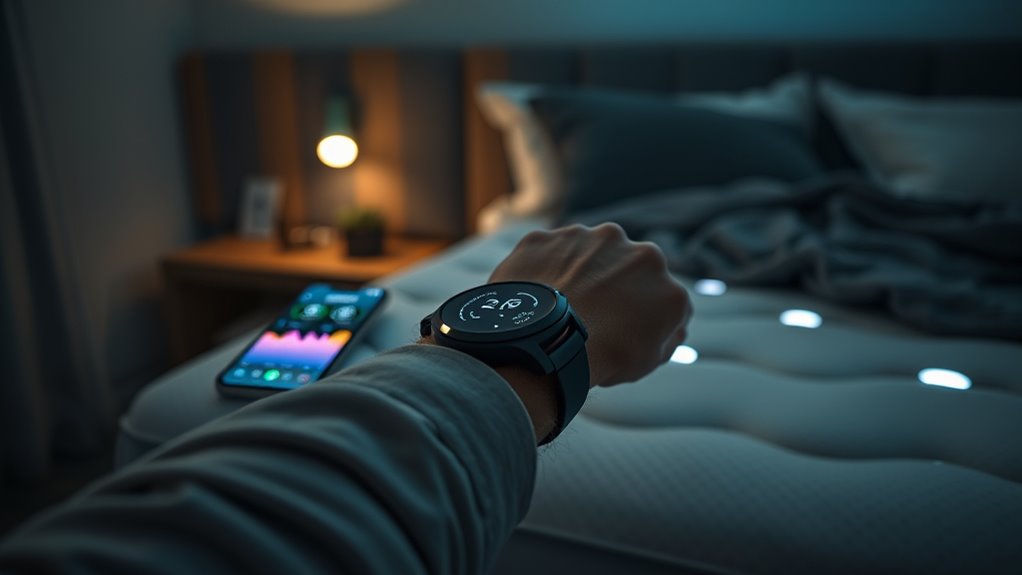
To understand how each sleep technology monitors your sleep, it’s important to recognize the different sensors and methods they use. Wearables track your sleep cycle by detecting movement and heart rate, giving insights into light, deep, and REM sleep stages. Phone apps typically use accelerometers or microphones to analyze your sleep environment and movements, providing basic sleep pattern data. Smart mattresses monitor your sleep environment directly, using embedded sensors to measure pressure points, body position, and temperature. These sensors collect data continuously throughout the night, helping identify disruptions or changes in sleep quality. Additionally, sensor technology can enhance data security and analysis for these devices, ensuring your sleep information remains protected. The use of advanced sensors also allows for more detailed and accurate monitoring, leading to better insights into your sleep patterns. Sensor accuracy plays a crucial role in the reliability of sleep tracking, making it essential for providing trustworthy feedback. While the methods vary, they all aim to piece together a clear picture of your sleep cycle and environmental factors, offering valuable feedback to improve your sleep habits and overall rest.
Accuracy of Sleep Data: Wearables Vs Phone Apps Vs Smart Mattresses
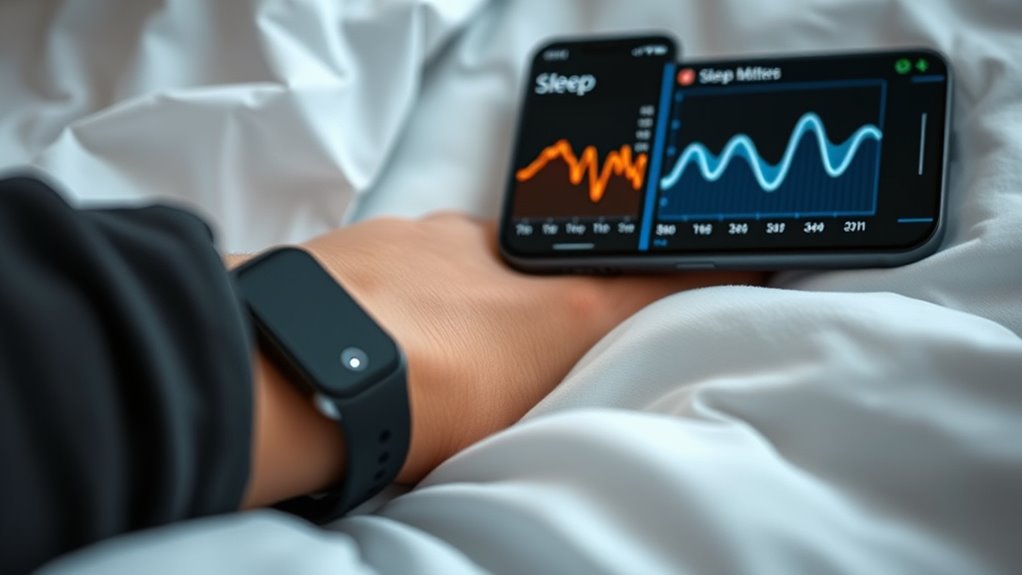
When comparing sleep monitoring methods, understanding their accuracy is key to choosing the right device. Wearables typically rely on sensors placed on your wrist, providing good data granularity on movement and heart rate, which helps identify sleep stages. Phone apps often use accelerometers built into your phone, but sensor placement varies depending on where you keep your device, reducing accuracy. Smart mattresses have sensors embedded in the mattress surface, directly measuring your movements and breathing, which can offer more precise data. However, their accuracy depends on sensor quality and placement consistency. Additionally, factors like sensor calibration can influence the reliability of the data collected. Overall, wearables tend to provide reliable sleep tracking, especially for movement and heart rate, while smart mattresses can deliver more detailed data but may be less practical for everyday use.
Ease of Use and Convenience in Daily Life

When choosing sleep tech, ease of use can make or break your experience. Quick setup and simple operation save you time and frustration, so you stay focused on better sleep. Comfort during daily wear guarantees you won’t be bothered by the device, making it easier to stick with your sleep routine. Additionally, smart device integration allows seamless control and monitoring across your connected home ecosystem, enhancing overall convenience. Ensuring that your device offers intuitive controls can also significantly improve user satisfaction. Incorporating simple, clear instructions into your setup process can further reduce confusion and help you get started quickly. Moreover, prioritizing user-friendly interfaces can help you navigate features effortlessly, making the technology more accessible for everyone. Considering washability or easy cleaning can also contribute to maintaining device hygiene and longevity.
Setup Simplicity and Speed
Ease of setup is essential because it directly impacts how quickly you can start using sleep tech without hassle. With wearable devices, sensor placement is straightforward—just strap or clip them on, and you’re ready. Phone apps often require downloading and following clear setup instructions, which are usually quick to follow. Smart mattresses tend to have the simplest setup; you just unbox, unfold, and connect to Wi-Fi or power. Each option varies in complexity, but generally, wearables involve more steps with sensor placement, while phone apps and smart mattresses focus on minimal setup instructions. The speed at which you can start tracking sleep depends on how intuitive the setup is, so choose a device that aligns with your preference for quick, hassle-free installation. Additionally, device compatibility can influence setup time, especially if the device needs to sync with existing smartphones or smart home systems.
Daily Wearability and Comfort
Choosing a sleep tech device that feels comfortable and convenient to wear every day is essential for consistent use. Your daily routine benefits when the device seamlessly fits into your lifestyle without causing discomfort or hassle. Consider how the device aligns with current fashion trends and its aesthetic appeal—something that complements your style rather than detracts from it. Wearability plays a big role in whether you’ll stick with tracking your sleep regularly. A sleek, lightweight design that feels natural on your skin makes it easier to forget you’re even wearing it. If it’s bulky or unattractive, you might avoid using it consistently. Ultimately, the more comfortable and visually appealing the device, the more likely you are to incorporate it into your daily life effortlessly. Additionally, choosing a device with easy maintenance can encourage ongoing use and accurate tracking.
Features and Insights Offered by Each Device

When comparing sleep devices, you’ll want to consider how accurately they track your data and how much detail they provide. The user interface also matters—if it’s confusing or hard to navigate, you might miss out on key insights. Understanding these features helps you choose the device that best fits your needs for better sleep tracking. Additionally, data accuracy can vary between device types, impacting how reliable your sleep insights are. Incorporating safe installation practices and proper device setup can enhance the reliability of your sleep data. Being aware of device calibration ensures your measurements stay precise over time, further improving your sleep tracking reliability.
Data Accuracy and Detail
While each sleep device aims to provide accurate insights, their data accuracy and level of detail can vary considerably. Wearables often excel at tracking sleep cycles, providing detailed information on REM and deep sleep stages, but may sometimes misclassify wake periods. Phone apps rely on movement and heart rate data, offering a general view of sleep quality but with less precision. Smart mattresses use sensors embedded in the bed to monitor breathing and movement, delivering thorough sleep cycle data with high accuracy. Here’s a quick comparison:
| Device Type | Data Accuracy | Level of Detail | Best For |
|---|---|---|---|
| Wearable | Moderate to High | Sleep stages, heart rate variability | Sleep cycle analysis |
| Phone App | Moderate | Sleep duration, movements | General sleep quality |
| Smart Mattress | High | Breathing, movement, sleep stages | In-depth sleep insights |
User Interface and Accessibility
Each sleep device offers a unique user interface designed to make tracking and understanding your sleep straightforward. Wearables typically feature intuitive apps with clear visuals, easy navigation, and customizable settings, enhancing accessibility for all users. Phone apps often leverage familiar smartphone interfaces, providing seamless integration and quick access to data, making them especially accessible for tech-savvy users. Smart mattresses usually include embedded touchscreens or companion apps that emphasize simplicity, ensuring users can easily view sleep insights without hassle. Overall, the user interface’s clarity and ease of use directly impact accessibility, allowing you to efficiently monitor your sleep patterns. Whether through a wearable, app, or smart mattress, a well-designed interface helps you stay engaged and informed about your sleep health.
Battery Life and Power Management Considerations
Battery life and power management are essential factors to contemplate when choosing sleep technology, as they directly impact device usability and convenience. Longer battery longevity means you won’t need frequent recharges, ensuring continuous sleep tracking. Power optimization features can extend battery life and reduce energy drain, making devices more reliable overnight. Wearables often require daily charging, while phone apps and smart mattresses tend to have longer-lasting power. Consider how often you’ll need to recharge your device and whether quick charges or low power modes are available. Efficient power management can also prevent unexpected shutdowns, ensuring consistent data collection. Always check the device’s battery specifications and features that enhance power efficiency to make an informed decision suited to your sleep tracking needs.
- Battery longevity and daily charging needs
- Power optimization features and modes
- Impact of frequent recharging on usability
- Battery indicators and alerts for low power
- Energy-efficient design and hardware
Cost and Value for Different Budgets
No matter your budget, there are sleep tech options that fit your needs. You can find affordable devices that still provide valuable insights or invest in feature-rich, cost-effective gear with advanced functions. For those seeking top-tier performance, premium options offer the most all-encompassing data and comfort, but it’s important to weigh the value against the cost. Additionally, understanding the evidence-based benefits of different sleep devices can help you make a more informed decision. Recognizing how these tools support sleep hygiene can also enhance your overall sleep quality and health. Exploring the accuracy and reliability of these devices can further guide you toward the best choice for your sleep improvement goals.
Affordable Options for All
Fortunately, you don’t have to spend a fortune to find effective sleep tech that fits your budget. There are plenty of budget friendly options and budget conscious choices that deliver valuable sleep insights without breaking the bank. You can opt for simple phone apps that track sleep patterns using your existing device. Basic wearable devices also offer reliable data at affordable prices, often featuring water-resistant designs suitable for various environments. Consider entry-level smart mattresses with essential features designed for budget shoppers. Community-made or open-source sleep tracking devices provide cost-effective alternatives that emphasize safety, reliability, and customization. These alternatives often leverage affordable technology to ensure accurate monitoring at a lower cost. Additionally, many brands offer discounts or bundle deals, making quality sleep tech accessible. By choosing these options, you get valuable insights into your sleep without overspending. It’s all about balancing affordability with functionality to find what works best for you.
Feature-Rich, Cost-Effective Devices
When shopping for feature-rich sleep devices that won’t break the bank, it’s important to take into account your specific needs and budget. Affordable options can still offer valuable insights into your sleep hygiene, helping you develop better habits. Many budget-friendly devices track sleep stages, monitor heart rate, and provide basic sleep analysis, which can improve your overall sleep quality. Some even include features like dream analysis or relaxation prompts to enhance your bedtime routine. Look for devices that balance cost with essential features, so you get the most value without sacrificing accuracy. Remember, even budget devices can help you understand sleep patterns and identify issues, making them a smart choice if you want effective, cost-effective sleep tracking tailored to your lifestyle.
Premium Gear, Advanced Insights
For those seeking deeper insights and more sophisticated features, investing in premium sleep devices can be a game-changer. These devices often offer detailed sleep cycle analysis and even dream interpretation, giving you a thorough view of your sleep health. Although they come with a higher price tag, the advanced data can help optimize your routines and identify issues more accurately. Incorporating comprehensive data from these devices can enhance your understanding of sleep patterns and foster better health decisions. Consider features like:
- Precise tracking of sleep stages and cycles
- In-depth dream analysis capabilities
- Personalized sleep improvement recommendations
- Integration with smart home systems
- Long-term health insights and trend tracking
Additionally, understanding key concepts like BTU and CADR can help you evaluate the accuracy and effectiveness of sleep environment devices. While the initial investment is more substantial, the depth of information and potential health benefits make premium gear a worthwhile choice for those serious about improving sleep quality. Recognizing the importance of accurate environmental measurements can further optimize your sleep setup and overall well-being.
Compatibility and Integration With Other Devices
Many sleep tech devices now offer seamless compatibility and integration with other smart home gadgets and health apps, making it easier for you to track and analyze your sleep data. Device interoperability ensures your wearable, phone app, or smart mattress communicates effortlessly with platforms like Apple Health, Google Fit, or fitness trackers. App synchronization allows your sleep insights to be automatically shared across your digital ecosystem, providing a thorough view of your health. This integration simplifies data management, making it easier to spot patterns and make informed adjustments. Whether you’re using a wearable or a smart mattress, check for compatibility with your existing devices to maximize benefits. Strong device interoperability and smooth app synchronization enhance your overall experience and ensure your sleep data is always up-to-date. Additionally, platform compatibility is crucial for integrating sleep data into your broader health management system.
User Experience and Comfort During Sleep
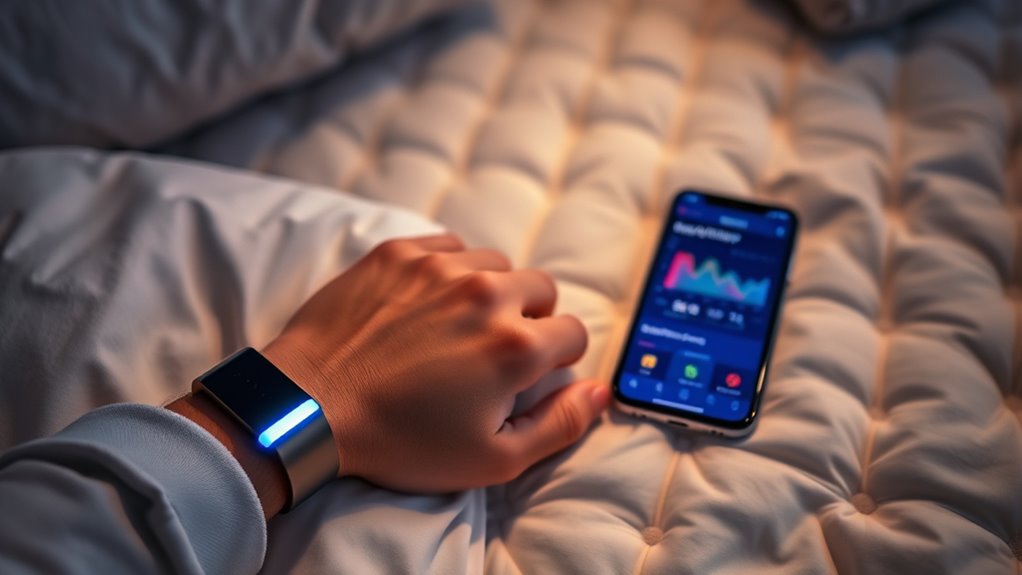
Have you ever wondered how comfortable your sleep tech device truly is? Your comfort greatly influences your sleep quality, so it’s vital to take into account how each device feels during the night. Wearables might feel tight or restrictive around your wrist, affecting sleep posture. Phone apps, which usually involve placing your phone nearby, don’t interfere much but can be distracting. Smart mattresses often offer a more seamless experience, conforming to your body shape and supporting your sleep posture without discomfort. The design of these devices impacts how easily you incorporate them into bedtime routines. Some might cause discomfort or disrupt natural movements, while others enhance relaxation.
- Fit and material of wearables
- Ease of use during bedtime routines
- Impact on sleep posture
- Disruption or comfort level during sleep
- Integration with natural sleep movements
Privacy and Data Security Aspects
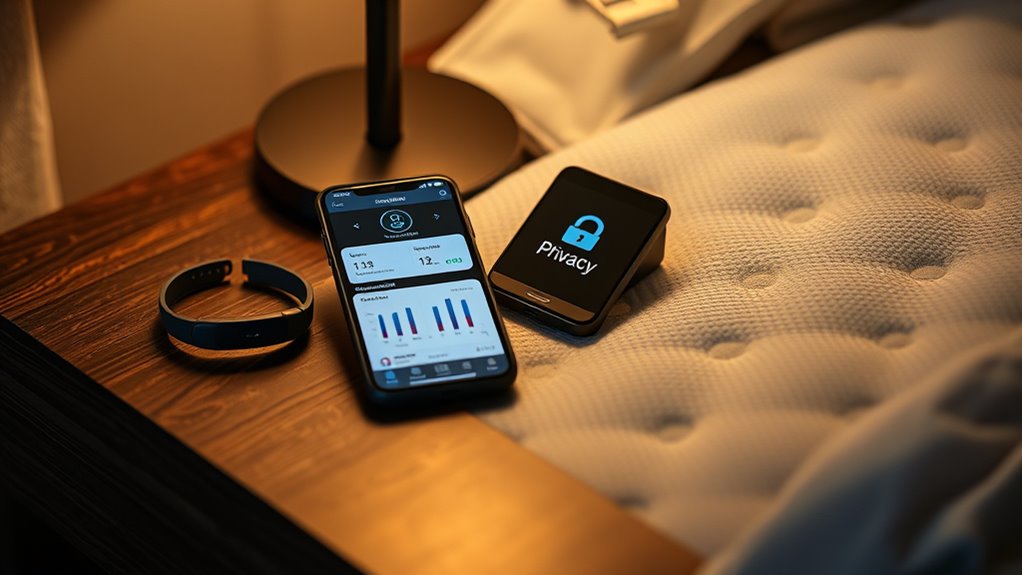
While comfort and ease of use are essential, it’s equally important to evaluate how sleep tech devices handle your personal data. Privacy concerns are common, especially with sensitive sleep information that could be targeted by hackers or misused by companies. Look for devices that prioritize data encryption, which protects your data from unauthorized access during transmission and storage. Some devices might share your sleep patterns with third parties or store data on cloud servers, increasing security risks. Before choosing a device, review its privacy policies and security features. Ensuring your data is protected with strong encryption methods gives you peace of mind, knowing your personal sleep information stays confidential and secure from potential breaches.
Making the Right Choice for Your Sleep Needs
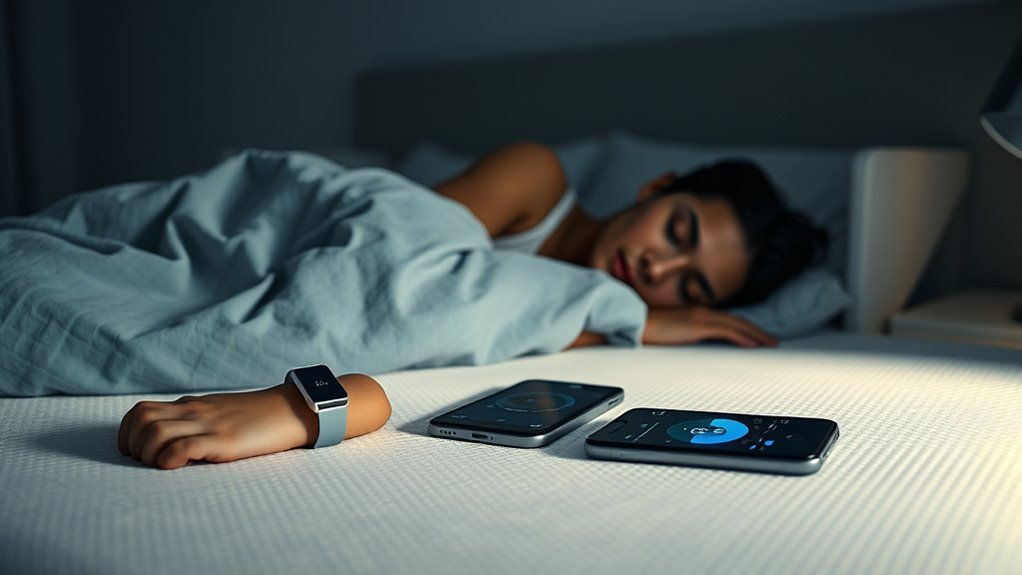
Choosing the right sleep tech device depends on understanding your specific sleep needs and goals. If improving sleep hygiene is your priority, look for devices that offer detailed insights into habits and environment. To align with your circadian rhythms, pick tools that help regulate light exposure and sleep timing. Consider whether you prefer continuous tracking or targeted feedback. Your lifestyle, sleep issues, and comfort level all influence the best choice for you.
Here are some ideas to guide your decision:
- Focus on devices that support sleep hygiene improvements
- Opt for tech that adjusts to your circadian rhythms
- Choose comfort and usability for regular use
- Prioritize data accuracy for meaningful insights
- Select tools that motivate sustainable sleep habits
Frequently Asked Questions
How Do Sleep Trackers Impact Overall Sleep Quality Improvements?
Sleep trackers boost your sleep quality by increasing user engagement and helping you identify patterns in your sleep environment. When you actively monitor your sleep, you become more aware of factors like noise, light, or temperature that affect rest. This awareness encourages you to make adjustments, leading to better sleep habits. Over time, these improvements enhance your overall sleep quality, making you feel more refreshed and energized each day.
Can These Devices Detect Sleep Disorders or Underlying Health Issues?
Nearly 80% of sleep trackers can identify potential sleep disorders, but their diagnostic accuracy isn’t foolproof. You should know that these devices can flag issues like sleep apnea or restless leg syndrome, yet they aren’t substitutes for medical tests. Privacy concerns also matter; your health data might be shared or vulnerable. So, while helpful for monitoring, always consult a healthcare professional for proper diagnosis and treatment.
Are There Any Health Risks Associated With Prolonged Use of Sleep Wearables?
Using sleep wearables long term generally doesn’t pose serious health risks, but watch out for device dependency. Relying too much on these gadgets might make you less aware of your natural sleep cues, potentially affecting your long-term health. Some wearables emit low levels of electromagnetic fields, but these are usually safe for most users. To stay balanced, combine device data with mindful sleep habits and regular medical checkups.
How Do Different Devices Handle Data Sharing With Healthcare Providers?
Like Pandora’s box, your sleep data can open health insights but also raise privacy concerns. Devices handle data sharing with healthcare providers differently; some encrypt data securely, ensuring data security, while others may share information more openly, risking privacy. Always review each device’s privacy policies to understand how your sleep information is managed, and choose options that prioritize your data security and control over shared health details.
What Are the Environmental Impacts of Manufacturing and Disposing of Sleep Tech Devices?
Manufacturing sleep tech devices creates emissions that contribute to climate change, and disposal adds to electronic waste, which harms the environment. When you choose to upgrade or replace your device, consider recycling options to reduce electronic waste. Opt for brands committed to sustainable practices, and support initiatives that minimize manufacturing emissions. Your choices can help lessen the environmental impact of sleep tech, promoting a healthier planet while improving your sleep habits.
Conclusion
Choosing the right sleep tracker is like finding the perfect compass in a sea of stars—each guides you differently, but only one will lead you to clearer nights. Whether you prefer the subtle whisper of a wearable, the friendly nudge of an app, or the sturdy embrace of a smart mattress, your ideal choice depends on what your sleep needs most. Trust your instincts, and let your selected device become your lighthouse guiding you to restful, rejuvenating sleep.