To master photography basics, you need to understand aperture, shutter speed, and ISO. Aperture controls how much light enters your lens, affecting depth of field and focus quality. Shutter speed determines how motion is captured—fast speeds freeze action, while slow speeds create motion blur. ISO adjusts the sensor’s sensitivity to light, influencing image brightness and noise. Getting comfortable with these controls empowers you to shoot creatively and confidently; keep exploring to open their full potential.
Key Takeaways
- Aperture controls light entry and depth of field; wider apertures create blurry backgrounds, narrower ones keep more scene in focus.
- Shutter speed determines motion in photos; fast speeds freeze action, slow speeds create motion blur.
- ISO adjusts sensor sensitivity; higher ISO brightens images but increases noise, lower ISO produces cleaner images.
- Proper exposure depends on balancing aperture, shutter speed, and ISO based on lighting conditions.
- Understanding how these settings interact helps achieve desired photographic effects and image quality.
Top picks for "photography understand aperture"
Open Amazon search results for this keyword.
As an affiliate, we earn on qualifying purchases.
The Role of Aperture in Photography

Have you ever wondered how photographers control the amount of light entering their camera? Aperture is the key. It’s an adjustable opening in your lens that determines how much light passes through. When you change the aperture size, you also influence the depth of field—the area in focus in your photo. A wider aperture (smaller f-number) creates a shallow depth of field, blurring the background and making your subject stand out. Conversely, a narrower aperture (larger f-number) increases the depth of field, keeping more of the scene in focus. The aperture itself is made of blades—aperture blades—that move to open or close the hole. Their shape and number affect the quality of the bokeh and overall sharpness of your images. High-quality projectors can also benefit from precise aperture control to optimize image clarity and contrast in home cinema setups. Understanding the lens construction helps photographers select the right equipment for different situations.
How Shutter Speed Affects Your Shots

Ever wondered how shutter speed influences the look of your photos? It determines how motion appears in your images. A fast shutter speed, like 1/1000 second, freezes motion, perfect for capturing fast action such as sports or wildlife. It minimizes motion blur, ensuring sharp, clear subjects. Conversely, a slow shutter speed, like 1/30 second, introduces motion blur, which can create a sense of movement or chaos in your shot. This technique is useful for conveying speed or energy, or for low-light situations where you want to let in more light. Keep in mind, slower shutter speeds often require a tripod to prevent camera shake. By mastering shutter speed, you control whether your photos are crisp or convey dynamic motion, giving you creative flexibility in every shot. Additionally, understanding how exposure settings interact can help you achieve optimal results in various lighting conditions. Knowing how to balance these settings is essential for creative control over your photography outcomes.
Understanding ISO and Its Impact on Images

Understanding ISO is essential because it directly affects the brightness and graininess of your photos. Increasing ISO boosts your sensor sensitivity, making it easier to shoot in low light. However, higher ISO also introduces more image noise, reducing overall clarity. Lower ISO settings produce cleaner images with less noise but require more light. Balancing ISO is critical for quality shots, especially in challenging lighting conditions. Use the table below to see how ISO impacts your images: sensor sensitivity. Proper application of ISO can optimize your photography results and enhance image quality across different scenarios. Being aware of passive voice detection can also improve your overall writing clarity in technical descriptions. Additionally, understanding how to manage light exposure helps in achieving well-balanced images in various environments. Adjusting ISO appropriately is also important for maintaining consistent image quality across different shooting situations.
Frequently Asked Questions
How Do Aperture, Shutter Speed, and ISO Work Together?
You control the exposure triangle through your camera controls—aperture, shutter speed, and ISO—to get the perfect shot. When you adjust one, you often need to tweak the others to maintain proper exposure. For example, opening the aperture lets in more light, so you might speed up the shutter or lower the ISO. This balance helps you manage exposure, motion, and image quality effectively.
What Are the Best Settings for Low-Light Photography?
For night photography or handheld shooting in low-light, set your ISO higher, around 800-1600, to brighten images without too much noise. Use a wide aperture like f/2.8 or lower for more light. Keep your shutter speed around 1/60 sec or slower, but stabilize your camera to avoid blur. Don’t worry about noise—modern cameras handle high ISO well, so enjoy capturing stunning low-light shots!
How Can I Prevent Overexposure or Underexposure?
To prevent overexposure or underexposure, you should analyze the histogram on your camera, ensuring most data is centered without clipping highlights or shadows. Use exposure bracketing to capture multiple shots at different exposures, then blend them for the perfect balance. Adjust your aperture, shutter speed, or ISO accordingly, and review your histogram after each shot to fine-tune your settings for ideal exposure.
What Equipment Influences Aperture, Shutter Speed, and ISO?
Think of your camera as a ship steering light’s ocean. Your camera sensor and lens quality steer this ship, influencing aperture, shutter speed, and ISO. A high-quality lens offers precise control, while a better sensor captures more light, helping you adjust settings accurately. These tools determine how much light enters and how your camera reacts, allowing you to master exposure and avoid overexposure or underexposure.
How Do Different Lens Types Affect Exposure Settings?
Different lens types influence exposure settings mainly through their compatibility and focal length effects. Wide-angle lenses require adjusting shutter speed or ISO to avoid overexposure, while telephoto lenses often need smaller apertures for sharpness. Your camera’s compatibility with specific lenses determines achievable aperture ranges. Focal length impacts exposure because longer lenses gather more light, affecting how you set your exposure to get well-balanced photos.
Conclusion
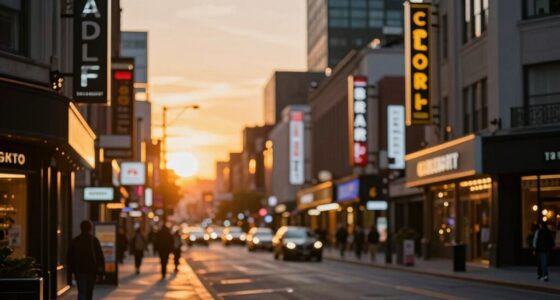
By mastering aperture, shutter speed, and ISO, you gain full control over your photos. Imagine capturing a bustling city street at night—you set a wide aperture and slow shutter to create vibrant, sharp images despite low light. Practice these basics, and you’ll confidently adjust settings to suit any scene. With a little experimentation, you’ll turn everyday moments into stunning photographs, making every shot uniquely yours.