
Megapixels measure how many pixels make up a photo, but more isn’t always better. Sensor size, lens quality, and image processing influence overall picture quality far more than megapixel count. Larger sensors capture more light, reducing noise and improving detail, while high-quality lenses ensure sharp images. Increasing megapixels helps with enlargements and cropping, but if the system isn’t ideal, the extra pixels won’t make your photos clearer. Keep exploring to learn what truly affects your camera’s performance.
Key Takeaways
- Higher megapixels increase image size but don’t guarantee better quality; sensor size and system performance are more important.
- Larger sensors capture more light, reducing noise and improving low-light image quality, regardless of megapixel count.
- Megapixels matter most for enlargements and cropping, not necessarily for everyday image sharpness or detail.
- Good lens quality and sensor efficiency are critical; more megapixels can’t compensate for poor optics or processing.
- Excessive megapixels can lead to larger files and slower processing without meaningful improvements in image clarity.
Top picks for "megapixel explain alway"
Open Amazon search results for this keyword.
As an affiliate, we earn on qualifying purchases.
Understanding Megapixels and Image Resolution

Understanding megapixels and image resolution is essential if you want to grasp how digital cameras produce clear, detailed photos. The megapixel count indicates how many millions of pixels make up a photo, directly affecting its size. Higher megapixel counts generally mean better detail and larger images, but that’s not the whole story. Image resolution refers to the number of pixels in width and height, which determines how sharp and clear your photos appear. When you choose a camera with a higher megapixel count, you’re increasing the potential resolution, allowing for larger prints or cropping without losing quality. However, more megapixels don’t automatically mean better photos; sensor quality and processing also play *vital* roles. Understanding how these factors connect helps you make smarter choices for your photography needs. Additionally, contrast ratio in projectors impacts how well details are preserved in dark scenes, which is important for overall image quality. Sensor quality is equally crucial, as it affects how accurately a camera captures colors and handles different lighting conditions. To truly optimize image quality, you should consider sensor size alongside megapixel count, as it influences light sensitivity and noise levels. Furthermore, paying attention to image processing capabilities can significantly enhance photo clarity and color accuracy under various conditions.
The Impact of Sensor Size on Photo Quality
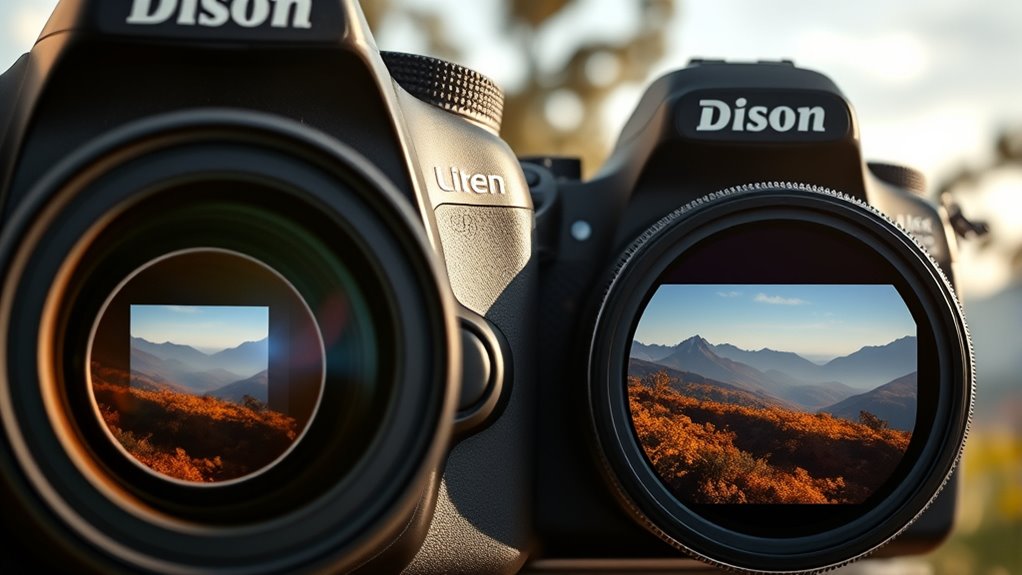
Your camera’s sensor size directly affects photo quality by capturing more light, which leads to brighter, clearer images. Larger sensors also give you better control over depth of field, helping you create professional-looking backgrounds. Plus, with less noise in low-light conditions, your photos stay sharp and detailed. Additionally, understanding sensor size and field of view can help you choose the right equipment for your astrophotography or daytime photography needs. Recognizing how sensor size impacts image quality can also guide you in selecting the best camera for your specific photography style. Moreover, knowing about vetted wave and wind conditions can assist in planning outdoor shoots for optimal lighting and stability. Incorporating smart home technology features such as weather sensors can also optimize your outdoor photography sessions by providing real-time environmental data. Being aware of camera ergonomics can further enhance your comfort during extended shooting sessions.
Larger Sensors Capture More Light
Larger camera sensors can capture more light, which directly improves photo quality. When your sensor size increases, it enhances light capture, leading to brighter, clearer images, especially in low-light situations. To imagine this:
- Bigger sensors have larger individual pixels, allowing more light to enter.
- More light results in less noise and better detail.
- Enhanced light capture improves dynamic range, capturing both shadows and highlights more accurately.
- Sensor size also influences the overall depth of field, enabling more creative control over image focus and background blur. Additionally, larger sensors can offer better image stabilization, contributing to sharper photos in varied conditions.
- Proper sensor size selection can also impact visual aesthetics and the overall look of your photographs. Understanding sensor technology is essential for choosing the right camera for your needs.
Better Depth of Field Control
As sensor size increases, so does your ability to control depth of field in your photos. A larger sensor allows you to create a shallower depth of field, making your subject stand out while blurring the background. This control enhances your ability to produce professional-looking images with pleasing bokeh effects. With more sensor real estate, you can achieve a smooth progression between sharp and out-of-focus areas, giving your photos a more artistic and cinematic feel. Smaller sensors tend to have a deeper depth of field, which keeps more of the scene in focus but limits your creative options. By choosing a camera with a bigger sensor, you gain better mastery over depth of field, helping you craft images with intentional focus and beautiful background blur. Additionally, understanding the energetic alignment between your camera settings and your creative goals can further improve your photographic results. Moreover, sensor size also influences your camera’s performance in low-light conditions, enabling clearer images with less noise. Larger sensors also tend to be more expensive, but the improved image quality and creative control often justify the investment. Recognizing the technological advancements in sensor design can help you select equipment that best suits your photography style and needs.
Reduced Image Noise
Have you noticed that photos taken in low light often look grainy or noisy? That’s due to sensor noise, which becomes more apparent with smaller sensors. Larger sensors naturally reduce noise because they gather more light, improving low light performance. Here’s how size impacts noise:
- Bigger sensors capture more light, minimizing sensor noise.
- Less noise means clearer images in dim conditions.
- Enhanced low light performance allows for better detail and color accuracy.
- Larger sensors often support better image noise reduction capabilities within the camera system. Additionally, larger sensors can accommodate bigger pixels, which further enhance light sensitivity and reduce noise in challenging conditions. This improved capability also makes sensor size a key factor in overall image quality. Moreover, larger sensors typically enable the use of wider apertures, giving photographers more control over depth of field and light intake.
With a larger sensor, your camera produces cleaner, sharper photos in challenging lighting. You won’t have to boost ISO as much, reducing graininess. This means better image quality overall, especially in low light situations, giving you more professional-looking photos without noise ruining the shot.
How Lens Quality Affects Your Photos
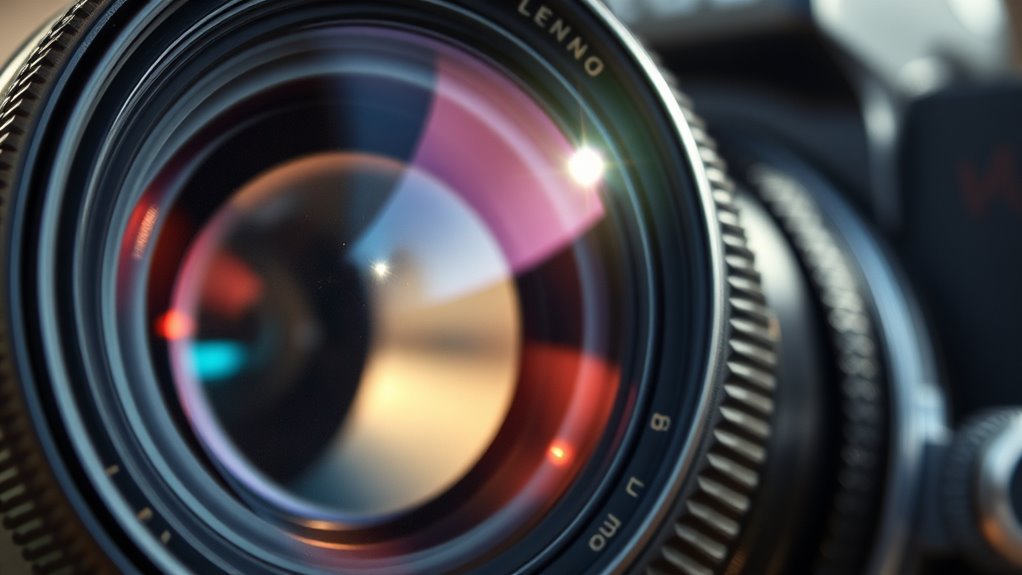
Your lens quality directly impacts the sharpness and clarity of your photos. High-quality materials and coatings reduce glare and improve contrast, making your images more vibrant. Precise glass alignment guarantees light enters correctly, preventing distortions and blurry results. Additionally, proper care and handling of your camera equipment help maintain optimal lens performance over time.
Lens Material and Coatings
The quality of your camera lens directly impacts the sharpness, color accuracy, and overall clarity of your photos. High-quality lenses use premium optical glass, which reduces distortions and aberrations. Lens coatings play an essential role by minimizing reflections and glare, ensuring your images are clear and vibrant. When selecting a lens, consider these factors:
- The type of lens coatings used, such as anti-reflective layers, to improve light transmission.
- The quality of the optical glass, which affects durability and image sharpness.
- How well the coatings reduce lens flare and ghosting, especially in bright conditions.
- Proper lens maintenance and cleaning techniques contribute to preserving lens quality over time.
- The optical design of the lens also influences how well it corrects distortions and aberrations, impacting overall image quality.
Glass Precision and Alignment
When lens glass isn’t precisely manufactured and aligned, it can introduce distortions that compromise image sharpness and clarity. High-quality lens material ensures durability and minimizes unwanted aberrations, but even the best material falls short if optical alignment isn’t accurate. Poor alignment causes issues like blurriness, ghosting, or chromatic aberrations, reducing overall image quality. Precise optical alignment ensures that light passes through the lens elements cleanly and accurately, resulting in sharper, more detailed photos. Even minor misalignments can profoundly affect image fidelity, especially at higher megapixel counts. That’s why manufacturers pay close attention to lens precision during production, ensuring your camera captures crisp, clear images with true-to-life color and detail. Proper lens alignment is essential for maximizing your camera’s potential.
The Role of Image Processing in Digital Photography
Image processing plays a crucial role in transforming raw digital data into the high-quality photographs you see on your screen. It enhances your images through techniques like image sharpening, which clarifies details, and color correction, which ensures accurate, vibrant hues. When you take a photo, the camera’s processor automatically applies these adjustments to produce a polished result. To better understand, consider these steps:
Image processing enhances photos with sharpening and color correction for stunning results.
- Image sharpening enhances fine details, making textures pop.
- Color correction balances tones for natural, vivid colors.
- Noise reduction smooths out graininess, especially in low light.
This process allows you to capture beautiful images without extra effort, emphasizing clarity and color accuracy. The quality of your photos depends heavily on how well the camera’s image processing algorithms work behind the scenes.
When Higher Megapixels Matter Most
Higher megapixels become especially important when you need to enlarge images without sacrificing detail or print at large formats. In these situations, sensor efficiency plays a vital role, as a high-megapixel sensor can capture more data without losing quality. Megapixel scaling allows you to enlarge images while maintaining sharpness, but only if the sensor efficiently converts light into detailed pixels. Without good sensor efficiency, increasing megapixels may lead to noise and reduced image quality. If your goal is large prints or detailed cropping, a camera with higher megapixels can provide the resolution you need. However, remember that more megapixels aren’t helpful if the sensor can’t effectively process light, making sensor efficiency the key factor in when higher megapixels truly matter most.
Common Misconceptions About Megapixels

Many people believe that more megapixels automatically mean better image quality, but this isn’t always true. This misconception fuels megapixel myths and resolution illusions, making you think higher numbers guarantee sharper photos. In reality, other factors like sensor size, lens quality, and image processing matter more. Consider these points:
- A 12MP camera with a larger sensor can outperform a 48MP camera with a tiny sensor.
- Higher megapixels don’t improve low-light performance or reduce noise.
- Megapixel count alone can’t fix poor lens quality or improper settings.
Understanding these misconceptions helps you realize that more megapixels don’t always equal better photos. It’s about the overall camera system, not just resolution illusions. Focus on what truly impacts image quality.
Choosing the Right Camera for Your Needs

Choosing the right camera depends on understanding your specific needs and how you plan to use the device. Consider sensor technology, as different sensors impact image quality, low-light performance, and size. If you want sharp, detailed photos, look for a camera with a larger sensor. Autofocus systems are equally important; advanced autofocus helps capture fast-moving subjects accurately, especially in sports or wildlife photography. Think about whether you prefer compact cameras or DSLRs, and how often you’ll carry it around. For casual snapshots, a simple point-and-shoot may suffice, but for professional work, investing in a camera with sophisticated sensor technology and autofocus systems will pay off. Clear priorities ensure you choose a device that meets your expectations without overspending.
Frequently Asked Questions
How Do Megapixels Influence Print Size and Clarity?
Higher megapixels allow you to print larger images without losing clarity, but sensor sensitivity and image processing also matter. A camera with more megapixels captures more detail, making prints crisper at bigger sizes. However, if sensor sensitivity isn’t good, your images may be grainy, and poor image processing can reduce overall quality. So, don’t just focus on megapixels—consider how sensor sensitivity and processing impact your print results.
Can High Megapixel Counts Cause Larger File Storage Issues?
Like a dusty old library overflowing with books, high megapixel counts can cause larger file storage issues. You’ll find yourself juggling more space, especially with images packed with fine detail. While high MP cameras capture sharp, detailed photos, they can also increase sensor noise and file sizes, making storage management a challenge. Be mindful of your storage capacity and balance megapixels with practical needs to avoid digital clutter.
Does Increasing Megapixels Improve Low-Light Performance?
Increasing megapixels doesn’t necessarily improve low-light performance. Instead, sensor sensitivity and noise levels play a bigger role. Higher megapixels can make images more detailed, but they may also introduce more noise in low-light conditions if the sensor isn’t optimized. To get better low-light shots, focus on cameras with larger sensors and better noise reduction features rather than just increasing megapixels. This way, you’ll capture clearer, brighter images in darker settings.
Are Higher Megapixels Necessary for Professional Wildlife Photography?
Higher megapixels aren’t strictly necessary for professional wildlife photography. Instead, focus on sensor size and image processing capabilities, which greatly impact image quality and detail. A larger sensor captures more light, reducing noise and improving clarity in challenging conditions. Advanced image processing helps render fine details. So, prioritize camera systems with bigger sensors and good processing over simply increasing megapixels, ensuring you get sharp, vibrant wildlife shots.
How Do Megapixels Affect Video Recording Quality?
Picture perfect pixels, powerfully producing pristine videos. Higher megapixels can improve detail, but sensor size and video compression often matter more for quality. Larger sensors capture more light, delivering clearer images, while efficient compression preserves quality during recording. So, while more megapixels can help, focusing on sensor size and compression techniques guarantees your videos look vibrant and sharp, making every moment memorable without unnecessary noise.
Conclusion
Remember, more megapixels may seem mighty, but mastering the magic lies in matching your camera’s capabilities to your needs. Don’t be deceived by dazzling numbers—consider sensor size, lens quality, and processing power. By balancing brilliance with purpose, you’ll capture crisp, creative clicks that truly count. So, whether you’re a hobbyist or a pro, make mindful choices, and let your camera’s true talents take your photography to new heights!