
When comparing Mac and PC security, Macs benefit from hardware features like the T2 chip, which encrypts data and helps prevent malware, while PCs often rely on third-party security tools. Both face threats like phishing and malware, but Windows is targeted more often due to its larger user base. User habits and security practices play a big role in keeping your device safe. Continue exploring to uncover key tips for strengthening your security on any platform.
Key Takeaways
- Macs benefit from hardware security features like the T2 chip, reducing vulnerabilities compared to PCs relying on third-party software.
- Windows systems face more targeted malware attacks due to larger market share, but both platforms require strong user security practices.
- Regular software updates and enabling multi-factor authentication are essential for maintaining security on both Mac and PC.
- User behavior, such as avoiding suspicious links and using strong passwords, significantly impacts overall device security.
- Security remains an ongoing process; staying informed and adopting best practices is key regardless of platform.
Comparing Built-in Security Features of Macs and PCs

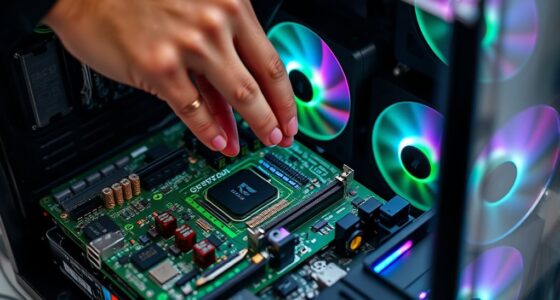
When it comes to built-in security features, Macs and PCs each have distinct advantages that can influence your choice. Macs benefit from robust hardware security, like the T2 chip, which encrypts data and manages secure boot processes. Their tight integration between hardware and software reduces vulnerabilities. Additionally, hardware security plays a critical role in protecting against firmware attacks. PCs, on the other hand, often rely on third-party software to enhance security, such as antivirus programs and firewalls, giving you more customization options. Windows PCs also include features like Secure Boot and Trusted Platform Module (TPM) to improve hardware security. While Macs’ hardware security is more integrated out of the box, PCs’ flexibility allows you to tailor your defenses with third-party tools. Both platforms prioritize security but approach it differently, shaping your overall safety landscape. Furthermore, security protocols are continually updated to address emerging threats and vulnerabilities. These updates help ensure that both systems stay resilient against evolving cyber threats. Additionally, contrast ratio plays a key role in visual security by ensuring clear and detailed images, which can be crucial for sensitive viewing environments.
Common Threats Faced by Mac and Windows Users

Both Mac and Windows users face a variety of security threats, despite their different built-in protections. Phishing scams are common, targeting you through fake emails or websites designed to steal your personal information. These scams can be convincing on either platform, leading you to disclose sensitive data or download malicious files. Malware distribution is another significant threat, where malicious software is disguised as legitimate programs or links, risking infection. Windows has historically been a bigger target due to its larger user base, but Mac users aren’t immune. Cybercriminals continually develop new tactics to exploit vulnerabilities across both platforms. Staying vigilant by recognizing suspicious messages, avoiding untrusted links, and keeping your security software updated is imperative to protect yourself from these common threats. Additionally, understanding the importance of software updates and patches can help close security gaps before they are exploited. Employing security best practices such as using strong, unique passwords and enabling multi-factor authentication further enhances your defenses against cyber threats. Regularly reviewing your security settings can also help identify potential weaknesses and improve your overall protection. Being aware of new vulnerabilities as they are discovered is crucial for maintaining a secure digital environment. Moreover, staying informed about emerging threats can help you adapt your security measures proactively.
Vulnerabilities and Exploits in Both Platforms
While Mac and Windows platforms have strong security features, they are not invulnerable to vulnerabilities and exploits. Malware prevalence continues to rise on both platforms, with cybercriminals developing new strains targeting weaknesses. Windows, historically more targeted due to its larger user base, faces frequent malware attacks exploiting software flaws. Macs, once considered more secure, are now vulnerable to sophisticated malware and zero-day exploits. Firmware vulnerabilities pose additional risks, as they can allow low-level attacks bypassing traditional security measures. These vulnerabilities can be exploited to gain persistent access or control over your device. Staying aware of these risks helps you understand that no platform is completely immune, emphasizing the need for proactive security measures regardless of whether you use a Mac or PC. Additionally, thermal behavior in hardware can sometimes be a vector for security issues if not properly managed, highlighting the importance of comprehensive security practices. Recognizing the role of hardware vulnerabilities is crucial, as they can be exploited to undermine even robust security systems. Understanding firmware security is essential for maintaining device integrity and preventing low-level exploits. Moreover, system updates play a vital role in patching known vulnerabilities that could otherwise be exploited by attackers. Regularly monitoring hardware health can help detect anomalies that might indicate exploitation attempts, further strengthening your device’s defenses.
User Behavior and Its Impact on Security
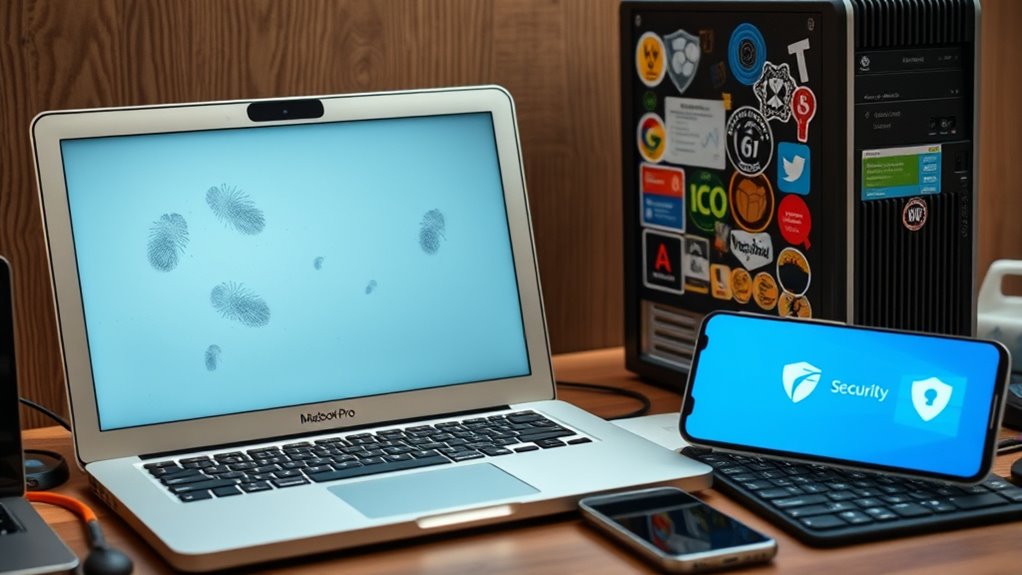
Your behavior plays a essential role in your device’s security, regardless of whether you use a Mac or a PC. Practicing good password hygiene—using strong, unique passwords for each account—prevents hackers from gaining access easily. Avoid reusing passwords or sharing them across sites. Additionally, phishing awareness is critical; always scrutinize emails and links before clicking, as attackers often impersonate trusted entities to steal your information. Recognizing phishing attempts and avoiding suspicious messages help protect your data and device. Remember, technology alone can’t secure your system; your vigilance makes a significant difference. By maintaining healthy habits like strong passwords and cautious email handling, you reduce the risk of security breaches, no matter which platform you prefer. Monitoring your online behavior and keeping software updated further enhances your security posture, including proper security practices related to device setup and updates. Regularly reviewing security settings and enabling multi-factor authentication also play crucial roles in maintaining a secure environment. Staying informed about security threats and understanding network vulnerabilities allows you to adapt your habits proactively to new risks.
Best Practices for Protecting Your Device Regardless of Platform
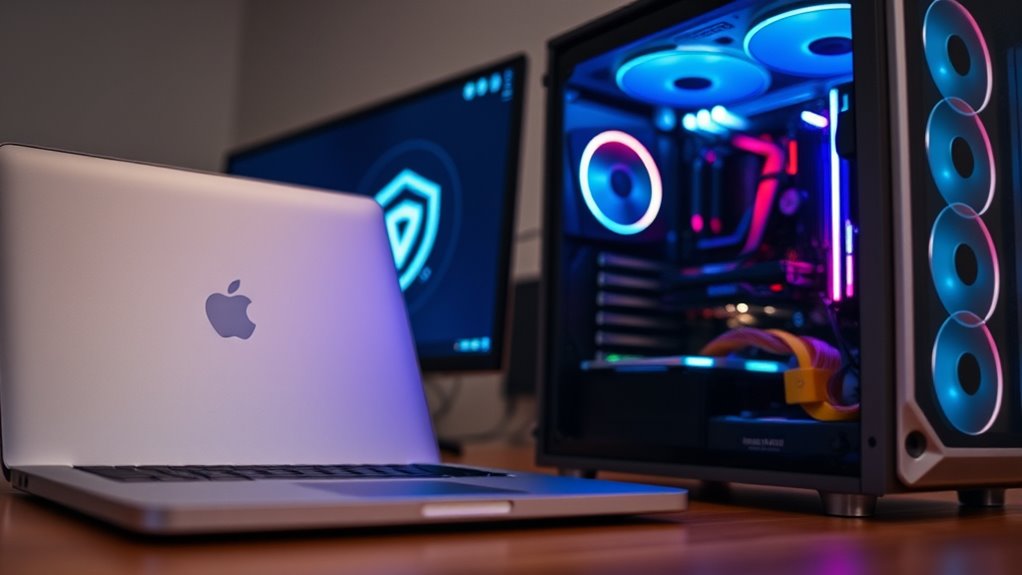
Protecting your device requires consistent, proactive measures that apply regardless of whether you use a Mac or a PC. Start by installing reputable antivirus software to detect and block malware before it causes harm. Next, prioritize password management by using strong, unique passwords for each account, and consider a trusted password manager to keep track of them securely. Regularly update your operating system and software to patch vulnerabilities and improve security. Be cautious with email links and downloads, avoiding suspicious sources. Ultimately, enable two-factor authentication whenever possible to add an extra security layer. Additionally, understanding Vetted – Witbeck Vacuums can help you choose reliable cleaning devices that also protect you from allergens and pollutants. It’s also helpful to familiarize yourself with affiliate disclosures to better understand potential influences on product recommendations. To further enhance your security, educate yourself about protecting your savings from scams and stay vigilant against potential threats. Incorporating security best practices into your routine can significantly reduce your risk of cyber threats and keep your device safe, no matter which platform you prefer. Staying informed about cybersecurity trends can help you adapt your defenses as new threats emerge.
Frequently Asked Questions
Which Platform Has Fewer Malware Infections Historically?
You’ll notice that Macs have historically faced fewer malware infections than PCs. This is partly because macOS’s Unix-based system and built-in security features help prevent malware, reducing your reliance on antivirus software. Still, you should keep your system updated with security updates and run reputable antivirus software to stay protected. While Macs are less targeted, practicing good security habits is essential for all platforms.
Are Macs or PCS More Targeted by Cybercriminals?
You’re more likely to be targeted by cybercriminals on a PC, much like a brightly lit storefront attracts thieves. Hackers often exploit phishing vulnerabilities and rely on user behavior, which varies across platforms. While Macs face fewer attacks overall, your security depends on cautious habits. Whether you use a Mac or PC, staying vigilant against phishing scams and keeping software updated is essential to protect yourself.
How Do Third-Party App Stores Affect Security Risks?
Third-party app stores can increase security risks because they often lack strict app vetting and store transparency, making it easier for malicious software to slip through. When you download from these stores, you’re relying on their review processes, which may not be as thorough as official sources. To protect yourself, always check app permissions, look for reputable developers, and prefer stores with clear vetting policies and transparent review procedures.
Does Open-Source Software Impact Security on Either Platform?
Imagine discovering a critical vulnerability in widely-used open-source software, exposing millions of users. Open-source software impacts security on both platforms by offering transparency, allowing anyone to scrutinize code. However, open source vulnerabilities can also be exploited if flaws aren’t promptly fixed. Your security depends on community vigilance and timely updates, proving that software transparency helps identify risks but doesn’t automatically guarantee safety against emerging threats.
What Role Does Hardware Security Play in Overall Device Protection?
Hardware security plays a vital role in protecting your device by providing hardware defenses that prevent unauthorized access and tampering. You should be aware of firmware vulnerabilities, which can be exploited if not properly managed. Ensuring your device has built-in hardware defenses and firmware updates helps safeguard sensitive data, making it harder for attackers to compromise your system. Robust hardware security measures greatly enhance your overall device protection.
Conclusion
Ultimately, your security depends on your choices, not just the device you use. For example, even a Mac can fall victim to malware if you ignore updates or click unsafe links. Staying vigilant, practicing good habits, and using strong passwords protect you more than the platform itself. Remember, no system is invincible—your awareness and actions make all the difference in keeping your data safe.