
To give your PC an effective rest, choose based on your needs. Shutting down saves energy, reduces heat, and prolongs hardware life, making it ideal for long periods of inactivity. Sleep mode offers quick resumes and low power use but can slightly wear hardware if used constantly. Hibernate saves your work and uses no power, perfect for extended breaks without losing progress. Understand these options so you can optimize your PC’s health and efficiency—there’s more to evaluate as you continue.
Key Takeaways
- Regular shutdown maximizes energy savings and reduces hardware wear by completely powering off your PC.
- Sleep mode offers quick resume but uses minimal power, making it ideal for short breaks or quick tasks.
- Hibernate saves your session to disk, consuming no power and suitable for extended periods away from your PC.
- For long-term inactivity, shutting down is best to conserve energy and prolong hardware lifespan.
- Use sleep for convenience during short breaks and shutdown or hibernate for longer periods to optimize performance and longevity.
Deciding how to give your PC a rest can impact its performance and lifespan. When you choose to shut down, sleep, or hibernate, you’re affecting not just how much energy your device uses but also how long its hardware stays in good shape. Each option has its benefits and drawbacks, so understanding how they influence energy consumption and hardware longevity helps you make better decisions for your computer’s health.
Shutting down your PC completely turns it off, cutting all power to its components. This is the most energy-efficient choice, as it consumes zero power when off. Plus, turning off your PC regularly can help extend the lifespan of hardware parts by giving them a break from constant operation and heat exposure. When hardware isn’t running, it’s less likely to experience wear and tear caused by heat cycles or continuous operation. If you’re not planning to use your PC for an extended period, shutting down is the best way to conserve energy and protect your hardware in the long run.
Shutting down your PC helps conserve energy and extends hardware lifespan.
Sleep mode is designed for quick resumes, putting your PC into a low-power state while keeping your work and applications in memory. It uses a small amount of energy, enough to keep the RAM powered so you can pick up where you left off almost instantly. While sleep mode is convenient, it’s not the most energy-efficient option if you’re not going to use your PC for a while, because it still consumes power. Over time, frequent use of sleep mode can have minimal effects on hardware longevity, mainly because it keeps components in a semi-active state. However, if you leave your PC in sleep mode constantly or for extended periods, you might see a slight decrease in hardware lifespan due to the continuous power draw and heat generated during sleep. Using a high-quality projector in a home theater setup can provide an immersive viewing experience, but it also requires proper maintenance and power management to ensure longevity.
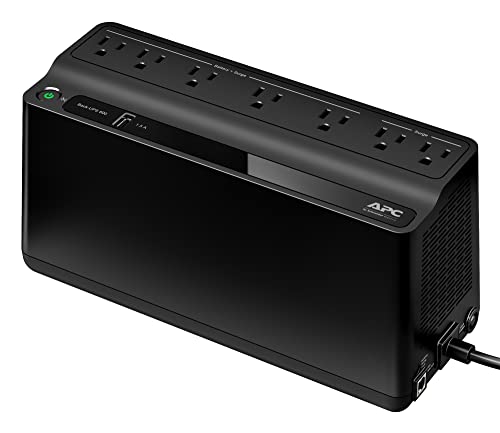
APC UPS 600VA / 330W UPS Battery Backup & Surge Protector, 7 Outlets (NEMA 5-15R), USB Charging Port, BE600M1 Uninterruptible Power Supply for Computers, Wi-Fi Routers, and Home Office Electronics
600VA / 330W RELIABLE BACKUP POWER: Supplies short‑term battery power during outages to maintain internet connectivity and allow…
As an affiliate, we earn on qualifying purchases.
As an affiliate, we earn on qualifying purchases.
Frequently Asked Questions
How Does Shutting Down Affect System Updates and Software Installation?
Shutting down your PC can temporarily interrupt system updates and software installations, causing delays. When you power off, updates might not complete, leading to repeated prompts or longer installation times when you restart. To avoid system update interruptions and software installation delays, consider scheduling shutdowns after updates or choosing sleep mode instead. This way, your system continues background processes without affecting the installation process, ensuring smooth updates and installations.
Can Sleep Mode Cause Data Corruption in Certain Scenarios?
Think of sleep mode as a fragile bridge. In rare cases, it can cause data corruption if there’s a sudden power loss or hardware failure. Data loss might occur if your system doesn’t wake properly or if there’s an error during sleep. To avoid this, confirm your hardware is reliable, keep backups, and shut down during critical updates or hardware issues, preserving your data and system integrity.
Is Hibernation Safe for Long-Term Storage of Work Sessions?
Hibernation is generally safe for long-term data preservation of your work sessions, but it’s not ideal for hardware longevity. When you hibernate, your PC saves your session to disk and powers down, reducing wear on components. However, frequent hibernation could lead to data corruption or hardware strain over time. For ideal long-term storage and hardware health, consider shutting down your PC regularly and backing up important files.
How Does Power Consumption Differ Between Sleep and Hibernate Modes?
Imagine you’re working late, and your PC is in sleep mode. Sleep consumes more power than hibernate because it keeps RAM active, leading to higher power draw. Hibernate, on the other hand, saves your session to disk and uses minimal energy, making it more energy efficient for long periods of inactivity. If you want to save energy, hibernate is the better choice, as it considerably reduces power consumption.
Are There Risks of Hardware Damage From Frequent Sleep or Hibernate Use?
Frequent use of sleep or hibernate modes generally doesn’t cause hardware damage, but it can contribute to hardware wear and component stress over time. You might notice minor issues like reduced battery life or occasional startup delays. To minimize risks, avoid repeatedly putting your PC into sleep or hibernate if it’s not necessary. Instead, consider shutting down your device periodically for ideal hardware longevity and to reduce ongoing component stress.

HOTLIFE Undetectable Mouse Jiggler, USB Mover Device Keeps PC Awake, Driver-Free Wiggler Auto Shaker with 3 Mode Switch Button to Keep Laptop Computer Screen Active, Black
【Computer Helper】Mouse Jiggler is an ideal design for computer/laptop, it auto simulates mouse movements, prevents your computer from…
As an affiliate, we earn on qualifying purchases.
As an affiliate, we earn on qualifying purchases.
Conclusion
Choosing between shutting down, sleeping, or hibernating depends on your needs. For example, if you’re heading out for a quick errand, sleep mode helps you resume work fast. But if you’re leaving for days, shutting down conserves energy better. Think of it like a car: you’d turn off the engine for long stops but keep it idling briefly for quick trips. Pick the right option to keep your PC ready and save energy!

Seagate Portable 2TB External Hard Drive HDD — USB 3.0 for PC, Mac, PlayStation, & Xbox -1-Year Rescue Service (STGX2000400)
Easily store and access 2TB to content on the go with the Seagate Portable Drive, a USB external…
As an affiliate, we earn on qualifying purchases.
As an affiliate, we earn on qualifying purchases.

PC Power Button with 118" Cable – Desktop Computer External ON/Off Switch LED Indicator, PC Power Supply Button SW Extension with Adhesive Mount, Splitter for Computer Motherboard (Black, 118")
【External Desktop PC Power Switch】 If the case is placed in a hard-to-reach place, use this switch to…
As an affiliate, we earn on qualifying purchases.
As an affiliate, we earn on qualifying purchases.