
To run old software or games on a new PC, you can try compatibility mode in Windows by right-clicking the program, selecting Properties, and choosing the appropriate compatibility setting. If that doesn’t work, consider using virtual machines to run older operating systems or emulators like DOSBOX for classic games. Compatibility layers, dual boot setups, or cloud-based virtual desktops also help. Keep exploring these options to find the best solution for your needs.
Key Takeaways
- Use Compatibility Mode in Windows by adjusting properties of the program to match an older OS.
- Install software updates or patches to ensure compatibility with your current system.
- Run legacy applications within virtual machines configured with older operating systems.
- Employ emulators or compatibility layers like DOSBOX for older games and software.
- Consider cloud-based virtual desktops to access and run outdated programs remotely on modern hardware.

VirtualBox Super Kit VM Software and Operating System Collection for Windows & Mac Fedora, Android, Dos, Open Solaris, Bsd, Nexenta, Mandriva & Setup Guide
👍 Install many operating systems on one computer. Fedora, Android, Dos, Open Solaris, Bsd, Nexenta, Mandriva are your…
As an affiliate, we earn on qualifying purchases.
As an affiliate, we earn on qualifying purchases.
Using Compatibility Mode in Windows
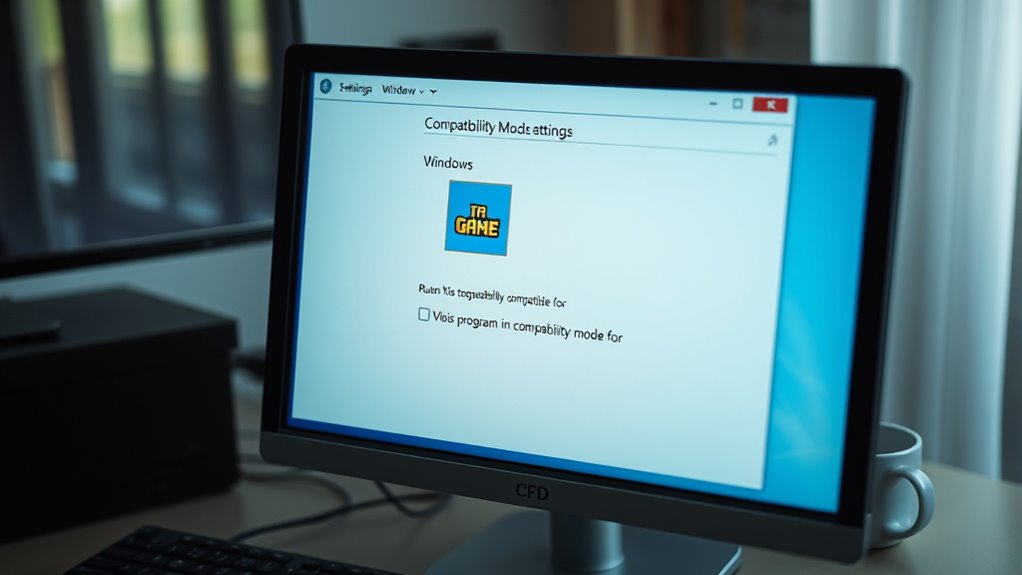
If your old software or game isn’t running properly on a new Windows PC, compatibility mode can often fix the issue. This feature helps improve software compatibility by adjusting system settings to mimic an earlier version of Windows. To enable it, right-click the program’s executable or shortcut, then select “Properties.” Navigate to the “Compatibility” tab, where you’ll find options to run the program in compatibility mode for a specific Windows version. Check the box labeled “Run this program in compatibility mode for,” and choose the appropriate OS from the dropdown menu. Applying these system settings allows your legacy software or game to function more smoothly, bypassing compatibility issues caused by updates or changes in Windows. This simple adjustment often saves you from needing more complex solutions. Detecting passive voice can help improve your writing clarity by identifying sentences that may need rewriting. Additionally, adjusting the contrast ratio settings within compatibility options can sometimes enhance display performance for older applications. Understanding software compatibility considerations can also help prevent future issues when running legacy programs on newer systems. Being aware of system updates and their impact on older software can further assist in maintaining functionality over time. Regularly reviewing compatibility settings can also help ensure ongoing software performance as Windows updates continue.

Kinhank 500G HDD External Hard Drive with Batocera 33 System, Retro Game Console with 111700 Games, Compatible with Most Emulators,SATA 3.0, for Laptop/PC/Windows/Mac OS (Without Controller)
【Plug and Play】Kinhank hard drive is plug and play,no driver needed,just a data cable connection, your computer will…
As an affiliate, we earn on qualifying purchases.
As an affiliate, we earn on qualifying purchases.
Installing Virtual Machines for Legacy Operating Systems
To run older software or games, you’ll need to choose the right virtual machine software, like VirtualBox or VMware. Once you’ve selected your tool, setting up a legacy OS becomes straightforward with step-by-step instructions. This approach keeps your main system intact while giving you a dedicated environment for vintage programs. Additionally, safe installation practices can help you avoid potential security risks and ensure your virtual machines operate smoothly. Using style guidance can help optimize your virtual setup for better performance and compatibility. local automation features can help you streamline the process and manage your virtual machines more efficiently. Understanding virtual machine software options ensures you select the best solution for your specific legacy software needs. Moreover, familiarizing yourself with legacy operating systems can further improve compatibility and stability during setup.
Selecting Virtual Machine Software
Choosing the right virtual machine software is essential when setting up a legacy operating system on your new PC. You need to take into account software licensing, ensuring the VM software is legally obtained and compatible with your system. Some options, like VirtualBox, are free, while others, such as VMware Workstation, require a purchase. Hardware requirements are also vital; your PC should have sufficient RAM, CPU power, and storage to run the VM smoothly. Check that the VM software supports your host OS and the specific legacy OS you want to run. Compatibility and licensing terms can influence your choice. By selecting software that aligns with your hardware and legal considerations, you’ll create a stable, efficient environment for running outdated software or games.
Setting Up Legacy OS
Setting up a legacy operating system on your new PC begins with installing your chosen virtual machine software and configuring a new virtual machine (VM). Once installed, create a VM and allocate sufficient hardware resources like CPU, RAM, and storage, considering any hardware upgrades needed for peak performance. When configuring network settings, select NAT or bridged mode to guarantee proper connectivity—this is vital if your old software relies on network features. Be mindful of hardware compatibility; legacy OS might need specific virtual hardware options. Adjust network configurations to suit your setup, enabling seamless internet and local network access. By carefully setting up hardware allocations and network options, you’ll create a stable environment for running your legacy OS, guaranteeing compatibility and performance on your modern PC. Additionally, understanding hardware compatibility ensures your virtual machine runs smoothly without driver conflicts or performance issues. Ensuring virtual hardware options are correctly configured can prevent many common issues faced when running legacy systems. Incorporating software compatibility considerations can further improve stability and functionality within your VM environment. Moreover, selecting the correct legacy OS version can greatly influence overall system stability and compatibility. To optimize performance, consider researching virtualization best practices tailored to legacy OS setups.

Windows 11 bootable USB for Repair | Recovery | Re-Installation | fix Boot Errors – fix Update Errors – Works with Most All Computers If The PC Supports UEFI Boot Mode or Already Running Windows 11
Insert this USB. Boot the PC. Then set the USB drive to boot first and repair or reinstall…
As an affiliate, we earn on qualifying purchases.
As an affiliate, we earn on qualifying purchases.
Employing Emulators for Classic Gaming Platforms

Choosing the right emulator is key to running classic games smoothly on your new PC. Once you pick one, you’ll need to adjust the settings to match the original platform’s performance and controls. Proper configuration guarantees an authentic experience without technical hiccups. Additionally, understanding concepts like Free Floating can help optimize your setup for better compatibility and performance.
Choosing the Right Emulator
Selecting the right emulator is essential for a smooth and authentic gaming experience on your new PC. First, consider the hardware requirements; some emulators demand more processing power or graphics capabilities to run smoothly. Check the emulator’s specifications and compatibility with your system before downloading. Additionally, legal considerations are vital—ensure you own the original game or software and use legitimate copies, as piracy can lead to legal issues. Research different emulators for your target platform, reading reviews and user feedback to find one that’s reliable and user-friendly. Keep in mind that some emulators are more accurate or easier to configure than others. Choosing wisely helps you enjoy your classic games without frustrating glitches or legal troubles.
Configuring Emulator Settings
Once you’ve installed your emulator, configuring its settings correctly is essential for a smooth gaming experience. Start by adjusting the user interface for easy navigation, ensuring controls are intuitive. Check the hardware requirements to optimize performance; allocate enough RAM and CPU resources. Tweak graphics settings to balance visual quality and smooth gameplay, especially if your PC is new. Use this table as a quick reference:
| Setting | Recommended Adjustment |
|---|---|
| User Interface | Customize controls for comfort |
| Hardware Allocation | Increase CPU and RAM usage for better speed |
| Graphics Settings | Lower resolution if experiencing lag |
| Audio Settings | Enable or disable sound enhancements |
Properly configuring these settings guarantees compatibility and enhances your classic gaming experience.
legacy operating system virtual machine
As an affiliate, we earn on qualifying purchases.
As an affiliate, we earn on qualifying purchases.
Utilizing Compatibility Layers Like DOSBOX
When running old software or games on a modern PC, compatibility layers like DOSBOX can be invaluable tools. They emulate older operating systems, allowing you to run legacy applications smoothly. To get started, you’ll need to:
- Configure DOSBOX settings to optimize performance and compatibility with your software.
- Transfer files into the DOSBOX environment, often requiring file transfer techniques to access game files or data.
- Consider hardware upgrades if performance issues persist, as older software may demand specific resources that default modern hardware can’t provide.
- Utilizing compatibility layers like DOSBOX streamlines the process, eliminating the need for extensive hardware modifications. It’s an efficient way to enjoy vintage games without risking system stability. Compatibility layers streamline running old software on new systems, saving you time and effort.
Setting Up Dual Boot Systems for Multiple OSes

Setting up a dual boot system allows you to run multiple operating systems on a single PC, giving you the flexibility to choose the right environment for different tasks. To start, verify your hardware upgrades support both OSes, especially if one requires specific drivers or additional RAM. Partition your drive carefully, allocating space for each OS, and use a reliable boot manager like GRUB or Windows Boot Manager to select between them at startup. Before making changes, implement backup strategies to safeguard your data, preventing potential loss during setup. Keep your system’s firmware and drivers up to date to enhance compatibility. Additionally, consider compatibility requirements when selecting your OS options to ensure smooth operation. Being aware of software compatibility helps prevent issues with legacy applications. Planning your partitioning strategy carefully can streamline the setup process and prevent issues down the line. Understanding Vetted – wave and wind compatibility considerations further ensures your hardware can support both systems effectively. By planning thoroughly and backing up your data, you can enjoy running older and newer systems side-by-side, making it easier to run legacy software or games on your new PC. Additionally, researching hardware support for each OS can help identify potential issues before they arise.
Applying Software Patches and Updates
Applying software patches and updates is essential for maintaining your system’s security and performance. Proper update management guarantees old software runs smoothly and stays protected from vulnerabilities. To do this effectively:
- Regularly check for updates from software developers or use automatic update features.
- Install patches promptly to fix bugs and close security gaps.
- Keep your system’s operating system and drivers current to support older applications.
- Considering the use of electric bikes or generators can provide sustainable energy options for powering your hardware during updates or maintenance.
- Staying informed about sound healing science can also inspire innovative ways to incorporate wellness into your technology routines.
- Additionally, understanding piercing care and hygiene principles can help prevent infections and ensure your hardware remains in optimal condition during maintenance.
- Regular cleaning and maintenance of hardware components, similar to air purifier maintenance dos and don’ts, help prevent dust buildup and ensure optimal performance during software updates.
- Being aware of all waterparks and their maintenance practices can offer insights into water-resistant hardware solutions that improve durability during tech upkeep.
Leveraging Cloud-Based Virtual Desktops
Leveraging cloud-based virtual desktops offers a flexible and cost-effective solution for running old software or games on a new PC. With a cloud desktop, you access a remote environment that hosts your legacy applications, eliminating compatibility issues. This approach allows you to run remote applications seamlessly, as if they were installed locally on your machine. You simply connect to a virtual desktop through an internet connection, bypassing hardware limitations or outdated operating systems. Cloud services provide the necessary processing power and storage, ensuring your old software functions smoothly without the need for complex setups. This method is ideal if you want quick access without cluttering your system or risking security vulnerabilities. Overall, cloud-based virtual desktops are a practical way to keep your vintage software alive on modern hardware.
Exploring Dedicated Legacy Software Compatibility Tools
When compatibility issues prevent old software or games from running smoothly on your new PC, dedicated legacy software compatibility tools can be invaluable. These tools often emulate or modify your system environment, making it easier to run outdated programs. To get started, consider these steps:
- Check software licensing restrictions to ensure you’re legally permitted to use compatibility tools or virtual environments.
- Review hardware requirements, as some tools demand specific system specs or additional resources.
- Test different compatibility modes or dedicated emulators to identify the best fit for your software’s needs.
Using these tools can help bridge the gap between modern hardware and legacy software, guaranteeing you preserve your digital experiences without sacrificing system stability.
Frequently Asked Questions
Can I Run Old Software Without Installing Additional Programs?
You can often run old software without extra programs if it’s compatible with your current system. Try running the software directly; if it doesn’t work, compatibility mode might help. Keep in mind, using emulators can enhance compatibility, but check their legality in your region. While some older programs may work seamlessly, others might require additional tools to guarantee proper functionality. Always consider software compatibility and emulator legality before proceeding.
Is There a Risk of Data Loss Using Compatibility Solutions?
They say, “Better safe than sorry,” and that’s true with compatibility solutions. Using them can pose a small risk to data security, especially if software updates aren’t kept current. While most solutions are safe, always back up your data first. Compatibility tools are designed to help, but staying vigilant about updates and security measures reduces the risk of data loss. Trust in cautious steps to keep your data secure.
How Do I Troubleshoot if the Software Still Doesn’t Work?
If your software still doesn’t work, start by checking for any available software updates that could improve compatibility. Try running the program in a virtual machine, which creates a controlled environment for older apps. Also, adjust compatibility settings in the software’s properties menu. If issues persist, consider reinstalling the software or seeking specific troubleshooting guides for your operating system. These steps often resolve stubborn compatibility problems.
Are There Legal Issues With Emulating Old Games?
Think of emulating old games as walking a legal tightrope. While some emulators are legal, copyright concerns can make it tricky. Generally, you can legally use emulators if you own the original game and create backups for personal use. However, distributing ROMs or BIOS files often breaches copyright laws. Always check your country’s legal considerations to avoid falling into legal trouble while reliving classic games.
Will My Hardware Affect Compatibility With Legacy Software?
Your hardware can definitely affect compatibility with legacy software. Newer PCs often lack the hardware compatibility or legacy support needed for older programs or games. To improve your chances, consider using compatibility modes, updating drivers, or employing virtual machines. If your hardware isn’t compatible, these solutions help bridge the gap, ensuring your legacy software runs smoothly without needing to downgrade your entire system.
Conclusion
With these tips, running old software or games on your new PC becomes a walk in the park, like turning back time with a magic wand. Whether you use compatibility modes, virtual machines, or emulators, you hold the key to revealing decades of digital nostalgia. So, don’t let your favorite classics gather dust—bring them back to life and enjoy the best of both worlds, seamlessly bridging the past and present.