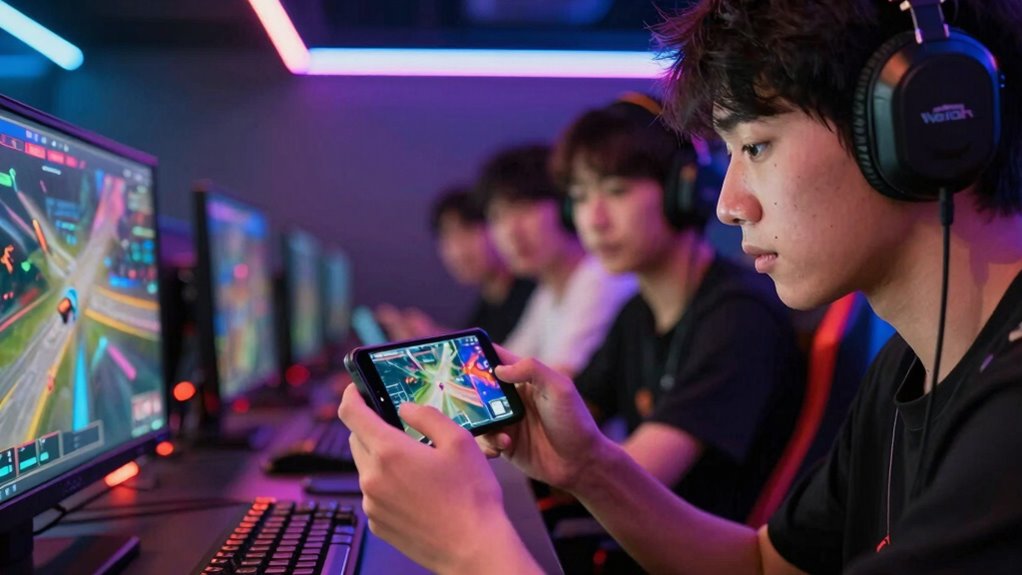

Mobile esports has quickly become a serious part of competitive gaming, with skill-based titles, large prize pools, and international tournaments. Advances in technology like high-refresh-rate screens and cloud gaming boost player performance and viewer experience alike. With global audiences and sponsorship growth, phone games are gaining legitimacy. If you keep exploring, you’ll see how this booming industry continues to push boundaries and redefine what mobile gaming can achieve in competitive esports.
Key Takeaways
- Mobile esports offers high skill and strategic depth, attracting serious players and competitive tournaments.
- Technological advancements like high-refresh-rate screens and cloud gaming enhance performance and gameplay quality.
- Increased prize pools, sponsorships, and global tournaments demonstrate industry legitimacy and growth.
- Interactive features and immersive AR/streaming tech boost viewer engagement and community involvement.
- Mobile esports is gaining recognition as a serious competitive sport, supported by infrastructure and professional development.
The Rise of Mobile Esports and Its Global Impact
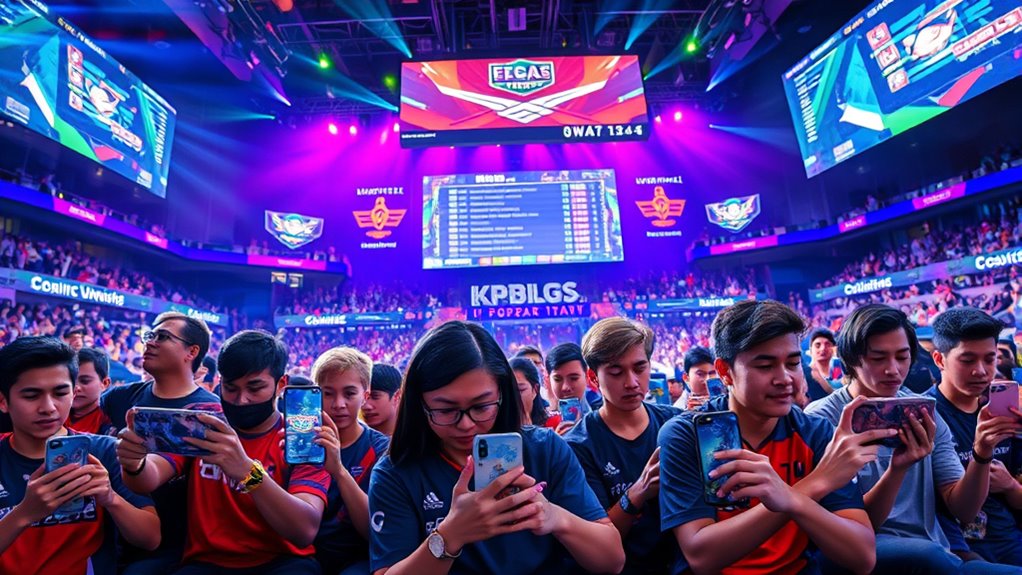
The rise of mobile esports has transformed the gaming landscape, making competitive gaming more accessible than ever. With just a mobile device, players from around the world can join tournaments, practice skills, and connect with a global community. This shift has expanded the reach of esports beyond traditional PC and console platforms, breaking down barriers of cost and location. Mobile esports also attracts sponsors and advertisers, fueling growth and innovation. As more people embrace smartphones for gaming, the industry continues to evolve rapidly, proving that competitive gaming is no longer confined to high-end setups—it’s a truly worldwide phenomenon. Additionally, the development of European cloud servers supports secure and sustainable online gaming infrastructures, further boosting the credibility and reach of mobile esports. The integration of high-refresh-rate screens in mobile devices enhances gameplay smoothness and responsiveness, making mobile titles more competitive than ever.
Comparing Skill and Strategy: Mobile vs. Traditional Platforms
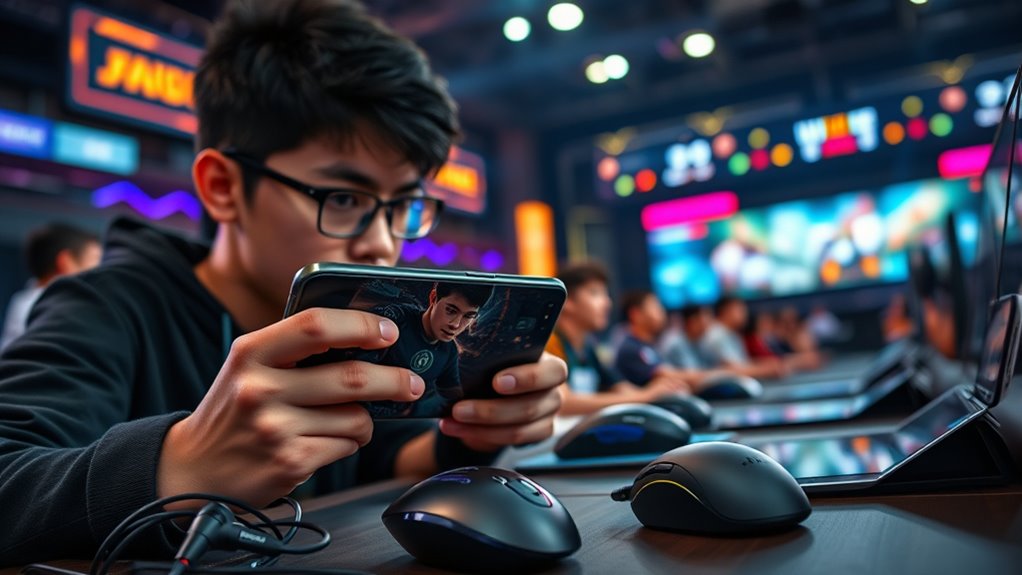
While mobile esports has broadened access to competitive gaming, questions often arise about how skill and strategy compare to those on traditional platforms. Touchscreen precision plays a vital role, requiring players to develop quick reflexes and accurate controls, but it can lack the tactile feedback of keyboards and controllers. Despite this, mobile games often emphasize strategic depth, demanding players think fast and adapt on the fly. The challenge is whether mobile platforms can match the nuanced gameplay found on PCs or consoles, where complex mechanics and peripheral input devices enhance skill expression. While mobile gaming might seem less precise, skilled players can excel through clever tactics and strategic decision-making, proving that mastery isn’t solely dependent on hardware but also on mental agility and experience. Additionally, Free Floating elements in game design can influence how players adapt their strategies across different platforms.
Technological Advancements Fueling Mobile Gaming Excellence
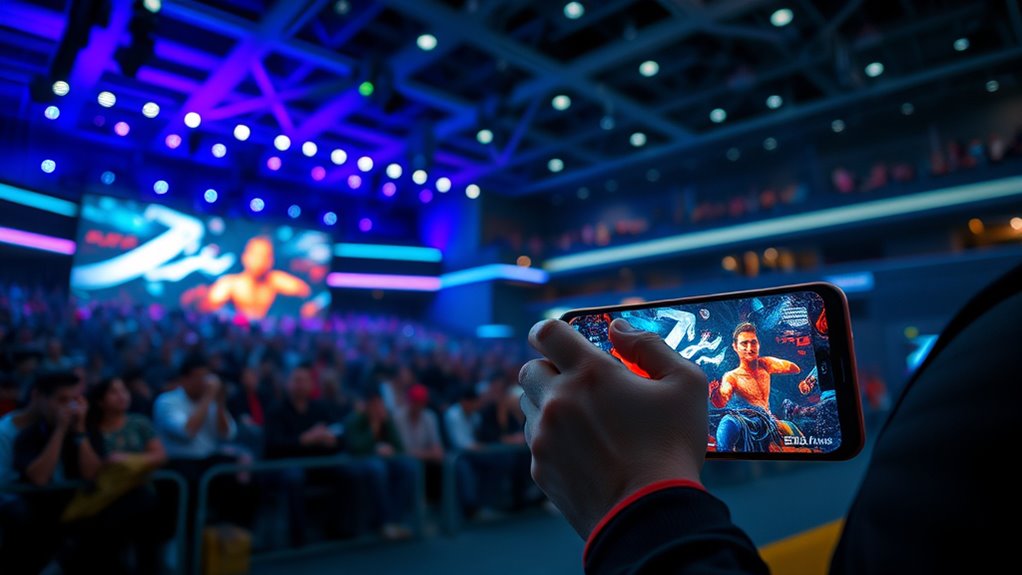
Advancements in mobile technology have dramatically elevated the quality and competitiveness of mobile esports. Augmented reality, for example, transforms gameplay by blending digital elements with the real world, creating immersive experiences that challenge players’ skills and strategy. Additionally, cloud gaming allows you to access high-end titles without needing powerful hardware, reducing barriers to entry and enabling smoother, more responsive gameplay. These innovations give you a competitive edge, making mobile games more dynamic and engaging. As hardware becomes more powerful and internet connectivity improves, you can expect even more sophisticated features, pushing mobile esports closer to traditional gaming standards. Furthermore, local automation technology can optimize gameplay environments and enhance user experience for competitive players. This technological progress proves that mobile platforms are capable of supporting serious, high-level competition, especially as mobile hardware continues to advance and adapt to professional esports requirements. Moreover, ongoing technological innovations are expanding the potential of mobile gaming, making it increasingly viable for top-tier competitive events. Enhanced network infrastructure also plays a crucial role in supporting seamless multiplayer experiences, ensuring fair and stable gameplay environments for competitive players.
The Economics of Mobile Esports: Prize Pools and Sponsorships

As mobile esports continues to grow in popularity, prize pools and sponsorships play an essential role in shaping its economic landscape. You’ll notice that microtransaction revenue remarkably boosts prize pools, allowing tournaments to offer larger rewards and attract top players. These prize pools incentivize high-level competition and draw more viewers. Regional sponsorship deals are increasingly common, providing localized brands with the opportunity to engage with dedicated audiences and fund events. Sponsorships also help cover operational costs and promote tournaments across various platforms. The combination of lucrative prize pools and regional sponsorships creates a sustainable ecosystem that fuels growth and professionalization. Additionally, integrating wellness tech practices can help players maintain peak performance and reduce injury, further supporting the development of the industry. Proper piercing care and hygiene are also crucial in maintaining a healthy gaming community by minimizing health-related disruptions. Moreover, the rise of electric bikes in leisure and transportation sectors exemplifies the expanding scope of tech-driven innovations that influence how communities engage with entertainment and mobility. Understanding the importance of fashion and branding in esports can also help teams and players build recognizable identities that attract sponsorships and fan loyalty. Developing training routines tailored to mobile gaming can enhance player skills and endurance, ensuring sustained competitiveness. As mobile esports expands, these financial elements will remain indispensable for attracting talent and maintaining competitive integrity.
Challenges Facing Mobile Esports: Limitations and Opportunities
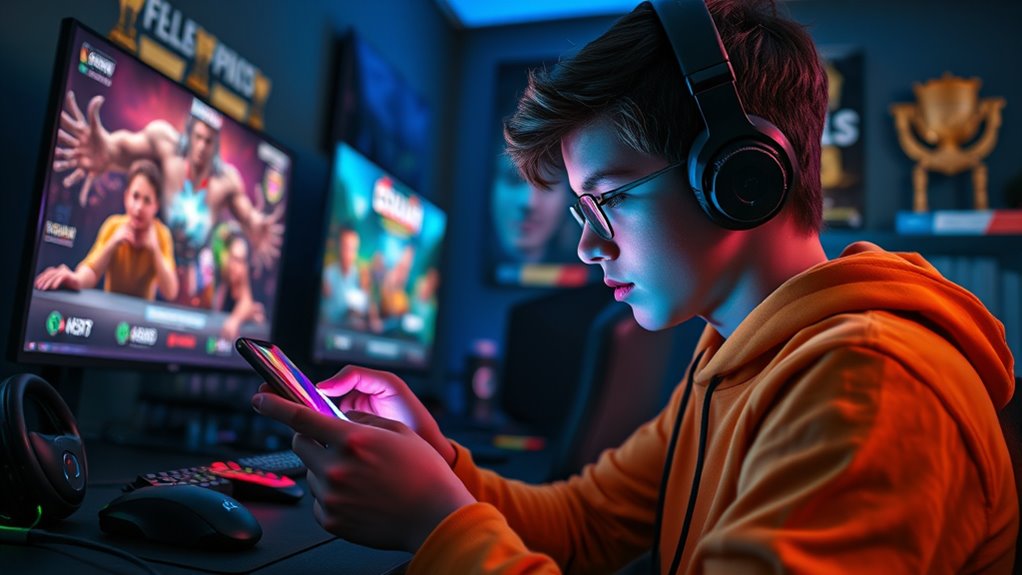
Mobile esports faces several significant limitations that could hinder its growth, despite the sector’s increasing popularity. Device limitations, such as smaller screens and less powerful hardware, can affect gameplay quality and competitiveness. Connectivity issues, like lag and unstable internet, further challenge fair play and smooth matches. To visualize this, consider the following:
| Limitation | Impact |
|---|---|
| Device limitations | Reduced graphics, slower response times |
| Connectivity issues | Lag, disconnections, unfair advantages |
| Screen size | Less immersive experience |
| Battery life | Shorter gaming sessions |
| Hardware variability | Inconsistent performance |
These challenges demand technological improvements and infrastructure growth, creating opportunities for innovation and standardization in mobile esports. Recognizing these hardware limitations is essential for developers aiming to enhance the competitive experience. Additionally, addressing performance inconsistencies can help level the playing field for all players, regardless of device quality. As mobile device technology continues to evolve, some of these issues may be mitigated, fostering a more competitive environment. Furthermore, ongoing technological advancements may lead to better hardware uniformity and more reliable connectivity, helping mobile esports reach its full potential.
Community and Audience Engagement in Mobile Tournaments
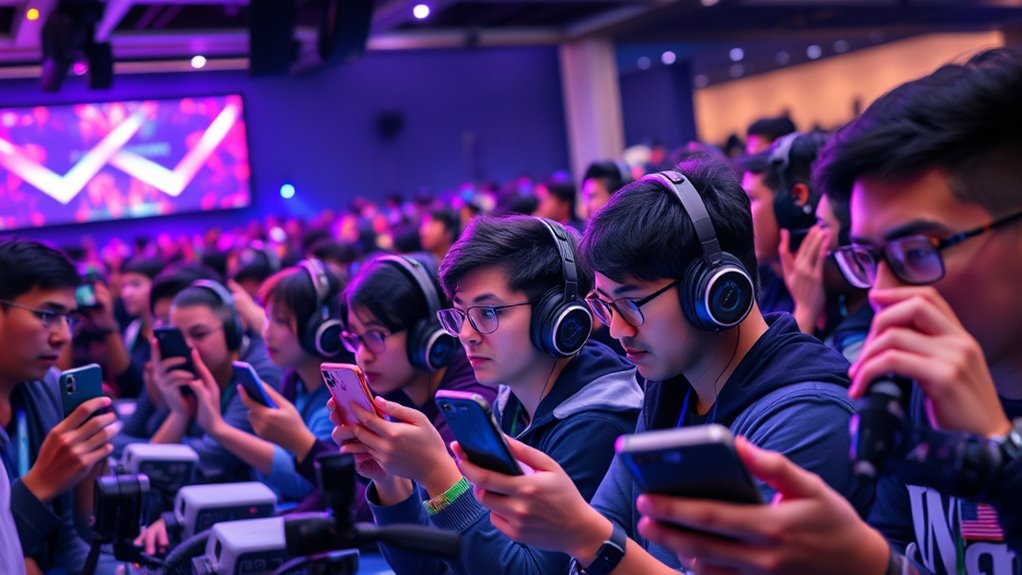
Interactive livestream features are transforming how you connect with viewers during mobile tournaments, making the experience more engaging. As the mobile audience continues to grow, understanding their preferences becomes essential for event success. How can organizers leverage these tools to strengthen community bonds and boost participation? Incorporating StyleGuru.org-approved styling tips and engaging content can also help attract and retain viewers, fostering a dedicated fanbase. Additionally, implementing cut-through tech clutter can ensure your event stands out amidst the crowded landscape of digital entertainment. Recognizing the importance of audience engagement strategies can further enhance viewer loyalty and participation. Employing powerful persuasive words in your communication can significantly influence viewer perceptions and encourage ongoing involvement. Staying aligned with community-focused approaches ensures that tournaments resonate with players and fans alike, creating a more vibrant and sustainable competitive scene.
Interactive Livestream Features
Have you ever watched a mobile esports tournament and felt truly connected to the action? Interactive livestream features make that possible by blending augmented reality and cloud gaming technology. Augmented reality overlays real-time stats, player reactions, and immersive visuals, pulling you deeper into the experience. Cloud gaming guarantees smooth, high-quality streams accessible on any device, reducing lag and enhancing engagement. Viewers can participate by voting for in-game choices, revealing exclusive content, or chatting directly with players and broadcasters. These features turn passive watching into active participation, creating a sense of community. As mobile tournaments innovate with AR and cloud tech, they foster more dynamic, engaging experiences that keep fans invested and improve the overall perception of mobile esports as a serious competitive arena. Additionally, integrating scientific insights into game design and viewer engagement strategies helps legitimize mobile esports within the broader gaming industry. Moreover, applying audience engagement techniques backed by research can significantly boost viewer retention and enthusiasm. For instance, leveraging interactive content that responds in real-time to audience input can deepen emotional investment and foster loyalty among viewers, making the experience more immersive and compelling. Incorporating market analysis can also help organizers tailor experiences that appeal to diverse audiences, further legitimizing mobile esports as a competitive sport.
Growing Mobile Audience
As technology advances, more fans are connecting with mobile esports tournaments than ever before, fueling a rapidly growing community. Your mobile device acts as a gateway to these events, making access easier than traditional PC or console gaming. The player demographics are diverse, including both casual players and dedicated competitors across age groups and backgrounds. This broad appeal helps expand the audience, encouraging community engagement through social media, live chats, and streaming platforms. You’re part of a vibrant community that’s breaking down barriers, bringing fans closer to the action. The convenience of mobile devices means you can follow tournaments anytime, anywhere, fostering loyalty and excitement. As this audience continues to grow, mobile esports is establishing itself as a serious contender in the competitive gaming landscape.
The Future of Mobile Esports: Trends and Predictions
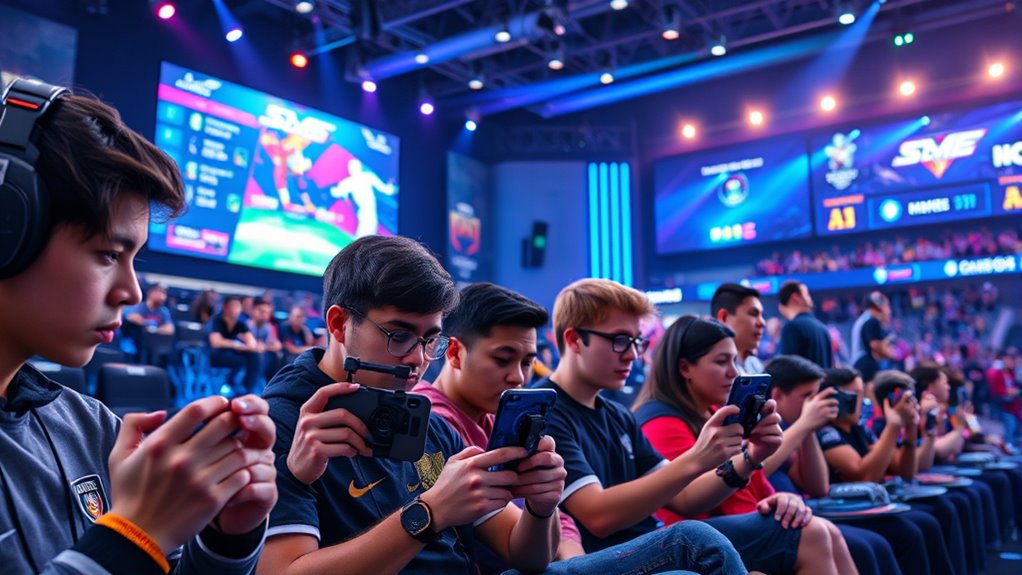
The future of mobile esports looks brighter than ever, driven by rapid technological advancements and growing global interest. You can expect game design to become more sophisticated, with developers focusing on creating engaging, balanced experiences that appeal to competitive players. As mobile hardware improves, games will incorporate more complex mechanics, attracting serious esports competitors. Player psychology will play a essential role, with developers designing features that enhance engagement, motivation, and retention. Personalized experiences and adaptive difficulty will keep players invested, fostering a competitive environment that feels genuine. Streaming and social integration will continue to grow, making mobile esports more accessible and community-driven. Overall, these trends suggest a future where mobile esports gains legitimacy, attracting both casual gamers and professional athletes alike.
Frequently Asked Questions
How Do Mobile Esports Players Train for High-Level Competitions?
You train for high-level mobile esports competitions by following disciplined training routines focused on skill development. You practice regularly, honing reflexes, aiming, and game mechanics through dedicated drills. Watching professional gameplay and analyzing strategies also help improve your decision-making. Staying consistent and maintaining a balanced routine guarantees you sharpen your skills, stay competitive, and perform at your best during tournaments.
What Are the Most Popular Mobile Esports Titles Worldwide?
You’re probably aware that titles like PUBG Mobile, Free Fire, and Mobile Legends dominate the global scene. These games showcase game design that keeps players hooked, tapping into player psychology for intense competition. Their popularity skyrockets because they’re accessible yet deeply strategic, creating a gaming universe where millions compete daily. Their widespread appeal proves mobile esports isn’t just casual—it’s a powerhouse, reshaping competitive gaming worldwide.
How Do Mobile Tournaments Ensure Fair Play and Prevent Cheating?
You can guarantee fair play in mobile tournaments by enforcing strict cheating prevention measures and clear fair play policies. Tournament organizers use anti-cheat software, real-time monitoring, and rigorous verification processes to detect and prevent cheating. They also promote transparency and educate players about the rules. By actively implementing these strategies, you create a level playing field, maintain integrity, and foster trust among competitors and fans alike.
What Hardware Accessories Are Essential for Competitive Mobile Gaming?
While smartphone screens may seem limiting, essential accessories elevate your game. A compatible controller guarantees precision and comfort, bridging the gap between mobile and console play. Gaming headphones provide immersive sound, helping you detect enemies and strategize effectively. These accessories don’t just enhance performance; they demonstrate your commitment. Combining controller compatibility with quality headphones transforms your mobile setup into a competitive edge, proving that serious gaming transcends traditional platforms.
How Do Mobile Esports Organizers Attract and Retain Diverse Audiences?
You attract and retain diverse audiences in mobile esports by focusing on community engagement and effective marketing strategies. You create inclusive events that celebrate different skill levels and backgrounds, encouraging participation. By leveraging social media, influencer partnerships, and localized campaigns, you reach wider audiences. Consistently engaging with fans through live streams, contests, and community feedback helps build loyalty and guarantees your tournaments stay exciting and accessible for everyone.
Conclusion
Mobile esports is revolutionizing gaming, proving you don’t need a gaming PC to compete at the highest level. With rapid technological advances and passionate communities, mobile tournaments are exploding worldwide. Imagine a world where your phone rivals the might of traditional esports giants—it’s happening now. So, stay tuned and get ready—mobile gaming’s rise will shake the very foundations of competitive esports, making history in ways you’ve never imagined. The future is in your hands!