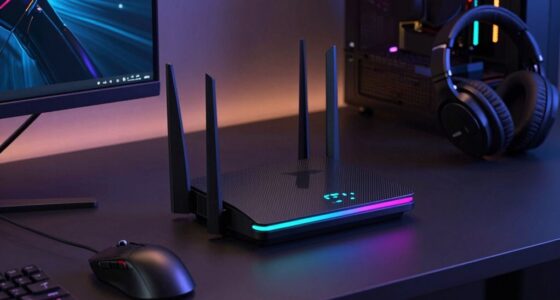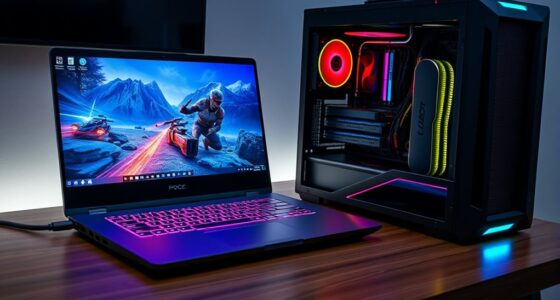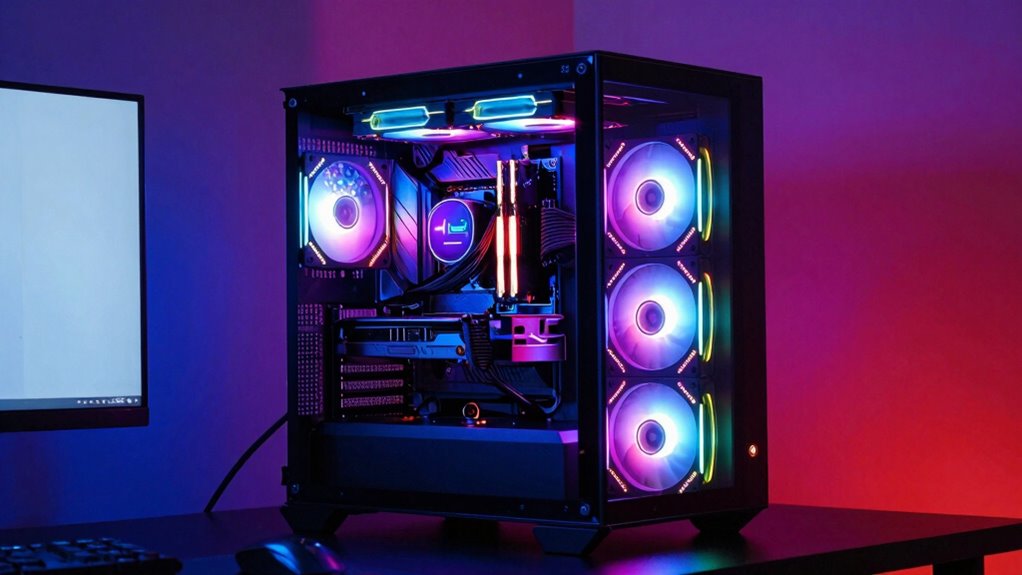

RGB lighting makes your PC look cool and personalized, but it doesn’t actually boost performance or speed. It’s mainly a visual enhancement that adds aesthetic value without affecting processing power or system stability. Although RGB uses some power and generates slight heat, it doesn’t interfere with hardware operation. If you want to know how RGB impacts your setup’s efficiency or style, there’s more to take into account beyond just appearance.
Key Takeaways
- RGB lighting is purely aesthetic and does not improve or impact your PC’s processing speed or performance.
- It consumes additional power and generates minor heat but does not enhance hardware efficiency.
- RGB components can increase system complexity and potential compatibility issues, but these don’t affect speed.
- Proper thermal management ensures RGB lighting doesn’t cause overheating, but it doesn’t boost system performance.
- Overall, RGB lighting mainly enhances visual appeal and personalization, with no direct influence on PC speed.
Top picks for "light actually make"
Open Amazon search results for this keyword.
As an affiliate, we earn on qualifying purchases.
The Origins and Popularity of RGB Lighting
Ever wondered how RGB lighting became a staple in gaming and tech setups? Its history evolution traces back to early LED technology, initially used for simple indicators. Over time, advancements made RGB lighting more versatile, allowing for customizable colors and effects. This technological progress fueled its popularity, especially among gamers and PC enthusiasts. The cultural influence of RGB lighting grew as it became a symbol of personalization and style, reflecting individual tastes and creativity. Gaming communities embraced it as a way to stand out and express identity. Manufacturers recognized this trend, integrating RGB features into a wide range of devices. As a result, RGB lighting shifted from a functional feature to a key aesthetic element, shaping gaming and tech culture in the process. Additionally, the rise of energy-efficient LED technology aligns with the broader shift toward sustainable and eco-friendly innovations in electronics. This shift not only enhances energy savings but also supports sustainable innovations that appeal to environmentally conscious consumers. Moreover, the development of smart lighting systems has further expanded customization possibilities, making RGB lighting more accessible and user-friendly.
How RGB Lighting Works in PC Components
You’ll see that RGB lighting in PC components mainly relies on LED technology, which uses tiny diodes to produce vibrant colors. Control systems manage these LEDs through software or hardware that adjust colors and effects, giving you customized lighting. Keep in mind, powering these lights adds to your system’s overall power consumption, so it’s worth considering how much energy they use. Additionally, color temperature adjustments can be employed to optimize lighting conditions for better visual appeal. Understanding net worth can also give insight into the investment some enthusiasts make in high-quality lighting setups. Moreover, the overall market for RGB lighting has grown significantly, reflecting its popularity among gamers and PC builders. As the demand increases, manufacturers are developing more energy-efficient LED options to reduce power consumption without sacrificing visual effects. This growth indicates an increasing focus on sustainable tech within the industry, aiming to balance aesthetics and energy savings.
LED Technology Basics
RGB lighting in PC components relies on LED (light-emitting diode) technology, which uses small semiconductor devices that emit light when an electric current passes through them. These LEDs are the foundation of modern lighting design, allowing for customizable colors and dynamic effects. By adjusting the voltage and current, you can change the color output, creating vibrant visuals tailored to your preferences. The technology also plays a role in color psychology, influencing mood and perception through specific hues. Because LEDs are energy-efficient and long-lasting, they’re ideal for continuous use in PC setups. Understanding how LEDs work helps you appreciate the flexibility of RGB lighting, making your PC not just powerful but also visually appealing and personalized. Additionally, the integration of RGB lighting can enhance your overall gaming or work environment by adding a dynamic aesthetic element.
Control Systems Explained
Control systems are essential for managing the colorful effects and brightness levels of RGB lighting in PC components. They coordinate how lighting algorithms animate colors, create patterns, and adjust brightness to match your preferences or system activity. These control systems use microcontrollers or software interfaces to interpret user inputs and translate them into lighting commands. When you customize your RGB setup, the control system guarantees smooth transitions, synchronized effects, and consistent color output. Advanced lighting algorithms enable dynamic effects like rainbow cycles or pulsing brightness, all controlled seamlessly. Whether through motherboard software, dedicated controllers, or integrated firmware, these systems keep your RGB lighting responsive and visually appealing, without affecting performance or stability. Additionally, understanding lighting algorithms helps optimize the visual effects and responsiveness of your RGB setup.
Power Consumption Impact
Have you ever wondered how much extra power your PC uses when RGB lighting is active? The answer depends on how energy-efficient the RGB components are and how well your system manages power. Most RGB lighting consumes minimal energy—usually a few watts—thanks to modern LEDs and efficient power management. High-quality RGB components are designed to balance vibrant lighting with low power draw, helping you maintain energy efficiency. However, if your system lacks proper power management, even small extra loads can add up over time, especially with multiple RGB devices. To avoid unnecessary energy consumption, consider adjusting lighting settings or using software that optimizes power usage. Additionally, understanding power management can help you control your system’s energy consumption more effectively. Properly configured RGB lighting can reduce overall power consumption by enabling users to turn off or dim lighting when not needed. Utilizing energy-efficient hardware can further minimize the impact of RGB lighting on your system’s power draw. Being aware of your system’s power consumption patterns can help you make smarter choices about hardware and settings, ultimately conserving energy. Ultimately, RGB lighting impacts power consumption, but its effect is often negligible with proper power management in place.
Performance Impact: Does RGB Affect System Speed?

RGB lighting can increase your system’s power consumption, which might slightly impact overall efficiency. It can also generate extra heat that stresses your components more than usual. While these factors are often minimal, they’re worth considering if you’re aiming for maximum performance. Additionally, air quality in your environment can influence your PC’s cooling effectiveness and longevity. Improving ventilation can help mitigate some of these effects and keep your system running smoothly. Ensuring good airflow management can further reduce heat buildup and maintain optimal system performance. Proper cable organization can also help improve airflow and reduce unnecessary heat buildup inside your case. Maintaining an organized setup can contribute to better thermal performance overall.
Power Consumption Increase
While RGB lighting can enhance the aesthetic appeal of your system, it also increases power consumption. This extra draw can impact your PC’s energy efficiency and complicate power management, especially if you’re aiming for a low-energy build. The additional power used by RGB components may lead to higher electricity bills and increased heat output. Although the increase in power usage is generally small, it can add up over time. If you’re mindful of energy conservation, you might need to balance eye-catching lighting with smarter power management strategies. Keep in mind, the more RGB devices you add, the more your system’s overall power demands grow, making energy efficiency a key consideration in your setup. power management techniques can help mitigate some of these effects and optimize your system’s performance. Additionally, choosing eco-friendly components can further reduce environmental impact while maintaining visual appeal. Properly configuring lighting controls can also help reduce unnecessary power draw during idle periods, especially when combined with smart automation tools that adjust lighting based on usage patterns.
Thermal Impact on Components
Adding RGB lighting can cause your system’s components to run slightly hotter, especially if the lighting strips or LEDs generate additional heat. While RGB aesthetics enhance your build’s visual appeal, they can contribute to minor temperature increases, particularly if your case lacks good airflow. Higher temperatures may lead to thermal throttling, which can slightly reduce performance, but typically only if cooling systems are inadequate. Many users opt for lighting sync features to ensure the LEDs operate efficiently without overloading the system. If you notice increased temperatures, consider improving cooling or adjusting RGB settings. Overall, RGB lighting’s thermal impact is minimal and unlikely to affect system speed unless cooling is already compromised. Proper airflow and lighting management help maintain excellent performance without sacrificing aesthetics. Additionally, understanding thermal management strategies can further help mitigate any potential heat buildup from RGB components.
Power Consumption and Heat Generation Concerns
Although RGB lighting can enhance your PC’s aesthetics, it also increases power consumption and heat output. This added energy draw may lead to higher electricity bills and strain on your power supply. If you prioritize lighting aesthetics, you might overlook the potential impact on system efficiency. Heat generated by RGB components can contribute to overall temperature increases, possibly affecting hardware longevity. When considering user preferences, remember that some may accept these trade-offs for an eye-catching setup, while others prefer minimal power use. Be aware of these concerns to make informed choices about your RGB lighting setup.
- Feel the thrill of a vibrant, glowing PC that stands out
- Worry about increased electricity bills draining your wallet
- Concern over extra heat shortening component lifespan
- Experience regret if aesthetics compromise performance
- Satisfaction from customizing your perfect lighting scene
Can RGB Lighting Interfere With Hardware Stability?

RGB lighting generally doesn’t directly cause hardware instability, but improper installation or low-quality components can create problems. Poorly fitted RGB strips or fans might lead to electrical issues or short circuits, risking overall system stability. Additionally, if your RGB components aren’t fully compatible with your motherboard or power supply, they could cause conflicts or erratic behavior. While RGB lighting itself doesn’t impact core hardware functions, it can interfere with hardware compatibility, especially if connected to incompatible ports or controllers. Color accuracy isn’t typically affected by stability, but inconsistent lighting or flickering might indicate underlying electrical issues. To avoid problems, choose high-quality RGB components, ensure proper installation, and verify compatibility across your hardware setup. Moreover, attention to detail during setup helps prevent overlooked issues that could lead to instability.
The Cost Difference Between RGB and Non-RGB Components
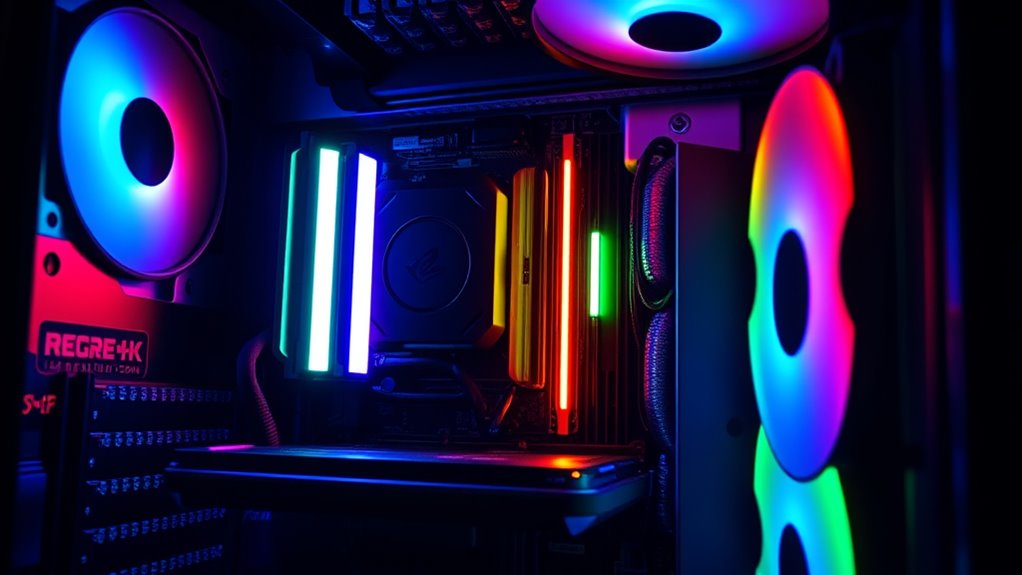
While RGB components often come with a higher price tag, the cost difference between RGB and non-RGB hardware can vary considerably depending on the product type and brand. If you’re balancing a tight budget, this cost comparison is vital. RGB parts typically cost more, but sometimes the difference is minimal. You might find that a few dollars extra grants stunning lighting effects, or you might pay substantially more for premium features. Consider your priorities and budget considerations carefully.
- Feel confident in your purchase, knowing you’re choosing what’s right for you
- Save money without sacrificing essential performance
- Avoid overspending on purely aesthetic upgrades
- Recognize when RGB upgrades are worth the investment
- Make smarter decisions with clear cost comparisons
Aesthetic Value: When Does RGB Really Enhance Your Setup?

RGB lighting truly enhances a setup when it complements your overall aesthetic and reflects your personal style. It’s about creating an aesthetic enhancement that elevates your workspace or gaming area, making it feel more unique and inviting. When you choose colors and effects that match your theme or mood, RGB can considerably boost the visual appeal of your PC. It’s not just about flashy lights; it’s about integrating them seamlessly into your design. If your setup has a sleek, modern look or a vibrant, energetic vibe, RGB lighting can reinforce that impression. When used thoughtfully, RGB adds depth and personality, making your build stand out without feeling out of place. Overall, RGB’s true value lies in how well it aligns with your aesthetic vision.
Customization and Software Control of RGB Effects

Thanks to advanced software control, customizing your RGB effects has become more intuitive and versatile than ever. You can now tailor your lighting to match your mood, build theme, or even sync with game sounds. Hardware compatibility is vital, ensuring your RGB components work seamlessly with your chosen software. With software customization, you can create dynamic effects, set color schemes, and even automate lighting patterns based on system activity. Imagine the excitement of having your PC glow in sync with your music or game cues. Plus, many programs allow real-time adjustments, giving you full control at your fingertips.
Enhance your setup with customizable RGB effects that sync with your music and games for a dynamic visual experience.
- Feel the thrill of personalized, eye-catching visuals
- Experience effortless synchronization across all components
- Enjoy quick tweaks without hassle
- Capture your unique style with custom effects
- Elevate your setup’s overall vibe
Making the Right Choice: Style vs. Performance

Choosing between style and performance in RGB lighting depends on your priorities. If you want your PC to look visually striking, focus on color synchronization to match your overall theme and experiment with brightness adjustment for the perfect glow. Style-minded users often prioritize customizable effects and vibrant colors that enhance aesthetics. On the other hand, if performance is your main concern, consider minimal or no RGB lighting to avoid potential distractions or power draw. Remember, adjustable brightness allows you to balance visual impact with energy efficiency. Ultimately, your choice hinges on whether you value a sleek, eye-catching setup or a streamlined, performance-oriented build. Balancing these aspects ensures your PC not only looks cool but also aligns with your use case.
Frequently Asked Questions
Is RGB Lighting Compatible With All PC Cases and Motherboards?
RGB lighting isn’t compatible with all PC cases and motherboards, so you might face some compatibility issues. Before buying, check if your case and motherboard support RGB headers or software control. Many products now offer customization options, but compatibility varies. If your components don’t support RGB, you may need additional adapters or controller units. Always verify compatibility to enjoy seamless customization without any hassle.
Can RGB Lighting Be Programmed to Sync With Game Events?
Yes, you can program RGB lighting to sync with game events. About 65% of gamers say lighting customization enhances their gaming experience. Using compatible software, you can set up gaming synchronization, where lights react to in-game actions like explosions or victories. This not only boosts immersion but also offers personalized aesthetics. With the right setup, your RGB lighting becomes an active part of your gameplay, making every session more dynamic and engaging.
Are There Health Risks Associated With Prolonged Exposure to RGB Lighting?
You might experience some health risks from prolonged exposure to RGB lighting, like eye strain or sleep disruption. Bright, flashing, or overly colorful lights can tire your eyes and make it harder to fall asleep if used late at night. To protect yourself, consider dimming the lights, taking regular breaks, or turning off RGB lighting during late hours. Moderation helps prevent these issues while still enjoying the aesthetic.
How Do I Troubleshoot RGB Lighting Malfunctions or Synchronization Issues?
To troubleshoot RGB lighting malfunctions or synchronization issues, start by checking for software conflicts and ensuring your RGB control software is up to date. Next, verify hardware compatibility and reconnect all cables securely. Restart your system, then test different settings or reinstall the software if needed. Keep your drivers current, and consult your device’s manual for troubleshooting tips to resolve issues quickly and restore perfect synchronization.
Does RGB Lighting Affect the Resale Value of My PC Components?
RGB lighting usually doesn’t affect the resale value of your PC components markedly. It adds aesthetic appeal, making your build look more attractive, which might help attract buyers interested in custom setups. However, if the RGB lighting is integrated or expensive, it could slightly boost resale value. For most, though, it’s mainly a visual upgrade, so consider whether you want the aesthetic benefits or are focused on core performance.
Conclusion
Ultimately, RGB lighting adds visual flair without boosting your PC’s speed. It’s all about personal style and making your setup uniquely yours. While it might slightly increase power use and cost, it won’t slow down your performance. So, do you want your rig to look cool or actually be faster? Remember, the true power lies in your hardware’s capabilities, not just the lights. Choose wisely, and enjoy both style and performance.