
Smart locks can be convenient and secure, but they aren’t foolproof. They face vulnerabilities like hacking, software flaws, and physical bypasses, so you need to choose models with strong encryption, multi-factor authentication, and regular updates. While they offer great features, understanding their risks helps you stay protected. If you want practical tips on making your smart lock safer and smarter, there’s more to explore below.
Key Takeaways
- Smart locks use encryption and multiple authentication methods but can still be vulnerable to hacking if security protocols are weak.
- Regular firmware updates and strong passcodes are essential to protect against software exploits and unauthorized access.
- Physical vulnerabilities like lock picking or bypass methods remain risks, especially with hardware design flaws.
- Multi-factor authentication, including biometrics, significantly enhances security compared to single-method access.
- No lock is entirely foolproof; combining digital security with physical precautions offers the best protection.
How Do Smart Locks Work and What Features Do They Offer
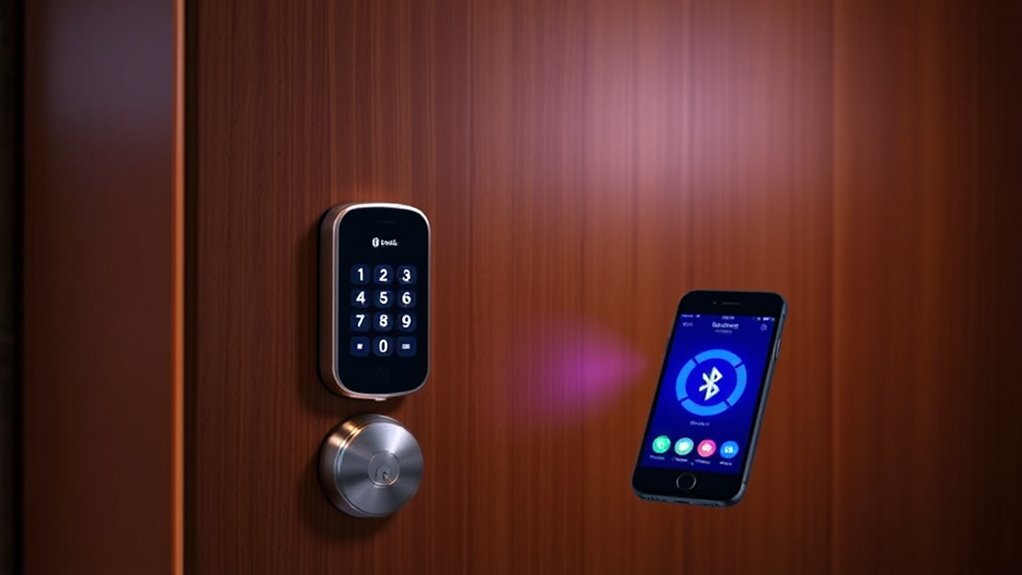
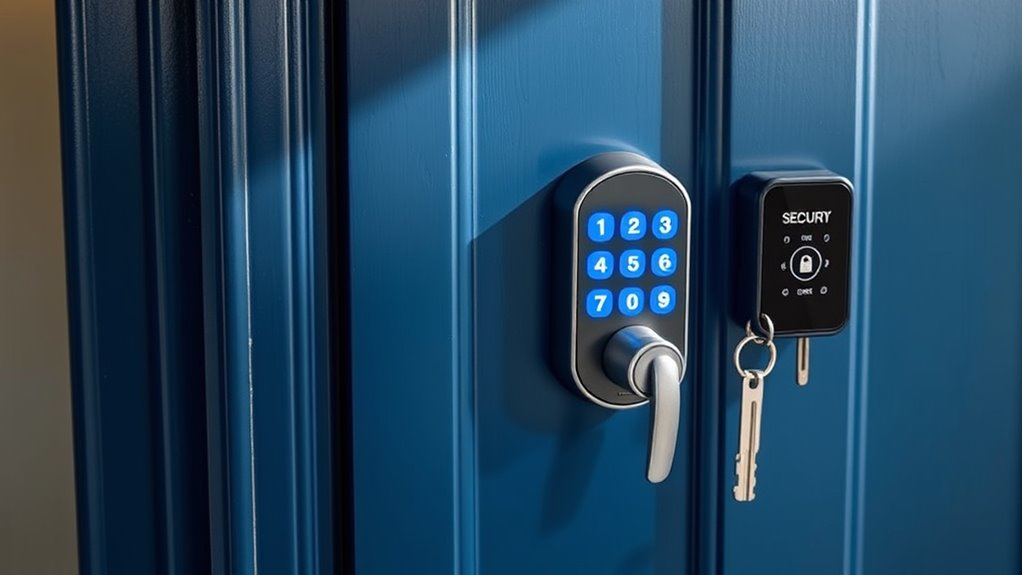
Smart locks work by replacing traditional keys with electronic or digital mechanisms that can be controlled remotely or through various authentication methods. One key feature is biometric integration, allowing you to unseal doors with fingerprint or facial recognition, enhancing security and convenience. Remote access is another significant benefit, letting you lock or disengage your door from anywhere via smartphone apps. These locks often support multiple authentication methods, including passcodes, RFID cards, or smartphone credentials. Some models even offer temporary access codes for guests or service providers. The combination of biometric integration and remote access makes smart locks versatile, user-friendly, and adaptable to your lifestyle. You gain greater control over who enters your home, all while reducing dependence on traditional keys that can be lost or copied. Additionally, the integration of high-precision sensors ensures more accurate and reliable recognition, further boosting security and user confidence. These sensors are crucial in detecting and preventing unauthorized access attempts, which is why sensor technology is a key component in modern smart lock security. Furthermore, advancements in encryption protocols help secure communication between your device and the lock, protecting against hacking attempts. Incorporating secure communication channels is essential for maintaining the integrity of your smart home system and safeguarding your personal data. In addition, ongoing developments in AI-driven security features are making smart locks even more resilient against emerging threats.
Common Security Concerns and Vulnerabilities of Smart Locks
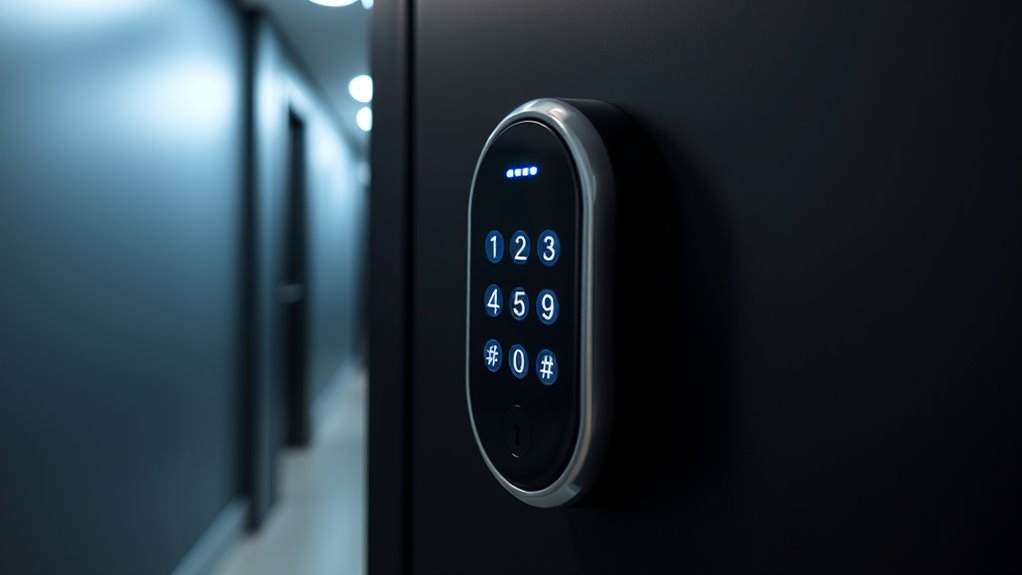
Smart locks can be vulnerable to hacking and unauthorized access if security gaps are exploited. Mechanical bypass risks also exist, allowing someone to open the lock without digital credentials. Understanding these vulnerabilities helps you better protect your home.
Hacking and Unauthorized Access
Although smart locks offer convenience, they are not immune to hacking and unauthorized access. Hackers can exploit vulnerabilities in encryption methods, bypassing security measures to gain entry. Weak or outdated encryption leaves your lock susceptible to interception and decryption. Additionally, poor security protocols can compromise user privacy, exposing personal data or access codes. Cybercriminals may attempt to exploit vulnerabilities through brute-force attacks or phishing schemes to unlock doors remotely. It’s imperative to stay updated on firmware and security patches to minimize these risks. Furthermore, understanding the concept of Free Floating security can help you recognize potential vulnerabilities in your smart lock system. By understanding these vulnerabilities, you can take steps to protect your smart lock, ensuring your home remains secure against unauthorized access and safeguarding your user privacy. Paying attention to encryption standards is essential for maintaining robust security in your smart lock system.
Mechanical Bypass Risks
While encryption vulnerabilities can be exploited remotely, many smart lock security flaws stem from physical vulnerabilities that bypass digital defenses entirely. Mechanical bypass methods, such as lock picking, bumping, or using simple tools, pose significant risks. Thieves can exploit mechanical vulnerabilities to gain access without triggering alarms or digital alerts. For example, some smart locks have weak points in their hardware or design that allow for easy physical bypass. These vulnerabilities highlight that even the most advanced digital security can be undermined through basic physical techniques. Additionally, high-pressure application of force or improper installation can further compromise the lock’s security integrity. physical vulnerabilities are often overlooked in favor of digital defenses but can be exploited with minimal effort. If you rely solely on your smart lock’s digital features, you might overlook the importance of securing it against physical attacks, which remain an inherent vulnerability in many smart lock models.
Comparing Smart Lock Safety to Traditional Locks
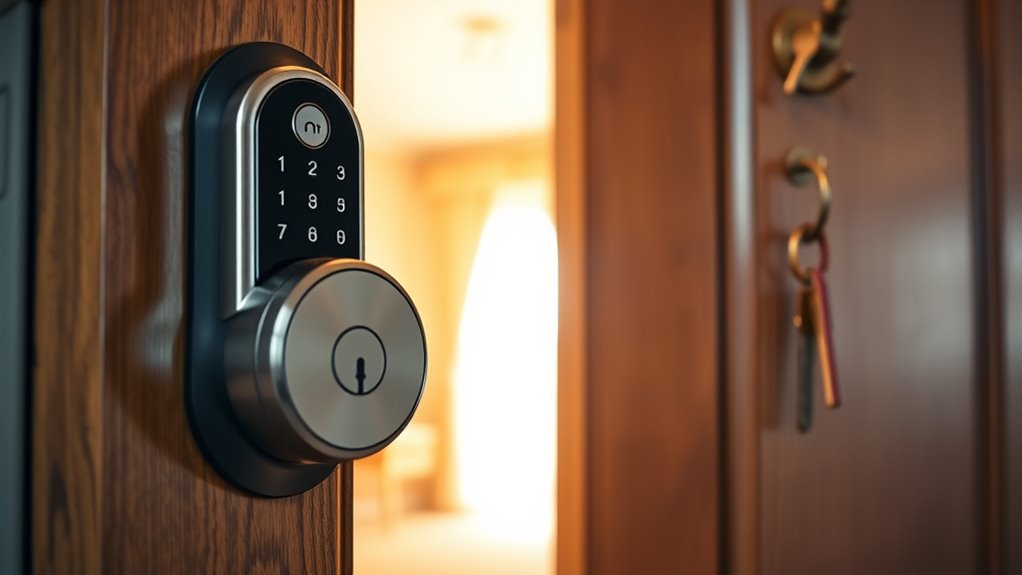
When comparing the safety of smart locks to traditional locks, it becomes clear that each has distinct strengths and vulnerabilities. Traditional locks rely on physical keys, making them straightforward but vulnerable to picking or copying. Smart lock design emphasizes security features like encryption, access logs, and remote control, which can enhance protection. However, they also introduce new risks, such as hacking or technical malfunctions. User convenience plays a significant role: smart locks offer keyless entry, remote access, and temporary codes, making daily life easier. On the other hand, traditional locks require physical keys, which can be lost or stolen. Additionally, the materials and construction of locks influence their durability and security level. The security protocols implemented in smart locks are crucial to prevent unauthorized access and ensure data privacy. Furthermore, the technology vulnerabilities associated with digital locks can help you better assess their safety. Advances in encryption methods have significantly improved the security of smart lock systems, but no technology is entirely foolproof. As technology continues to evolve, incorporating additional security measures can further bolster smart lock safety. Ultimately, understanding these differences helps you weigh the reliability of each option based on your security needs and lifestyle.
Tips for Choosing a Secure Smart Lock System
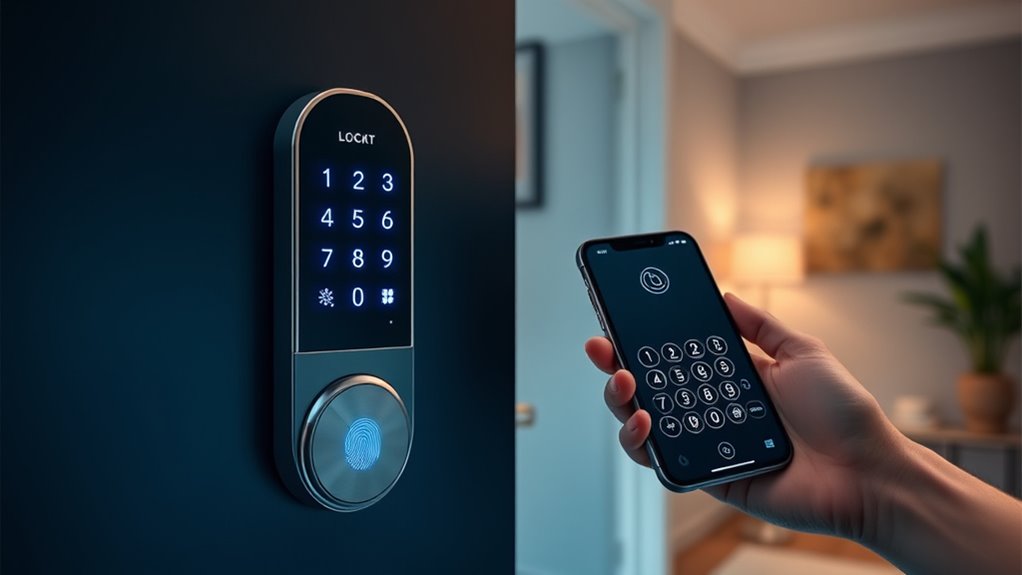
Choosing a secure smart lock system starts with prioritizing strong security features. Look for locks that use end-to-end encryption and multi-factor authentication to protect against hacking. Consider models with tamper alerts and automatic lock capabilities for added security. Be aware of potential installation challenges; some smart locks may require professional help or complex setup, which can affect your convenience. Opt for systems that offer user-friendly interfaces and straightforward setup processes to ensure ease of use. Check compatibility with your existing smart home devices to streamline integration. Additionally, pay attention to the security protocols employed by the manufacturer, as these can significantly influence the lock’s overall safety. Ensuring that the lock’s thermal behavior is well-understood can help prevent malfunctions in extreme weather conditions. Familiarizing yourself with the evolution of security technology can also help you make informed decisions about smart lock choices. Incorporating security best practices when selecting a smart lock can further enhance your protection. Understanding wireless communication methods used by smart locks can help you choose options less vulnerable to interference or hacking. By focusing on these aspects, you can select a smart lock that balances robust security with user convenience.
Real-World Incidents and What They Teach Us
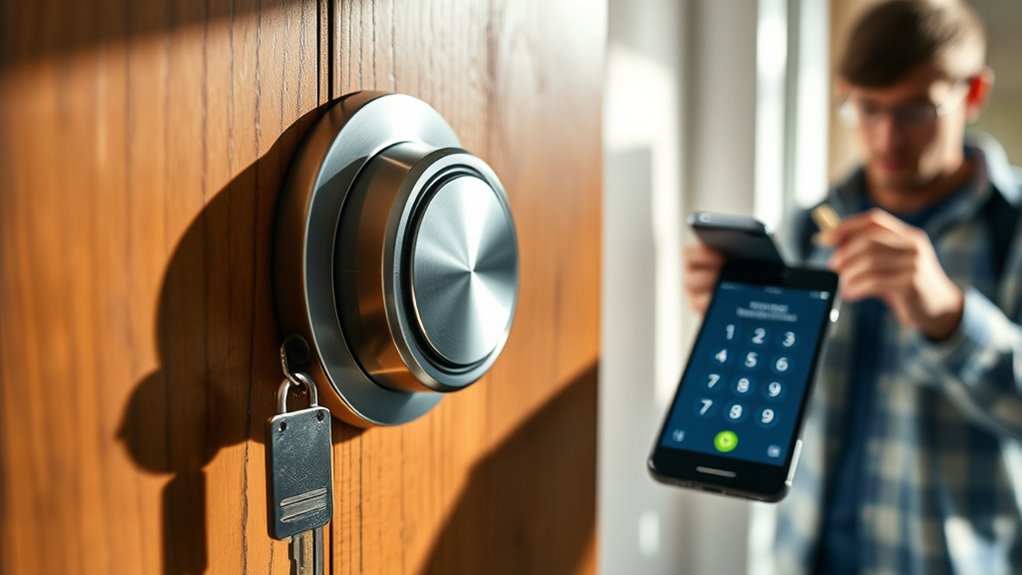
Real-world incidents involving smart lock breaches highlight the importance of understanding their vulnerabilities. In some cases, attackers gained unauthorized access by exploiting weaknesses in the lock’s software or hardware. For example, there have been reports of thieves using lock picking techniques to bypass smart lock security, especially when devices are poorly designed or outdated. These incidents reveal that smart locks are not foolproof and can be compromised if not properly secured. They teach us that relying solely on digital security isn’t enough; physical vulnerabilities still exist. Additionally, support breakfast options for security devices, such as backup keys or alternative access methods, can help mitigate risks. Recognizing the importance of attention to detail and thorough testing in security device design can prevent overlooked flaws. Incorporating proper aftercare measures and regularly updating firmware can significantly enhance the safety of smart lock systems. Ensuring your smart lock includes proper security protocols and comprehensive testing can prevent many common vulnerabilities. Understanding the significance of encryption standards can further strengthen your device’s defenses against hacking attempts. Knowing these risks helps you stay vigilant and prepared, emphasizing the need for strong, updated encryption and additional security measures. Awareness of real incidents underscores that no lock is entirely invulnerable.
Best Practices for Using Smart Locks Safely

To keep your smart lock secure, make sure you keep its software up to date, so you have the latest protections. Use strong, unique access codes to prevent unauthorized entry. Also, enable multi-factor authentication for an added layer of security that’s hard to bypass.
Keep Software Updated
Have you ever considered how quickly hackers can exploit outdated software? Regular firmware updates are essential to keep your smart lock secure. Manufacturers release firmware updates to patch vulnerabilities and improve security features. Ignoring these updates leaves your device open to attacks. Make it a habit to check for updates frequently and install them promptly. Additionally, user education plays a vital role—understanding the importance of software updates helps you stay vigilant. Familiarize yourself with your smart lock’s update process and follow manufacturer instructions carefully. By staying current with firmware updates and understanding their significance, you reduce the risk of hacking and ensure your smart lock remains a reliable security tool. Keep software updated and stay one step ahead of potential threats. Vetted – wave and wind
Use Strong Access Codes
Using strong access codes is one of the most effective ways to protect your smart lock from unauthorized access. To enhance security, choose access codes with high complexity—avoid simple sequences like 1234 or common birthdays. Longer codes with a mix of numbers, letters, and symbols increase difficulty for potential intruders. Remember, a strong access code also supports the lock’s durability by preventing forced or repeated entry attempts. Regularly changing your codes adds an extra layer of security, ensuring that compromised codes won’t grant ongoing access. Avoid reusing old codes, and don’t share your codes with unnecessary parties. By prioritizing access code complexity and updating your codes periodically, you markedly reduce the risk of unauthorized entry and keep your smart lock functioning securely.
Enable Multi-Factor Authentication
Enabling multi-factor authentication (MFA) adds an essential layer of security to your smart lock, making unauthorized access considerably more difficult. By combining something you know, like a passcode, with something you have or biometric security, such as fingerprint or facial recognition, MFA greatly reduces the risk of hacking. Many smart locks now support multi factor authentication, so take advantage of this feature whenever possible. This extra step guarantees that even if someone guesses your access code, they still can’t open your door without the biometric security confirmation. Implementing MFA helps protect your home from intruders and gives you peace of mind. Always keep your authentication methods updated and secure to maintain the highest level of safety for your smart lock system.
Frequently Asked Questions
Can Smart Locks Be Hacked Remotely?
Yes, smart locks can be hacked remotely if cybersecurity vulnerabilities exist. Hackers may exploit weak passwords or outdated firmware to gain unauthorized access to your lock. To protect yourself, always update your lock’s software, use strong, unique passwords, and enable two-factor authentication if available. Staying vigilant and maintaining your device’s security reduces the risk of remote hacking and keeps your home safe from unauthorized access.
What Happens During a Power Outage?
During a power outage, your smart lock relies on its battery backup to keep functioning. If the battery runs low, you’ll typically receive an alert to replace it. In emergencies, most smart locks offer alternative access options like keypad codes or physical keys, ensuring you can still enter your home. Always check that your lock has emergency access features and a reliable battery backup to avoid getting locked out when power’s out.
Are Smart Locks Compatible With All Smartphones?
Smart locks aren’t compatible with all smartphones. You need to check the lock’s mobile compatibility and app requirements before purchasing. Most models work with iOS and Android devices, but some may need specific versions or additional features. Make sure your device meets the app specifications for seamless setup and operation. If your phone isn’t compatible, you might face difficulties opening your door, so verify compatibility beforehand to avoid surprises.
How Often Should I Update Lock Firmware?
Think of your smart lock like your phone—regular updates keep it secure. You should update the firmware at least once every few months, or whenever the manufacturer releases a security patch. Outdated firmware can expose you to vulnerabilities, much like leaving your front door unsecured. Staying current guarantees your lock’s protections are robust against potential threats, safeguarding your home from security vulnerabilities and giving you peace of mind.
Can Family Members Access My Smart Lock Remotely?
Yes, family members can access your smart lock remotely if you set up proper access permissions and user management. You control who gets access and can grant or revoke permissions anytime via the app. This way, you maintain security while allowing trusted family members to enter without keys. Just make sure you keep your app updated and regularly review user access to stay in control.
Conclusion
Like Icarus flying too close to the sun, trusting smart locks without caution can lead to pitfalls. While they offer convenience and advanced features, you must stay vigilant and informed. By understanding their vulnerabilities and practicing smart habits, you can navigate this new world securely. Remember, technology is a tool—use it wisely, and you’ll keep your fortress safe, just as a steady hand guards a precious treasure. Stay smart, stay secure.