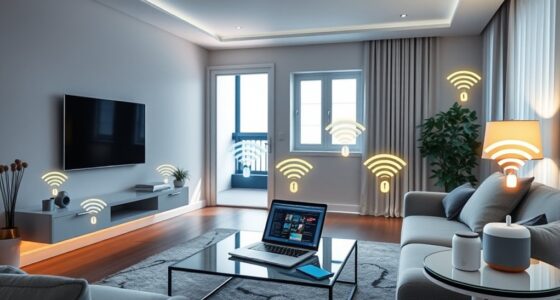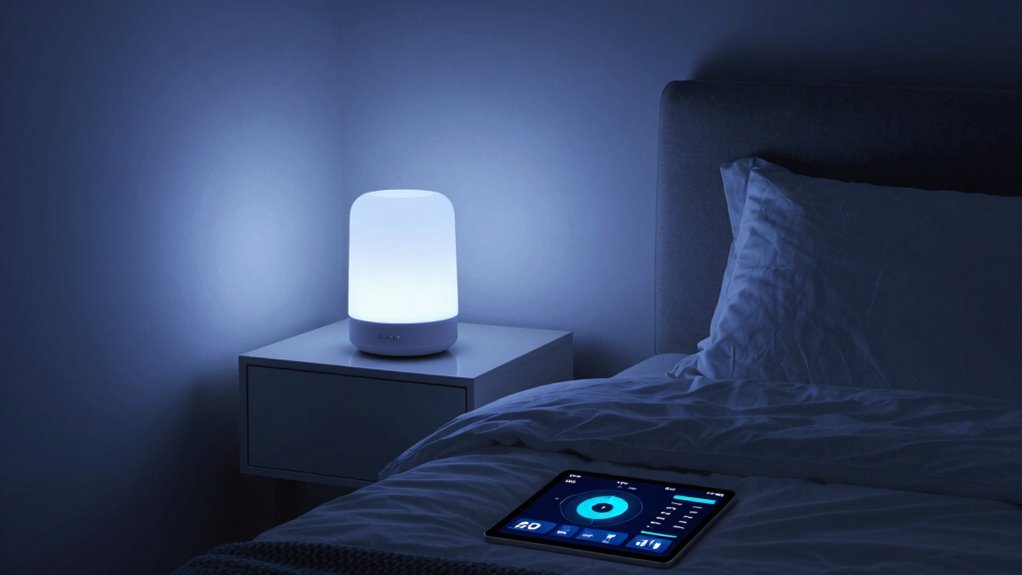
Gadgets like smart lights, white noise machines, and sleep trackers can help you sleep better by creating a relaxing environment and reducing disruptions. Smart lighting adjusts to mimic natural rhythms, supporting your melatonin levels, while white noise machines mask disruptive sounds for uninterrupted rest. Sleep trackers give insights into your patterns, helping you make improvements. If you want to discover more effective tips and tools for quality sleep, there’s plenty more to explore.
Key Takeaways
- Gadgets like smart lights and white noise machines can create a sleep-friendly environment by improving lighting and masking disruptive sounds.
- Sleep trackers provide insights to optimize sleep patterns and environmental factors for better rest.
- Blue light filters and circadian lighting help reduce screen-related sleep disruption and support melatonin production.
- Guided relaxation techniques and sound therapies using gadgets can promote relaxation and reduce sleep anxiety.
- While helpful, over-reliance on gadgets may lead to dependency and affect natural sleep cues.
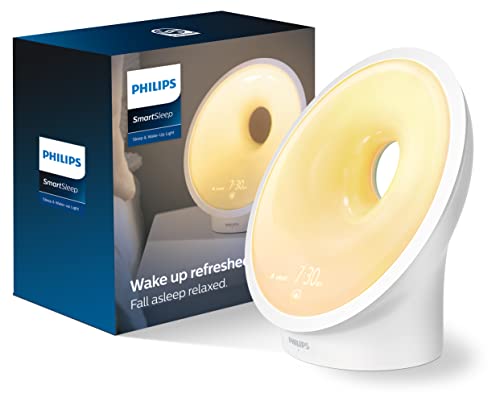
Philips SmartSleep Sleep and Wake-Up Light, Simulated Sunrise and Sunset, Multiple Lights and Sounds, RelaxBreathe to Sleep, HF3650/60
PERSONALIZED WAKE-UP & WIND-DOWN: Customizable sunset, sunrise, and sound profiles
As an affiliate, we earn on qualifying purchases.
As an affiliate, we earn on qualifying purchases.
The Science Behind Sleep and Technology
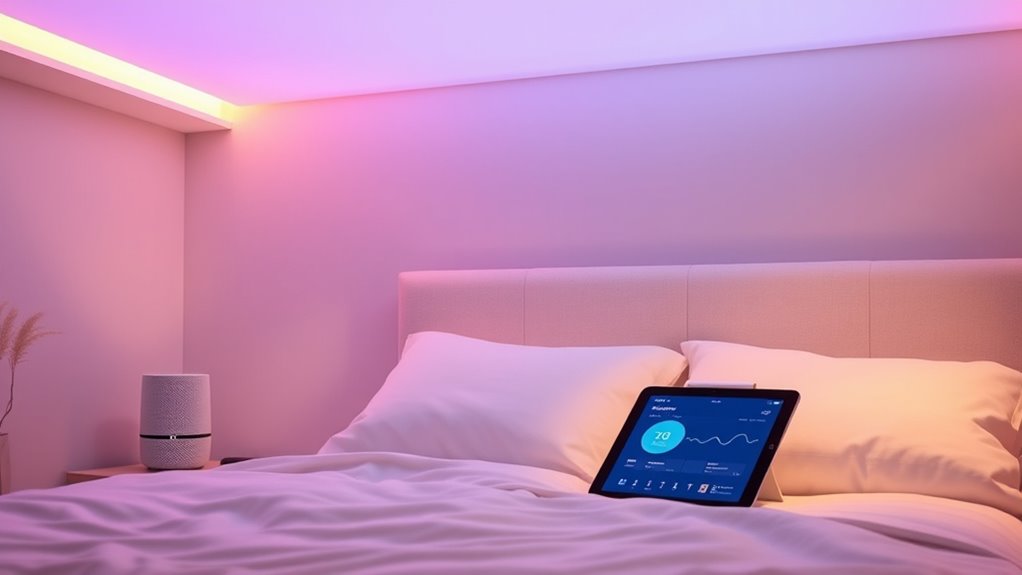
Understanding how sleep works is essential when exploring gadgets designed to improve it. Your sleep environment plays a vital role in achieving restful sleep, influencing factors like comfort and light. Technology can support dream enhancement by creating ideal conditions—such as maintaining excellent temperature or reducing noise. Devices like white noise machines mask disruptive sounds, helping you stay asleep longer. Sleep trackers provide insights into your sleep patterns, allowing you to adjust your environment accordingly. These innovations target the biological processes involved in sleep, promoting better rest. Additionally, selecting appropriate styling products like pomade or styling cream can help maintain a relaxed state before bed by reducing stress and discomfort. Proper vehicle maintenance can also contribute indirectly to better sleep, especially for those who rely on their vehicles for daily routines and want to avoid stress from unexpected breakdowns. Understanding the sleep science behind these devices can help you choose gadgets that maximize your sleep environment, making it easier to fall asleep and stay asleep, leading to more restorative nights. Incorporating electric bikes into your routine can also encourage physical activity, which is beneficial for improving sleep quality.
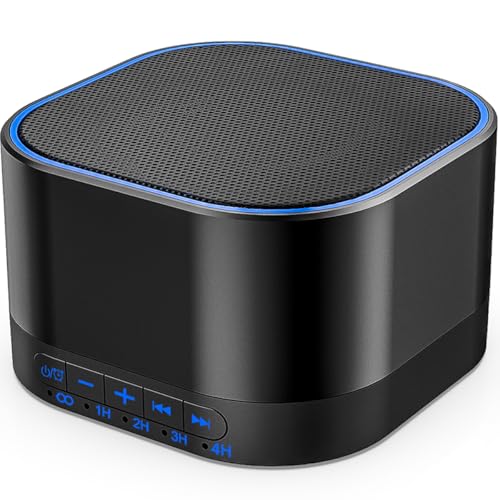
Magicteam White Noise Machine with 20 Non Looping Natural Soothing Sounds Memory Function 32 Levels of Volume Powered by AC or USB and Sleep Sound Timer Therapy for Baby Kids Adults Black
❤20 Non-Looping Sleep Sounds: White noise ,Brown noise, pink noise, blue noise, fan,brook, rain, ocean,bird and Bonfire,suitable for…
As an affiliate, we earn on qualifying purchases.
As an affiliate, we earn on qualifying purchases.
How Smart Lighting Affects Your Sleep Cycle
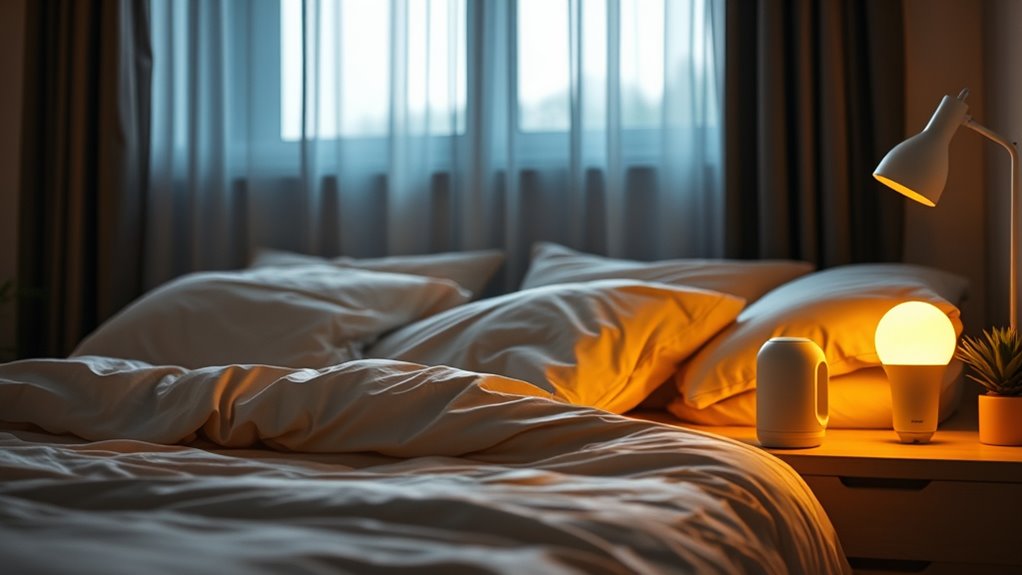
Smart lighting can markedly influence your sleep cycle by mimicking natural light patterns, which helps regulate your body’s internal clock. When your lighting adjusts to the time of day, it supports your circadian rhythms, making it easier to fall asleep and wake up refreshed. Proper lighting can also enhance melatonin regulation, the hormone responsible for sleepiness. Bright, blue-enriched light in the morning boosts alertness, while dim, warm light in the evening signals your body to wind down. Understanding how lighting impacts your sleep can help you create an environment conducive to rest. Additionally, energy-efficient smart lighting solutions not only support better sleep but also promote sustainability in your living space. Incorporating smart lighting technology designed specifically for sleep optimization can further enhance these benefits. Modern circadian lighting systems can automatically adjust throughout the day to optimize your sleep-wake cycle, providing a seamless experience. Furthermore, choosing lights with adjustable color temperature can help tailor your environment to better align with your natural rhythms. Integrating adaptive lighting features can also respond dynamically to your activity levels and preferences, creating a more personalized sleep environment.
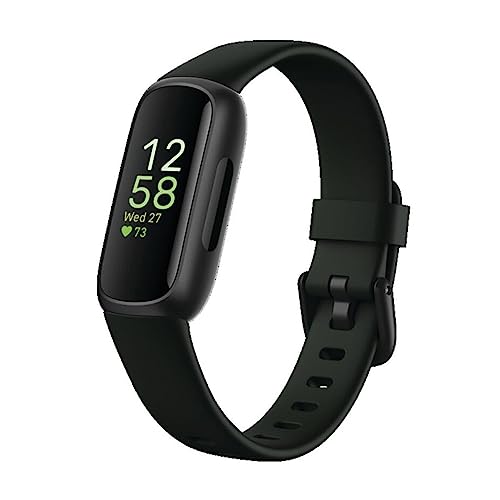
Fitbit Inspire 3 Health &-Fitness-Tracker with Stress Management, Workout Intensity, Sleep Tracking, 24/7 Heart Rate and more, Midnight Zen/Black One Size (S & L Bands Included)
Inspire 3 is the tracker that helps you find your energy, do what you love and feel your…
As an affiliate, we earn on qualifying purchases.
As an affiliate, we earn on qualifying purchases.
The Benefits of White Noise Machines for Restful Sleep

White noise machines can considerably improve your sleep quality by masking disruptive sounds and creating a consistent auditory environment. This sound masking helps reduce sudden noises, like traffic or neighbors, that can wake you up. By establishing a stable sleep environment, white noise promotes relaxation and helps you fall asleep faster. They’re especially useful in noisy settings or shared spaces, providing a calming background that encourages deep, uninterrupted rest. Using a white noise machine regularly can also condition your brain to associate the steady sound with sleep, enhancing overall sleep quality. Additionally, understanding the Gold IRA markets can help you make informed decisions about your investments and retirement planning. Proper placement and maintenance of the device, following manufacturer guidelines, can further optimize its effectiveness for restful sleep, especially when combined with other sleep hygiene practices. Consistent use of white noise devices can also create a sleep environment that signals your body it’s time to rest, leading to more restorative sleep nights. Incorporating sound therapy techniques can further enhance the calming effects and improve your overall sleep experience.

Circadian Optics Lumos 2.0 Light Therapy Desk Lamp | As Seen On Shark Tank | 10,000 LUX UV-Free Full-Spectrum LEDs | Adjustable Portable Folding Sunlight Lamp for Seasonal Blues, Focus, Energy & Sleep
Seen In The Tank | 10,000 LUX Brightness: Experience the sun lamp that impressed the Sharks! The lamp…
As an affiliate, we earn on qualifying purchases.
As an affiliate, we earn on qualifying purchases.
Sleep-Tracking Devices: Are They Worth It?
Sleep-tracking devices have become increasingly popular as more people seek to optimize their rest. They can provide detailed insights into your sleep patterns, helping you identify issues like sleep deprivation. However, it’s easy to become overly fixated on the data, leading to tech addiction that interferes with sleep quality rather than improving it. Some devices might cause stress if they highlight frequent awakenings or poor sleep scores, making you more anxious at bedtime. While these gadgets can motivate healthier habits, they aren’t a cure-all. If used mindfully, they can help you understand your sleep habits better. But if they add to your tech obsession or cause unnecessary worry, their benefits may be limited. Proper filtering and maintenance of sleep devices can also ensure more accurate data collection and reduce potential frustration. Implementing data interpretation strategies can help you avoid misreading the information or overreacting to minor fluctuations. Additionally, understanding the vetted options available can help you choose devices that are both effective and trustworthy. Exploring user reviews and expert recommendations can further guide your selection process. Being aware of the accuracy of these devices and how they are calibrated can significantly impact the reliability of the data they provide.
Aromatherapy Gadgets and Their Role in Sleep Quality

Aromatherapy gadgets are increasingly popular tools for enhancing sleep quality, as many people turn to soothing scents to create a calming bedtime environment. Aromatherapy diffusers release essential oil blends that promote relaxation and reduce stress, helping you unwind more easily. These gadgets can be programmed to run at specific times, ensuring a gentle scent diffusion as you prepare for sleep. By selecting calming oils like lavender or chamomile, you can create a tranquil atmosphere that encourages deeper rest. Incorporating essential oils for sleep into your sleep routine can further enhance the calming effects of aromatherapy gadgets, especially when paired with other sleep-promoting techniques. Using aromatherapy gadgets regularly can also establish a consistent bedtime routine, signaling your body that it’s time to relax and wind down.
The Impact of Blue Light Filters on Sleep Patterns
Blue light emitted from screens can considerably disrupt your sleep patterns, especially if you use devices before bed. This type of blue light interferes with your body’s production of melatonin, the hormone that helps regulate sleep. When melatonin levels drop due to exposure to blue light, sleep disruption occurs, making it harder to fall asleep and stay asleep. Using blue light filters on your devices can markedly reduce this effect, allowing your body to maintain normal melatonin production. These filters work by blocking or limiting the blue light that reaches your eyes, helping you wind down more effectively. Incorporating blue light filters into your evening routine can promote better sleep quality and reduce sleep disruption caused by late-night screen time.
Sleep Apps and Guided Relaxation Techniques
Sleep apps and guided relaxation techniques can help you wind down more effectively. Guided meditation offers calming benefits, making it easier to fall asleep and stay asleep. Plus, sleep tracking insights reveal patterns that can improve your overall sleep quality. Incorporating simple routines into your bedtime habits can make a significant difference. Incorporating routine consistency can also enhance your sleep quality over time. Integrating connected devices into your sleep routine can further optimize your rest by automating lighting and environment controls. Understanding outdoor environment factors can also help you create an ideal sleep setting, whether indoors or under the stars.
Guided Meditation Benefits
Guided meditation techniques, often delivered through sleep apps or audio recordings, can be highly effective in helping you unwind and shift seamlessly into restful sleep. These practices promote better sleep hygiene and reinforce healthy bedtime routines, making it easier to relax your mind and body. By focusing on breathwork, visualization, or body scans, guided meditations help reduce stress and quiet racing thoughts. Incorporating a calming meditation into your nightly routine can improve overall sleep quality and ease the progression to sleep. Additionally, consistent use of guided relaxation techniques can foster a sense of calm, making it easier to fall asleep naturally. Remember, establishing a routine that includes these methods supports your long-term sleep health and well-being.
- Deep breathing exercises to calm your mind
- Visualization techniques for mental relaxation
- Body scans to release physical tension
Sleep Tracking Insights
Using sleep tracking apps and guided relaxation techniques together can markedly enhance your ability to understand and improve your sleep patterns. By analyzing data from apps, you identify patterns like wake times and sleep quality, while guided relaxation helps you unwind and optimize your sleep environment. Incorporate dream journaling to track subconscious insights that apps might miss. This combined approach offers a clearer picture of what affects your sleep.
| Sleep Factors | Impact |
|---|---|
| Sleep environment | Light, noise, and temperature influence sleep quality |
| Dream journaling | Reveals subconscious triggers or stressors |
| Relaxation techniques | Reduce pre-sleep anxiety, improve rest |
Limitations and Considerations When Using Sleep Gadgets

While sleep gadgets can be helpful, you should be aware that their reliability and accuracy aren’t always perfect. Relying too much on these devices might lead to dependency, making it harder to sleep without them. It’s important to contemplate these limitations to avoid overestimating their effectiveness.
Device Reliability and Accuracy
Though sleep gadgets can offer useful insights, they aren’t always perfectly reliable or accurate. Factors like device calibration can affect the precision of your data, making it difficult to trust every reading. You should also consider data privacy concerns, as some devices transmit sensitive information to third parties. Keep in mind that external factors such as movement, lighting, or placement can skew results. Not all sensors are equally accurate across different users or environments. Additionally, software updates or hardware issues may impact performance over time. While these gadgets can be helpful, it’s essential to view their data as approximations rather than definitive facts. Staying aware of these limitations ensures you make informed decisions about your sleep health.
Potential Dependency Risks
Relying heavily on sleep gadgets can lead to a dependency that makes it difficult to fall asleep without them. This gadget dependency can cause your sleep quality to decline if the devices are unavailable or malfunction. Over time, your sleep technology reliance may weaken your natural sleep cues, making it harder to rest unaided. To understand this better, consider the following:
| Risk | Impact |
|---|---|
| Gadget dependency | Difficulty sleeping without devices |
| Sleep technology reliance | Reduced natural sleep signals |
| Over-reliance | Reduced ability to self-soothe |
| Breaking dependency | Challenges in returning to natural sleep habits |
Being aware of these risks helps you balance device use with healthy sleep habits.
Future Trends in Sleep Technology

Advances in sleep technology are poised to revolutionize how you improve your rest in the coming years. Expect smarter devices that personalize your sleep hygiene routines, helping you establish healthier habits effortlessly. Future innovations may include AI-powered sleep trackers that analyze your sleep patterns and offer tailored advice. Dream analysis could become more accessible with advanced sensors that interpret your REM cycles and subconscious signals, providing insights into your mental well-being. Additionally, immersive environments like virtual reality might create *ideal* sleep settings based on your preferences. These trends aim to enhance sleep quality by combining data-driven insights with user-friendly design. As technology evolves, you’ll have increasingly sophisticated tools to *maximize* your sleep, making restful nights more achievable and understanding your sleep better than ever before.
Frequently Asked Questions
Can Gadgets Replace Traditional Methods for Improving Sleep?
Gadgets can’t fully replace traditional methods for improving sleep, but they can complement good sleep hygiene. Relying too much on devices might lead to gadget dependence, which can interfere with natural sleep patterns. You should focus on maintaining consistent sleep routines, limiting screen time before bed, and creating a relaxing environment. Combining these practices with helpful gadgets can enhance your sleep quality without replacing the importance of healthy habits.
Are Sleep Gadgets Safe for Long-Term Use?
Sleep gadgets are generally safe for long-term use if you choose durable devices and follow manufacturer instructions. You should consider device durability to make certain they last over time, and weigh cost effectiveness to avoid overspending. Using high-quality gadgets minimizes safety concerns, but it’s wise to take regular breaks and avoid over-reliance. Always consult a healthcare professional if you experience ongoing sleep issues, regardless of gadget use.
Do Different Age Groups Benefit Equally From Sleep Technology?
You might think everyone benefits equally from sleep technology, but age-related challenges and varying tech adoption rates tell a different story. Younger users often embrace gadgets quickly, overcoming barriers like unfamiliarity, while older adults face hurdles like learning curves or discomfort. As a result, sleep gadgets may provide more significant benefits to some age groups than others, making personalized approaches essential for ideal sleep improvement across all ages.
How Do Gadgets Impact Sleep Quality Versus Natural Sleep?
Gadgets can improve sleep quality if used wisely, but they can also cause sleep disruption, mainly due to blue light exposure. Blue light from screens suppresses melatonin, making it harder to fall asleep. Natural sleep tends to be more restorative, free from blue light interference. To maximize benefits, limit screen time before bed, use blue light filters, and opt for gadgets that promote relaxation without disrupting your sleep cycle.
Can Gadgets Address Underlying Sleep Disorders Effectively?
Like a lighthouse guiding ships through fog, gadgets can assist with sleep hygiene, but they don’t replace medical treatment for underlying sleep disorders. Relying too much on gadgets may lead to dependency, masking issues rather than solving them. If your sleep problems persist, it’s crucial to seek professional help. Gadgets serve as helpful tools, but addressing root causes requires an all-encompassing approach, not just technological solutions.
Conclusion
Smart gadgets can definitely enhance your sleep, but they’re not magic solutions. For example, studies show that using blue light filters can improve sleep quality by up to 50%. While tech can support better rest, it’s important to merge these tools with good sleep habits. Ultimately, finding what works best for you guarantees you get the most restful, rejuvenating sleep possible. Embrace these innovations thoughtfully to wake up feeling refreshed every day.