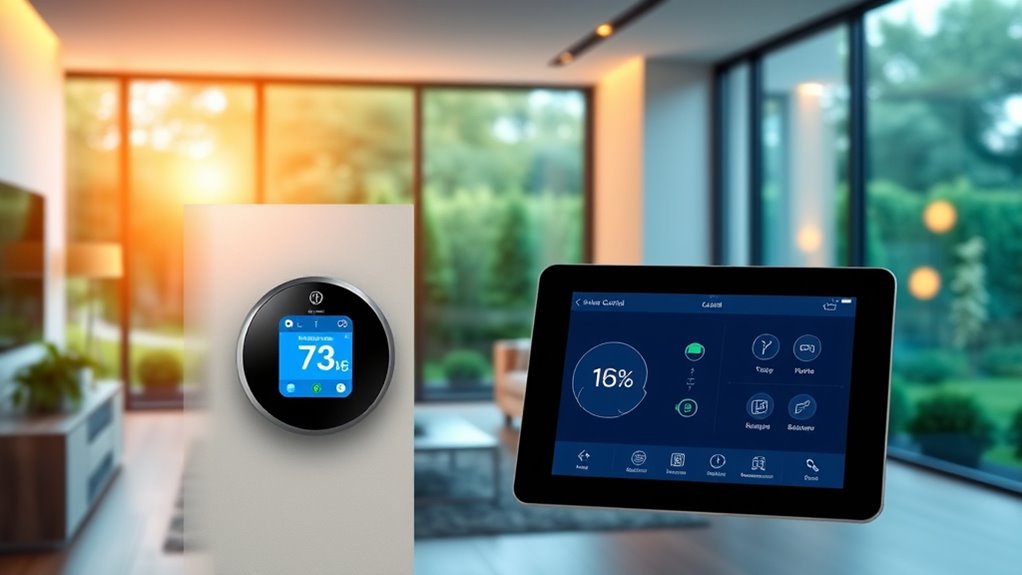

Choosing between local control and cloud solutions for your smart home affects your privacy, reliability, and security. With local control, your data stays within your home network, reducing risks and ensuring your system works even if the internet drops. Cloud options offer easy remote access and seamless integration but come with potential vulnerabilities and dependence on internet stability. Understanding these differences helps you make a smarter choice—explore more to discover which option suits your needs best.
Key Takeaways
- Local control enhances data privacy by keeping information within the home network, reducing exposure to external breaches.
- Cloud solutions offer remote access and convenience but depend heavily on stable internet connectivity.
- Local systems operate independently of internet outages, ensuring continuous functionality and quicker troubleshooting.
- Cloud-based systems pose higher security risks due to potential breaches during data transmission or provider vulnerabilities.
- Customization and hardware upgrades are easier with local control, whereas cloud systems rely on provider updates and maintenance.
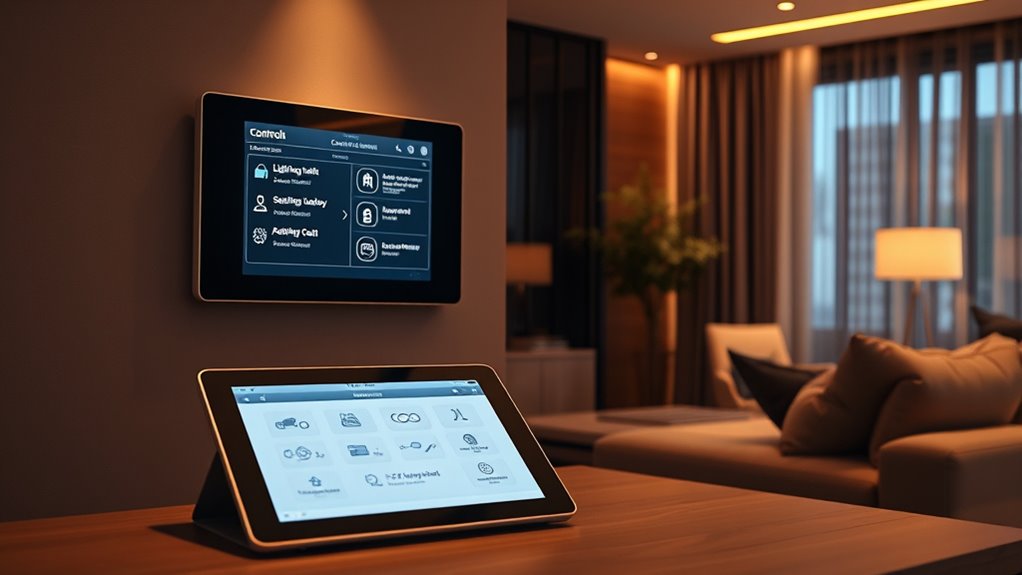
When choosing between local control and cloud solutions, you need to weigh the benefits and drawbacks of each approach. In a smart home, this decision directly impacts your data privacy and system reliability. Local control offers you the advantage of keeping your data within your home’s network, which means you’re less vulnerable to external breaches. Since your data doesn’t have to travel across the internet, you gain better control over who accesses it, ensuring your private information stays private. This setup minimizes risks associated with data leaks or hacking, giving you peace of mind. Additionally, local control systems tend to be more reliable because they don’t depend on an external server or internet connection. If your Wi-Fi goes down, your home automation continues to operate smoothly, maintaining essential functions like lighting, security, and climate control without interruption.
On the other hand, cloud solutions often promise convenience and ease of use. With cloud-based systems, you can access and manage your smart home from anywhere, using your smartphone or other devices. This flexibility appeals to many users who want seamless integration and remote control. However, relying on the cloud introduces concerns about data privacy. When your data travels to and from servers outside your home, it becomes susceptible to potential breaches or unauthorized access. Even if providers implement strict security measures, the risk remains that sensitive information could be exposed. Furthermore, cloud systems can sometimes be less reliable because they depend on stable internet connections. If your internet drops, you might lose control over certain devices or face delays in response times, which could be frustrating or even unsafe in critical situations like security breaches or fire alarms.
Additionally, managing updates and troubleshooting can be more complex with cloud solutions. You’re often dependent on the service provider to maintain the system, which can introduce vulnerabilities if updates aren’t timely or if the provider experiences outages. Conversely, local control systems often allow for more straightforward maintenance and customization, giving you direct access to hardware and software. This means you can troubleshoot issues on your own or work with trusted technicians, reducing downtime and enhancing overall system reliability. Moreover, understanding the importance of AI and content creation can help you stay informed about emerging technologies that might influence future smart home integrations.
Ultimately, your choice hinges on your priorities. If data privacy and system reliability are paramount, local control might be the better option. It keeps your private information secure and ensures your home operates smoothly even during internet disruptions. If you prefer convenience and remote access, cloud solutions could suit your needs, but be prepared for potential compromises in data security and dependability. Balancing these factors will help you craft a smart home setup that aligns with your preferences and lifestyle.
Top picks for "local control cloud"
Open Amazon search results for this keyword.
As an affiliate, we earn on qualifying purchases.
Frequently Asked Questions
How Secure Is Local Control Compared to Cloud-Based Systems?
Local control is generally more secure than cloud-based systems because it offers better data privacy, keeping your information within your home. You have direct access and can manage updates, reducing vulnerabilities. Additionally, local systems tend to be more reliable since they aren’t dependent on internet connectivity. This means your smart home stays operational even during outages, giving you peace of mind about both security and consistent system performance.
Can Local Control Systems Integrate With Existing Smart Home Devices?
Yes, local control systems can often integrate with existing smart home devices, but you might face some device compatibility and integration challenges. Check if your devices are compatible with the local control platform and whether they support standard protocols like Zigbee or Z-Wave. Sometimes, you’ll need additional hubs or bridges to connect different devices smoothly. Planning ahead helps guarantee seamless integration and avoids frustrating setup issues.
What Is the Cost Difference Between Local and Cloud Solutions?
You’ll often find local control systems are more cost-efficient upfront, saving you around 20-30% compared to cloud solutions. Over time, they reduce maintenance complexity because you avoid ongoing subscription fees and reliance on internet stability. Cloud options may seem cheaper initially but can lead to higher long-term costs due to subscriptions and data usage. So, if you seek predictable expenses and easier maintenance, local control generally offers better value.
How Does Latency Affect Device Responsiveness in Local Vs Cloud Control?
Latency impacts device responsiveness by affecting how quickly commands are executed. With local control, your devices respond almost instantly because network stability and processing speed are high locally, minimizing delays. In contrast, cloud control depends on internet speed and server response time, which can introduce delays if your network isn’t stable. So, for faster responses, local control generally offers better performance, especially when network conditions fluctuate.
Are There Any Privacy Concerns Unique to Local Control Systems?
You might think local control keeps your data private, but privacy concerns still exist. With local systems, you own your data, reducing surveillance risks associated with cloud storage. However, if someone gains physical access to your devices, they could potentially monitor or manipulate your smart home. Always secure your local network, update firmware regularly, and be aware of who has access to your data to protect your privacy.
Conclusion
Choosing between local control and cloud isn’t just a tech decision—it’s about peace of mind. Imagine your smart home as a ship: relying solely on the cloud is like trusting the wind to steer you, while local control is your sturdy rudder. When storms hit, you want that steady hand guiding you. In the end, balancing both guarantees your smart home stays safe, responsive, and reliable, no matter what weather comes your way.