An eSIM is embedded directly into your device, allowing you to switch carriers and plans remotely without changing physical cards, offering more convenience and flexibility. A physical SIM, on the other hand, is a removable chip that stores your phone info and requires manual swapping when changing plans or devices. Knowing these differences can help you choose the best option based on your device and lifestyle—more details coming up.
Key Takeaways
- eSIMs are embedded into devices and allow remote activation, while physical SIMs are removable and require manual swapping.
- eSIMs enable quick, seamless switching between carriers and plans without changing hardware.
- Physical SIMs are compatible with older devices and are easier to replace if lost or damaged.
- eSIMs offer enhanced security and device longevity, reducing vulnerabilities associated with physical cards.
- Choosing between eSIM and physical SIM depends on device compatibility, lifestyle, and preferences for convenience or simplicity.
What Is an Esim and How Does It Work?
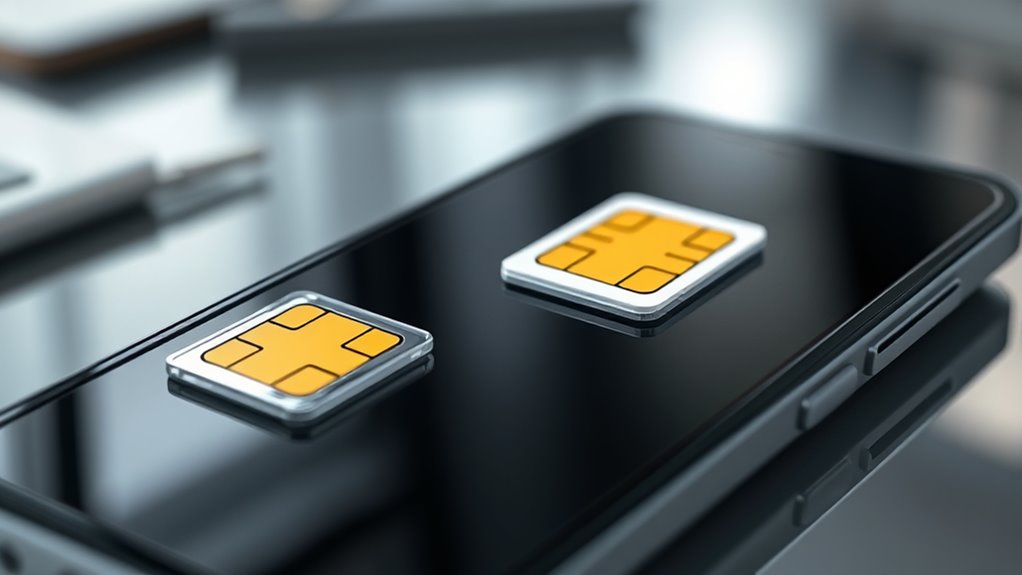
Have you ever wondered how eSIMs work? Unlike physical SIM cards, eSIMs are embedded directly into your device, eliminating the need for a removable card. They store the same information as traditional SIMs but are designed with enhanced eSIM security, making unauthorized access much harder. During SIM card manufacturing, the eSIM’s data is securely programmed into the chipset, ensuring your identity and network details are protected. When you activate an eSIM, you simply download a carrier profile from your provider, which then authenticates your device without physical swapping. This process makes switching carriers or plans seamless and faster. Overall, eSIMs combine advanced security with convenience, transforming how you connect to mobile networks without the hassle of physical cards. Additionally, the integration of projector technology in certain devices demonstrates the ongoing trend toward compact and multifunctional electronics, emphasizing the importance of secure and efficient connectivity options like eSIMs. Moreover, the use of European cloud infrastructure supports enhanced data security and sustainability in digital connectivity. Furthermore, as net worth of celebrities continues to rise, the adoption of secure and flexible technologies like eSIMs becomes increasingly relevant for high-profile individuals who require reliable mobile connectivity. The adoption of eSIMs is expected to grow rapidly as more devices become compatible, further simplifying mobile connectivity worldwide.
Physical SIM Cards: Features and Functions
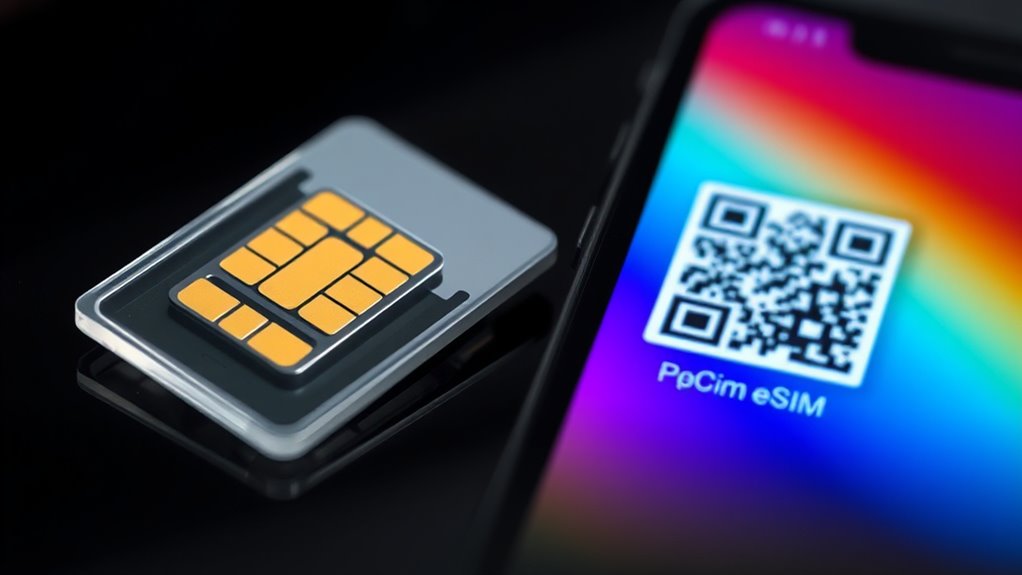
Physical SIM cards are small, removable chips that store essential information, including your phone number, network authentication data, and contacts. They play a crucial role in establishing your device’s connection to the network. Because they are removable, SIM cards offer a straightforward way to switch phones or carriers without losing your data. In terms of SIM card security, physical cards are protected by PIN codes and can be easily replaced if lost or stolen, reducing the risk of unauthorized access. Network compatibility is another key feature; SIM cards are designed to work with specific carriers and network types, ensuring your device connects seamlessly. Overall, physical SIM cards provide reliable, secure, and flexible options for managing your mobile connectivity. Additionally, physical SIM cards can be used in AI cybersecurity roles to protect mobile networks from threats and unauthorized access. They are also compatible with various device types, making them adaptable for different user needs. This versatility underscores the importance of understanding Network compatibility and how physical SIM cards support different technologies.
Key Differences Between Esim and Traditional SIMS

While physical SIM cards have long been the standard for connecting your device to a mobile network, eSIM technology introduces several notable differences. One key difference is eSIM security; since eSIMs are embedded within your device, they are less vulnerable to theft or damage compared to removable SIMs. Physical SIM durability also sets them apart—while a physical SIM can be easily damaged, lost, or worn out, an eSIM is protected inside the device, reducing physical wear. This integrated design enhances device longevity and minimizes the risk of loss. Additionally, eSIMs allow you to switch carriers or plans remotely without swapping hardware, offering greater convenience. These differences highlight how eSIMs enhance both security and durability, making them a modern alternative to the traditional SIM. The vetted status of eSIM technology ensures it meets high standards of reliability and security, providing added confidence for users.
Benefits and Limitations of Each Type
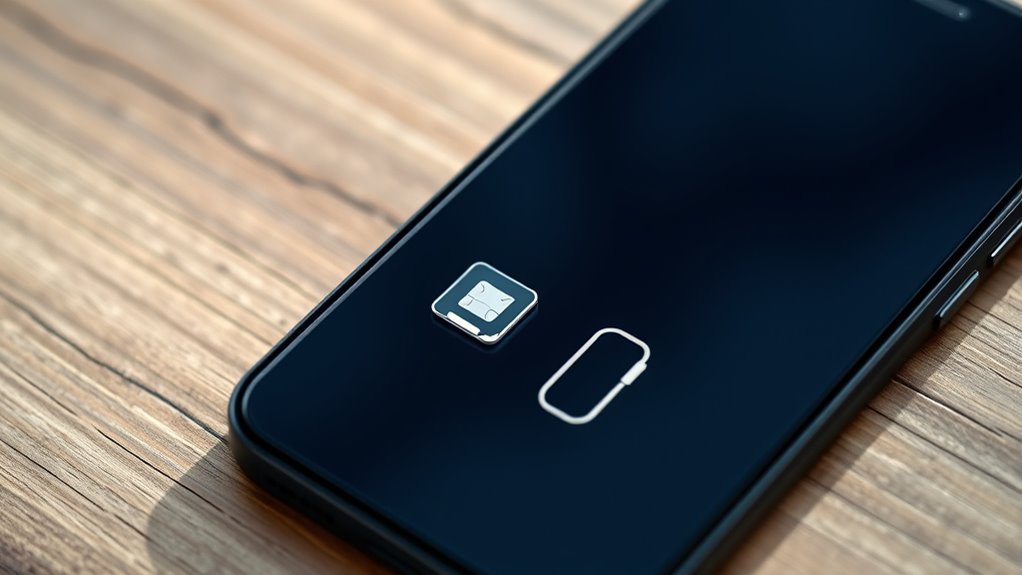
Both eSIMs and physical SIM cards offer distinct benefits and face specific limitations that can influence your choice. eSIMs provide greater convenience by allowing you to switch carriers or plans remotely, which saves time and eliminates the need to physically swap cards. However, eSIM security can be a concern if not properly protected, and compatibility issues may arise with older devices. Additionally, Vetted options are available for both types to ensure quality and compatibility. Considering the compatibility with your device and future needs can help you make a more informed decision. Moreover, understanding website performance metrics can assist manufacturers and service providers in optimizing their offerings for better user experiences. Staying informed about security considerations is also crucial to protect personal data when using digital SIM solutions.
Choosing the Right Option for Your Device and Lifestyle

Choosing the right SIM type depends on your device’s compatibility and how you use your phone daily. If your device supports eSIM, you benefit from quick activation and easier management of multiple plans. Physical SIMs may be better if your device isn’t compatible or you prefer swapping cards. Consider your data plan flexibility: eSIMs often allow more versatile plans, ideal for frequent travelers or those changing providers. Use the table below to evaluate:
| Feature | eSIM | Physical SIM |
|---|---|---|
| Device Compatibility | Modern devices, newer models | Older devices, some tablets |
| Data Plan Flexibility | High, multiple plans easily managed | Limited, plan changes may require swapping |
| Convenience | Instant activation, no physical card | Physical handling needed |
| Travel & Switching | Seamless, multiple profiles | More effort, manual swapping |
| Setup & Management | Easy setup and remote management | Manual SIM card insertion |
Additionally, eSIM technology enables remote provisioning, making device setup even more streamlined.
Frequently Asked Questions
Can Esims Be Transferred Between Devices Easily?
Yes, eSIMs can be transferred between devices, but the process depends on device compatibility and carrier support. You’ll typically need to contact your carrier or use their app to initiate the transfer process. Confirm both devices are compatible with eSIM technology, as some older models might not support it. Once set up, the transfer usually involves scanning a QR code or activating the eSIM profile on your new device.
Are Esims More Secure Than Physical SIM Cards?
Esims are definitely more secure than physical SIM cards, and here’s why: they markedly cut down security concerns by offering advanced data encryption methods. With an esim, hackers can’t physically steal a tiny chip from your phone, making it nearly impossible for them to access your personal info. Plus, remote management means your carrier can quickly update security settings, giving you peace of mind that your data stays protected at all times.
Do All Carriers Support Esim Technology Globally?
Not all carriers support eSIM technology globally, so your device’s carrier compatibility and support are vital. You should check whether your carrier offers eSIM services in your region and if your device supports eSIM functionality. Many major carriers in countries like the US and Europe do support eSIMs, but availability varies worldwide. Confirming this before switching ensures seamless activation and avoids potential connectivity issues.
How Does Esim Activation Impact Device Warranty?
Device durability depends on your carrier’s policies and your device’s design. When you activate an eSIM, the process is typically straightforward, but it can sometimes affect your device compatibility or void warranties if not done properly. You should check your device’s activation process and warranty terms before proceeding. Proper activation protects your device’s warranty, ensuring your device stays supported, secure, and seamlessly functional without risking warranty issues.
What Are the Environmental Benefits of Using Esims?
Using eSIMs reduces your environmental impact by lowering your digital footprint and supporting carbon reduction. Since eSIMs eliminate the need for physical SIM cards and packaging, you avoid plastic waste and reduce manufacturing emissions. Additionally, fewer shipments are required to distribute SIM cards, cutting down on transportation emissions. By choosing eSIMs, you contribute to a more sustainable environment, making a positive difference in reducing resource consumption and carbon footprint.
Conclusion
Whether you choose an eSIM or a physical SIM, understanding their differences helps you pick what’s best for your lifestyle. Did you know that by 2025, over 70% of smartphones will feature eSIM technology? This rapid shift highlights how eSIMs are becoming the future of mobile connectivity, offering more flexibility and convenience. So, consider your needs and embrace the tech that keeps you connected effortlessly. The right choice can make a big difference in your mobile experience.