
Mobile payment systems like Apple Pay and Google Pay are generally very secure. They use encryption, tokenization, and biometric authentication to protect your data and verify your identity. Sensitive card info isn’t stored directly on your device but replaced with tokens, reducing fraud risks. Additional features like transaction monitoring help detect suspicious activity. While no system is completely risk-free, understanding these security measures can help you stay protected—discover more about how they keep your payments safe.
Key Takeaways
- Mobile payment platforms use encryption, tokenization, and biometric authentication to protect user data and prevent fraud.
- Technologies like NFC and secure element storage ensure secure, contactless transactions with minimized data exposure.
- Multi-layered security features such as PINs, biometrics, and fraud detection systems enhance transaction safety.
- Regular app updates, user vigilance, and avoiding public Wi-Fi are essential for maintaining mobile payment security.
- Overall, platforms like Apple Pay and Google Pay are highly secure, continuously evolving with advanced security innovations.
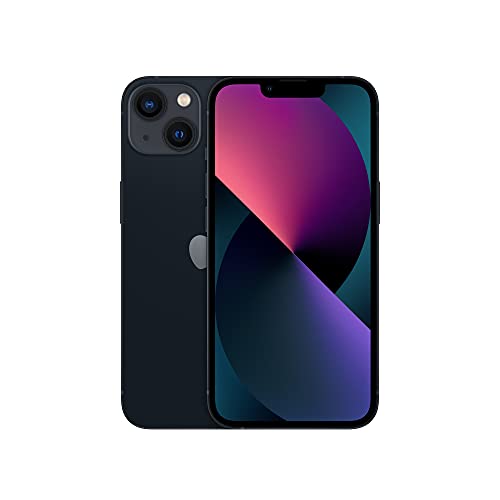
Apple iPhone 13, 128GB, Midnight – Unlocked (Renewed)
This pre-owned product is not Apple certified, but has been professionally inspected, tested and cleaned by Amazon-qualified suppliers.
As an affiliate, we earn on qualifying purchases.
As an affiliate, we earn on qualifying purchases.
How Mobile Payment Systems Work
Mobile payment systems make transactions quick and convenient by allowing you to pay using your smartphone or other mobile devices. These systems leverage blockchain innovations to enhance security and transparency, ensuring your payment data is stored securely and cannot be easily tampered with. Biometric advancements, such as fingerprint or facial recognition, add an extra layer of protection, verifying your identity instantly. When you make a payment, your device communicates securely with the merchant’s system, often using tokenization to replace sensitive card details with unique tokens. This process minimizes the risk of fraud. Additionally, cloud security techniques help protect payment information across various platforms, further safeguarding your transactions. These security measures are supported by encryption protocols, which encrypt data to prevent unauthorized access during transmission and storage. Moreover, integrating electric power generation technologies can improve the infrastructure supporting mobile payments, ensuring continued service even during power outages. For instance, the use of renewable energy sources like solar or wind power can enhance the resilience of payment infrastructure in remote areas. Overall, these innovations work together to create seamless, secure transactions, making your mobile payments faster and safer without exposing your personal or financial information. Vetted wave and wind technologies also contribute to the robustness of mobile payment infrastructure, ensuring reliable and continuous service.

TNP Nano USB Fingerprint Reader for Windows 10/11 Hello – Security Key Biometric Scanner Sensor Dongle Module for Instant Acess, Password-Free Login, Sign-in, Lock, Unlock PC & Laptops
As an affiliate, we earn on qualifying purchases.
As an affiliate, we earn on qualifying purchases.
The Technology Behind Digital Wallets
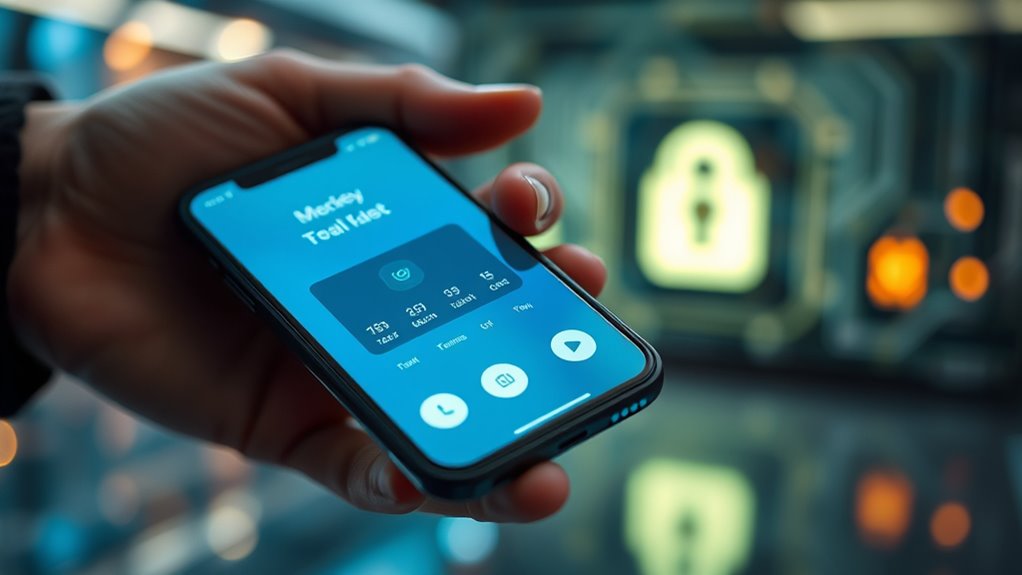
Digital wallets rely on key technologies like tokenization, which replaces your card details with unique codes to protect your information. NFC enables secure, contactless payments by communicating with payment terminals when you tap your device. Secure element storage keeps your sensitive data safe within your device, ensuring your transactions remain protected. Additionally, creative storytelling plays a significant role in building consumer trust and loyalty towards digital payment platforms by enhancing user engagement and reinforcing brand values. A methodical approach to designing these platforms ensures the consistent security standards are maintained throughout development and deployment. Incorporating load calculations and secure installation practices helps safeguard your financial data much like ensuring safe home EV charging systems. Furthermore, understanding the underlying encryption methods used in these technologies can provide users with greater confidence in their security features.
Tokenization Processes
To keep your financial information secure during transactions, tokenization processes replace sensitive card details with unique, randomly generated codes called tokens. These tokens are created using advanced cryptographic algorithms that scramble your data, making it unreadable if intercepted. When you make a payment, your device sends the token instead of your actual card number, reducing exposure risk. Additionally, biometric verification, such as fingerprint or facial recognition, ensures that only you can authorize transactions, adding another layer of security. Because tokens are useless outside their specific transaction or merchant, even if someone intercepts them, they can’t misuse your information. This process considerably minimizes fraud and keeps your financial details protected during digital wallet payments.
Near Field Communication (NFC)
Near Field Communication (NFC) enables your devices to communicate wirelessly over very short distances, typically a few centimeters. This technology is the backbone of contactless payments, allowing you to quickly and effortlessly complete transactions by just tapping your phone or smartwatch on a payment terminal. NFC technology creates a secure, encrypted link between your device and the payment reader, making your transactions both fast and safe. When you use digital wallets like Apple Pay or Google Pay, NFC transmits your payment information seamlessly without exposing sensitive data. This convenience and security are what make contactless payments so popular. With NFC, you don’t need to carry cash or swipe cards — just hold your device close, and your payment is done. Security measures built into NFC technology help protect your personal information during these transactions.
Secure Element Storage
Secure Element Storage is the technology that keeps your payment information safe within your devices. It isolates sensitive data, like cryptographic keys, inside a dedicated secure element—an ultra-secure chip. This chip encrypts your payment details and prevents unauthorized access, even if your device is compromised. When you make a payment, the secure element transmits only tokenized data, not your actual card info. Think of it as a vault inside your device, safeguarding your info with multiple layers of security. Here’s a quick overview:
| Feature | Function | Benefit |
|---|---|---|
| Secure Element | Stores cryptographic keys securely | Prevents hacking and data theft |
| Encryption | Converts data into unreadable code | Protects info during transactions |
| Tokenization | Replaces card info with tokens | Keeps real card details hidden |
| Isolation | Separates secure data from main device systems | Adds an extra security layer |
| Secure Boot | Ensures only trusted software runs | Prevents malware from hijacking |
This setup guarantees your digital wallet remains secure during every transaction. Additionally, secure element storage is designed to operate independently from the device’s main operating system, adding an extra layer of security against potential malware or hacking attempts.
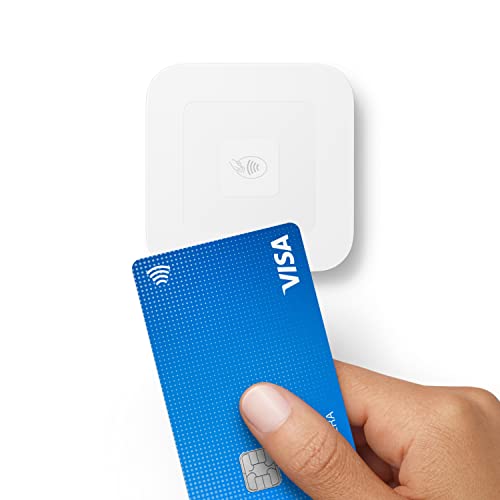
Square Reader for contactless and chip (2nd Generation)
Use the, easy-to-use, and customizable POS to get started.
As an affiliate, we earn on qualifying purchases.
As an affiliate, we earn on qualifying purchases.
Encryption and Tokenization Processes
Encryption and tokenization are indispensable methods that protect your payment information during mobile transactions. Digital encryption converts your sensitive data into a coded form, making it unreadable to anyone without the proper key. This process ensures that your card details are secure as they travel between your device and the payment processor. Data tokenization replaces your actual card information with a unique, random token that has no intrinsic value. When you make a payment, this token is used instead of your real data, preventing cybercriminals from stealing your actual information. Additionally, highly recommended security practices include regular updates and strong authentication measures to further safeguard your transactions. Implementing secure payment protocols helps to ensure your data remains protected throughout the process. These processes work together to minimize risks, ensuring your financial details stay private even if a data breach occurs. Incorporating advanced security techniques such as multi-factor authentication further enhances the protection of your mobile payments. Overall, encryption and tokenization are crucial in keeping your mobile payments safe and secure.

Compulocks Universal SlideDock EMV Smartphone Security Stand – Black, Quick Connect Steel Docking Plate, Rotation Stand, Mountable, Stylish & Secure Device Security Solution
For smartphone/EMV/tablet
As an affiliate, we earn on qualifying purchases.
As an affiliate, we earn on qualifying purchases.
Authentication Methods and User Verification

After your payment information is protected through encryption and tokenization, verifying your identity becomes the next vital step to guarantee your mobile transactions are secure. Authentication methods like biometric verification play an essential role here. You might use fingerprint scans, facial recognition, or iris scans to confirm it’s really you making the payment. These biometric options provide quick, reliable user authentication, reducing the risk of unauthorized access. Many mobile payment systems also support PINs or passcodes as additional layers of security. By combining biometric verification with other authentication methods, you create a strong barrier against fraud. This layered approach ensures that only you can authorize transactions, making your mobile payments safer and more trustworthy. biometric verification leverages unique physical traits to enhance security and streamline user access. Incorporating multi-factor authentication further strengthens the safety of your mobile payments. Additionally, ongoing advancements in user verification technologies continue to improve transaction security, including the use of body-based identification methods for added protection. For example, biometric identifiers such as voice recognition are increasingly being integrated into mobile payment authentication processes.
Security Features of Apple Pay and Google Pay

Apple Pay and Google Pay incorporate advanced security features that protect your payment information during transactions. They use biometric authentication like fingerprint or facial recognition to ensure only you can authorize payments. Additionally, both services deploy robust fraud detection systems that monitor transactions for suspicious activity, helping to prevent unauthorized use. When you make a payment, your actual card details aren’t shared; instead, a unique token is generated for each transaction, adding another layer of security. These measures work together to keep your financial data safe. Furthermore, data encryption helps secure data during transmission, making it even more difficult for malicious actors to intercept sensitive information. Modern payment systems also utilize tokenization to replace sensitive data with non-sensitive equivalents, reducing the risk of data breaches. Recent advancements in AI security further enhance transaction monitoring, providing real-time detection of potential threats. Additionally, security protocols are continually updated to address emerging cyber threats, ensuring your information remains protected.
Common Cyber Threats Targeting Mobile Payments
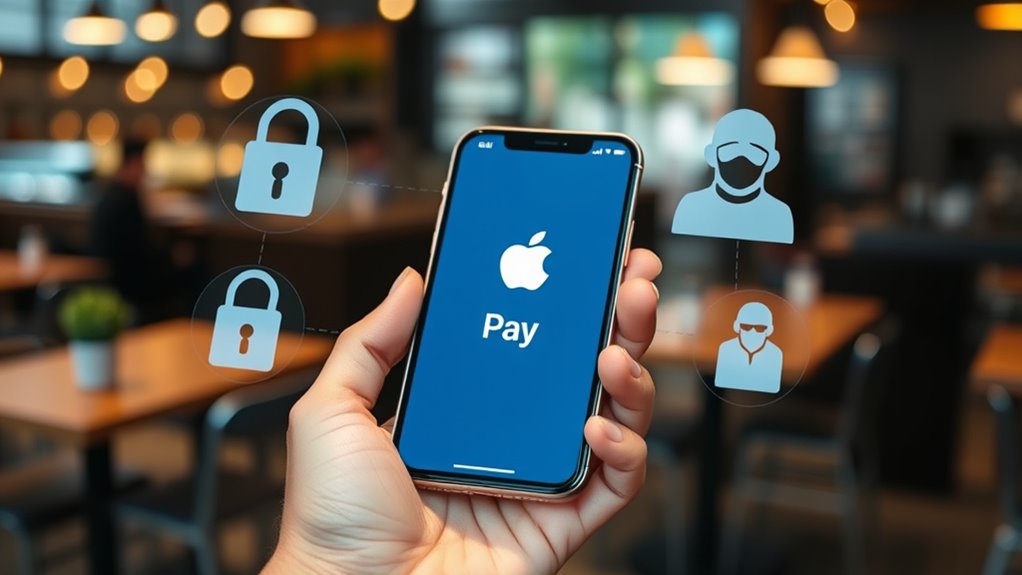
While advanced security features substantially reduce the risk of unauthorized access, mobile payment systems remain attractive targets for cybercriminals. You need to be aware of common threats like fraud detection failures and phishing scams, which can compromise your financial data. Cybercriminals often use convincing fake messages or websites to trick you into revealing sensitive information. They may also exploit vulnerabilities in payment apps or intercept data during transmission. Regularly updating your sound therapy and security settings can help mitigate these risks. Staying informed helps you recognize these threats and protect your mobile payments effectively. For example, understanding the importance of encryption protocols can enhance your awareness of how data is protected during transactions, especially since security measures like encryption are vital in safeguarding sensitive information.
Privacy Considerations and Data Sharing
As you use mobile payment systems, it’s important to understand how your data is collected, shared, and protected. Data sharing varies between providers, with some sharing transaction details with third parties for marketing or analytics. Privacy considerations come into play because your purchase history, location, and device info may be used to build a profile about you. While many services encrypt data and limit access, it’s still possible for sensitive information to be exposed if security measures fail. Always review privacy policies to see what data is shared and with whom. Being aware of these privacy considerations helps you make informed decisions about which mobile payment systems to trust. Protecting your personal information ultimately depends on understanding how your data flows within these platforms.
Best Practices for Safe Mobile Payments
To keep your mobile payments safe, you should activate two-factor authentication whenever possible, as it adds an extra layer of security. Always use secure networks, like your home Wi-Fi or trusted mobile data, to protect your information. Additionally, regularly update your apps to ensure you have the latest security features and patches.
Enable Two-Factor Authentication
Have you ever wondered how to make your mobile payments more secure? Enabling two-factor authentication adds a essential layer of protection to your digital identity. It requires you to verify your identity with a second method, such as a biometric scan or a code sent to your device, making it harder for hackers to access your accounts.
By activating this feature, you can:
- Feel confident knowing your finances are shielded by multiple security barriers
- Protect your biometric verification data from unauthorized access
- Reduce the risk of identity theft and fraudulent transactions
Implementing two-factor authentication ensures your mobile payment system is more resilient against cyber threats, giving you peace of mind every time you tap to pay.
Use Secure Networks Only
Once you’ve activated two-factor authentication to protect your accounts, it’s equally important to guarantee you’re using secure networks when making mobile payments. Public Wi-Fi networks are often unprotected, making it easier for hackers to intercept sensitive data. Always connect to trusted, password-protected Wi-Fi or your mobile data. When using your device for payments, ensure biometric verification, like fingerprint or facial recognition, is enabled for added security. This extra layer helps prevent unauthorized access even if your device is lost or stolen. Fraud detection systems employed by payment providers monitor unusual activity, but secure networks reduce the chances of your information being compromised in the first place. Staying vigilant about network security helps protect your financial information and keeps your transactions safe.
Regularly Update Apps
Keeping your apps up to date is vital for maintaining the security of your mobile payments. Developers regularly release updates that improve the user interface, streamline the user experience, and fix security vulnerabilities. By updating apps promptly, you reduce the risk of hackers exploiting outdated software.
Stay vigilant and make certain you:
- Receive timely notifications for updates, keeping your payment apps protected.
- Benefit from enhanced security features that guard your transactions.
- Enjoy a smoother, more intuitive user interface, making payments safer and easier.
Regular updates not only improve functionality but also patch potential security holes, giving you peace of mind during every transaction. Don’t delay—keeping your apps current is a key step toward safe, seamless mobile payments.
Comparing Security Levels Across Different Platforms
When comparing security levels across different mobile payment platforms, it’s clear that each one employs varying methods to protect user data and transactions. Many platforms, like Apple Pay and Google Pay, use biometric authentication, such as fingerprint or facial recognition, to verify your identity quickly and securely. Additionally, transaction monitoring plays a vital role, as it detects suspicious activity and prevents fraud in real-time. Some platforms also tokenize your card details, meaning your actual card number isn’t stored or transmitted during transactions. While security measures are generally strong across platforms, differences exist in how transparently they communicate these protections. Ultimately, your security depends on the platform’s implementation and your vigilance in keeping your device protected.
Future Trends in Mobile Payment Security

Advancements in mobile payment security are shaping how platforms will protect users in the future. Expect more sophisticated methods like biometric authentication, making unauthorized access nearly impossible. You’ll also see enhanced transaction alerts, providing real-time updates that keep you aware of all activity on your accounts. These innovations aim to boost your confidence and peace of mind.
Future trends include:
- Stronger biometric authentication to verify every transaction instantly
- Enhanced transaction alerts that notify you of suspicious activity
- AI-driven fraud detection that anticipates threats before they happen
These developments focus on empowering you to control your financial security actively. As technology evolves, you’ll gain greater confidence in mobile payments, knowing your money and data are more protected than ever.
Frequently Asked Questions
Can My Mobile Payment Data Be Hacked Remotely?
Yes, your mobile payment data can be hacked remotely, but it’s unlikely if you follow security best practices. Payment apps use strong encryption standards to protect your data during transactions. Additionally, biometric authentication adds a layer of security, making unauthorized access difficult. Keep your device’s software updated, avoid suspicious links, and enable biometric authentication to reduce the risk of remote hacking.
What Happens if My Phone Is Lost or Stolen?
If your phone is lost or stolen, you should activate your phone lock features immediately to prevent unauthorized access. Utilize theft prevention tools like remote tracking and wiping to secure your mobile payment data. Contact your bank or payment provider to suspend or monitor transactions. These steps help protect your financial information and ensure your mobile payments remain safe even if your device falls into the wrong hands.
Are There Risks Using Public Wi-Fi With Mobile Payments?
Using public Wi-Fi with mobile payments is risky, much like trusting a spy with secret information. Public Wi-Fi risks include data interception and hacking, which can jeopardize your device security concerns. To stay safe, avoid making payments over unsecured networks, use a VPN, and enable two-factor authentication. These steps help protect your financial info and assure your device remains secure, even in the most crowded, open networks.
How Do Apps Store or Share My Payment Information?
Apps store your payment information securely through payment encryption, which safeguards your data during transactions. They also follow strict data sharing policies, limiting how and when your information is shared with third parties. You can control what data you share by reviewing app permissions and privacy settings. Always keep your app and device software updated to ensure the latest security measures are in place, reducing potential risks.
Is Mobile Payment Security Regulated by Government Agencies?
They say “trust, but verify,” and that’s true for mobile payment security. Government oversight and regulatory standards do play a role, ensuring companies follow strict rules to protect your data. Agencies like the CFPB and Federal Reserve set guidelines, but enforcement varies. While regulations help, it’s wise to stay cautious. You should always review security features and choose reputable payment apps to keep your financial info safe.
Conclusion
Just like a shield protects a knight, strong security measures safeguard your mobile payments. While Apple Pay, Google Pay, and others use advanced encryption and authentication, staying vigilant is key. Always keep your device updated and avoid sharing your details. Mobile payments are convenient, but your awareness makes them truly secure. Think of it as locking your front door — your awareness is the key to keeping your digital money safe.