Choosing between a notch, hole-punch, or invisible camera depends on your preferences for aesthetics, privacy, and functionality. Notches maximize screen space but can disrupt visuals, while hole-punch designs offer a cleaner look with better immersion. Invisible cameras hide sensors behind the display for a seamless appearance but involve complex tech. To find out which style best suits your needs and the challenges behind each, explore the details ahead.
Key Takeaways
- Notch designs maximize screen space but can disrupt visual flow and raise privacy concerns over sensor data collection.
- Hole-punch displays offer a cleaner, more immersive look, while still balancing camera accessibility and screen real estate.
- Invisible cameras and hidden sensors provide seamless full-screen experiences but involve complex manufacturing and higher costs.
- Each design impacts manufacturing complexity, durability, repairability, and cost, influencing overall device practicality.
- User preferences vary: minimal cutouts favor aesthetics, while unobstructed screens enhance gaming and media use.
Understanding the Notch Design
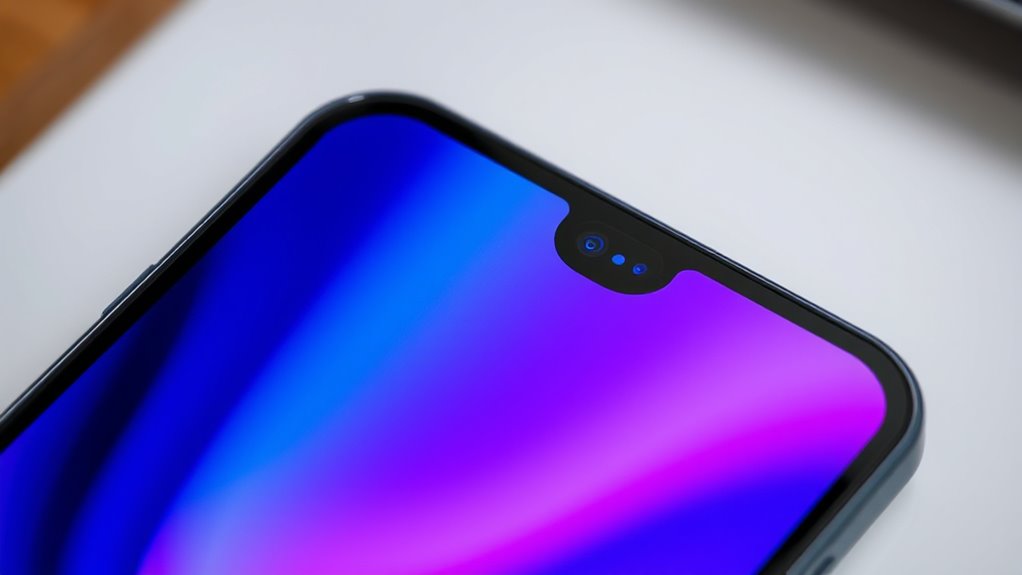
The notch design became a popular way for smartphone manufacturers to maximize screen space while still housing essential components like cameras and sensors. However, it also raised privacy concerns, as some users worry about how sensors could collect data without their knowledge. Manufacturing challenges also come into play, since designing a notch that fits various screen sizes and maintains durability isn’t easy. Creating a seamless look requires precise engineering, which can increase costs and production time. Additionally, integrating cameras and sensors into the notch means balancing functionality with aesthetic appeal. While the notch allows for larger displays, manufacturers must address these challenges to ensure user privacy and device reliability. Proper ventilation considerations are also important to prevent overheating and ensure long-term device performance. In addition, ongoing advancements in screen technology aim to make these designs more efficient and user-friendly. Moreover, innovative sensor integration techniques are helping to improve the overall user experience and device security. As the industry explores alternative display innovations, some manufacturers are experimenting with different methods to reduce or eliminate the need for traditional notches altogether. Exploring design flexibility can lead to more adaptable and sleek device layouts that meet diverse user preferences.
The Rise of Hole-Punch Displays
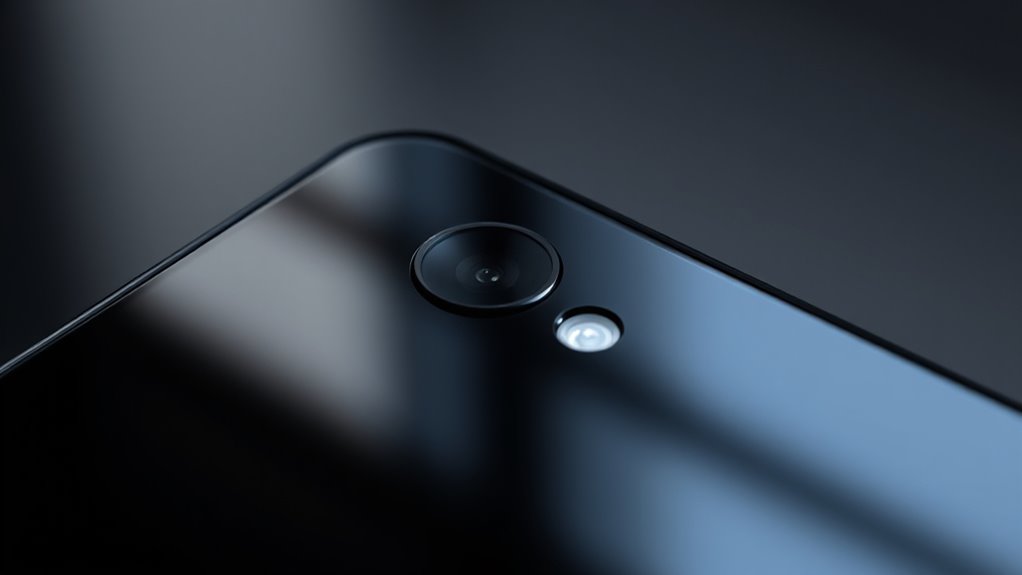
As smartphone manufacturers seek to maximize screen real estate, hole-punch displays have emerged as a popular alternative to notches. This design places the camera in a small cutout directly on the screen, offering a cleaner look and more immersive experience. However, privacy concerns arise because the camera is more exposed, making users wary of potential data breaches or unauthorized access. Additionally, manufacturing challenges complicate production; creating precise, durable cutouts requires advanced technology and can increase costs. Despite these hurdles, brands continue to adopt hole-punch displays for their sleek aesthetic and space efficiency. As a result, this trend reflects a balance between innovative design and addressing consumer concerns about security and manufacturing complexity. Moreover, smartphone customization options are expanding to help users manage privacy and security features associated with these new display formats. Manufacturers are also exploring privacy protection techniques to reassure users about camera security in these compact designs. In particular, integrating advanced security features can help mitigate privacy risks associated with exposed cameras. Furthermore, ongoing research into user privacy demonstrates the industry’s commitment to safeguarding personal data in new hardware configurations.
How Invisible Cameras Work
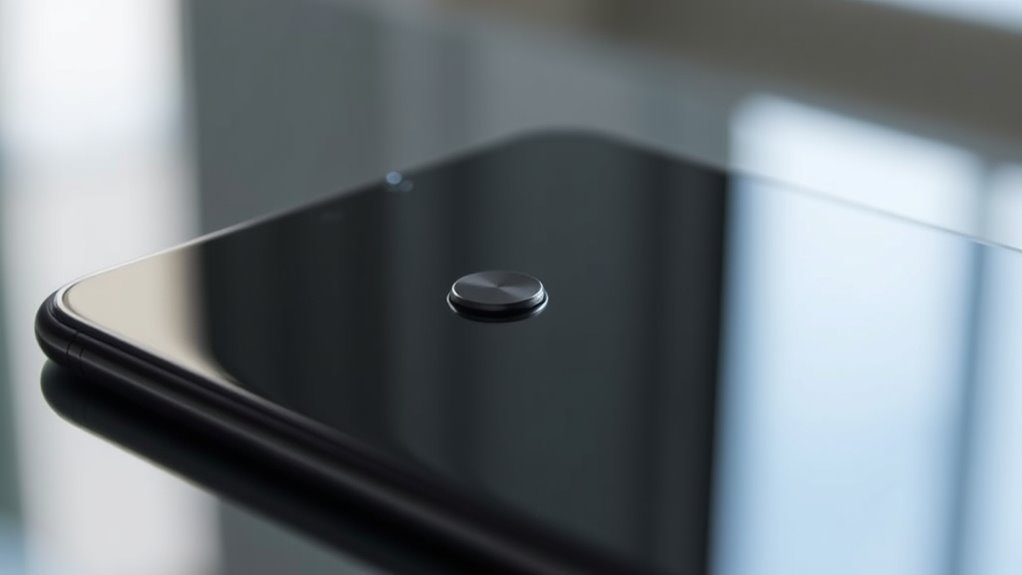
Invisible cameras use hidden sensor placement to keep the lens concealed behind the screen, maintaining a sleek look. Advanced manufacturing techniques guarantee these tiny sensors fit seamlessly without sacrificing quality. This technology allows you to enjoy full-screen displays without visible cameras interrupting the design. Innovative manufacturing methods ensure precision and durability in these tiny sensors, often incorporating precision engineering to withstand daily use.
Hidden Sensor Placement
Hidden sensor placement in smartphones allows cameras to remain virtually invisible to users, maintaining sleek and uninterrupted screen designs. This design innovation involves integrating sensors beneath the display or within thin bezels to avoid visible cutouts. Manufacturers use advanced techniques to carefully position these sensors, ensuring they don’t compromise functionality or image quality. By embedding sensors below the screen, they can preserve a seamless display surface that enhances aesthetic appeal. This method also requires precise sensor placement to balance performance with an unobtrusive look. Additionally, support breakfast options can be incorporated into some designs, offering users quick access to nourishment without disrupting the visual flow. Incorporating advanced display technology further enhances the effectiveness of hidden sensors, ensuring high-quality imaging and responsiveness. Effective sensor integration demonstrates how thoughtful design innovation can improve both the form and function of modern smartphones. As a result, users enjoy a clean, immersive viewing experience without the distraction of notches or punch-holes. Proper sensor calibration is essential to maintain optimal performance and image clarity. Hidden sensor placement showcases how thoughtful design innovation can improve both the form and function of modern smartphones.
Advanced Manufacturing Techniques
Advanced manufacturing techniques enable the creation of truly seamless smartphone cameras by precisely fabricating tiny sensors and integrating them into the display. This process relies on innovative materials that allow sensors to be incredibly small and flexible, making seamless integration possible. Manufacturing precision is vital, ensuring these tiny components fit perfectly without affecting display performance or quality. Advanced methods, like microfabrication and lithography, help produce sensors that are almost invisible to the naked eye. These techniques also minimize gaps and overlaps, resulting in a smooth, uninterrupted screen surface. Nanotechnology plays a crucial role in enabling these advancements by allowing the development of ultra-miniaturized components with enhanced flexibility and durability. Additionally, Manufacturing precision is essential for maintaining consistent quality and performance across large production runs, which is vital for the widespread adoption of invisible camera technology. Incorporating quality control measures ensures each sensor meets strict standards, further supporting the reliability of these innovative displays.
Comparing Aesthetics and Functionality
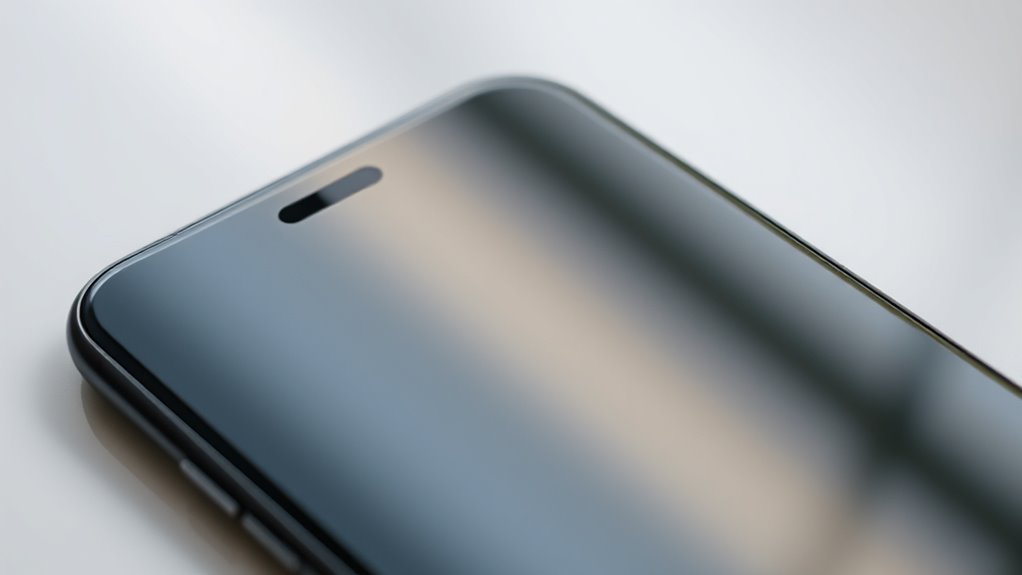
When comparing smartphone screens, you’ll notice that some prioritize sleek, minimalistic designs while others focus on maximizing usability. Visual appeal often involves sharp images and seamless displays, but practicality matters too—like touch responsiveness and durability. Balancing these aspects helps you choose a screen that looks good and performs well in everyday use.
Visual Appeal Differences
Have you ever noticed how some smartphone screens captivate you instantly with their sleek design, while others seem more utilitarian? The difference often lies in visual appeal, especially in aspects like color contrast and visual symmetry. Devices with high contrast make images and icons pop, creating a more engaging experience. Meanwhile, screens with balanced visual symmetry appear more harmonious and pleasing to the eye, whether they feature a notch, hole-punch, or an invisible camera. The design choice influences how fluid and natural the interface looks, affecting your overall perception of quality. While some screens emphasize bold contrast and symmetry to attract attention, others lean toward minimalism for a cleaner, more refined look. Ultimately, these aesthetic choices shape your initial impression and enjoyment of your device.
Practical Usability Aspects
While visual appeal draws you in, practical usability determines how well a smartphone meets your daily needs. When choosing a screen design, consider how it impacts audio clarity during calls and media playback. A seamless, uninterrupted display enhances sound quality, making conversations clearer and media more immersive. For gaming, practical usability hinges on screen responsiveness and minimal distractions. Designs with pop-up or under-display cameras prevent obstructions that can interfere with gaming performance. Additionally, a larger, high-refresh-rate display improves touch accuracy and smooth visuals, boosting your overall experience. Balancing aesthetics with functionality guarantees your device isn’t just stylish but also reliable for everyday tasks, entertainment, and gaming. Ultimately, practical usability makes your smartphone more efficient, comfortable, and enjoyable to use daily.
Impact on User Experience and Content Viewing
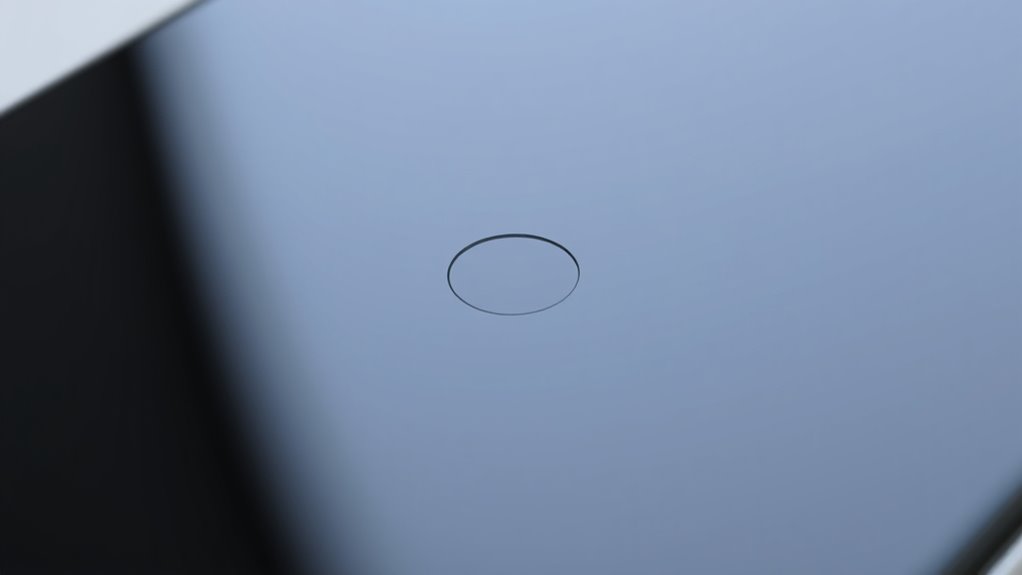
The evolution of smartphone screen sizes and resolutions considerably shapes how you experience content. Larger, high-resolution displays make videos, images, and text more immersive and detailed, enhancing your overall viewing pleasure. However, these changes can also introduce privacy concerns, especially with cameras hidden behind screens, making you wary of unauthorized access or eavesdropping. When gaming, a seamless, bezel-less screen offers a more engaging experience, but it can also mean accidental touches or distractions from cutouts. Content viewing benefits from minimal obstructions, yet some designs, like notches or punch-holes, can interfere with full-screen visuals. Overall, the trend toward invisible cameras aims to improve immersion while balancing privacy and functionality, directly impacting how you enjoy media and interactive content. Additionally, innovations like camera concealment techniques are advancing to address privacy issues without compromising user experience, much like how navigation and mapping in household robots enhances their efficiency and safety in complex environments. These advancements in smartphone design exemplify the ongoing effort to optimize user experience while safeguarding privacy. Moreover, screen technology continues to evolve, integrating new features that further refine how content is displayed and interacted with, shaping the future of mobile devices. As these innovations mature, they will likely lead to more privacy-preserving features that seamlessly blend security with usability, ensuring a more secure and immersive user experience.
Pros and Cons of Each Screen Style
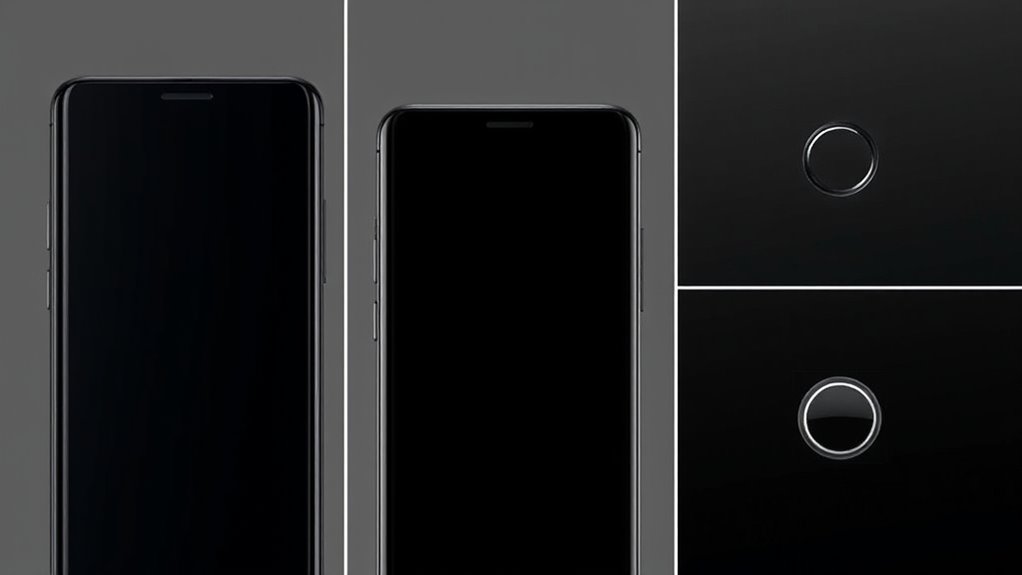
Different screen styles in smartphones each bring their own advantages and drawbacks. Notches are simple to produce but can interrupt your display, affecting viewing experience. Hole-punch screens offer a cleaner look and maximize space, but their small cutouts can still be distracting. Invisible cameras provide sleek, uninterrupted screens, yet they often involve complex manufacturing processes that increase costs and may impact battery efficiency due to added components. The manufacturing complexity varies greatly; simpler designs tend to be easier to produce and repair. Passive voice detection tools can help identify and improve unclear phrasing in your writing. When choosing a style, consider how these factors influence your daily use, especially if battery life or ease of repair are priorities. Each style balances aesthetics with practicality, so weigh the pros and cons based on what matters most to you.
Choosing the Right Screen Trend for You
Choosing the right screen trend depends on your priorities and how you use your smartphone. If battery efficiency is key, opt for screens with minimal cutouts, as they often consume less power. For gaming performance, consider screens with higher refresh rates and fewer obstructions to maximize smoothness. Finally, if you value aesthetics and a seamless display, an invisible camera or hole-punch design might suit you best. To help decide, think about: 1. Do you prioritize longer battery life over a more immersive display? 2. Will gaming or media consumption be your primary use? 3. Are you comfortable with potential compromises in camera placement or screen size? Additionally, understanding display design can help you make a more informed choice that aligns with your daily needs.
Frequently Asked Questions
Which Smartphone Brands Pioneered Each of These Display Styles?
You’ll notice that Apple pioneered the notch design, prioritizing aesthetic appeal with its iconic cutout for the front camera. Samsung led the way with hole-punch displays, offering a sleek look while maximizing screen space. Brands like Xiaomi and Oppo introduced invisible camera technology, pushing the boundaries of camera placement for a seamless, immersive experience. Each style reflects a focus on balancing camera functionality and aesthetic appeal to attract modern smartphone users.
How Do These Screen Designs Affect Device Durability?
You’ll find that these screen designs influence device durability and crack resistance differently. Notches and punch-holes add small vulnerabilities, making screens slightly more prone to cracks if dropped. Invisible cameras often require advanced glass, which can enhance crack resistance but may be more fragile against impacts. Overall, modern designs aim to balance aesthetics with improved screen durability, but you should still handle your device carefully to prevent damage.
What Are the Privacy Implications of Invisible Cameras?
Invisible cameras might seem like a sleek upgrade, but they raise privacy concerns you should consider. You could unknowingly face surveillance risks if these cameras are hacked or used without your consent. While they protect your screen’s aesthetics, they also pose a challenge in ensuring your privacy remains intact. Stay alert and keep your device’s security features updated to minimize potential threats and protect your personal space.
Are There Significant Cost Differences Between These Screen Types?
You’ll find that the cost comparison between these screen types varies, with invisible camera screens generally costing more due to advanced manufacturing costs. Notch and hole-punch displays tend to be cheaper because their manufacturing processes are more established and less complex. If budget is a priority, you might lean toward traditional designs, but for sleek, innovative looks, expect to pay a premium for the latest technology.
How Do These Trends Influence Future Smartphone Design Innovations?
These trends push future smartphone designs toward sleeker, more immersive screens, prioritizing camera placement that minimizes disruptions. You’ll likely see innovations that enhance user experience by reducing obstructions and maximizing display space. As manufacturers experiment with different camera placements, expect smarter, more integrated designs that balance aesthetics with practicality, making your device more intuitive and visually appealing while maintaining high functionality.
Conclusion
Choosing the right screen style is like picking a favorite outfit—you want it to match your style and needs. Whether you prefer the classic notch, sleek hole-punch, or invisible camera, each offers unique benefits and quirks. Think about what matters most—looks, functionality, or a seamless display. Ultimately, your choice shapes your experience, so pick the one that feels like a perfect fit, like your favorite pair of shoes that make every step comfortable.