
Manufacturers remove the headphone jack to create sleeker, more durable devices that better embrace wireless technology. Without the bulky port, phones can be thinner, lighter, and more resistant to water and dust. Plus, dropping the jack helps reduce manufacturing costs and internal space for bigger batteries or features. As consumers prefer wireless audio for convenience and mobility, this change aligns with modern habits. Keep exploring to discover more about this trend’s full impact.
Key Takeaways
- To enable sleeker, thinner device designs by eliminating bulky ports.
- To prioritize wireless audio technologies, offering better range and sound quality.
- To reduce manufacturing costs and internal space, allowing for larger batteries or features.
- To improve water and dust resistance by sealing off entry points.
- To align with changing consumer habits favoring wireless, portable audio solutions.
The Drive for Thinner and Lighter Devices
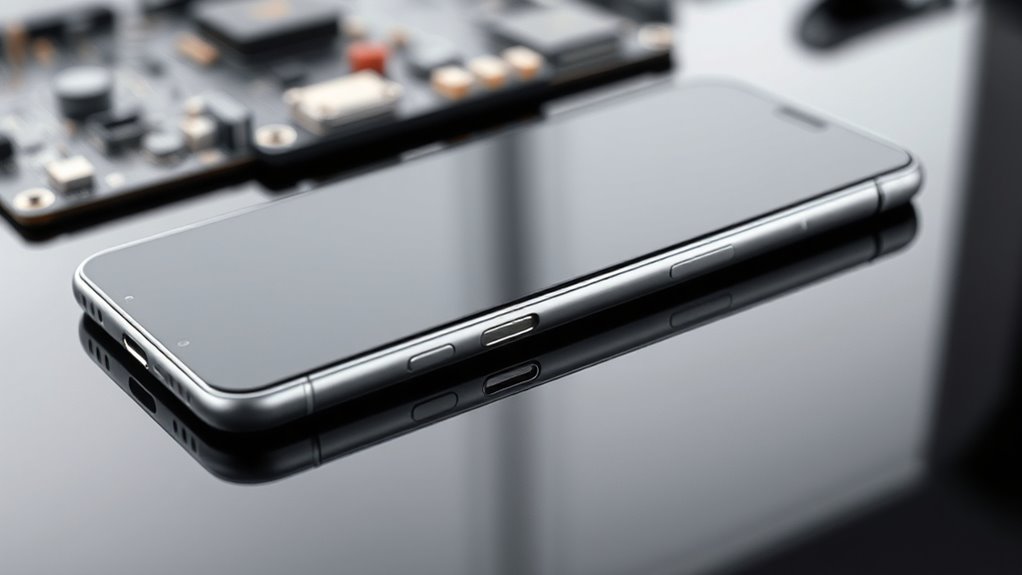
One of the main reasons manufacturers remove the headphone jack is the push to make phones thinner and lighter. By eliminating this port, companies can achieve a sleek, minimalist design that appeals to aesthetic minimalism. Without the bulky jack, devices become more streamlined, enhancing visual appeal and user experience. Removing the headphone port also simplifies manufacturing efficiency, as fewer parts are needed, reducing assembly time and costs. This reduction in component count can also support the integration of energy-efficient technologies, aligning with the broader trend toward sustainable device design. This approach allows for a more compact internal layout, giving designers space for larger batteries or other features. Additionally, Free Floating design elements are often prioritized in modern devices, emphasizing clean lines and seamless surfaces. Enhanced device durability is another benefit, as fewer ports mean fewer points of vulnerability or ingress of dust and moisture. The trend toward compact internal layouts enables manufacturers to incorporate more advanced hardware without increasing device size. Moreover, the desire for wireless audio solutions has gained momentum, further reducing the need for traditional headphone jacks. Ultimately, prioritizing thinner and lighter devices aligns with modern consumer preferences for portability and style, making the removal of the headphone jack a strategic move to meet these demands without sacrificing overall device performance.
Advancements in Wireless Audio Technology

Advancements in wireless audio technology have made streaming high-quality sound more convenient than ever, reducing the need for wired connections. Bluetooth upgrades have increased range, connection stability, and power efficiency, making wireless listening more reliable. Codec improvements, like aptX and LDAC, deliver higher sound quality with minimal latency, so you experience clearer, richer audio without wires. These developments mean you can enjoy your favorite music, podcasts, or calls seamlessly through wireless headphones or earbuds. As Bluetooth technology evolves, it supports more features and better performance, encouraging manufacturers to prioritize wireless options over traditional headphone jacks. This progress helps explain why newer phones focus on wireless audio solutions, making the removal of the headphone jack less of a compromise and more a step toward enhanced convenience.
Cost Reduction and Simplification of Design
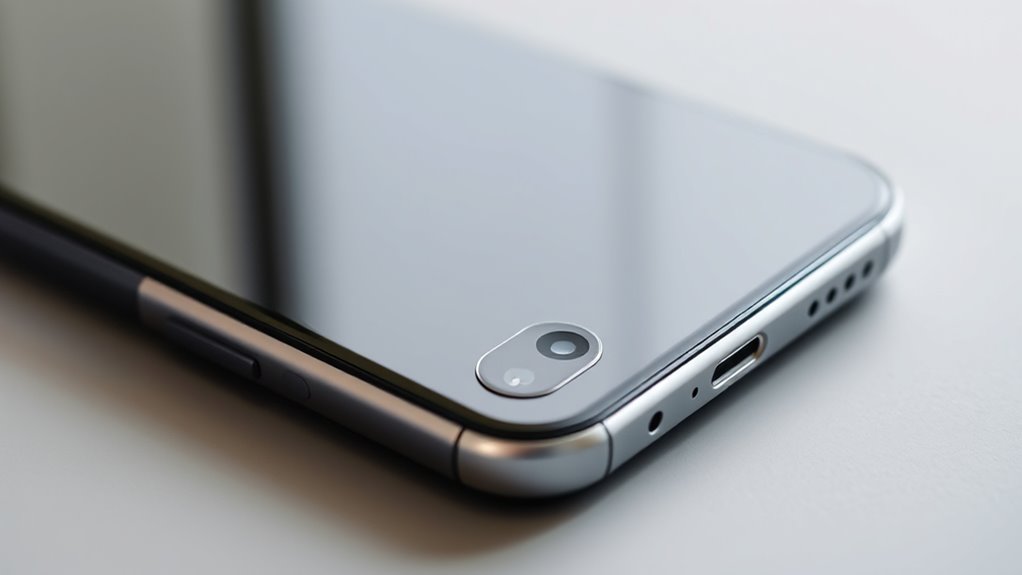
Reducing costs and simplifying designs are key reasons why manufacturers are removing the headphone jack from new phones. Eliminating this port cuts manufacturing costs by reducing the number of components needed, which streamlines the assembly process. It also allows for a more compact design, making phones slimmer and lighter. While some worry about audio quality, manufacturers often focus on improving wireless audio solutions that can match or surpass wired sound. Removing the headphone jack also frees up space inside the device, which can be used for larger batteries or additional features. Additionally, understanding the mechanics of French press coffee highlights how simplifying components can enhance overall performance. This approach is part of a broader trend towards minimalist design that emphasizes sleekness and functionality. The shift towards wireless technology aligns with the trend of connected devices that integrate seamlessly with other smart gadgets. Furthermore, this change is driven by the desire to appeal to tech-savvy consumers who prefer wireless accessories and a clutter-free experience. Overall, this move helps companies lower production expenses while creating sleeker, more minimalist phones. For you, it means a more streamlined device, but one that encourages wireless audio and accessories.
Water and Dust Resistance Benefits
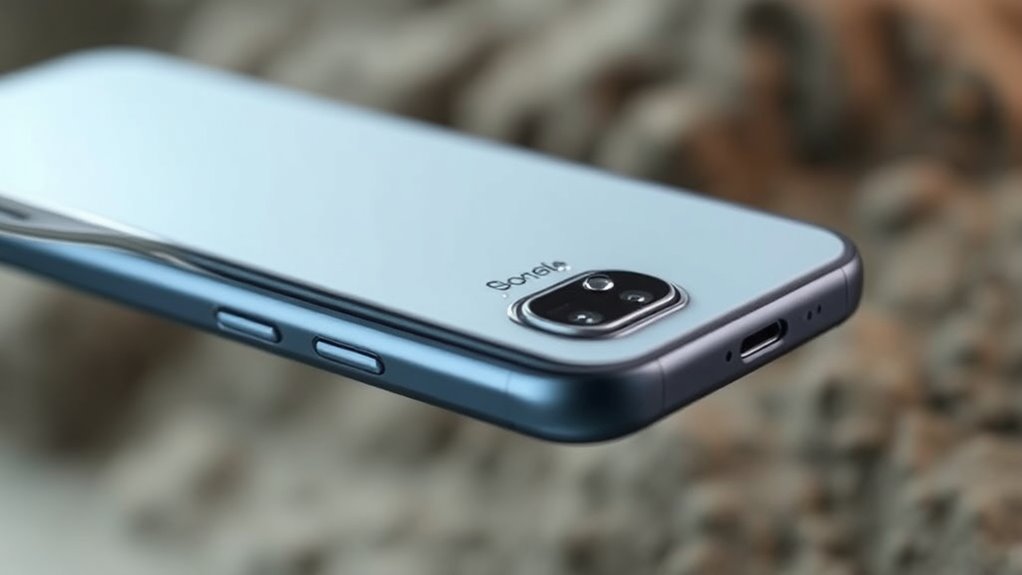
Removing the headphone jack often enhances a phone’s water and dust resistance because it eliminates gaps that can let moisture and particles in. Without the port, manufacturers can better seal the device using waterproof seals and dust proof coatings. This reduces the risk of damage from water or dust ingress. Here are some benefits:
Removing the headphone jack improves water and dust resistance by eliminating entry points and enabling better sealing.
- Improved waterproofing, making your phone safer in wet conditions.
- Fewer entry points for dust, keeping internal components cleaner.
- Easier to apply effective waterproof seals around other openings.
- Enhanced overall durability by minimizing exposed gaps.
- This design change aligns with reliable backup power principles of improving device integrity and longevity. Additionally, removing the headphone jack allows for more internal space, which can be utilized to strengthen the device’s overall waterproofing design.
Changing Consumer Preferences and Usage Habits
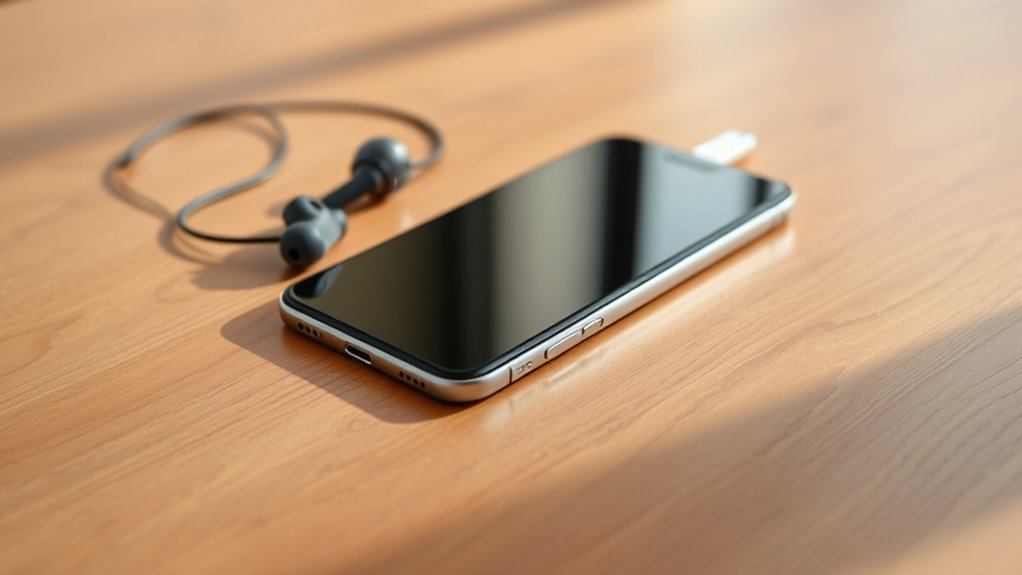
As consumer preferences evolve, more people are favoring wireless audio solutions over traditional wired headphones. You now prefer the convenience of Bluetooth connectivity, which lets you move freely without tangled cords. This shift reduces demand for headphone jacks, prompting manufacturers to remove them. Instead, they offer headphone adapters for those who still use wired headphones. The table below shows how habits have changed:
| Aspect | Old Preference | New Preference |
|---|---|---|
| Connectivity | Wired headphones with jack | Bluetooth wireless |
| Accessories | Headphone adapters | Direct wireless streaming |
| Usage Flexibility | Limited by wire | Greater mobility |
| Device Design | Larger, with headphone jack | Slimmer, more streamlined |
| Consumer Focus | Wired audio quality | Convenience and portability |
These changing habits drive the removal of headphone jacks in favor of wireless tech, aligning with modern lifestyles. One significant factor influencing this trend is the push for device thinness and minimalism in design. Additionally, advancements in audio quality for wireless headphones are making them a more attractive option for consumers. Improved battery technology also supports longer usage times, further encouraging the shift toward wireless solutions. Moreover, a growing emphasis on wireless connectivity reflects broader trends in technology adoption across various devices. Furthermore, manufacturers are increasingly designing devices with aesthetic appeal, prioritizing sleekness that often conflicts with the inclusion of a traditional headphone jack.
Frequently Asked Questions
Will Headphone Jacks Be Completely Phased Out in Future Phones?
Yes, headphone jacks will likely be fully phased out in future phones. You’ll find that manufacturers prioritize wireless convenience and design simplicity, making devices sleeker and more streamlined. Without the headphone jack, you get fewer ports, which encourages using wireless earbuds. While some users miss the convenience, most appreciate the cleaner design and freedom from tangled cords, signaling a trend toward complete wireless audio solutions in future smartphones.
How Does Removing the Headphone Jack Impact Audio Quality?
Ironically, removing the headphone jack doesn’t necessarily hurt your audio quality. Instead, it pushes you toward wireless audio, which often offers better convenience and innovation. While some worry about headphone quality, modern wireless tech and high-quality adapters keep sound crisp. So, you might actually enjoy improved audio experiences, even without a traditional headphone jack, embracing the future of seamless, cable-free listening.
Are There Health Risks Associated With Wireless Audio Devices?
Wireless audio devices emit some wireless radiation, but current research shows it’s generally safe for your ear health when used normally. However, prolonged exposure to high volumes or close contact might cause ear discomfort or hearing issues over time. To protect yourself, keep volume levels moderate, take breaks, and avoid using wireless devices for extended periods. Staying informed helps you enjoy wireless convenience without risking your ear health.
What Alternatives Do Users Have if Their Headphones Are Removed?
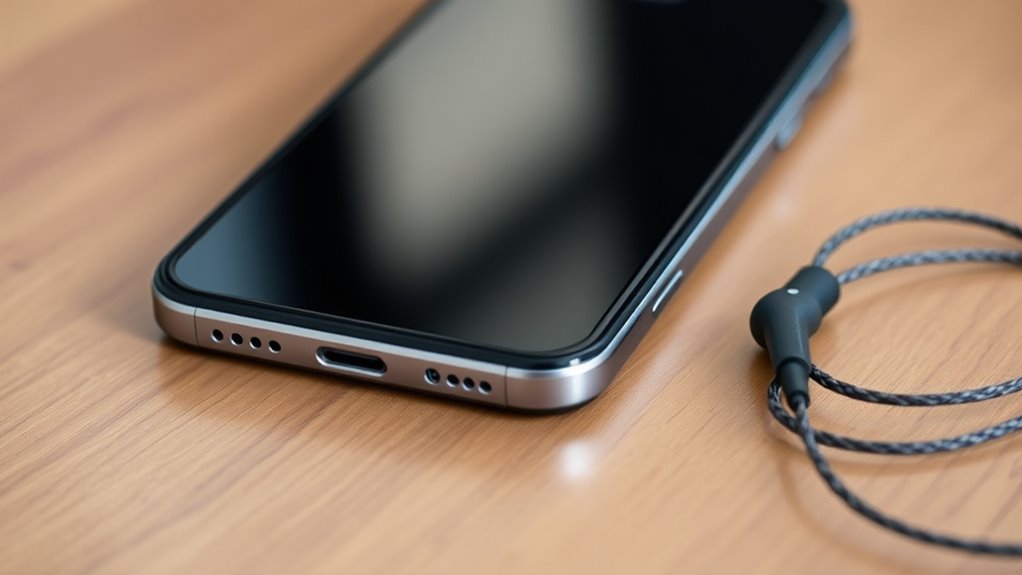
Think of your headphones as a bridge to your music, now cut in half. If your phone lacks a headphone jack, you can explore wireless options like Bluetooth earbuds or headphones for a seamless experience. Alternatively, adapter solutions connect your traditional wired headphones to your device’s charging port. These options keep your music flowing without missing a beat, ensuring you stay connected to your favorite sounds regardless of hardware changes.
Do Headphone Jack Removals Affect Phone Resale Value?
Headphone jack removal can lower your phone’s resale value because many buyers prefer models with a headphone port for convenience. If your device lacks this feature, it might seem less appealing or outdated, especially to audiophiles. However, you can mitigate this by highlighting other features or including adapters and wireless options in your listing. Ultimately, the impact varies, but keeping the headphone jack can help maintain higher resale value.
Conclusion
As you hold your sleek new phone, it’s like holding a finely tuned instrument, streamlined for performance. Removing the headphone jack is part of this evolution—making devices thinner, more durable, and embracing wireless freedom. While it might feel like losing a familiar friend, it’s really opening the door to new adventures in sound. Embrace the change, and soon you’ll find yourself dancing effortlessly to your favorite tunes, unchained and unstoppable.