
To double your security, enable two-factor authentication (2FA) on your accounts. 2FA adds an extra step, combining your password with a second verification method like a fingerprint, code from an app, or a hardware token. Make sure to choose the most secure options and keep backup codes in a safe place. By following these steps and learning more, you’ll strengthen your defenses against cyber threats and keep your accounts safer than ever.
Key Takeaways
- Implement 2FA on your accounts to add an extra security layer beyond passwords.
- Use biometric or hardware tokens instead of SMS codes for more secure verification.
- Regularly update authentication apps and device software to fix bugs and enhance security.
- Store backup codes securely offline and review security settings periodically.
- Educate yourself on common 2FA vulnerabilities and combine multiple security practices for optimal protection.
hardware security tokens for 2FA
As an affiliate, we earn on qualifying purchases.
As an affiliate, we earn on qualifying purchases.
Understanding the Basics of Two-Factor Authentication
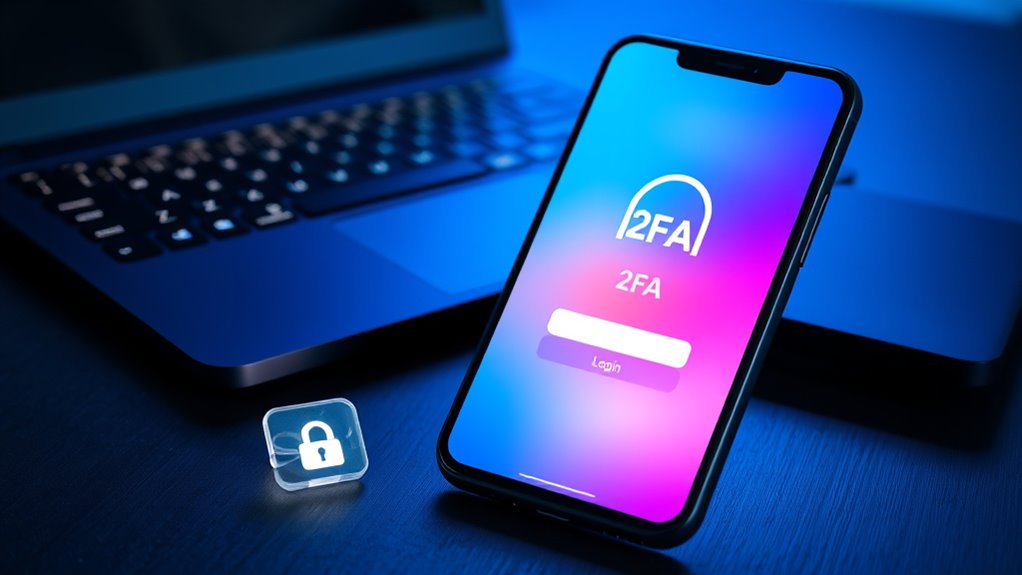
Two-Factor Authentication, or 2FA, adds an extra layer of security to your accounts by requiring you to provide two different types of verification before gaining access. This process enhances your security awareness, reminding you that a single password isn’t enough to protect sensitive information. As a user, you have the responsibility to understand how 2FA works and to enable it wherever possible. By doing so, you reduce the risk of unauthorized access due to compromised passwords. 2FA typically combines something you know (like a password) with something you have (such as a smartphone or security token). Recognizing the importance of this added step helps you stay proactive in safeguarding your digital presence, emphasizing your role in maintaining your account security. Additionally, understanding the first home theatre projector can provide insights into how visual security measures, like encryption screens or display security, can further protect your information. Incorporating energy-efficient cloud solutions can also complement your security efforts, especially in environments that require reliable and sustainable data management. Being aware of how digital security measures work helps you make informed decisions to protect your personal data effectively, much like understanding the science behind heat distribution can optimize your cooking techniques for better results. Understanding biometric authentication adds another layer of security by utilizing unique physical traits, which can further enhance your account protection strategies.
biometric authentication device
As an affiliate, we earn on qualifying purchases.
As an affiliate, we earn on qualifying purchases.
Types of 2FA Methods
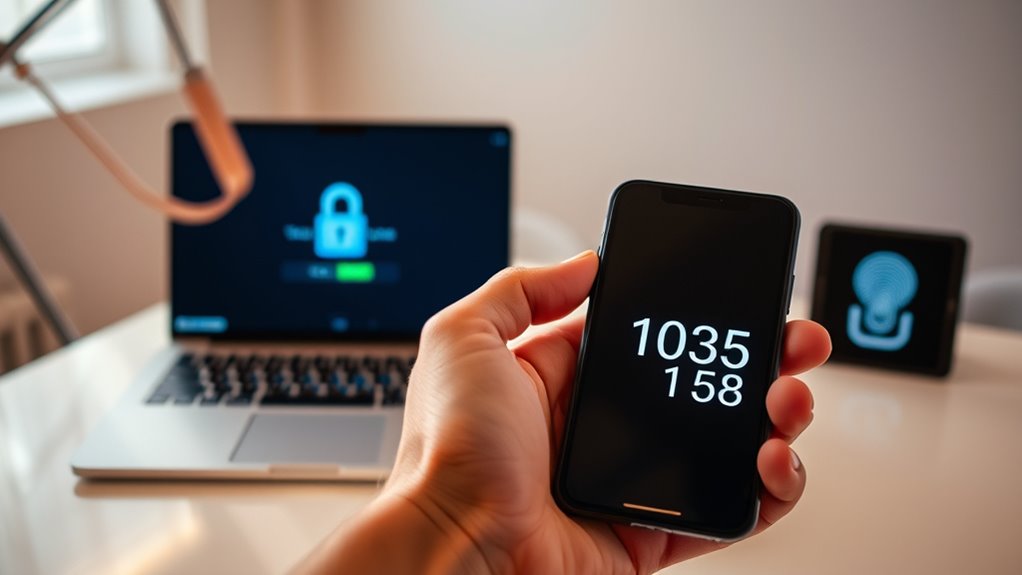
There are several common methods used to implement 2FA, each offering different ways to verify your identity. One popular option is biometric authentication, which uses biometric options like fingerprint scans, facial recognition, or iris scans. These methods are convenient because they rely on unique physical traits, making them hard to duplicate. Another widely used method involves hardware tokens—small physical devices that generate one-time codes. These tokens provide an extra layer of security since you need the device to authenticate. SMS or email codes are also common, sending temporary codes to your phone or email. While easy to use, they can be less secure than biometrics or hardware tokens. Choosing the right 2FA method depends on your security needs and convenience preferences. Security features can further enhance the protection provided by various 2FA methods. Additionally, understanding flushing mechanisms and how to maintain your toilet can prevent costly repairs and ensure optimal performance. For example, some 2FA methods utilize data encryption to secure authentication data during transmission. Implementing multiple security layers can significantly improve your overall account protection.
two-factor authentication app
As an affiliate, we earn on qualifying purchases.
As an affiliate, we earn on qualifying purchases.
How to Enable 2FA on Popular Platforms
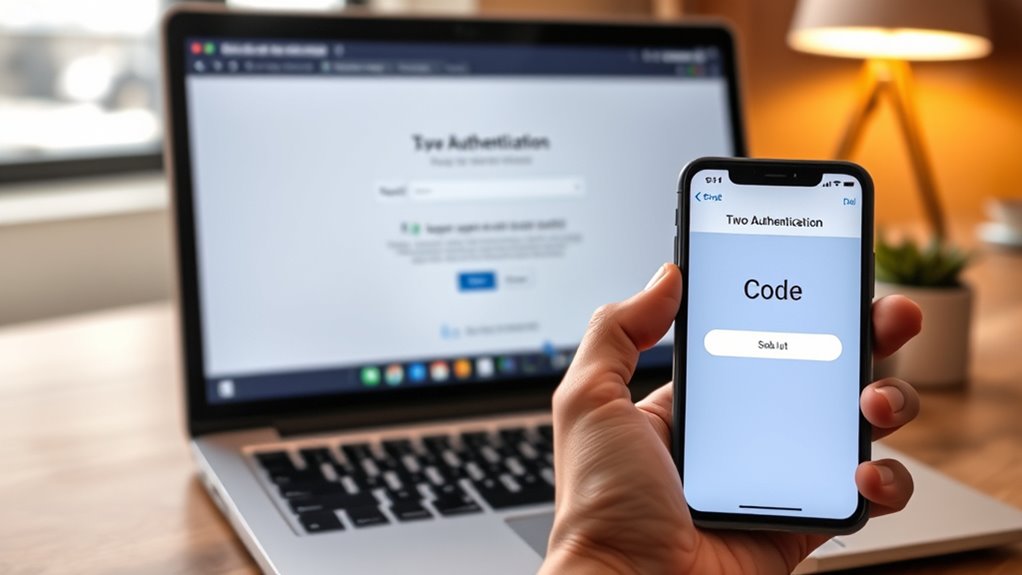
Enabling 2FA on popular platforms is straightforward and can substantially enhance your account security. To do this, log into your account and navigate to the security or privacy settings. Many services, like Google, Facebook, and Twitter, offer options to activate two-factor authentication. You can choose methods such as biometric verification, which uses your fingerprint or face recognition for quick access, or hardware tokens, which generate unique codes stored securely on physical devices. Some platforms also support authentication apps like Google Authenticator or Authy. Simply follow the prompts to link your preferred 2FA method, and you’ll be set. Enabling 2FA adds an extra layer of protection, making it much harder for hackers to access your accounts even if they have your password. Additionally, understanding the different types of authentication can help you select the most suitable method for your needs, especially since some techniques are more resistant to dark psychology tactics like phishing or social engineering. Being aware of security best practices can further bolster your defenses against potential threats, including multi-layered security approaches that combine various protective measures.
backup codes storage safe
As an affiliate, we earn on qualifying purchases.
As an affiliate, we earn on qualifying purchases.
Best Practices for Keeping Your 2FA Secure
Once you’ve set up 2FA on your accounts, it’s important to follow best practices to keep this added layer of security effective. Avoid relying solely on SMS codes; instead, consider using biometric security methods like fingerprint or facial recognition for your authentication apps. These provide an extra layer of protection, making it harder for attackers to access your accounts. Hardware tokens are also a secure option, especially since they store your 2FA credentials offline, reducing the risk of hacking. Never share your 2FA codes or backup tokens, and store recovery options securely offline. Regularly review your account security settings and update your authentication methods if needed. Additionally, understanding the importance of security principles can help you make informed decisions about safeguarding your digital identity. Leveraging advanced security techniques, such as device-based authentication, can further strengthen your defenses. Incorporating multi-layered security strategies can enhance your overall protection. Being aware of potential vulnerabilities like phishing attacks can help you stay vigilant and protect your accounts from social engineering threats. These practices help ensure your 2FA remains a reliable defense against unauthorized access.
Troubleshooting Common 2FA Issues
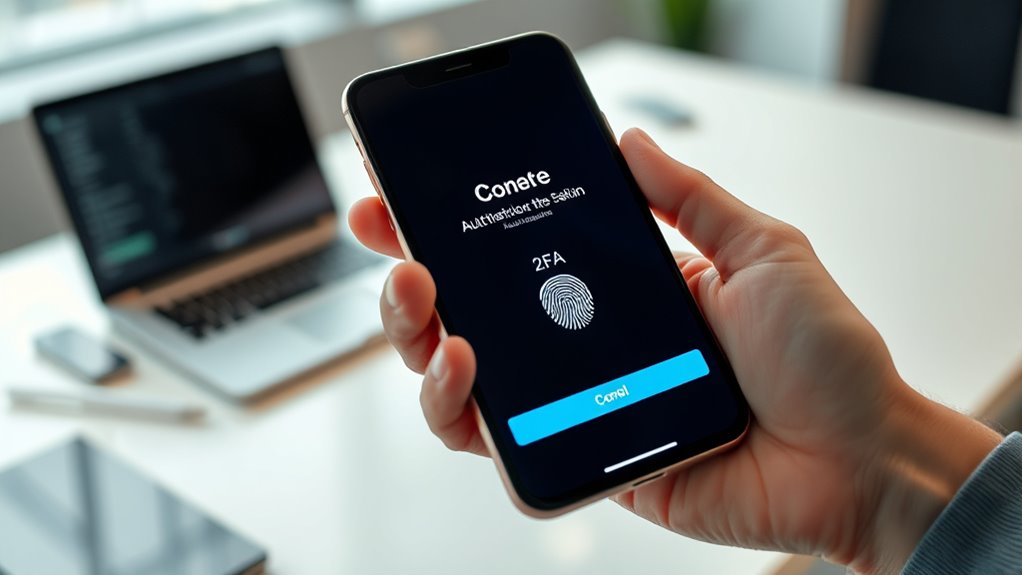
Troubleshooting common 2FA issues can be straightforward if you understand the typical problems and their solutions. Authentication fatigue often causes frustration, leading you to rush or make mistakes when entering codes. To prevent this, take your time and verify each code carefully. If you’re unable to access your authentication app or device, backup code management becomes vital. Always keep backup codes in a secure location, and use them when your primary method fails. If codes aren’t working, verify your device’s time and date are correct, as this can affect code generation. Regularly updating backup codes and avoiding repeated failed attempts can save you from lockouts. Staying organized and patient helps resolve most 2FA issues quickly and keeps your accounts secure. Additionally, understanding how reliable networking hardware and infrastructure can prevent connectivity problems that might interfere with authentication processes. Maintaining a secure environment for your devices further reduces the risk of unauthorized access and technical failures. Properly managing your authentication methods can also mitigate issues caused by software bugs or updates. Being aware of device compatibility issues with authentication apps can also help prevent disruptions in the login process. Remember that software updates can sometimes introduce bugs, so keeping your apps up to date and monitoring for issues can help ensure smooth authentication.
Frequently Asked Questions
Can 2FA Be Bypassed by Hackers?
Yes, hackers can bypass 2FA through biometric vulnerabilities or phishing attacks. They might exploit weaknesses in biometric data or trick you into revealing codes via fake websites. While 2FA adds security, it isn’t foolproof. You need to stay cautious, use strong, unique passwords, and be aware of phishing attempts to minimize the risk of bypassing your two-factor authentication.
What Are the Risks of Using Sms-Based 2FA?
Did you know that 30% of data breaches involve SMS vulnerabilities? Using SMS-based 2FA exposes you to phishing risks and SIM swapping attacks, where hackers hijack your phone number to access your accounts. These vulnerabilities mean hackers can intercept codes or trick you into revealing them, making your accounts less secure. It’s safer to choose app-based or hardware tokens for stronger protection against these common threats.
Is 2FA Mandatory for All Online Accounts?
No, 2FA isn’t mandatory for all online accounts, but it’s highly recommended for added security. You should check your account compatibility and platform requirements to see if 2FA is available. Many platforms support various 2FA methods, making it easy to enhance your account protection. Enabling 2FA reduces the risk of unauthorized access, so consider activating it whenever possible, especially for sensitive accounts like email, banking, or social media.
How Often Should I Update My 2FA Settings?
You should update your 2FA settings at least every six months to stay ahead of evolving threats. Staying current with security best practices is vital for safeguarding your accounts, and regularly updating your 2FA can prevent hackers from exploiting outdated methods. Remember, having a reliable account recovery process makes it easier to regain access if your 2FA is compromised. Keep your security tight—your digital life depends on it!
Can 2FA Be Used for Offline Accounts or Devices?
Yes, you can use 2FA for offline accounts or devices. Offline authentication often involves hardware tokens, like USB keys or smart cards, which generate secure codes without needing internet access. These tokens provide an extra layer of security, ensuring that even if your device isn’t connected, your account remains protected. Just make sure your hardware token is compatible with your device and account setup for seamless offline authentication.
Conclusion
So, you’ve doubled your security with 2FA—finally making it harder for hackers, right? Ironically, the very methods designed to protect you can sometimes trip you up. But don’t worry, with a little care, you’ll stay one step ahead. After all, in a world full of cyber threats, it’s amusing how a tiny code can be your greatest shield—just don’t forget it, or you might find yourself locked out when you need access the most.