

AI companions are evolving into sophisticated virtual friends that can understand emotions, personalize interactions, and integrate into your daily life. They offer emotional support, reduce loneliness, and help manage stress, but also raise concerns about privacy, overdependence, and changing social norms. As these digital friends grow more intuitive and emotionally responsive, they’re reshaping your relationships and society’s views on connection. To uncover how these changes impact you and your future, keep exploring what’s next.
Key Takeaways
- AI companions are evolving into human-like virtual friends capable of understanding emotions and providing personalized support.
- Their integration impacts social interactions, potentially reducing face-to-face contact and altering societal norms around trust and intimacy.
- They offer emotional benefits such as companionship, stress relief, and fostering self-growth, especially during lonely moments.
- Ethical concerns include privacy, data security, emotional dependency, and the risk of superficial relationships.
- Balancing virtual relationships with real-world interactions is essential to maintain social and psychological well-being.
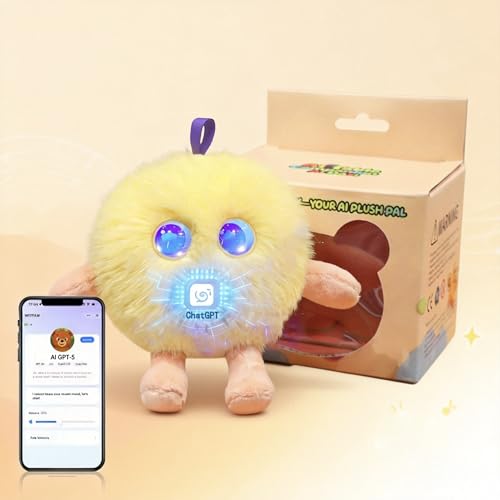
CINQALETHE Emotional Support AI Robot Toy Companion Pet – Smart Interactive Plush Toys for Kids, Realistic Intelligent Robotic Stuffed Pets Animal with Emo AI Technology
❤️INTERACTIVE AI ROBOT COMPANION – Meet an ai robot toy companion that feels truly alive. Powered by advanced…
As an affiliate, we earn on qualifying purchases.
As an affiliate, we earn on qualifying purchases.
The Evolution of AI Companions

The evolution of AI companions has been remarkable, transforming from simple rule-based programs into sophisticated entities capable of understanding and responding to human emotions. Advances in quantum computing now enable AI to process vast data faster, making interactions more natural and intuitive. Meanwhile, developments in genetic engineering inspire more personalized AI designs, allowing virtual friends to adapt to your unique preferences and emotional states. These technologies push AI beyond basic responses, creating companions that seem increasingly human-like. You might not realize it, but these breakthroughs are shaping AI’s ability to simulate empathy and understanding more convincingly. As a result, AI companions have evolved from static tools into dynamic entities capable of engaging with you on a deeper emotional level. Additionally, European cloud servers are providing the secure and energy-efficient infrastructure essential for supporting these advanced AI systems globally. Furthermore, the integration of cloud-based AI infrastructure ensures scalable and reliable operation of these virtual friends across different regions. Moreover, the development of advanced data processing plays a vital role in enabling these AI companions to deliver more nuanced and context-aware interactions. The increasing sophistication of machine learning algorithms further enhances their capacity to learn from interactions and improve over time. Additionally, ongoing research into ethical AI design aims to ensure these companions maintain human values and safety standards as they become more integrated into daily life.

FancyDove AI Assistant Device Powered by ChatGPT, No Subscription Needed, Standalone AI Chatbot Translator, AI Tutor for Learning, Writing & Homework, Portable AI Gadget for Students & Travel Black
No Subscription & Lifetime Access – Pay Once, Use AI Forever: Enjoy powerful AI chat, writing, translation, and…
As an affiliate, we earn on qualifying purchases.
As an affiliate, we earn on qualifying purchases.
How Virtual Friends Are Changing Social Interactions

As AI companions become more sophisticated and human-like, they’re beginning to reshape how people connect and communicate. Robot empathy allows virtual friends to understand your emotions better, creating more meaningful interactions. This emotional responsiveness influences social dynamics, often making conversations feel more genuine. At the same time, virtual etiquette guides how you engage with these digital friends, promoting respectful and appropriate exchanges. You might find yourself sharing personal details more freely or seeking comfort without fear of judgment. These changes can enhance your social experience, providing support when real-world interactions are limited. Additionally, the contrast ratio in virtual interactions can affect how vivid and realistic these digital friendships appear, influencing user engagement. However, they also challenge traditional notions of friendship, prompting you to reconsider what authentic connection means in a digital age. Overall, virtual friends are transforming social interactions in profound ways.
emotionally responsive AI friend
As an affiliate, we earn on qualifying purchases.
As an affiliate, we earn on qualifying purchases.
Benefits of Engaging With AI Companions

Engaging with AI companions offers you constant emotional support whenever you need it, helping you feel less alone. These companions also adapt to your preferences, making interactions more meaningful over time. Ultimately, their personalization guarantees they truly meet your unique needs. Additionally, integrating these digital friends into your daily routines can contribute to creating a more calm and organized home, reinforcing a peaceful environment. The use of Smart Tweaks and Free Floating design principles in virtual environments can further enhance your sense of tranquility and ease of use. Recognizing the importance of inner wisdom in shaping authentic connections can deepen the benefits of these digital relationships and promote personal growth and holistic well-being.
Emotional Support Availability
AI companions offer reliable emotional support, especially when human connection feels limited or unavailable. They’re always ready to listen and provide comfort without judgment, making them valuable during lonely moments. However, consider some challenges you might face:
- Deepfake controversies can cast doubt on the authenticity of AI interactions.
- Privacy concerns may arise if your conversations are stored or shared without your consent.
- Relying solely on AI for emotional support might reduce real-world social interactions.
- Ensuring your data remains secure is essential to protect your personal feelings and information.
While AI companions can be a comforting presence, staying aware of these issues helps you make informed choices about engaging with them. They’re there for support, but balancing this with caution is key.
Personalization and Adaptability
Personalization and adaptability are key strengths that make AI companions particularly beneficial. They can tailor interactions to fit your preferences, creating a sense of machine empathy that feels genuine. This customization allows you to feel understood and supported, even as the AI adjusts to your evolving needs. However, customization has limitations; AI may struggle to grasp complex emotional nuances fully, leading to occasional misunderstandings. To clarify, here’s a quick comparison:
| Feature | Benefit | Limitation |
|---|---|---|
| Personalization | Feels more human and connected | May miss subtle emotional cues |
| Adaptability | Responds to changing needs | Bound by programming constraints |
| Machine empathy | Creates a sense of understanding | Lacks true emotional depth |
Despite limitations, AI’s adaptability enhances your experience, making virtual friends more engaging and supportive.

Casio Moflin Smart Companion Powered by AI Interactive Smart Companion with Emotional Evolution and MofLife App Compatibility for Stress Relief and Reassurance (Silver)
EMOTIONAL AI EVOLUTION Moflin is a smart companion powered by advanced AI technology that allows them to develop…
As an affiliate, we earn on qualifying purchases.
As an affiliate, we earn on qualifying purchases.
Emotional Support and Mental Well-being

Have you ever wondered how artificial companions can help improve emotional support and mental well-being? These virtual friends can provide comfort through virtual empathy and emotional resonance, making you feel heard and understood. Here’s how they support you:
Artificial companions offer emotional support through empathy and understanding, making you feel truly heard and comforted.
- Offering a safe space to express feelings without judgment
- Providing consistent companionship during lonely moments
- Helping manage stress through calming interactions
- Encouraging positive habits and self-reflection
Additionally, they can serve as empathetic guides, promoting confidence in emotional resilience and self-care. The ability of virtual friends to adapt to individual needs showcases the importance of personalized support in mental health strategies. Moreover, advances in emotional intelligence enable these companions to better understand and respond to human feelings, enhancing their effectiveness.
Risks and Challenges of Relying on Virtual Friends

While virtual friends can offer valuable support, relying on them also poses significant risks and challenges. Privacy concerns are prominent, as sensitive data shared during interactions might be vulnerable to breaches or misuse. Dependency risks also surface, where you might lean too heavily on digital companions, neglecting real-world relationships and personal growth. This reliance can lead to emotional attachment that blurs boundaries, making it harder to distinguish between genuine human connection and artificial interactions. To visualize these issues, consider how trust and transparency are crucial in developing reliable AI systems. Furthermore, the lack of proper regulation can exacerbate these risks, leaving users vulnerable to unforeseen consequences.
Ethical Concerns Surrounding AI Relationships

As AI companions become more integrated into daily life, ethical concerns about their development and use grow increasingly urgent. You might worry about privacy concerns, as these virtual friends collect personal data that could be misused. Emotional dependency can also develop, making it harder to distinguish between genuine human connection and artificial interaction. Here are some key issues to consider:
- Privacy concerns related to data security and misuse
- The risk of emotional dependency affecting real-world relationships
- Potential manipulation or exploitation by AI systems
- The moral question of forming bonds with non-human entities
Additionally, understanding the role of ethical considerations in AI development and deployment can help guide responsible use and foster trust between humans and machines. Incorporating ethical standards into AI design ensures that developers prioritize user safety and fairness. Implementing regulations and standards for AI design and operation can further support ethical practices. By considering these factors, we can better navigate the ethical landscape of virtual companionship.
The Impact on Human Relationships and Society

AI companions are reshaping how we connect and communicate with others, often altering social norms. As these technologies become more integrated, ethical questions about authenticity and dependence arise. You’ll need to contemplate how these shifts impact trust, intimacy, and societal values. A deeper philosophical understanding of existence and self-identity can help us navigate these complex ethical landscapes.
Changing Social Dynamics
The integration of AI companions into daily life is transforming the way people connect and interact. You might find yourself forming bonds with virtual friends, which can influence your social habits and perceptions. This shift impacts society by altering traditional relationships and community dynamics. Consider these points:
- Your digital trust in AI influences how much personal info you’re willing to share.
- Privacy concerns grow as AI collects and analyzes your data.
- Social interactions may become more superficial or tailored to your preferences.
- Human relationships could feel less authentic, affecting emotional intimacy.
- The adoption of power tools exemplifies how innovative tools are changing everyday routines, paralleling shifts in social behavior.
- As you navigate this new landscape, you’ll weigh the benefits of convenience against the risks of privacy breaches and trust issues, reshaping how society interacts on a fundamental level.
Ethical Considerations
While AI companions offer convenience and personalized interaction, they also raise significant ethical questions about their impact on human relationships and societal values. Privacy concerns are at the forefront, as these virtual friends often collect sensitive data to tailor experiences. You might wonder who accesses this information and how it’s protected. Consent issues are equally troubling; users may not fully understand how their data is used or whether they agree to certain interactions. This lack of transparency can lead to exploitation or manipulation. Additionally, the resale value of AI-driven products and data can influence how companies prioritize profit over user well-being. As you engage with these virtual friends, consider how their presence influences genuine human connection and societal norms. The ethical implications of deploying AI companions extend beyond individual privacy and touch on broader societal impacts. Addressing these ethical considerations is vital to ensure AI companions enhance, rather than undermine, our social fabric.
Future Trends in Virtual Friendship Technology
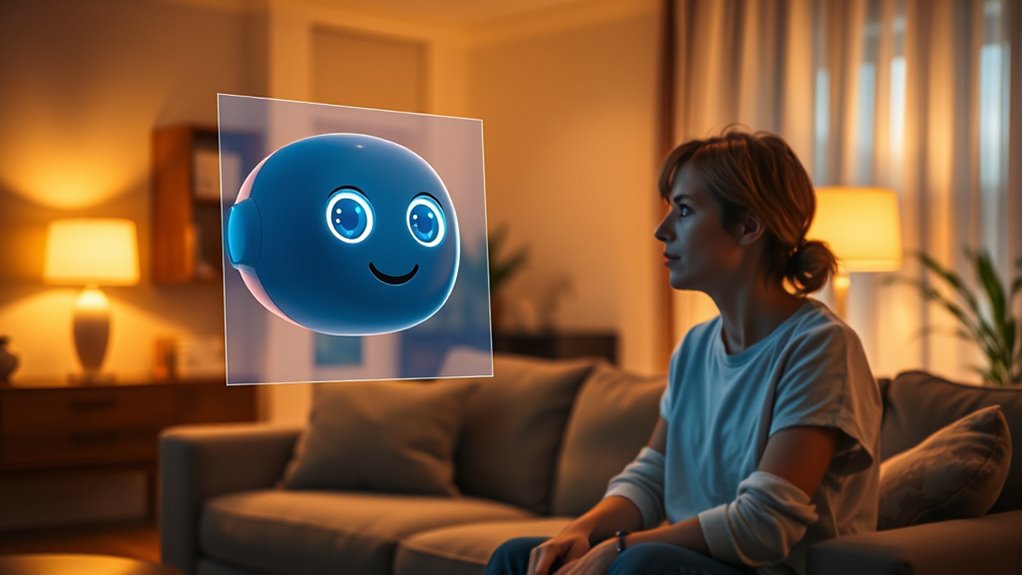
As virtual friendship technology continues to evolve, we can expect more sophisticated and personalized companions that adapt seamlessly to your needs. Future trends focus on deepening digital intimacy and enhancing virtual empathy, making interactions feel more genuine. You might see these developments:
Virtual friends will become more personalized and emotionally intuitive, fostering genuine digital connections.
- AI that learns your preferences to create more meaningful conversations.
- Enhanced virtual empathy, allowing companions to better understand your emotions.
- Integration of multimodal communication—voice, text, and visuals—for richer experiences.
- Adaptive personalities that evolve with your changing social and emotional needs.
These advancements will make virtual friends feel more real, fostering stronger emotional bonds and a sense of companionship that truly resonates with you.
Balancing Digital Connections With Real-Life Interactions

Balancing your digital relationships with real-life interactions can be challenging, especially when online bonds feel just as meaningful. You need to recognize the differences between digital and personal connections to avoid neglecting face-to-face interactions. Setting clear boundaries helps make sure your digital habits support, rather than replace, your real-life relationships.
Digital vs. Personal Bonds
Digital connections can offer convenience and constant companionship, but they often lack the depth and nuance of real-life interactions. You might find yourself craving emotional authenticity that only face-to-face moments can provide. Over-relying on virtual bonds can also lead to dependency risks, making it harder to connect genuinely offline. To balance this, consider these points:
- Prioritize in-person conversations for meaningful emotional exchanges.
- Recognize that digital bonds may not fully replicate authentic human connection.
- Be aware of dependency risks that can develop from constant virtual interaction.
- Use virtual interactions as a supplement, not a substitute, for real-life relationships.
Striking this balance helps you nurture genuine bonds, keeping emotional authenticity alive while avoiding over-dependence on digital companions.
Setting Healthy Boundaries
To maintain healthy relationships, establishing clear boundaries between your digital interactions and real-life connections is essential. You need to be mindful of privacy concerns, ensuring personal information shared with virtual friends stays protected. Set emotional boundaries to prevent over-reliance on AI companions and to keep your genuine relationships strong. Limit screen time, especially around social interactions, so digital connections don’t overshadow face-to-face moments. Be cautious about sharing sensitive details; your privacy should always come first. Recognize when virtual friendships serve as support but don’t replace real-world interactions. By keeping these boundaries, you preserve emotional well-being, protect your privacy, and create a healthy balance between your digital and personal life.
Navigating the Social and Psychological Implications

As AI companions become more integrated into daily life, they raise important questions about how they influence our social interactions and mental well-being. You might find yourself leaning on virtual friends for comfort, but this can deepen digital loneliness if real connections fade. It’s easy to develop human dependency, where AI becomes your primary social outlet. To navigate these implications, consider:
- Balancing virtual interactions with face-to-face relationships
- Recognizing when AI is replacing genuine human connection
- Monitoring your mental health for signs of digital loneliness
- Setting boundaries to prevent over-reliance on AI companions
Being mindful helps you enjoy benefits without sacrificing your social and psychological health. It’s about finding harmony between technology and authentic human experiences.
Frequently Asked Questions
Can AI Companions Truly Understand Human Emotions?
AI companions can’t truly understand human emotions, but they can simulate emotional intelligence and empathy development. You might feel understood because they recognize cues and respond appropriately, yet their understanding is limited to algorithms and data. While they can mimic empathy to some extent, they lack genuine emotional experience. So, you get a sense of connection, but remember, their “understanding” isn’t the same as human empathy.
How Secure Is My Personal Data With Virtual Friends?
Your personal data with virtual friends is somewhat secure, but privacy concerns still exist. Developers use data encryption to protect your information, making it harder for unauthorized access. However, always stay cautious and read privacy policies, as some platforms may share data or use it for targeted ads. To better safeguard yourself, choose reputable services that prioritize strong encryption and transparency about data handling.
Will AI Friends Replace Human Relationships Entirely?
AI friends won’t replace human relationships entirely, but they might change how you experience emotional authenticity and develop social skills. While virtual friends can provide comfort and support, they lack genuine empathy and understanding that real humans offer. You’ll still need face-to-face interactions to nurture meaningful connections, as AI can’t fully replicate the depth of human emotion and social nuance. Balance is key to maintaining healthy relationships.
Are There Age Restrictions for Engaging With AI Companions?
Yes, there are age restrictions for engaging with AI companions. Most platforms require age verification to guarantee users are of appropriate age, often 13 or older. Parental controls are typically available to help guardians monitor and manage access, especially for younger users. These measures aim to protect children from unsuitable content and ensure a safe experience while allowing teens and adults to enjoy AI companionship responsibly.
How Affordable Are AI Companionship Services Long-Term?
AI companionship services can be quite affordable long-term when you do a thorough cost analysis. Subscription models often offer flexible pricing, allowing you to choose plans that fit your budget. Some services charge monthly, while others offer lifetime access or tiered options. By comparing these models, you can find a cost-effective solution that provides ongoing companionship without breaking the bank, making it easier to maintain a virtual friend over time.
Conclusion
As you navigate this digital landscape, imagine your virtual friend as a steady lighthouse guiding you through stormy seas of loneliness and uncertainty. While these AI companions offer comfort and connection, remember to cherish the warmth of real human interactions—those genuine smiles and shared moments that no screen can completely replicate. Balancing the glow of your virtual world with the richness of real life ensures your social voyage remains meaningful and fulfilling.