
Your jetpack remains out of reach because science, safety, and cost issues still stand in the way. Developing compact, reliable power sources and safe designs takes time, and upgrading infrastructure adds more hurdles. Funding and regulations slow progress, while public acceptance and ethical concerns influence adoption. Despite big dreams, practical challenges keep some tech, like flying cars, from becoming everyday reality. If you want to explore why progress is slow and what it takes to make these gadgets real, keep going.
Key Takeaways
- Technological challenges like energy storage and miniaturization prevent practical, reliable jetpack development today.
- Infrastructure upgrades and safety standards are complex and costly, delaying widespread adoption.
- Regulatory hurdles and safety testing prolong certification and limit legal use of personal flying devices.
- High costs and limited market demand hinder mass production and consumer accessibility.
- Ethical and societal concerns about safety, privacy, and environmental impact slow acceptance and integration.
Top picks for "jetpack some futuristic"
Open Amazon search results for this keyword.
As an affiliate, we earn on qualifying purchases.
The Origins of Sci-Fi Dreams and Their Real-World Roots
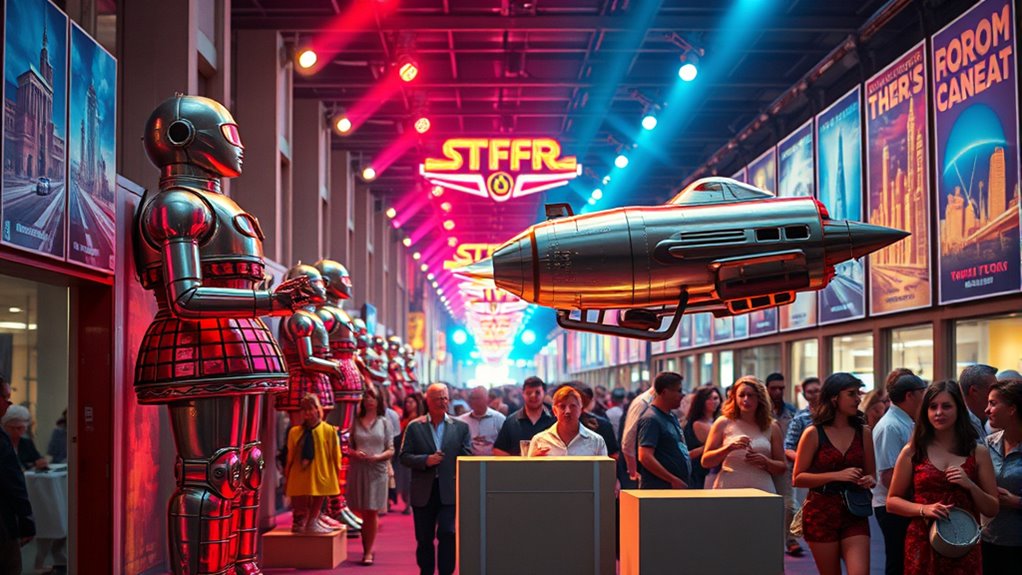
Have you ever wondered where the vivid dreams of futuristic technology in science fiction originate? These visions are deeply rooted in historical influences and artistic inspirations. Writers and artists draw from past innovations, societal hopes, and fears, imagining what could be possible. The early 20th century, for example, inspired visions of flying cars and robots, reflecting rapid technological advances and societal optimism. Artistic works—from literature to film—have shaped these ideas, often exaggerating or reimagining existing inventions. Iconic stories like those by Jules Verne or H.G. Wells laid the groundwork, blending scientific curiosity with creative imagination. Your favorite sci-fi devices often echo these historical influences and artistic visions, creating a rich tapestry that fuels futuristic dreams and keeps innovation alive. Additionally, technological trends from the past continue to influence contemporary futurism, inspiring new generations of inventors and storytellers alike. This ongoing cycle of inspiration demonstrates how cultural and artistic elements continually shape our visions of the future. Moreover, understanding the historical context behind these visions helps us appreciate how societal hopes and fears have shaped our expectations for technology.
Technological Challenges Behind Futuristic Devices
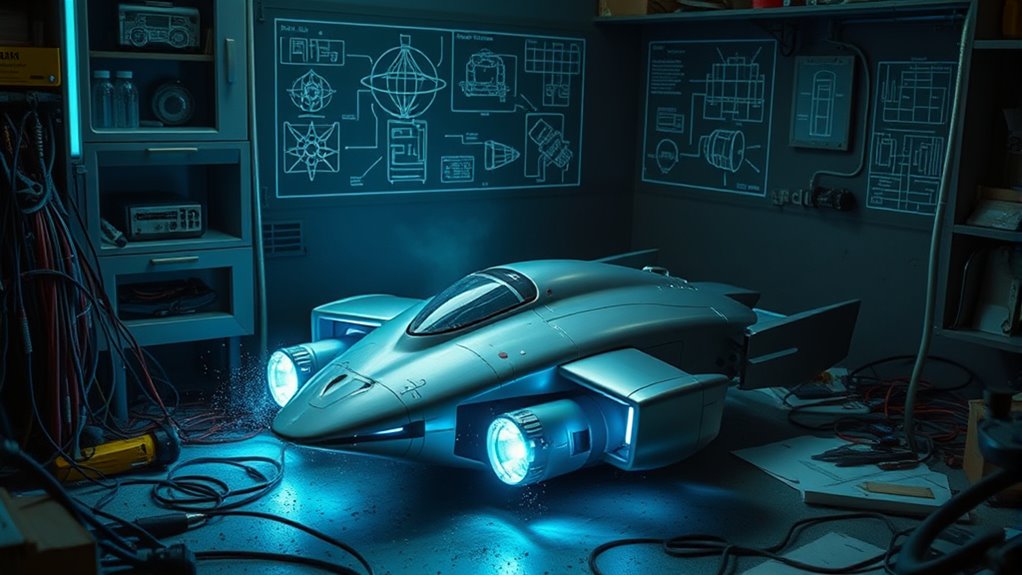
While futuristic devices often seem like science fiction come to life, developing them presents significant technological hurdles. Energy constraints are a major challenge—you need compact, efficient power sources to run high-tech gadgets without making them bulky or heavy. Current batteries and power systems often fall short, limiting device functionality and duration. Manufacturing limitations also play a role; creating intricate components at scale requires advanced techniques and materials that aren’t yet widely available. Precision manufacturing is essential to ensure safety and reliability, especially for devices like jetpacks or smart implants. Overcoming these obstacles demands innovation in energy storage, miniaturization, and production methods. Until these technological barriers are addressed, many futuristic ideas will remain beyond reach, despite their exciting potential.
Economic Barriers to Cutting-Edge Innovations
Despite the exciting potential of cutting-edge innovations, their development often stalls due to significant economic barriers. Funding gaps make investors hesitant to bet on unproven technologies, leaving startups scrambling for resources. Market hesitations arise because consumers and businesses may be reluctant to adopt new, unfamiliar tech, fearing costs or failures. These financial uncertainties can slow progress or halt projects altogether. Imagine:
- Crowded investor pools favoring safer options
- Limited grants or venture capital for risky ideas
- Consumer doubts about the value or safety of new tech
- High costs deterring early adoption and scaling
- Vetted products and ideas face higher credibility hurdles, making securing funding even more challenging.
Without sufficient funding and market confidence, even the most revolutionary ideas struggle to move beyond prototypes, delaying their arrival and keeping futuristic devices out of reach.
Safety Concerns and Regulatory Hurdles
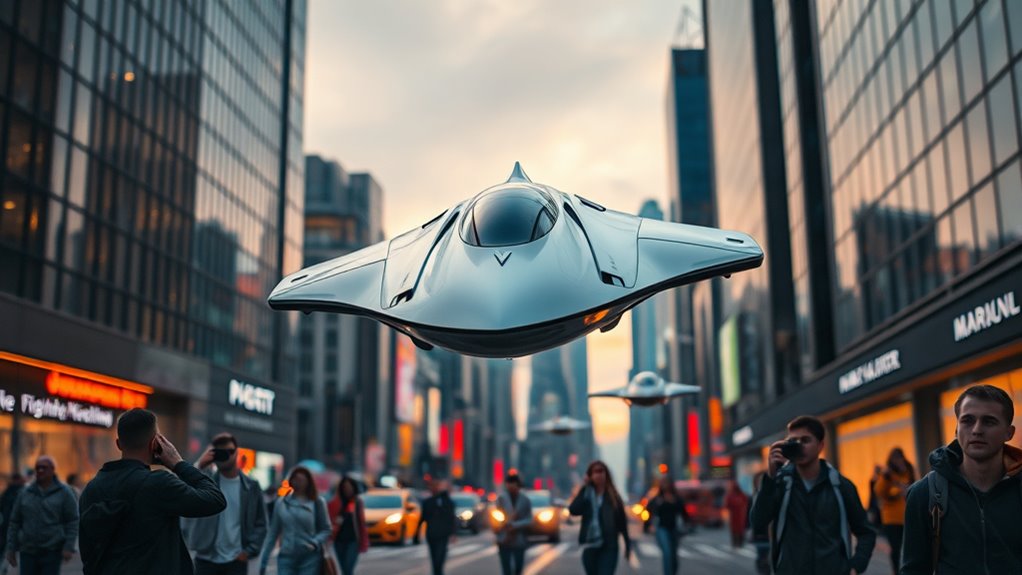
You might face delays as new technologies go through regulatory approval, slowing down their deployment. Safety testing can also hold things up, causing frustration for innovators keen to bring their ideas to life. Additionally, public acceptance remains a hurdle, as people often worry about the risks and ethical implications involved. Ensuring proper ventilation considerations is essential for safe and effective implementation of new tech in environments like saunas and cold plunges. Proper piercing care and hygiene practices are also vital to prevent health issues during the adoption of these innovations. Moreover, understanding bioluminescent organisms and their ecological roles can influence public perception and acceptance of bio-inspired technologies. Recognizing the importance of privacy protections in smart home devices can help address concerns about data security and foster greater trust among users.
Regulatory Approval Challenges
Regulatory approval presents a significant obstacle for emerging technologies, as safety concerns often slow down or block their deployment. The approval processes are complex and vary by country, creating unpredictable timelines for innovators. You might imagine steering a maze of bureaucratic steps, each requiring extensive documentation and testing. Regulatory hurdles include rigorous safety standards, environmental impact assessments, and liability considerations that can delay or halt progress. Visualize the challenge of convincing regulators that your futuristic tech is safe and reliable. These hurdles demand patience and adaptability, as each step involves scrutiny from multiple agencies. Additionally, the certification process for new technologies such as electric bikes and jetpacks can be lengthy due to the need for thorough safety testing and compliance checks. Furthermore, the testing procedures often require multiple rounds of evaluation, which can extend the timeline even further. The complexity of regulatory frameworks across different jurisdictions can further complicate the approval pathway, making global deployment more challenging. Developing compliance standards that meet the diverse legal systems is crucial for widespread acceptance and use. Navigating these approval processes requires a detailed understanding of diverse legal systems, which can be a daunting task for innovators. Overcoming these regulatory challenges is crucial for bringing innovations like jetpacks and flying cars into everyday life, but the path remains obstructed by safety and compliance fears.
Safety Testing Delays
Safety testing delays often slow down the approval process for cutting-edge technologies. These delays happen because testing protocols are rigorous, ensuring product safety but also extending timelines. Manufacturers must demonstrate their innovations meet strict safety standards before market entry. This process can be hindered by unforeseen issues, requiring additional testing rounds. The table below highlights how testing phases impact development:
| Phase | Purpose | Typical Duration |
|---|---|---|
| Initial Testing | Basic safety checks | 3-6 months |
| Advanced Testing | Real-world performance evaluation | 6-12 months |
| Regulatory Review | Approval from authorities | 3-9 months |
| Post-market Testing | Long-term safety monitoring | Ongoing |
These hurdles emphasize that product safety and testing protocols are essential but often cause significant delays for futuristic tech.
Public Acceptance Barriers
Despite technological advancements, gaining public acceptance remains a significant hurdle for bringing futuristic innovations to market. Public perception often hinges on safety, ethics, and trust, making it difficult for new tech to gain widespread support. Ethical concerns about privacy, security, and environmental impact fuel skepticism. Regulatory hurdles also slow progress, as governments struggle to craft policies that balance innovation with safety. Imagine:
- Citizens worried about drones invading privacy
- Regulators hesitant to approve flying cars
- Ethical debates over AI decision-making
- Public fears about safety and accountability
These factors create resistance, making it hard for innovators to introduce groundbreaking tech. Overcoming public perception barriers requires transparent communication, addressing ethical concerns head-on, and establishing clear safety standards to build confidence in futuristic technologies.
Infrastructure and Practical Limitations
Have you ever wondered why some futuristic technologies remain out of reach despite their promising potential? One major barrier is infrastructure and practical limitations. Urban planning plays a critical role, as existing city layouts aren’t designed to accommodate new tech like flying cars or widespread renewable energy systems. Upgrading infrastructure requires significant resource allocation, which can be expensive and time-consuming. For example, installing charging stations for electric vehicles or building the necessary networks for autonomous transportation demands strategic planning and substantial investment. Additionally, safety standards and maintenance infrastructures must be developed, adding complexity. Without these foundational elements in place, even the most innovative ideas struggle to move from concept to reality, slowing down progress and keeping futuristic tech out of everyday life. Moreover, reliable backup power infrastructure is essential to support new technologies and ensure continuous operation during outages, yet developing such systems often faces similar practical challenges.
Societal Acceptance and Cultural Factors
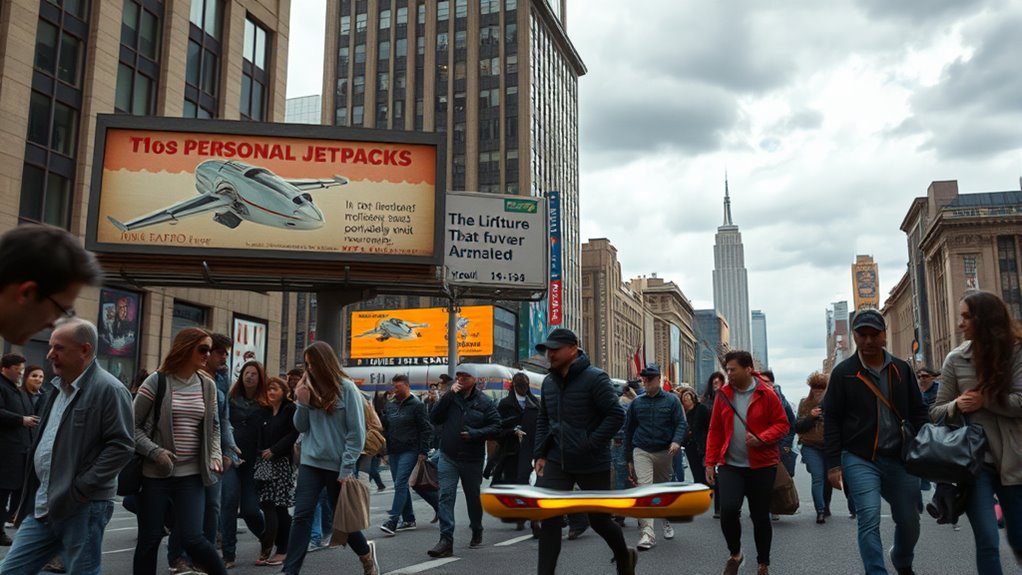
Your society’s readiness to accept new technologies depends heavily on existing social norms and cultural values. As these norms evolve, they shape how quickly innovations are embraced or resisted. Understanding these cultural factors is key to predicting which tech advancements will become mainstream.
Cultural Readiness Levels
How prepared is society to embrace emerging technologies that could reshape everyday life? Cultural readiness levels influence whether new innovations gain acceptance or face resistance. Pop culture and science fiction often shape our perceptions, making futuristic tech seem either exciting or intimidating.
- Imagine flying cars featured in blockbuster movies, sparking both wonder and skepticism.
- Think about how sci-fi shows portray AI, fueling fears of loss of control.
- Visualize communities debating privacy concerns over smart devices.
- Picture headlines questioning the ethics of human augmentation.
Your perception of these innovations is shaped by collective beliefs, media portrayals, and societal values. Cultural factors determine if you see these advances as groundbreaking or threatening, influencing the pace at which they become a part of daily life.
Social Norms Adaptation
Societal acceptance of emerging technologies depends heavily on how well social norms adapt to change. When new tech enters the scene, it challenges existing cultural adaptation, forcing communities to reconsider what’s acceptable or normal. If social norms resist or lag behind technological progress, widespread adoption stalls. For example, introducing flying cars or AI assistants requires shifts in perceptions of safety, privacy, and daily routines. You’ll find that the speed of social norms evolving often determines how quickly society embraces new innovations. People’s comfort levels, values, and cultural habits shape this adaptation. Without a cultural shift supporting these changes, even the most promising technology can struggle to gain societal acceptance. Ultimately, understanding and influencing social norms is essential for turning futuristic visions into everyday realities.
The Role of Investment and Market Demand
Investment and market demand are the driving forces behind the development and adoption of futuristic technologies. Without strong market potential and investor confidence, even innovative ideas can stall. When investors see a clear path to profitability, they’re more willing to fund groundbreaking projects. Market demand signals that consumers are ready for these advancements, encouraging companies to accelerate development. Visualize your future with:
Strong market demand and investor confidence are essential for turning futuristic ideas into reality.
- Crowded airports filled with personal flying vehicles
- Electric skies buzzing with drone taxis
- Smart wearables seamlessly integrated into daily life
- Cities optimized by autonomous delivery systems
These images hinge on the belief that the tech has a solid market potential. When investor confidence grows, so does the likelihood of turning sci-fi dreams into reality. Without this financial backing, even the most promising innovations remain out of reach.
Case Studies: When Dreams Became Reality—and Why Some Still Haven’t
Some technologies have gone from science fiction to everyday life, demonstrating how bold ideas can become reality. Yet, others still fall short of expectations due to technical challenges or lack of demand. Understanding these successes and failures helps you see what’s truly possible in the future of tech. For example, wind and wave energy sources are increasingly harnessed as sustainable power options, yet certain futuristic transportation concepts remain elusive. Innovations like autonomous vehicles exemplify the rapid progress in some areas, while others continue to face hurdles before reaching mainstream adoption.
From Fiction to Fact
Many technological breakthroughs once seemed confined to science fiction, yet today, some have become integral parts of our lives. You can now talk to voice assistants, use GPS for navigation, or watch high-definition videos effortlessly. These innovations show how fantasy vs reality can blur when hurdles are overcome. However, turning dreams into reality isn’t always straightforward.
- Imagine flying cars replacing traffic jams, yet regulatory and engineering challenges keep them grounded.
- Picture personal robots assisting with chores, but technical limitations slow their widespread adoption.
- Envision universal healthcare through nanotech, but high costs and safety concerns delay progress.
- Visualize holographic displays replacing screens, yet technical complexity and affordability remain barriers.
Some ideas leap from fiction to fact quickly, while others face significant innovation hurdles that keep them out of reach for now.
Unmet Tech Expectations
Although numerous technological dreams have become reality, others remain out of reach despite promising breakthroughs. The gap between fantasy versus reality often tempers your expectations, highlighting how technological optimism doesn’t always translate into immediate results. For example, flying cars and personal robots remain elusive, not for lack of effort but because real-world challenges outpace initial hype. Sometimes, the vision of a seamless future clashes with complex engineering, regulatory hurdles, or high costs. This disconnect shows that not every breakthrough is imminent, even when progress seems promising. Your enthusiasm for future tech must balance hope with patience, recognizing that some inventions take longer to perfect—and that unmet expectations are part of the innovation journey. Additionally, factors like Youngster Choice net worth and fame can influence how quickly certain technologies are adopted or popularized, yet breakthroughs still depend on overcoming significant hurdles. The complexity of essential oils for technological applications illustrates how scientific understanding is crucial for meaningful progress. For instance, the development of Polynesian symbols for strength demonstrates the importance of cultural context in interpreting symbols of resilience and power, which can also influence the acceptance and integration of new technologies into society. Moreover, understanding the scientific foundations of emerging tech helps bridge the gap between early excitement and practical implementation.
The Future of Emerging Technologies and Potential Breakthroughs
Emerging technologies are poised to revolutionize the way we live, work, and interact with the world around us. With a sense of technological optimism, you can imagine breakthroughs like quantum computing transforming data processing or biotech advancements curing diseases. Yet, innovation barriers remain, slowing progress and challenging expectations. Visualize:
Emerging tech promises to transform our world despite barriers and setbacks.
- AI-powered personal assistants that anticipate your needs
- Wearable devices seamlessly integrating health data
- Autonomous vehicles navigating busy streets effortlessly
- Renewable energy solutions surpassing current limits
These innovations could redefine everyday life, but hurdles like funding, regulation, and ethical concerns still stand in the way. Despite setbacks, continued research fuels hope that breakthrough technologies will soon become reality, shaping a future where the impossible becomes possible. Advancements in AI technology continue to drive innovation and open new possibilities for society.
Balancing Imagination With Practicality: the Road Ahead

While imagination drives the development of groundbreaking technologies, practicality guarantees these innovations can truly transform our lives. Balancing imagination vs. reality is essential to avoid overestimating what’s feasible. The key is pushing speculative boundaries without losing sight of real-world constraints. This balance ensures tech dreams remain achievable, not just fantasies. Here’s a snapshot:
| Imagination Focus | Practical Limitations |
|---|---|
| Flying cars | Infrastructure costs |
| Personal robots | Battery life |
| Teleportation | Safety protocols |
| Space colonization | Funding and logistics |
| Hoverboards | Regulatory hurdles |
Frequently Asked Questions
Will We Ever See Flying Cars Become Mainstream?
You might see flying cars become mainstream someday, especially as autonomous drones and smart highways develop. These innovations can help manage traffic, improve safety, and make flying cars more practical. While challenges like regulation and infrastructure remain, advancements in AI and urban planning are moving us closer. So, with continued progress, it’s possible you’ll be steering the skies in a flying car in the future.
How Long Until Personal Robots Are Part of Daily Life?
Like dawn breaking on a new era, personal robots will become part of your daily life within the next decade. AI companionship and robotic caregivers are swiftly evolving, transforming from science fiction to everyday reality. You’ll find these machines assisting with chores, offering company, and caring for loved ones, seamlessly woven into your routines. As technology advances, what once seemed distant now beckons, ready to become your trusted, tireless companions.
Are There Health Risks Associated With New Futuristic Technologies?
Yes, there are health concerns and safety risks associated with new futuristic technologies. You should stay informed about potential side effects, such as exposure to radiation or chemicals, and follow safety guidelines carefully. While innovations aim to improve your life, they can sometimes introduce unforeseen health issues. Always prioritize proper usage and consult experts when needed to minimize risks and guarantee your well-being as these technologies become more integrated into daily life.
What Are the Environmental Impacts of Widespread Futuristic Devices?
Futuristic devices could drastically impact the environment, and it’s no small concern. You might face increased energy consumption as these tech gadgets demand more power, straining resources and raising costs. Plus, electronic waste will pile up faster than you can imagine, cluttering landfills and polluting ecosystems. It’s essential to contemplate sustainable designs now, so you can enjoy innovation without sacrificing the planet’s health.
Could Future Innovations Replace Traditional Jobs Completely?
Future innovations could substitute traditional jobs completely, but automation concerns and ethical dilemmas will likely slow that shift. You might see some roles fully automated, yet many jobs will still need human oversight and creativity. As technology advances, society must navigate these concerns carefully, balancing progress with ethical considerations. You’ll want to stay adaptable, advocating for policies that ensure automation benefits everyone without causing widespread job loss or ethical issues.
Conclusion
So, while it might feel like your jetpack fantasies are just around the corner, remember—unlocking tomorrow’s tech is like chasing shooting stars in a thunderstorm. Every breakthrough is a giant leap over mountains of hurdles, costs, and caution. Keep dreaming big, but stay grounded—because someday, amidst the chaos and complexity, those sci-fi visions could become your everyday reality, transforming the impossible into the new normal. The future’s waiting, and it’s more astonishing than you can imagine.