When choosing the best color grading reference monitors, I focus on models with exceptional color accuracy, wide gamuts like DCI-P3 and Adobe RGB, and high brightness levels for HDR workflows. The ASUS ProArt 32” 4K HDR QD-OLED stands out for its incredible color precision and contrast, while the ASUS ProArt 32” HDR10 offers versatile calibration and connectivity. SmallHD monitors like the Indie 5 and Cine 7 provide portability and detailed control, all vital for professional work. Keep exploring to learn which options fit your workflow best.
Key Takeaways
- Look for monitors with Delta E < 1 for near-perfect color accuracy essential for professional grading.
- Prioritize models supporting wide color gamuts like DCI-P3, Adobe RGB, and HDR standards such as Dolby Vision.
- Ensure hardware calibration capabilities, including 14-bit LUT support and factory pre-calibration, for consistent color performance.
- Opt for high-brightness displays (1000+ nits) with HDR support to accurately review HDR content.
- Choose monitors with ergonomic adjustable stands and comprehensive connectivity options for a comfortable, streamlined workflow.
| ASUS ProArt 32” 4K HDR QD-OLED Monitor |  | Professional Grade | Screen Size: 31.5 inches | Resolution: 4K UHD (3840 x 2160) | Color Gamut: 100% sRGB, 99% DCI-P3, BT.2020 | VIEW LATEST PRICE | See Our Full Breakdown |
| ASUS ProArt 32” 4K HDR10 Monitor with USB-C | 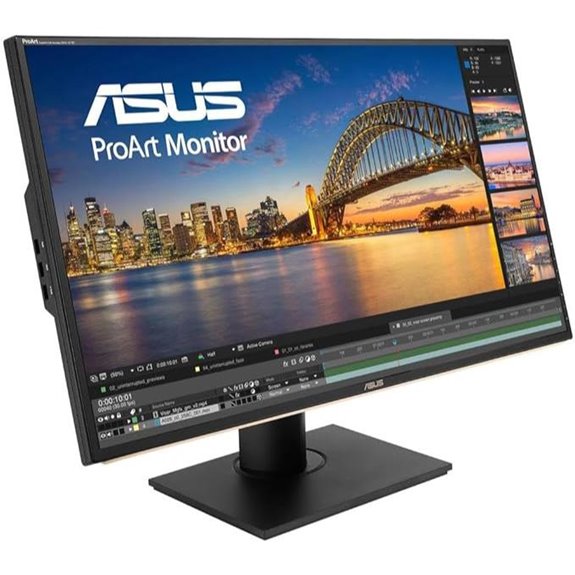 | Creative Precision | Screen Size: 32 inches | Resolution: 4K UHD (3840 x 2160) | Color Gamut: 98% DCI-P3, 84% Rec. 2020, Adobe RGB | VIEW LATEST PRICE | See Our Full Breakdown |
| SmallHD Indie 5 Camera Monitor with Touchscreen | 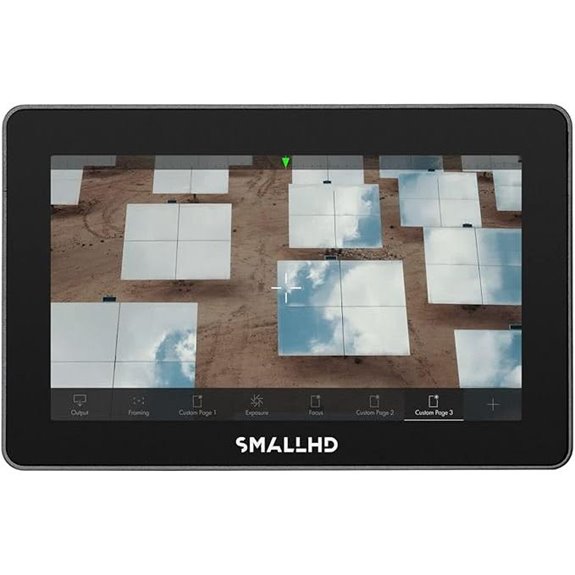 | Compact Versatility | Screen Size: 5 inches | Resolution: 1920 x 1080 | Color Gamut: DCI-P3 (10-bit color) | VIEW LATEST PRICE | See Our Full Breakdown |
| SmallHD Cine 7 7-Inch On-Camera Monitor with Touchscreen | 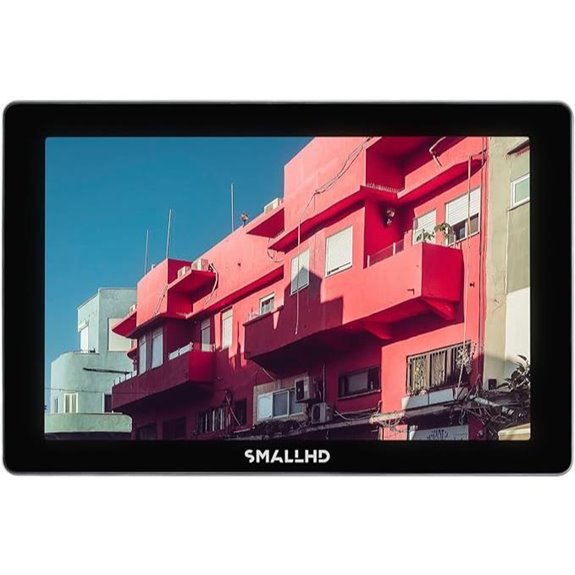 | Cinematic Clarity | Screen Size: 7 inches | Resolution: 1920 x 1200 | Color Gamut: 100% DCI-P3, 10-bit color | VIEW LATEST PRICE | See Our Full Breakdown |

More Details on Our Top Picks
-

ASUS ProArt PA329C 32” 4K (3840 x 2160) HDR10 DisplayHDR600 Monitor 100% Adobe RGB IPS Eye Care DisplayPort USB Type-C HDMI, Black
32-Inch 4K UHD (3840 x 2160) resolution display with DisplayPort 1.2, HDMI (V2.0) x3, USB Type-C
As an affiliate, we earn on qualifying purchases.
ASUS ProArt 32” 4K HDR QD-OLED Monitor
If you’re a professional colorist or creator seeking top-tier accuracy, the ASUS ProArt 32” 4K HDR QD-OLED Monitor is an excellent choice. Its 31.5-inch 4K UHD panel delivers stunning detail, while the 240 Hz refresh rate and 0.1 ms response time ensure smooth performance. With a peak brightness of 1000 nits and support for multiple HDR formats like Dolby Vision, it handles vibrant, true-to-life colors effortlessly. Thanks to true 10-bit color depth and Quantum Dot technology, combined with ∆E < 1, it guarantees precise color reproduction. Plus, advanced calibration tools and professional certifications make it perfect for demanding workflows.
- Screen Size:31.5 inches
- Resolution:4K UHD (3840 x 2160)
- Color Gamut:100% sRGB, 99% DCI-P3, BT.2020
- Brightness:1000 nits peak
- Connectivity Ports:Thunderbolt 4, HDMI 2.1, USB hub
- Calibration & Professional Tools:Hardware calibration, Calman Ready
- Additional Feature:Supports multiple HDR formats
- Additional Feature:Hardware calibration technology
- Additional Feature:Stylish ergonomic design
-

SmallHD Indie 5 Camera Monitor with Daylight-Viewable 5-Inch Touchscreen Display, 1000nits Brightness, 3G-SDI and HDMI, PageOS 5 Software, Lightweight
Small and Lightweight: This 5 inch monitor is the lightest in our Smart 5 series, making it easy...
As an affiliate, we earn on qualifying purchases.
ASUS ProArt 32” 4K HDR10 Monitor with USB-C
The ASUS ProArt 32” 4K HDR10 Monitor with USB-C is an excellent choice for professional colorists and creative experts who demand precise, vibrant visuals. It offers a stunning 32-inch 4K UHD display with HDR10 support and DisplayHDR600 certification, delivering bright and impactful images. Supporting 98% DCI-P3 and 84% Rec. 2020 color standards, it guarantees wide, accurate color reproduction. Factory pre-calibrated for high color accuracy and featuring ASUS’s calibration technology, it’s compatible with major hardware calibrators for custom profiling. With versatile connectivity—including USB-C, HDMI, and DisplayPort—and ergonomic adjustments, this monitor provides both precision and comfort for demanding workflows.
- Screen Size:32 inches
- Resolution:4K UHD (3840 x 2160)
- Color Gamut:98% DCI-P3, 84% Rec. 2020, Adobe RGB
- Brightness:450 cd/m²
- Connectivity Ports:DisplayPort 1.2, HDMI V2.0, USB-C
- Calibration & Professional Tools:Factory pre-calibrated, LUT, hotkey save
- Additional Feature:Factory pre-calibrated color
- Additional Feature:Wide color standards support
- Additional Feature:Ergonomic stand adjustments
-

SmallHD Cine 7 On-Camera Monitor with 7-Inch LCD Touchscreen, Daylight Visibility, 3G-SDI/HDMI, 100% DCI-P3 Color Coverage, and Camera Control Capability
The Cinema Flagship: With 3G-SDI and HDMI inputs and outputs, built-in signal cross conversion, and it's milled aluminum...
As an affiliate, we earn on qualifying purchases.
SmallHD Indie 5 Camera Monitor with Touchscreen
Looking for a compact, highly portable monitor that delivers professional-grade visuals and precise control? The SmallHD Indie 5 is perfect. Its lightweight, 5-inch design makes it easy to carry and integrate into your camera rig. The bright, daylight-viewable screen with 1000 nits ensures clear visibility even in direct sunlight. It features a sharp 1920 x 1080 resolution with 10-bit color processing in DCI-P3 for vibrant, accurate images. The responsive touchscreen gives quick access to tools and software like PageOS 5, while supporting 3G-SDI and HDMI connections for versatile setup options. It’s a reliable choice for on-the-go monitoring and color accuracy.
- Screen Size:5 inches
- Resolution:1920 x 1080
- Color Gamut:DCI-P3 (10-bit color)
- Brightness:1000 nits
- Connectivity Ports:3G-SDI, HDMI
- Calibration & Professional Tools:Color processing, DCI-P3, touchscreen tools
- Additional Feature:Compact and lightweight
- Additional Feature:Daylight-viewable display
- Additional Feature:Integrated professional tools
SmallHD Cine 7 7-Inch On-Camera Monitor with Touchscreen
Designed for professional cinematographers, the SmallHD Cine 7 on-camera monitor stands out with its bright, full HD 7-inch touchscreen that’s visible even in direct sunlight. Its 1800 nits brightness guarantees excellent outdoor visibility, making it ideal for on-location shoots. The monitor features a 1920×1200 IPS LCD with 10-bit color processing, covering 100% DCI-P3, guaranteeing accurate color reproduction. Equipped with 3G-SDI and HDMI ports plus built-in signal cross conversion, it offers versatile connectivity. The durable milled aluminum chassis adds resilience, while the optional Ethernet port allows wired camera control. Operating on PageBuilder OS, it provides tools like focus peaking, waveform, and LUT support for precise image monitoring.
- Screen Size:7 inches
- Resolution:1920 x 1200
- Color Gamut:100% DCI-P3, 10-bit color
- Brightness:1800 Nits
- Connectivity Ports:3G-SDI, HDMI
- Calibration & Professional Tools:3D LUT, professional overlays, PageOS software
- Additional Feature:Built-in signal cross conversion
- Additional Feature:Daylight viewable brightness
- Additional Feature:Optional Ethernet camera control
Factors to Consider When Choosing Color Grading Reference Monitors
When selecting a color grading reference monitor, I focus on key factors like color accuracy standards and calibration capabilities to guarantee reliable color reproduction. Brightness and HDR support are essential for matching real-world lighting, while connectivity options affect how easily I can integrate the monitor into my workflow. Additionally, ergonomic design helps me work comfortably for extended periods without compromising precision.
Color Accuracy Standards
Achieving accurate color reproduction in reference monitors hinges on meeting specific color accuracy standards, primarily measured by Delta E (∆E) values. A ∆E below 1 indicates near-perfect color matching, which is essential for professional grading. High-quality monitors support wide color gamuts like DCI-P3, Adobe RGB, and BT.2020, ensuring accurate color representation across different media formats. Compliance with standards such as Rec. 709, Rec. 2020, and HDR formats like HDR10 and Dolby Vision guarantees consistency in various workflows. Hardware calibration features, including 14-bit LUTs and uniformity compensation, help maintain this accuracy over time. Certification programs like Calman Ready and factory pre-calibration reports verify that monitors meet strict industry standards, giving confidence in their color precision for critical grading tasks.
Calibration Capabilities
Choosing a color grading reference monitor with robust calibration capabilities is essential for maintaining consistent and accurate color performance. Look for monitors that offer hardware calibration options, ensuring precise adjustments that stay consistent over time. Built-in calibration tools or compatibility with professional devices like the X-Rite i1 Display Pro streamline the process and improve accuracy. Support for 14-bit LUT calibration enables detailed color corrections and smoother gradients, critical for high-quality grading. Monitors with factory pre-calibration and the ability to save custom profiles help maintain color consistency across different projects and workflows. Additionally, features like uniformity compensation and quick profile write-back are invaluable for reliable, professional-grade color accuracy, ensuring your work remains precise from start to finish.
Brightness and HDR Support
Brightness and HDR support are critical factors in selecting a color grading reference monitor because they directly impact how accurately you can view and assess high-contrast content. Monitors with brightness levels of 1000 nits or more are essential for true HDR workflows, allowing you to see highlight details without clipping. Supporting multiple HDR formats like Dolby Vision, HDR10, and HLG ensures compatibility across various content types and professional standards. High peak brightness enables deep blacks and vibrant highlights, bringing out the full dynamic range of your footage. HDR certification, such as VESA DisplayHDR True Black 400 or HDR600, is a reliable indicator of a monitor’s ability to reproduce high dynamic range visuals effectively. Proper brightness and HDR support are vital for precise color grading and contrast evaluation in challenging scenes.
Connectivity Options
Selecting the right connectivity options is vital for guaranteeing your color grading monitor integrates smoothly into your workflow. I look for monitors with HDMI, DisplayPort, and Thunderbolt ports to support a variety of devices and future upgrades. Multiple ports allow daisy-chaining monitors, reducing clutter and simplifying setup. High-bandwidth connections are essential for transmitting uncompressed 4K or HDR signals without latency or quality loss, guaranteeing accurate grading. Compatibility with calibration tools often depends on specific ports like USB-C or USB Type-B, making calibration straightforward and reliable. Versatile connectivity ensures seamless integration with cameras, computers, and external equipment, streamlining the entire process. Overall, thoughtful port selection helps maintain a clean, efficient workspace while preserving image fidelity and workflow flexibility.
Ergonomic Design
An ergonomic design plays an essential role in guaranteeing your color grading monitor fits comfortably into your workflow. It allows you to easily adjust the monitor for ideal viewing angles, which helps reduce neck strain and eye fatigue during long sessions. Features like tilt, pivot, height adjustment, and swivel enable you to customize your workspace for maximum comfort and efficiency. An ergonomic monitor also promotes better posture, helping prevent musculoskeletal issues from extended use. Quick and precise adjustments streamline your workflow, making it easier to find the perfect position without hassle. Many well-designed stands include cable management options, keeping your workspace tidy and professional. Prioritizing ergonomic features ensures you stay comfortable, focused, and productive throughout your color grading projects.
Frequently Asked Questions
How Do I Calibrate a Professional Color Grading Monitor Accurately?
To calibrate my professional color grading monitor accurately, I start by connecting it to a high-quality calibration device like a colorimeter. I then run the calibration software, which guides me through adjusting brightness, contrast, gamma, and color balance settings. I make certain my environment is neutral and consistent, then follow the software prompts to fine-tune until the display matches industry-standard color profiles, ensuring precise, reliable color grading results.
What Is the Ideal Screen Size for Color Grading?
I believe the ideal screen size for color grading is around 27 to 32 inches. This range offers enough workspace for detailed adjustments without overwhelming your desk. A larger screen helps you see subtle color nuances more clearly, but going too big can become unwieldy. Personally, I find 27 inches strikes a perfect balance between comfort and precision, allowing me to work accurately without straining my eyes or sacrificing detail.
How Important Is HDR Support in Color Grading Monitors?
HDR support is vital in color grading monitors because it enhances contrast and color accuracy, making images come alive. Did you know that over 80% of viewers prefer content with HDR? This support allows me to see the full range of brightness and colors, ensuring my work looks great on all screens. Without HDR, I might miss subtle details that could make or break a scene’s impact.
What Connectivity Options Are Essential for Seamless Workflow?
You need HDMI and SDI ports for seamless workflow in color grading monitors. HDMI handles most consumer and professional devices effortlessly, while SDI offers robust, long-distance connections essential for broadcast environments. I also look for additional USB-C or Thunderbolt ports to easily connect computers and peripherals. Having multiple options guarantees I can switch between devices smoothly, avoiding interruptions and maintaining high-quality, accurate color performance throughout my editing process.
How Does Panel Type Affect Color Accuracy and Uniformity?
Panel type substantially impacts color accuracy and uniformity. IPS panels, which I prefer, offer wide viewing angles and consistent color across the screen, making them ideal for grading. VA panels tend to have better contrast but can suffer from color shifting at angles. TN panels are faster but less accurate. For precise work, I recommend IPS panels for their reliability and uniform color reproduction, ensuring your work stays true from every angle.
Conclusion
Choosing the right color grading reference monitor is essential for achieving true-to-life visuals. While some believe larger screens always deliver better accuracy, recent advancements show that quality, not size, makes the real difference. After researching, I’ve found that top-tier monitors like the ASUS ProArt and SmallHD models balance precision and usability. Trust me, investing in a well-calibrated, high-quality monitor truly elevates your work—so don’t underestimate the power of the right display.