If you’re looking for the 7 best edge computing servers for 2026, I recommend considering platforms like Open Horizon for scalable deployment, the HPE ProLiant MicroServer for small business needs, and the Banana Pi BPI-M7 for multimedia-heavy tasks. Don’t forget about robust bare-metal solutions and industrial gateways that enhance security and control. Focusing on processing power, connectivity, and environmental factors is key. Stick with me, and you’ll uncover more essential insights for choosing the right edge servers.
Key Takeaways
- Prioritize servers with high processing power, multi-core CPUs, and hardware acceleration to handle demanding edge workloads efficiently.
- Ensure robust security features like TPM 2.0, secure boot, and remote management capabilities for data protection and compliance.
- Select modular, scalable hardware supporting future upgrades in CPU, memory, storage, and network interfaces to accommodate growth.
- Opt for environmentally resilient servers with efficient cooling, dust protection, and reliable power options for diverse deployment sites.
- Choose servers compatible with automation and management tools like Ansible and Terraform for streamlined deployment and maintenance.
| Edge Computing with Open Horizon | 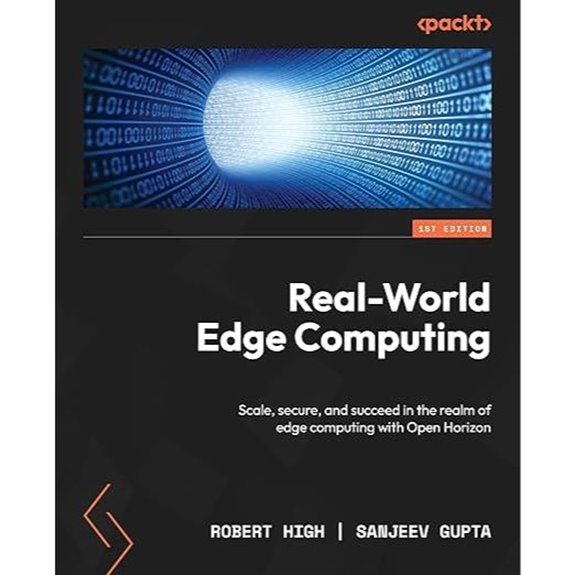 | Best Developer Focus | Processor Type: Not specified (focus on edge computing framework) | Memory Capacity: Not specified | Storage Support: Not specified | VIEW LATEST PRICE | See Our Full Breakdown |
| HPE ProLiant MicroServer Gen11 Tower Server | 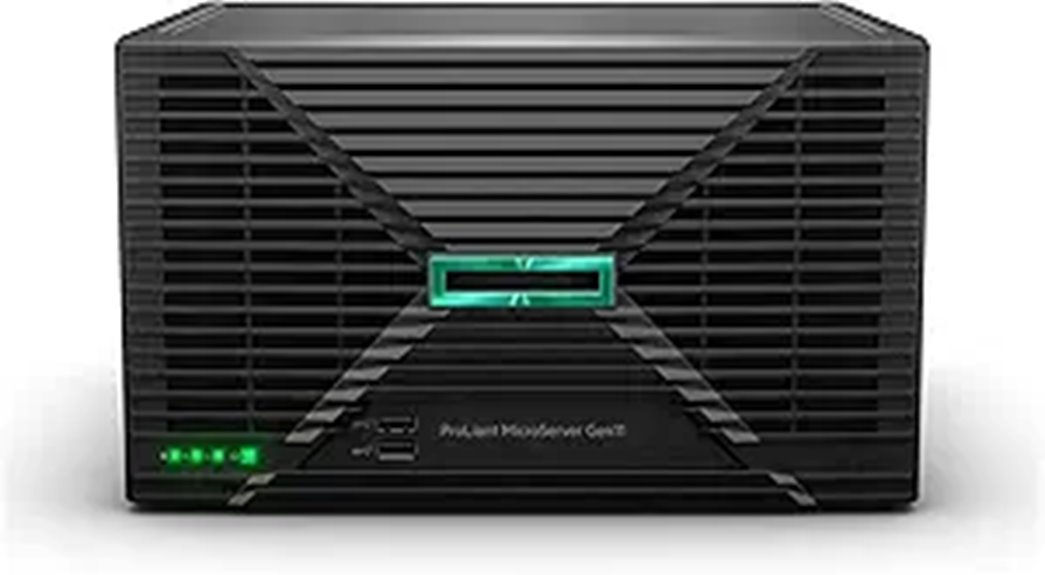 | Best Small Business | Processor Type: Intel Xeon E-2434 | Memory Capacity: 32GB DDR5, expandable to 128GB | Storage Support: 4TB SATA HDD, multiple drive bays | VIEW LATEST PRICE | See Our Full Breakdown |
| Banana Pi BPI-M7 Single Board Computer | 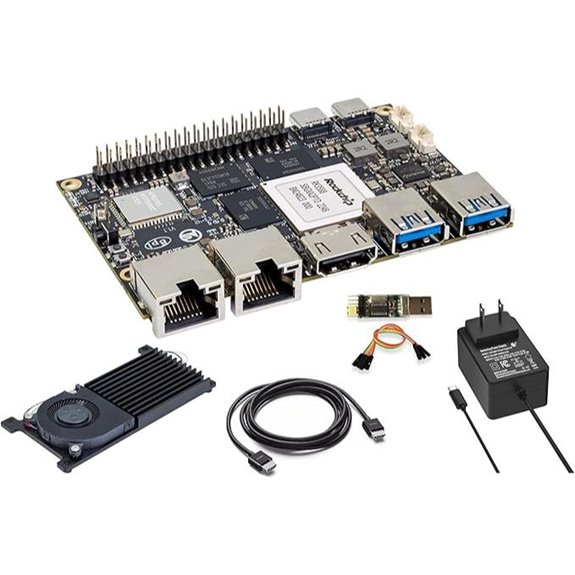 | Best Versatile Platform | Processor Type: RockChip RK3588 (ARM Cortex-A76/A55) | Memory Capacity: 8GB/16GB/32GB LPDDR4x | Storage Support: 64/128GB eMMC, M.2 SSD support | VIEW LATEST PRICE | See Our Full Breakdown |
| Building and Managing Bare-Metal Servers | 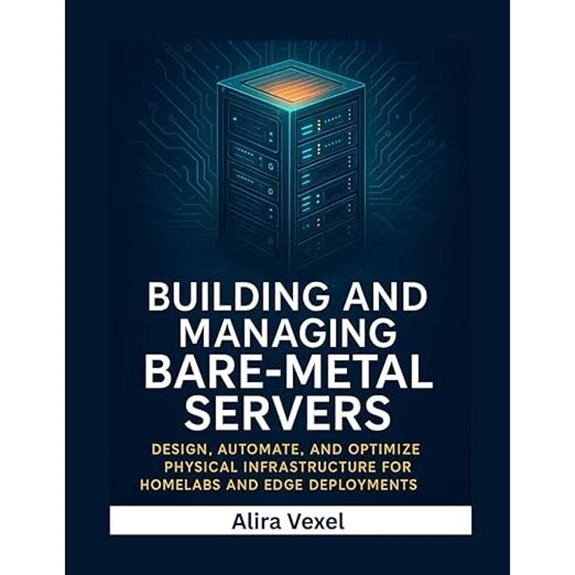 | Best Enterprise Control | Processor Type: Not specified (focus on bare-metal management) | Memory Capacity: Not specified | Storage Support: Not specified | VIEW LATEST PRICE | See Our Full Breakdown |
| Server-Side WebAssembly: Building portable and secure multi-language apps |  | Best Modern App Development | Processor Type: Not specified (focus on WebAssembly) | Memory Capacity: Not specified | Storage Support: Not specified | VIEW LATEST PRICE | See Our Full Breakdown |
| Industrial IoT Gateway with Ethernet and Cellular | 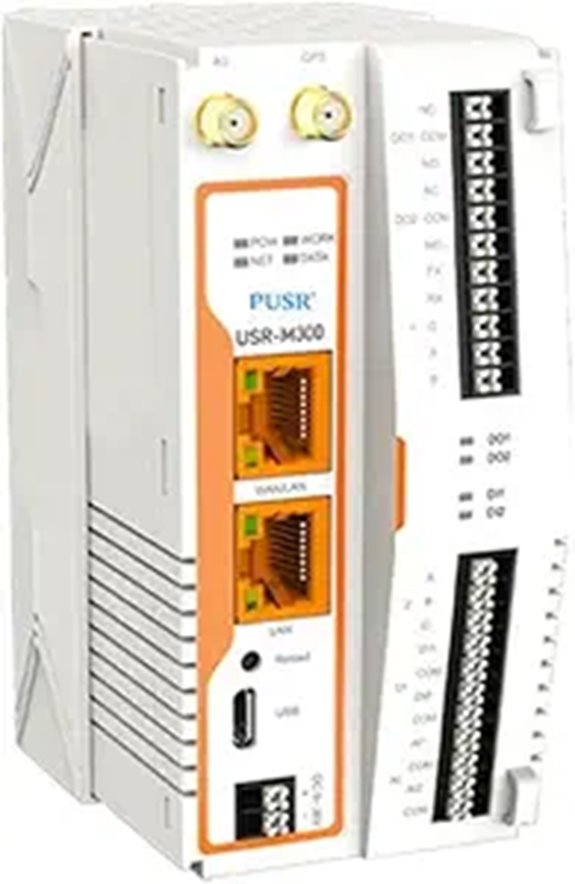 | Best Industrial Edge | Processor Type: Dual-core processor (up to 1.2GHz, unspecified model) | Memory Capacity: Not specified (focus on data acquisition) | Storage Support: Not specified | VIEW LATEST PRICE | See Our Full Breakdown |
| Dell PowerEdge T320 Server with Intel Xeon E5-2470 v2 | 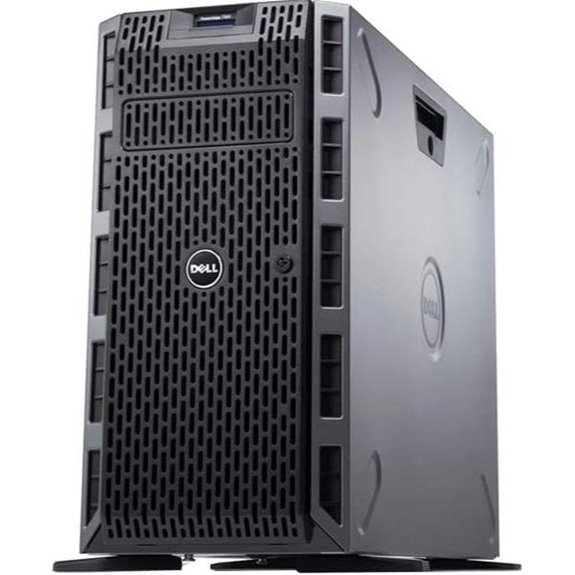 | Best Reliable Powerhouse | Processor Type: Intel Xeon E5-2470 v2 | Memory Capacity: 32GB RAM (up to 192GB supported) | Storage Support: Supports RAID, internal drives up to 32TB | VIEW LATEST PRICE | See Our Full Breakdown |
More Details on Our Top Picks
Edge Computing with Open Horizon
If you’re looking to deploy scalable and secure edge computing solutions by 2026, Open Horizon by the Linux Foundation LF Edge stands out as a top choice. It offers a thorough framework to deploy, manage, and scale edge applications effectively, addressing key challenges like security, management complexity, and network connectivity. The platform emphasizes standards, ecosystem growth, and the relationship between edge and application-centric networking. By focusing on container deployment, autonomous service management, and policy-based workload placement, Open Horizon helps organizations build resilient, scalable, and secure edge solutions, bridging the gap between theory and practical deployment.
- Processor Type:Not specified (focus on edge computing framework)
- Memory Capacity:Not specified
- Storage Support:Not specified
- Network Connectivity:Not specified
- Management Features:Open Horizon framework, policy management
- Deployment Environment:Edge computing environments, industrial IoT
- Additional Feature:Policy-based workload placement
- Additional Feature:AI/ML model deployment support
- Additional Feature:Ecosystem and standards focus
HPE ProLiant MicroServer Gen11 Tower Server
Looking for a compact, powerful server tailored for small business edge deployments? The HPE ProLiant MicroServer Gen11 Tower Server fits the bill perfectly. It features an Intel Xeon E-2434 3.4GHz quad-core processor, optimized for SMB workloads. With 32GB DDR5 RAM, expandable up to 128GB, and robust storage options—including four drive bays and a 4TB HDD—it offers excellent performance. Its ultra-compact mini tower design supports wall, flat, or vertical placement, making it versatile for various environments. Plus, it includes secure remote management with HPE iLO6, TPM 2.0, and a reliable 180W power supply, ensuring dependable operation.
- Processor Type:Intel Xeon E-2434
- Memory Capacity:32GB DDR5, expandable to 128GB
- Storage Support:4TB SATA HDD, multiple drive bays
- Network Connectivity:Not specified
- Management Features:HPE iLO6, remote management
- Deployment Environment:SMB, edge, small business
- Additional Feature:Expandable RAM up to 128GB
- Additional Feature:Secure remote management via iLO6
- Additional Feature:Compact, versatile deployment design
Banana Pi BPI-M7 Single Board Computer
The Banana Pi BPI-M7 Single Board Computer stands out as an excellent choice for edge computing applications that demand high processing power and multimedia capabilities. It features a powerful RockChip RK3588 CPU with quad-core Cortex-A76 and Cortex-A55 processors, supported by an ARM Mali-G610 GPU and a 3-core NPU for AI tasks. The board offers scalable storage options, up to 32GB RAM, and multiple expansion interfaces, including M.2 PCIe and USB 3.0. With support for 8K video, triple display output, and robust network connectivity with Wi-Fi 6 and dual Gigabit Ethernet, it’s ideal for multimedia, AI, and edge server deployments.
- Processor Type:RockChip RK3588 (ARM Cortex-A76/A55)
- Memory Capacity:8GB/16GB/32GB LPDDR4x
- Storage Support:64/128GB eMMC, M.2 SSD support
- Network Connectivity:2x 2.5GbE Ethernet, Wi-Fi 6, Bluetooth 5
- Management Features:Not specified
- Deployment Environment:AI/multimedia applications, edge devices
- Additional Feature:Supports triple 8K HDR displays
- Additional Feature:Multiple OS compatibility
- Additional Feature:High AI processing power (6 Tops)
Building and Managing Bare-Metal Servers
Building and managing bare-metal servers is essential for those who require maximum control, security, and performance—especially in edge computing environments where low latency and resilience are critical. This approach allows for tailored hardware configurations, optimized storage, and network setups like VLANs and bonding. I focus on firmware security, BIOS lockdown, TPM 2.0, and disk encryption to guarantee reliable operation. Using automation tools like Terraform and Ansible, I streamline deployment, updates, and monitoring. Building resilient clusters with remote IPMI management and automated backups guarantees high availability. Managing bare-metal servers empowers me to create a custom, secure, and high-performance infrastructure suited for demanding edge applications.
- Processor Type:Not specified (focus on bare-metal management)
- Memory Capacity:Not specified
- Storage Support:Not specified
- Network Connectivity:Not specified
- Management Features:Automation tools, monitoring
- Deployment Environment:Data centers, edge clusters, enterprise labs
- Additional Feature:Zero-touch provisioning workflows
- Additional Feature:Infrastructure as Code (IaC) tools
- Additional Feature:Server performance optimization techniques
Server-Side WebAssembly: Building portable and secure multi-language apps
Server-side WebAssembly (Wasm) is transforming how developers create portable, secure multi-language applications that run efficiently across diverse environments. It allows building lightweight, high-performance server apps that can deploy anywhere, reducing startup times and boosting security. With Wasm, I can integrate code from languages like Rust, JavaScript, or Python, making applications more flexible. Using tools like WASI, I guarantee these apps are portable and secure. Deploying on platforms such as Kubernetes becomes straightforward, enabling scalable, production-ready solutions. This approach is revolutionizing backend development, helping create versatile applications that are easy to manage, secure, and adaptable across multiple infrastructures.
- Processor Type:Not specified (focus on WebAssembly)
- Memory Capacity:Not specified
- Storage Support:Not specified
- Network Connectivity:Not applicable
- Management Features:Not applicable
- Deployment Environment:Cloud, server-side applications
- Additional Feature:Multi-language application support
- Additional Feature:Containerized Wasm deployment
- Additional Feature:Future-focused scalability
Industrial IoT Gateway with Ethernet and Cellular
Industrial IoT applications demand reliable, flexible connectivity, and this gateway delivers with support for both Ethernet and cellular networks. The USR-M300 offers a modular design with expansion options for I/O modules, making it adaptable to various industrial needs. Powered by a dual-core processor running Linux, it handles data processing efficiently. It supports multiple internet access methods, including LTE, 3G, Ethernet, and ADSL, ensuring continuous connectivity. Protocol support covers Modbus, MQTT, and TCP, enabling seamless cloud integration with platforms like AWS and Azure. Its routing, VPN, and firewall features provide secure, reliable network management, making it ideal for diverse industrial edge applications.
- Processor Type:Dual-core processor (up to 1.2GHz, unspecified model)
- Memory Capacity:Not specified (focus on data acquisition)
- Storage Support:Not specified
- Network Connectivity:Ethernet and cellular support
- Management Features:Graphical programming, data acquisition
- Deployment Environment:Industrial IoT, remote monitoring
- Additional Feature:Modular IO expansion support
- Additional Feature:Protocol conversion capabilities
- Additional Feature:Graphical programming via Node-RED
Dell PowerEdge T320 Server with Intel Xeon E5-2470 v2
The Dell PowerEdge T320 with Intel Xeon E5-2470 v2 is an ideal choice for small to medium businesses, branch offices, and remote sites that need reliable, scalable edge computing solutions. It offers robust performance with its Intel Xeon processor and supports up to 192GB of RAM, ensuring smooth handling of productivity apps and data sharing. Its extensive internal storage—up to 32TB—can be configured with various drive options, including hot-plug drives and RAID setups for data protection. Designed for ease of management and servicing, this server is perfect for virtualization and demanding workloads, providing a dependable foundation for growing edge infrastructure needs.
- Processor Type:Intel Xeon E5-2470 v2
- Memory Capacity:32GB RAM (up to 192GB supported)
- Storage Support:Supports RAID, internal drives up to 32TB
- Network Connectivity:Network interfaces for virtualization and data transfer
- Management Features:Built-in management features, easy servicing
- Deployment Environment:Small to medium business, remote sites
- Additional Feature:Extensive internal storage options
- Additional Feature:Redundant SD media cards
- Additional Feature:Designed for small to medium business
Factors to Consider When Choosing an Edge Computing Server

When choosing an edge computing server, I focus on several key factors to guarantee it meets my needs. I consider processing power, connectivity options, scalability, security features, and how well it suits the environment where it’ll be deployed. Addressing these points helps me select the best server for reliable and efficient edge operations.
Processing Power Needs
Choosing the right edge computing server hinges on understanding your processing power needs. I consider the complexity of tasks like AI inference or real-time analytics to determine the necessary CPU performance, including core count and clock speed. If your workloads involve parallel processing, multi-core processors are essential; simpler tasks might only require high single-core performance. I also evaluate whether hardware acceleration features, such as integrated GPUs or NPUs, are needed for demanding applications. Scalability is another key factor—can the server handle future workload increases without frequent upgrades? Ultimately, I match processing capacity with latency requirements, ensuring enough computational resources for real-time decision-making at the edge. This careful assessment ensures the server provides reliable, efficient performance tailored to your needs.
Connectivity Options Available
Selecting the right connectivity options for your edge computing server involves evaluating your application’s bandwidth demands, environmental constraints, and reliability needs. Ethernet offers high-speed, stable connections ideal for data-heavy tasks, while cellular (LTE/5G) provides flexible, remote access where wired infrastructure is unavailable. Wi-Fi is suitable for local, indoor deployments, but may struggle outdoors or over long distances. Serial interfaces are useful for industrial environments with legacy equipment. Combining multiple options, like Ethernet and cellular, creates redundancy, minimizing downtime during network failures. Additionally, support for protocols such as MQTT, Modbus, and TCP ensures compatibility with various IoT and industrial devices. Advanced edge servers also incorporate routing, VPN, and firewall features, helping secure and manage multiple network connections efficiently.
Scalability and Flexibility
To guarantee your edge computing server can grow with your needs, it must support modular hardware expansion, allowing you to add processing power, memory, or storage as demands increase. Flexibility in deployment options, like supporting various network interfaces and different form factors, ensures the server adapts to diverse environments. Scalability means handling growth in connected devices and data points without sacrificing performance, which is essential for future-proofing your infrastructure. The ability to upgrade processing, memory, and storage seamlessly helps maintain long-term relevance and efficiency. Additionally, compatibility with policy-based workload management and automation tools enables dynamic scaling and resource optimization. Overall, choosing a scalable and flexible server ensures your edge infrastructure can evolve smoothly alongside your expanding needs.
Security Features Offered
Security features are a critical consideration when evaluating edge computing servers, as they directly impact data integrity and system resilience. I look for hardware-based security like TPM 2.0 and Silicon Root of Trust to ensure secure boot and firmware integrity. Secure remote management capabilities, such as HPE iLO6, are essential for safe monitoring and updates without exposing vulnerabilities. Encryption of data at rest and in transit, supported by strong storage and network protocols, is essential to protect sensitive information. Built-in security measures like automatic threat detection, intrusion prevention, and rapid breach response enhance overall protection. Regular firmware updates and adherence to industry security standards are necessary to mitigate vulnerabilities and maintain a secure, reliable edge environment that adapts to evolving threats.
Environmental Suitability
Have you considered how the environment where your edge server will operate can impact its performance and longevity? Ensuring the server’s operating temperature matches the deployment site’s conditions is vital to prevent overheating or cold-related issues. Check that the enclosure offers protection against dust, moisture, and other environmental contaminants specific to your location. If power supplies are limited or unstable, opt for servers with strong power efficiency ratings to guarantee reliable operation. For industrial or mobile settings, consider resistance to vibration, shock, and humidity to avoid damage. Additionally, assess the cooling and ventilation capabilities, especially in hot or poorly ventilated areas, to maintain peak performance. Addressing these factors helps your server endure environmental challenges and delivers consistent, reliable service.
Management and Support
When selecting an edge computing server, it’s crucial to evaluate its management and support features to guarantee smooth operation and quick issue resolution. I look for servers with robust remote management capabilities, like integrated iLO, IPMI, or Redfish interfaces, which streamline troubleshooting and updates. Ensuring the vendor provides timely hardware and software updates, security patches, and a solid warranty is essential for maintaining reliability. Compatibility with automation tools such as Ansible, Terraform, or MAAS simplifies deployment and lifecycle management, especially at scale. I also consider dedicated management modules or interfaces that offer secure, out-of-band access, preventing downtime during network issues. Finally, a strong support ecosystem—including technical assistance, comprehensive documentation, and community resources—ensures ongoing operational stability and peace of mind.
Frequently Asked Questions
What Are the Latest Advancements Expected in Edge Server Hardware by 2026?
By 2026, I expect edge server hardware to become more powerful and energy-efficient. Advancements like AI-optimized processors, faster data transfer technologies, and improved cooling systems will be common. I also foresee increased integration of quantum and neuromorphic computing for real-time processing. These innovations will make edge servers more reliable, scalable, and capable of handling the growing demands of IoT, autonomous systems, and 5G networks.
How Will AI and Machine Learning Integration Improve Edge Server Performance?
AI and machine learning integration will dramatically boost edge server performance by enabling real-time data processing and smarter resource management. I believe this will lead to faster decision-making, reduced latency, and enhanced security. By automating tasks and optimizing workflows locally, these technologies will make edge servers more efficient and capable of handling complex workloads, ultimately transforming how we deploy and rely on edge computing in everyday applications.
What Cybersecurity Measures Are Critical for Edge Computing Servers in 2026?
I believe that robust cybersecurity measures are essential for edge computing servers in 2026. I prioritize strong encryption, continuous monitoring, and multi-factor authentication to protect data. Regular updates and patches are critical to address vulnerabilities. I also implement strict access controls and intrusion detection systems. Ensuring physical security is crucial too. Together, these steps help me safeguard sensitive information and maintain system integrity in an increasingly connected world.
How Do Energy Efficiency and Sustainability Impact Server Selection?
Energy efficiency and sustainability greatly influence my server choices because they reduce operational costs and support environmental goals. I look for servers with low power consumption, energy-efficient components, and eco-friendly certifications. This not only helps minimize my carbon footprint but also ensures long-term reliability and cost savings. Ultimately, selecting sustainable servers aligns with my commitment to responsible technology use while maintaining high performance standards.
What Emerging Standards Will Influence Edge Server Interoperability?
Emerging standards like O-RAN, MEC, and IEEE 2888 will shape edge server interoperability. I believe these standards will promote seamless integration, improved security, and scalability across diverse devices and networks. As these standards evolve, I’ll stay updated to guarantee my edge infrastructure remains compatible and future-proof. This will help me optimize performance, reduce costs, and foster innovation in my edge computing environment.
Conclusion
Choosing the right edge computing server isn’t just about power or price—it’s about finding a balance between reliability and flexibility. While high-end servers like the Dell PowerEdge offer robust performance, compact options like the Banana Pi deliver versatility in tight spaces. Ultimately, it’s the combination of cutting-edge technology and thoughtful management that will keep your edge solutions ahead of the curve. The perfect server isn’t always the biggest; sometimes, it’s the smartest choice.