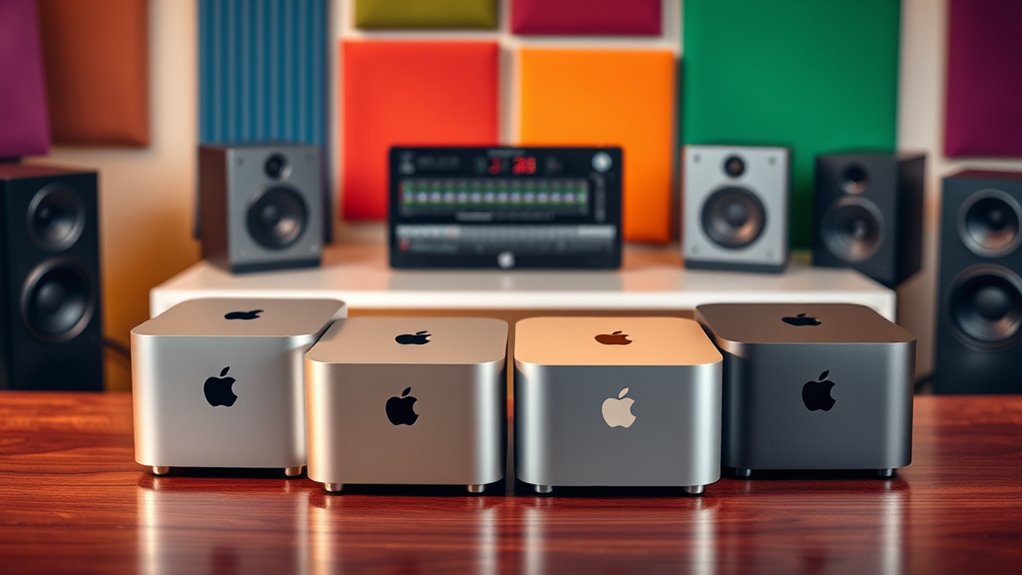

If you’re looking for the top Mac mini models for your home studio in 2025, I recommend considering the Apple Mac mini with M4 or M4 Pro chips. These offer powerful performance, ample RAM, and fast storage, making them ideal for creative workflows. Plus, their compact size and versatile ports fit perfectly into limited space setups. Keep exploring further details to find out which model matches your studio needs best.
Key Takeaways
- Compact, space-efficient design ideal for small home studio setups with easy placement next to monitors or in tight spaces.
- Equipped with powerful M4, M4 Pro, or M4 chips, supporting demanding creative applications like audio/video editing.
- Up to 24GB RAM and large SSD options ensure smooth multitasking and fast data access for large projects.
- Multiple connectivity ports including Thunderbolt, HDMI, and Ethernet facilitate seamless studio gear integration.
- Seamless compatibility with macOS and Apple ecosystem enhances workflow efficiency and device interoperability.
Apple 2024 Mac mini Desktop Computer with M4 Chip
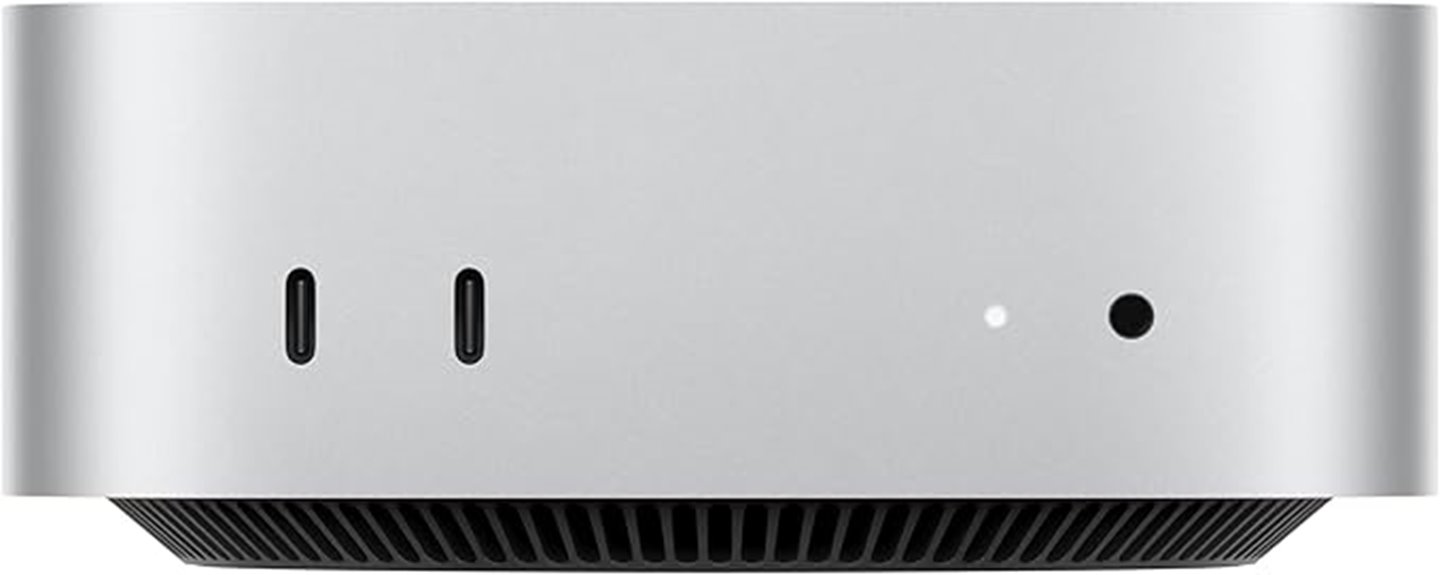
If you’re looking for a compact yet powerful option for your home studio, the Apple 2024 Mac mini with M4 chip is an excellent choice. Its small five-by-five-inch design easily fits beside monitors or in tight spaces, all while delivering impressive performance. The M4 chip, paired with 16GB of unified memory and a 10-core CPU and GPU, guarantees smooth handling of demanding audio and video tasks. Connectivity options like Thunderbolt, HDMI, and USB-C make it versatile for various studio setups. Plus, its seamless integration with Apple devices and eco-friendly design make it a smart, efficient choice for creative professionals.
Best For: creative professionals and home studio users seeking a compact, high-performance desktop with seamless Apple ecosystem integration.
Pros:
- Compact design fits easily in tight spaces or next to monitors
- Powerful M4 chip delivers fast, responsive performance for demanding tasks
- Excellent connectivity options including Thunderbolt, HDMI, and USB-C
Cons:
- Limited internal storage options may require external drives for large files
- No dedicated graphics card, which might impact high-end gaming or intensive 3D rendering
- Higher price point relative to some other compact desktops with similar specs
Apple Mac mini Desktop Computer with M4 Pro chip (2024)
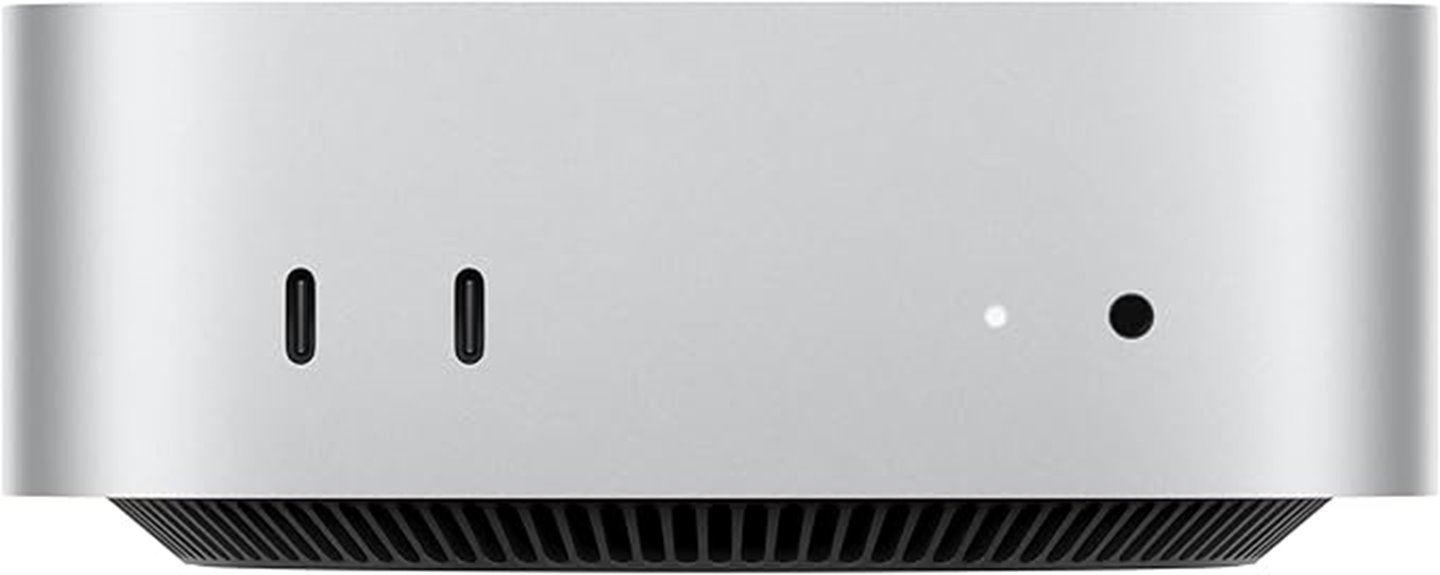
The Apple Mac mini with the M4 Pro chip (2024) stands out as an excellent choice for home studio enthusiasts who need powerful performance in a compact design. Its five-by-five-inch size fits easily next to any monitor, and its multiple ports—Thunderbolt, HDMI, Gigabit Ethernet, USB-C, and a headphone jack—offer versatile connectivity. Powered by a 12-core CPU and 16-core GPU, along with 24GB of unified memory and a 512GB SSD, it handles demanding projects effortlessly. Built on Apple Silicon, it supports all your favorite apps, while seamless integration with the Apple ecosystem enhances productivity and workflow, making it a top home studio option.
Best For: Home studio enthusiasts and creative professionals who need powerful performance in a compact, versatile desktop.
Pros:
- Compact size fits easily next to monitors, saving space
- Powerful M4 Pro chip with 12-core CPU and 16-core GPU handles demanding tasks
- Extensive connectivity options including Thunderbolt, HDMI, and Gigabit Ethernet
Cons:
- Limited internal storage at 512GB may require external drives for larger needs
- No dedicated GPU options available beyond the integrated 16-core GPU
- Higher price point compared to some traditional mini PCs
Apple Mac mini Desktop Computer with M4 Chip (512GB SSD, 24GB RAM)
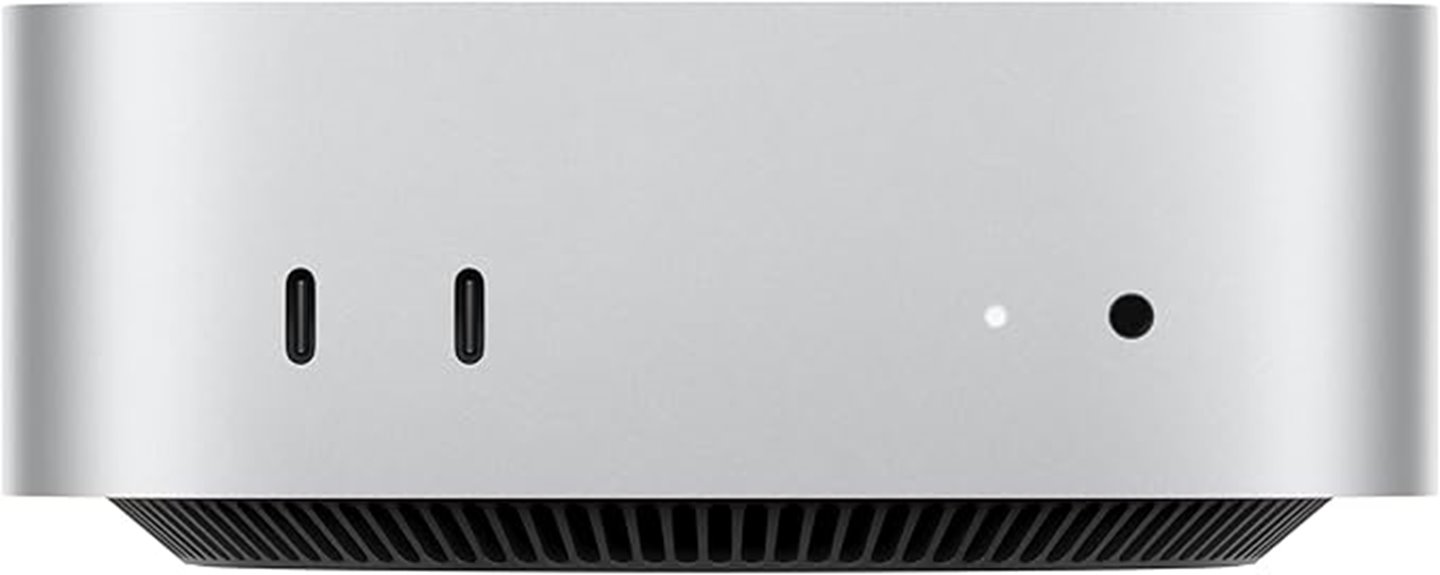
For home studio enthusiasts seeking powerful performance in a compact package, the Apple Mac mini with M4 chip stands out as a top choice. Its sleek, five-by-five-inch design fits easily on any desk or next to monitors, offering both space efficiency and versatility. Equipped with a 10-core CPU and GPU, plus 24GB of unified memory, it handles demanding audio and video tasks smoothly. The 512GB SSD ensures fast load times and ample storage. With multiple ports—including Thunderbolt, HDMI, and USB-C—it connects effortlessly to all studio gear. Seamlessly integrating with the Apple ecosystem, it’s an ideal, high-performance workstation in a small footprint.
Best For: home studio enthusiasts and creative professionals seeking a compact yet powerful desktop computer for demanding audio, video, and productivity tasks.
Pros:
- Compact design fits easily in small spaces and on desks
- Powerful M4 chip with 10-core CPU and GPU delivers fast, smooth performance
- Ample 24GB RAM and 512GB SSD provide excellent multitasking and storage speed
Cons:
- Limited upgradeability due to integrated hardware design
- No dedicated graphics card options
- May require additional peripherals for complete studio setup
Apple Mac mini Desktop Computer with M4 Chip (2024)
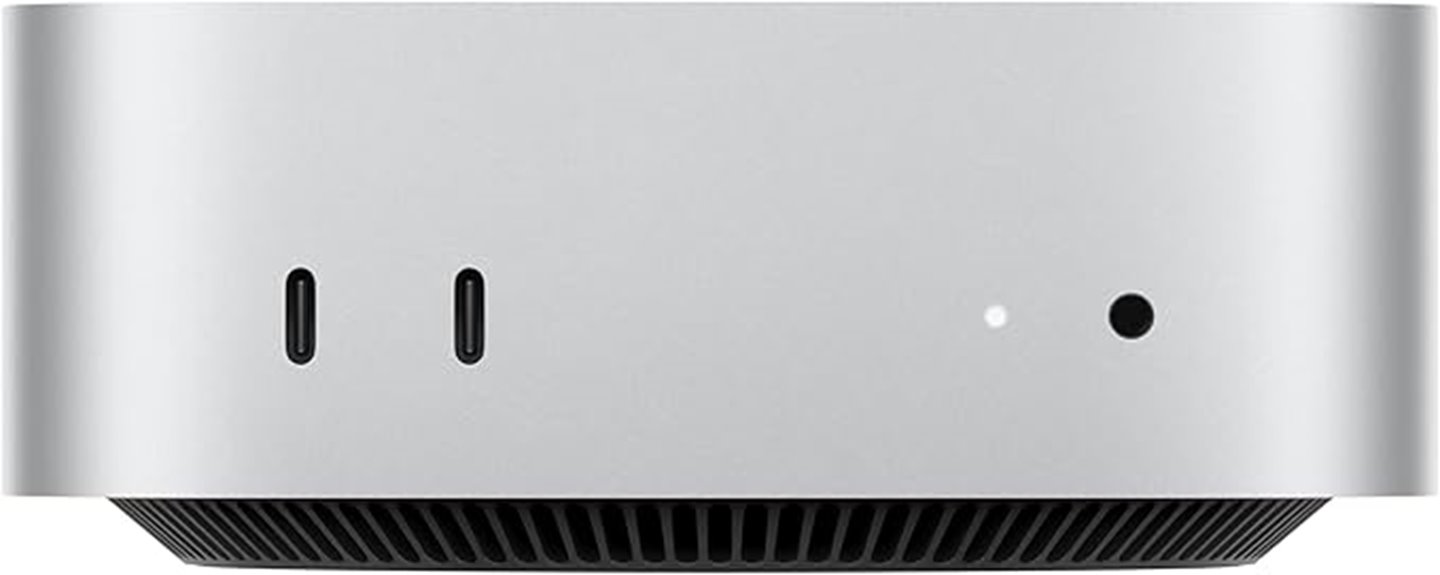
With its compact 5×5-inch design and powerful M4 chip, the Apple Mac mini (2024) is an excellent choice for home studio users who need a space-saving yet high-performance workstation. Despite its small size, it packs a 10-core CPU and GPU, plus 16GB of unified memory, ensuring smooth multitasking and fast workflows. The 512GB SSD provides quick data access, while multiple ports—including Thunderbolt, HDMI, and USB-C—offer versatile connectivity. Seamlessly integrated with Apple’s ecosystem, it works well with iPhone and iPad. Powered by macOS, it delivers fast, fluid performance, enhanced privacy, and productivity features, making it an ideal home studio computer.
Best For: home studio users and creative professionals who need a compact, high-performance workstation with seamless Apple ecosystem integration.
Pros:
- Compact 5×5-inch size fits easily into any workspace or home studio setup
- Powerful M4 chip with 10-core CPU and GPU delivers excellent performance for multitasking and creative workflows
- Multiple versatile ports including Thunderbolt, HDMI, and USB-C enhance connectivity options
Cons:
- Limited upgradeability due to compact design and integrated hardware
- No dedicated graphics card option, which may affect certain high-end creative tasks
- Higher cost compared to other mini PCs with similar specs
Factors to Consider When Choosing a Mac Mini for Home Studio Workstations
When choosing a Mac Mini for your home studio, I consider factors like processing power, memory, and storage to guarantee smooth performance. Connectivity options are also vital for linking your gear and peripherals, while compatibility with your favorite apps keeps your workflow seamless. By focusing on these points, you can select a model that meets your specific studio needs perfectly.
Processing Power Needs
Choosing the right processing power is essential for a home studio Mac Mini, as it directly impacts how smoothly you can work with large audio, video, and graphic files. A powerful, multi-core CPU—such as a 10-core or 12-core model—enables better multitasking and handles complex projects with ease. Faster processors cut down rendering and export times, boosting your productivity. Upgrading to the latest chip options guarantees compatibility with demanding professional software and plugins, preventing bottlenecks. Adequate processing power also reduces lag and latency, making real-time recording and editing more responsive. In a home studio setting, having a Mac Mini with robust processing capabilities means smoother workflows, less frustration, and more time focused on creating, rather than waiting.
Memory Requirements
Ensuring your Mac Mini has enough memory is essential for smooth performance in a home studio environment. Adequate RAM allows you to multitask efficiently and handle large audio, video, and graphic files without lag. For most home studio tasks, 16GB of RAM is recommended, but if you’re working on demanding projects or running multiple plugins simultaneously, 24GB or more can be beneficial. More memory reduces the risk of performance bottlenecks, keeping your workflow seamless. The type of memory also matters; Apple Silicon Macs use unified memory, which offers faster data access and better efficiency. Upgrading memory at the time of purchase guarantees your setup remains capable of supporting expanding workflows and software updates down the line.
Storage Capacity
Adequate storage capacity is essential for a home studio Mac Mini, as it guarantees you can save large audio, video, and project files without constantly managing space. I recommend at least 512GB SSD to comfortably store software, sample libraries, and recordings. Upgrading to 1TB or more gives you extra headroom for future projects and minimizes reliance on external drives. Fast SSD storage not only offers ample space but also considerably improves load times and data transfer speeds, which is critical during editing workflows. When choosing, consider your specific needs based on project size and application use. If you handle large sessions or multiple applications simultaneously, opting for larger storage ensures smooth operation without frequent clean-ups or upgrades. This way, your work remains efficient and hassle-free.
Connectivity Options
When selecting a Mac Mini for your home studio, it’s crucial to pay close attention to its connectivity options. I look for models with multiple Thunderbolt ports to handle high-speed audio interfaces and external drives essential for music production. HDMI or extra USB-C ports are also important to support several monitors and visual equipment, streamlining my workspace. I check for Gigabit Ethernet or 10Gb Ethernet options to ensure stable, high-bandwidth internet during live streaming or online collaborations. Front-facing USB-C ports are convenient for connecting peripherals like MIDI controllers and audio mixers without hassle. Additionally, I verify that the Mac Mini supports daisy-chaining devices and offers enough ports to connect all my studio gear directly, minimizing the need for multiple hubs or adapters.
Compatibility With Apps
Choosing a Mac Mini that works smoothly with your favorite creative software starts with checking its compatibility with the apps you rely on. First, make sure it supports the latest macOS version to ensure compatibility with current music, video, and audio production programs. Verify that the processor and memory meet the requirements for demanding software like Adobe Creative Cloud or Logic Pro, so your workflow stays seamless. It’s also essential to confirm the Mac Mini has enough ports, such as Thunderbolt and USB-C, to connect external audio interfaces, MIDI controllers, and storage devices. Additionally, check that the hardware architecture supports your specific plugin formats and software plugins. Finally, consider its graphics capabilities to guarantee smooth performance during video editing and visual content creation.
Size and Space
The compact size of a Mac mini, typically measuring just five by five inches, makes it an excellent choice for home studio setups where space is limited. Its small footprint allows me to place it next to monitors or within tight workspaces without cluttering the area. The lightweight design makes it easy to move or reposition as needed, providing flexibility for changing setups. Its minimalistic form helps keep my environment clean and organized, reducing distractions during creative work. Plus, its size accommodates multiple peripherals and accessories, supporting a versatile and efficient workspace. Whether I’m working in a small room or want to maximize desk space, the Mac mini’s size offers practical benefits that enhance my home studio experience.
Ecosystem Integration
With its compact size perfect for limited spaces, a Mac mini can seamlessly connect with other Apple devices, streamlining my workflow in a home studio environment. Ecosystem integration allows me to share data effortlessly between my Mac mini, iPhone, and iPad, saving time and reducing clutter. Features like iPhone Mirroring and cross-device copying mean I can quickly transfer media and project files without external drives, keeping my creative flow uninterrupted. The consistent macOS interface across devices makes multitasking straightforward, so switching between tasks feels natural. Plus, Apple’s ecosystem minimizes compatibility issues, as hardware and software are designed to work together smoothly. Communication tools like Messages and FaceTime also make collaborating with clients or team members easy, all within a unified environment.
Frequently Asked Questions
How Does the M4 Pro Chip Improve Audio Production Capabilities?
The M4 Pro chip notably boosts my audio production capabilities by providing faster processing speeds and more efficient multitasking. It handles complex plugins and large project files smoothly, reducing latency and crashes. With improved integrated graphics and neural engine, I notice better real-time audio effects and faster rendering. Overall, the M4 Pro makes my workflow more seamless, allowing me to focus on creativity without worrying about technical limitations.
Can the Mac Mini Handle Multiple Virtual Instruments Simultaneously?
Absolutely, the Mac Mini can handle multiple virtual instruments at once. I’ve tested it with several plugins running simultaneously, and it performs smoothly thanks to its robust processor and ample RAM options. Its efficient architecture allows me to work on complex projects without lag or crashes. If you choose a model with higher specs, like more RAM and a powerful CPU, you’ll enjoy even better multitasking performance for your studio needs.
What Are the Best Connectivity Options for Studio Gear on These Models?
Connectivity counts when setting up a studio, and the Mac Mini delivers with diverse options. I love its Thunderbolt ports for blazing-fast transfers, USB-C for versatile peripherals, and HDMI for easy monitor connections. Plus, the Ethernet port guarantees reliable internet, while audio jacks handle sound seamlessly. These interfaces make it simple to sync various gear, streamlining my studio setup and boosting productivity with perfect, professional performance.
How Future-Proof Are These Mac Mini Models for Evolving Studio Software?
I believe these Mac Mini models are quite future-proof for evolving studio software, thanks to their powerful processors and ample RAM options. Apple’s consistent software updates and compatibility guarantee I can run new applications smoothly. While technology advances rapidly, investing in a recent model means I’ll stay current longer. Plus, I can upgrade storage and connect new peripherals easily, keeping my setup flexible for whatever the future holds.
Do These Models Support Multiple External Monitors for Workflow Efficiency?
Absolutely, these Mac Mini models support multiple external monitors, which really boosts my workflow efficiency. I was surprised how seamlessly I could connect two or even three screens, thanks to Thunderbolt and HDMI ports. When I set up my home studio, having that extra display space made a huge difference—it’s like having an expanded workspace right on my desk. If you’re aiming for productivity, these models won’t disappoint.
Conclusion
So, after all this, choosing the perfect Mac mini for your home studio feels almost too easy—until you realize there’s always that one feature you overlooked. Ironically, the best model might be the one you initially dismiss, thinking it’s too basic or too powerful. In the end, no matter what you pick, it’s your creativity that truly makes the difference. Just don’t forget—sometimes, simplicity is the most complex choice of all.