

When selecting a 14mm ultra wide lens, the goal is to capture expansive scenes with sharp detail and minimal distortion. The Nikon NIKKOR Z 14-30mm f/4 S stands out as the overall best for its versatility and image quality, especially for Z series users. For those on a budget, the Rokinon 14mm F2.8 Ultra Wide offers excellent aperture and sharpness at a lower price point, while the Viltrox AF 14mm F4.0 provides autofocus convenience for Sony shooters. Buyers often face tradeoffs between aperture speed, autofocus, build quality, and price. Keep reading for a detailed breakdown to find the best fit for your photography style.
Open a free Amazon Business account
Business pricing, bulk buying and tax-exempt orders.
Create a free accountAs an affiliate, we earn on qualifying purchases.
Complete the kit



Key Takeaways
- The top-ranked lenses balance sharpness, build quality, and affordability, with the Nikon Z 14-30mm leading overall performance.
- Aperture size varies significantly; f/2.8 lenses are better for low-light, but tend to be more expensive and larger.
- Autofocus presence is critical for fast shooting or video, which makes options like Viltrox appealing for Sony users.
- Many lenses share similar optical qualities, but differences in build and price influence their suitability for different users.
- Choosing the right 14mm ultra wide lens depends heavily on camera system compatibility and intended use, whether landscape, architecture, or videography.
| Nikon NIKKOR Z 14-30mm f/4 S Lens for Z Series Cameras |  | Best Overall Ultra Wide Zoom for Z Series | Lens Type: Wide-angle zoom | Focal Length: 14-30mm | Aperture: f/4 | VIEW ON AMAZON | See Our Full Breakdown |
| Rokinon 14mm F2.8 Ultra Wide Lens for Sony E-mount and Other Cameras |  | Best Manual Focus Wide-Angle for Precision | Focal Length: 14mm | Aperture: F2.8 | Mount: Sony E-mount and others | VIEW ON AMAZON | See Our Full Breakdown |
| TTARTISAN 14mm F2.8 Large Aperture Full Frame Lens for L Mount Cameras |  | Best Compact Manual Prime for Travel | Focal Length: 14mm | Maximum Aperture: F2.8 | Mount: L Mount | VIEW ON AMAZON | See Our Full Breakdown |
| Viltrox AF 14mm F4.0 Ultra-Wide Angle Lens for Nikon Z Mount |  | Best Lightweight Autofocus for Nikon Z | Focal Length: 14mm | Maximum Aperture: F4.0 | Mount: Nikon Z | VIEW ON AMAZON | See Our Full Breakdown |
| Rokinon 14mm T3.1 Full Frame Ultra Wide Angle Cine DSX Lens |  | Best Cinematic Wide-Angle Lens | Aperture range: T3.1 – T22 | Angle of view: 115.7° on full frame | Elements: 1 Aspherical, 2 ELD, 1 Hybrid Aspherical | VIEW ON AMAZON | See Our Full Breakdown |
| Viltrox AF 14mm F4.0 Air FE Lens for Sony E Mount |  | Best Overall Balance of Size, Performance, and Price | Focal Length: 14mm | Maximum Aperture: F4.0 | Minimum Focus Distance: 0.13 meters | VIEW ON AMAZON | See Our Full Breakdown |
| Rokinon FE14M-C 14mm F2.8 Ultra Wide Lens for Canon |  | Best for Sharpness and Low-Light Performance | Focal Length: 14mm | Maximum Aperture: F2.8 | Weight: 31.7oz | VIEW ON AMAZON | See Our Full Breakdown |
| TTARTISAN 14mm f/2.8 ASPH for L-Mount Full Frame Ultra Wide-Angle Prime Lens |  | Best for Creative Control and Durable Build | Focal Length: 14mm | Maximum Aperture: f/2.8 | Minimum Aperture: f/16 | VIEW ON AMAZON | See Our Full Breakdown |
| Nikon AF-S NIKKOR 14-24mm f/2.8G ED Lens (Renewed) |  | Best for Versatility with Zoom and High-Quality Optics | Focal Length Range: 14-24 mm | Maximum Aperture: f/2.8 | Minimum Focus Distance: 0.9 ft | VIEW ON AMAZON | See Our Full Breakdown |
| Rokinon 14mm f/2.8 IF ED Super Lens with Automatic Chip for Nikon F |  | Best for Manual Control and Affordability | Focal Length: 14mm | Aperture: f/2.8 | Focus Distance: 11 inches | VIEW ON AMAZON | See Our Full Breakdown |
| VILTROX 14mm F4.0 FE-Mount Lens for Sony E-Mount Cameras |  | Best Overall for Versatile Ultra Wide Shooting | Focal Length: 14mm | Maximum Aperture: F4.0 | Mount Type: Sony E-Mount | VIEW ON AMAZON | See Our Full Breakdown |
| Samyang SY14M 14mm F2.8 Full Frame Ultra Wide Angle Lens, Canon-EF |  | Best for Manual Focus and Creative Control | Focal Length: 14mm | Maximum Aperture: F2.8 | Compatibility: Canon-EF | VIEW ON AMAZON | See Our Full Breakdown |
| 14mm ultra wide lense | Focal Length | Maximum Aperture |
|---|---|---|
| Nikon NIKKOR Z 14-30mm f/4 S L | 14-30mm | — |
| Rokinon 14mm F2.8 Ultra Wide L | 14mm | — |
| TTARTISAN 14mm F2.8 Large Aper | 14mm | F2.8 |
| Viltrox AF 14mm F4.0 Ultra-Wid | 14mm | F4.0 |
| Rokinon 14mm T3.1 Full Frame U | — | — |
| Viltrox AF 14mm F4.0 Air FE Le | 14mm | F4.0 |
| Rokinon FE14M-C 14mm F2.8 Ultr | 14mm | F2.8 |
| TTARTISAN 14mm f/2.8 ASPH for | 14mm | f/2.8 |
| Nikon AF-S NIKKOR 14-24mm f/2. | — | f/2.8 |
| Rokinon 14mm f/2.8 IF ED Super | 14mm | — |
| VILTROX 14mm F4.0 FE-Mount Len | 14mm | F4.0 |
| Samyang SY14M 14mm F2.8 Full F | 14mm | F2.8 |
More Details on Our Top Picks
Nikon NIKKOR Z 14-30mm f/4 S Lens for Z Series Cameras
This lens stands out for its combination of compact design and versatile zoom range, making it ideal for both stills and video. Unlike the Rokinon 14mm F2.8, which offers a wider aperture for low-light situations, the Nikon 14-30mm maintains a constant f/4, providing consistent exposure control across focal lengths. Its retractable feature enhances portability, but the fixed aperture limits depth of field flexibility compared to variable aperture zooms. The smooth autofocus is perfect for video, yet the premium price may deter casual shooters seeking more budget-friendly options. Overall, this lens excels for Z series users who prioritize image quality and convenience in a lightweight package.
Pros:- Compact and lightweight for easy travel
- Constant f/4 aperture supports consistent exposure
- Quiet autofocus ideal for video recording
Cons:- Fixed aperture restricts depth of field control
- Premium price compared to similar zooms
Best for: Z series mirrorless photographers who need a reliable, all-purpose ultra-wide zoom for travel and videography
Not ideal for: Beginners seeking a budget-friendly lens or those needing a wide aperture for astrophotography or low-light conditions
- Lens Type:Wide-angle zoom
- Focal Length:14-30mm
- Aperture:f/4
- Compatibility:Z series mirrorless cameras
- Retractable:Yes
- Autofocus:Stepping Motor (STM)
Our verdict“This lens is best for Z series users who want a versatile, portable ultra-wide zoom with dependable image quality.”
Rokinon 14mm F2.8 Ultra Wide Lens for Sony E-mount and Other Cameras
This lens offers an expansive 115.7° field of view, making it an excellent choice for landscapes, astrophotography, and architecture. Compared to the Viltrox AF 14mm F4.0, the Rokinon’s brighter F2.8 aperture excels in low-light conditions, though it relies solely on manual focus, which could be challenging for fast-paced shooting. Its optical design minimizes distortion and chromatic aberration, but the lack of autofocus limits quick capture in dynamic situations. Designed primarily for full-frame Sony E-mount and other systems, it may not perform optimally on crop sensors. This pick makes the most sense for experienced photographers who prioritize optical quality and control over convenience.
Pros:- Extensive 115.7° wide field of view for dramatic shots
- Bright F2.8 aperture ideal for low-light and night photography
- Superior optical elements reduce distortion and aberrations
Cons:- Manual focus can be difficult for beginners
- No autofocus limits quick shooting capabilities
Best for: Advanced landscape, astrophotography, and architecture enthusiasts comfortable with manual focus
Not ideal for: Beginners or those needing autofocus for spontaneous shooting scenarios
- Focal Length:14mm
- Aperture:F2.8
- Mount:Sony E-mount and others
- Minimum Focusing Distance:11 inches (0.28m)
- Lens Elements:14 elements in 10 groups
- Coating:Ultra Multi-Coating (UMC)
Our verdict“This lens is best suited for experienced users who value optical performance and manual control in wide-angle photography.”
TTARTISAN 14mm F2.8 Large Aperture Full Frame Lens for L Mount Cameras
The TTARTISAN 14mm F2.8 offers a 114° ultra-wide view with a bright F2.8 aperture, making it suitable for landscapes, architecture, and night photography. Its full-metal build and compact size make it perfect for street and travel photographers who prefer manual focus and minimal gear. Compared to the Rokinon 14mm F2.8, it provides a more durable construction but shares the manual focus limitation. Heavy reliance on manual operation might be a hurdle for fast-paced shooting, and the absence of image stabilization limits versatility in handheld low-light conditions. This lens is best for those who prioritize build quality and optical clarity over autofocus speed.
Pros:- Wide 114° field of view for expansive scenes
- Bright F2.8 aperture suitable for low-light conditions
- Full-metal, durable construction
Cons:- Manual focus only, no autofocus
- No image stabilization
Best for: Travel and street photographers using L-mount full-frame cameras who prefer manual focus and durable construction
Not ideal for: Beginners or users needing autofocus for quick shots in dynamic environments
- Focal Length:14mm
- Maximum Aperture:F2.8
- Mount:L Mount
- Field of View:114°
- Weight:440g
- Focus Type:Manual
Our verdict“This lens is ideal for travelers and street shooters who favor manual control and robust build quality.”
Viltrox AF 14mm F4.0 Ultra-Wide Angle Lens for Nikon Z Mount
The Viltrox AF 14mm F4.0 offers a 112.6° field of view, making it suitable for landscapes, interiors, and group shots. It excels in portability with its ultra-lightweight design, especially compared to the Rokinon 14mm F2.8, which is heavier and manual-focused. The autofocus system provides quick, quiet operation, but the narrower F4.0 aperture limits low-light performance compared to faster lenses. While it delivers sharp images with minimal distortion, the fixed aperture and lack of stabilization mean it’s less versatile in challenging lighting or handheld situations. This lens makes the most sense for Nikon Z shooters who want a compact, autofocus ultra-wide lens for everyday use.
Pros:- Ultra-wide 112.6° field of view for broad landscapes
- Lightweight and portable for ease of carry
- Fast and silent autofocus suitable for videos
Cons:- Maximum aperture of F4.0 limits low-light capabilities
- No image stabilization for handheld shooting
Best for: Nikon Z users needing a lightweight, autofocus ultra-wide lens for travel and everyday photography
Not ideal for: Night photographers or those requiring a wide aperture for astrophotography or artistic blur effects
- Focal Length:14mm
- Maximum Aperture:F4.0
- Mount:Nikon Z
- Angle of View:112.6°
- Minimum Focusing Distance:0.13m
- Weight:185g
Our verdict“This lens is best for Nikon Z shooters seeking a compact, autofocus ultra-wide for versatile everyday shooting.”
Rokinon 14mm T3.1 Full Frame Ultra Wide Angle Cine DSX Lens
This cine-focused lens features a 14mm ultra-wide view with a T3.1 aperture, making it ideal for wide-angle filmmaking on full-frame and APS-C cameras. Its optical elements, including aspherical and low dispersion glass, reduce aberrations, providing smooth, high-quality footage. The built-in petal hood protects the lens and reduces flare, but the lack of autofocus means it’s geared toward controlled cinematic shots rather than quick captures. Compared with still photography lenses like the TTARTISAN, this lens emphasizes consistent exposure and focus pull control, though it might be heavier due to its complex optical elements. It’s best suited for filmmakers who need precise, wide-angle visuals with manual focus control.
Pros:- Wide 14mm angle for dramatic, expansive shots
- High-quality optical elements reduce aberrations
- Built-in petal hood minimizes flare and adds protection
Cons:- No autofocus capability limits quick shooting
- Potentially heavier due to complex optical elements
Best for: Cinematographers and videographers who require a dedicated ultra-wide-angle cine lens for full-frame filmmaking
Not ideal for: Photographers seeking a versatile, autofocus lens for casual or fast-paced shooting
- Aperture range:T3.1 – T22
- Angle of view:115.7° on full frame
- Elements:1 Aspherical, 2 ELD, 1 Hybrid Aspherical
- Coatings:Ultra multi-coated
- Blade count:9
- Built-in hood:Yes
Our verdict“This lens is best for filmmakers needing a precise, wide-angle cinema lens with manual focus control.”
Viltrox AF 14mm F4.0 Air FE Lens for Sony E Mount
The Viltrox AF 14mm F4.0 stands out for its combination of lightweight design, fast autofocus, and minimal distortion, making it ideal for both landscape and videography. Compared to the manual-focus Rokinon FE14M-C, it offers more convenience through autofocus, but the F4.0 aperture limits low-light performance. Its compact build makes it highly portable, though the lack of image stabilization might be a concern for handheld video. This lens is perfect for photographers who want an affordable, versatile ultra-wide without sacrificing key features like autofocus and optical quality, though it’s less suited for low-light or astrophotography due to the smaller aperture.Pros:- Ultra-wide 112.6° angle of view for expansive scenes
- Lightweight and compact for easy carry
- Fast, silent autofocus minimizes breathing effect
Cons:- No image stabilization, limiting handheld use
- Fixed F4.0 aperture reduces low-light capability
Best for: Amateur and enthusiast photographers who prioritize autofocus and portability for landscapes and travel
Not ideal for: Low-light or astrophotography enthusiasts needing brighter apertures and stabilization
- Focal Length:14mm
- Maximum Aperture:F4.0
- Minimum Focus Distance:0.13 meters
- Lens Mount:Sony E
- Lens Design:Prime
- Angle of View:112.6°
Our verdict“This lens suits those seeking a portable, autofocus ultra-wide for general photography and videography, with some compromise in low-light conditions.”
Rokinon FE14M-C 14mm F2.8 Ultra Wide Lens for Canon
The Rokinon FE14M-C offers exceptional image clarity with a bright F2.8 aperture, making it ideal for astrophotography and landscapes where light gathering is crucial. Unlike the Viltrox, which adds autofocus, this manual-focus lens demands more skill but offers more control, and its 115.7° view rivals the others for scene coverage. Its heavier weight and basic feature set make it less portable and lacking autofocus, which could hinder quick shots. This model is best for experienced photographers who prioritize optical quality and low-light ability over convenience, yet it might be challenging for those needing autofocus or quick composition adjustments.Pros:- Exceptional sharpness and clarity across the frame
- Wide 115.7° angle of view for vast scenes
- F2.8 aperture offers excellent low-light performance
Cons:- Manual focus only, less suitable for fast-paced shooting
- Heavy at 31.7oz, less portable
Best for: Experienced landscape and astrophotographers comfortable with manual focus and seeking maximum optical quality
Not ideal for: Beginners or event photographers requiring autofocus and quick responsiveness
- Focal Length:14mm
- Maximum Aperture:F2.8
- Weight:31.7oz
- Focus Distance:10.8 inches
- Mount Type:Canon EF
- Build Material:Durable construction
Our verdict“Ideal for those demanding high optical performance and low-light capability, willing to handle manual focus and added weight.”
TTARTISAN 14mm f/2.8 ASPH for L-Mount Full Frame Ultra Wide-Angle Prime Lens
The TTARTISAN 14mm f/2.8 offers a nearly identical 114° view to the other manual lenses, but its all-metal construction and precise manual focus make it especially appealing for demanding conditions or studio work. Compared to the Rokinon, it emphasizes durability and control, but it is limited to Leica L-mount cameras, restricting compatibility. Its manual focus design requires careful handling but allows for creative precision, especially with its starburst effects at F2.8. This lens is best for photographers who need a rugged, high-quality manual lens for landscape, architecture, or astrophotography, but it’s less suitable for quick shooting or users who prefer autofocus.Pros:- Ultra-wide 114° field of view excellent for landscapes
- All-metal construction for durability in tough environments
- Manual focus allows precise control
Cons:- Manual focus only, not ideal for spontaneous shots
- Limited to Leica L-mount cameras
Best for: Professional or dedicated hobbyist photographers needing a durable, manual ultra-wide lens for landscapes or architecture
Not ideal for: Casual photographers or those using non-Leica L-mount systems looking for autofocus convenience
- Focal Length:14mm
- Maximum Aperture:f/2.8
- Minimum Aperture:f/16
- Lens Mount:Leica L
- Lens Design:Prime
- Maximum Angle of View:114°
Our verdict“Best suited for users who value durability and manual precision over autofocus and broad compatibility.”
Nikon AF-S NIKKOR 14-24mm f/2.8G ED Lens (Renewed)
The Nikon 14-24mm f/2.8G offers the flexibility of a zoom while maintaining excellent image quality, making it more versatile than prime lenses like the Rokinon or TTARTISAN. Its constant f/2.8 aperture and advanced optical elements excel at reducing distortion and flare, comparable to the Nikon 14-24mm’s reputation among professionals. Compared to fixed focal length lenses, it provides framing flexibility but at the expense of added weight and size. It’s a strong choice for landscape and interior shooters needing adaptability, yet its bulk makes it less portable for casual or travel use, particularly compared with compact primes.Pros:- Versatile 14-24mm zoom range for framing flexibility
- Constant f/2.8 aperture for consistent exposure
- Optical elements effectively reduce distortion and aberrations
Cons:- Heavy and bulky, less portable
- Higher price point even as a renewed product
Best for: Professional landscape, architecture, and interior photographers who need zoom versatility without sacrificing optical quality
Not ideal for: Travel or street photographers seeking lightweight, compact gear, or astrophotographers needing brighter apertures
- Focal Length Range:14-24 mm
- Maximum Aperture:f/2.8
- Minimum Focus Distance:0.9 ft
- Lens Construction:14/11 elements
- Lens Coating:Nano Crystal
- Water Resistance Level:Water Resistant
Our verdict“This zoom lens is ideal for professionals who need flexibility and top-tier optical performance in a fixed zoom range.”
Rokinon 14mm f/2.8 IF ED Super Lens with Automatic Chip for Nikon F
The Rokinon 14mm f/2.8 offers a broad 115.7° view, rivaling the manual-focus options like the TTARTISAN, but adds automatic exposure metering via its built-in chip, simplifying usability. This makes it more accessible for landscape and astrophotography, especially where budget is a concern. Unlike the more rugged TTARTISAN, it emphasizes affordability and ease of use, though manual focus can be tricky in fast-paced situations. It’s an excellent choice for those who want a wide-angle lens with automatic exposure features on Nikon F mount cameras, yet it’s less suitable for users needing autofocus or light-weight travel options.Pros:- Wide 115.7° field of view suitable for various scenes
- Built-in hood and UMC coating reduce flare and ghosting
- Automatic exposure metering enhances usability
Cons:- Manual focus may slow down shooting in dynamic scenes
- No image stabilization, limiting handheld flexibility
Best for: Budget-conscious photographers seeking manual focus with automatic exposure on Nikon F cameras for landscapes or astrophotography
Not ideal for: Event or street photographers who need autofocus and quick responsiveness
- Focal Length:14mm
- Aperture:f/2.8
- Focus Distance:11 inches
- Mount:Nikon F
- Elements:14 in 10 groups
- Coating:UMC
Our verdict“Best for budget-minded shooters who want automatic metering combined with manual focus for wide-angle landscape and astrophotography.”
VILTROX 14mm F4.0 FE-Mount Lens for Sony E-Mount Cameras
The VILTROX 14mm F4.0 stands out for its balanced combination of wide field of view and autofocus, making it a versatile choice for landscape, interior, and vlogging applications. Unlike the manual-only Samyang SY14M 14mm F2.8, this lens offers fast, accurate autofocus, which is a major advantage for spontaneous shooting. Its 112° view is slightly narrower than the 115° of the Samyang, but the autofocus and video optimization make it more adaptable for dynamic shooting scenarios. The F4.0 aperture limits low-light performance compared to faster lenses, but the optical design minimizes distortion and vignetting, providing crisp images across the frame. While it adds a bit of weight compared to smaller primes, its overall flexibility makes it ideal for those who want a well-rounded ultra-wide lens without sacrificing autofocus or video features.
Pros:- Fast autofocus for spontaneous and video shooting
- Wide 112° field of view suitable for landscapes and vlogging
- Close focusing distance enables creative compositions
- Optical design minimizes distortion and vignetting
Cons:- F4.0 aperture may struggle in low-light conditions
- Prime lens lacks zoom flexibility
- Potentially heavier than smaller, simpler lenses
Best for: Photographers and videographers using Sony E-mount cameras who need a reliable, autofocus-capable ultra wide for diverse shooting situations.
Not ideal for: Low-light shooters or those seeking maximum aperture speed, since the F4.0 limits performance in dim environments.
- Focal Length:14mm
- Maximum Aperture:F4.0
- Mount Type:Sony E-Mount
- Field of View:112°
- Minimum Focus Distance:0.13m
- Optical Elements:12 elements in 9 groups
- Autofocus:Yes
- Video Optimization:Yes
Our verdict“This lens is best for Sony E-mount users seeking a flexible, autofocus ultra wide for both stills and video, despite its limited aperture.”
Samyang SY14M 14mm F2.8 Full Frame Ultra Wide Angle Lens, Canon-EF
The Samyang SY14M 14mm F2.8 makes this list for photographers who prioritize optical quality and manual focus control over autofocus speed. Its 115° view slightly exceeds the VILTROX, offering a broader perspective, especially useful in architecture and landscape work. The F2.8 aperture allows better low-light performance and shallower depth of field compared to the F4.0 of the VILTROX, giving more creative options. Its manual focus system requires more skill but provides precise control, which appeals to dedicated landscape and architecture shooters. The lens’s compact, lightweight design enhances portability, but its lack of autofocus limits its usability for fast-paced or video work, where the VILTROX’s autofocus would excel. The build quality and minimal distortion make it a strong choice for high-quality stills.
Pros:- Wider 115° angle of view ideal for expansive landscapes
- F2.8 aperture offers better low-light and creative depth of field
- High-quality optics with minimal distortion
- Lightweight and portable for travel
Cons:- Manual focus may be challenging for casual users
- No zoom or autofocus functionality
- Designed specifically for Canon-EF cameras, limiting compatibility
Best for: Canon-EF users who prefer manual focus for landscape, architecture, or creative photography and are comfortable with more deliberate shooting.
Not ideal for: Vloggers or those needing autofocus for fast or spontaneous shots, since it relies solely on manual focus.
- Focal Length:14mm
- Maximum Aperture:F2.8
- Compatibility:Canon-EF
- Angle of View:115°
- Close Focus Distance:10.8 inches
- Lens Elements:Hybrid aspherical and multi-coated glass
- Includes:Petal-type lens hood
- Zoom:No
Our verdict“This lens is perfect for Canon-EF users who prioritize optical quality and manual focus control over autofocus speed and convenience.”
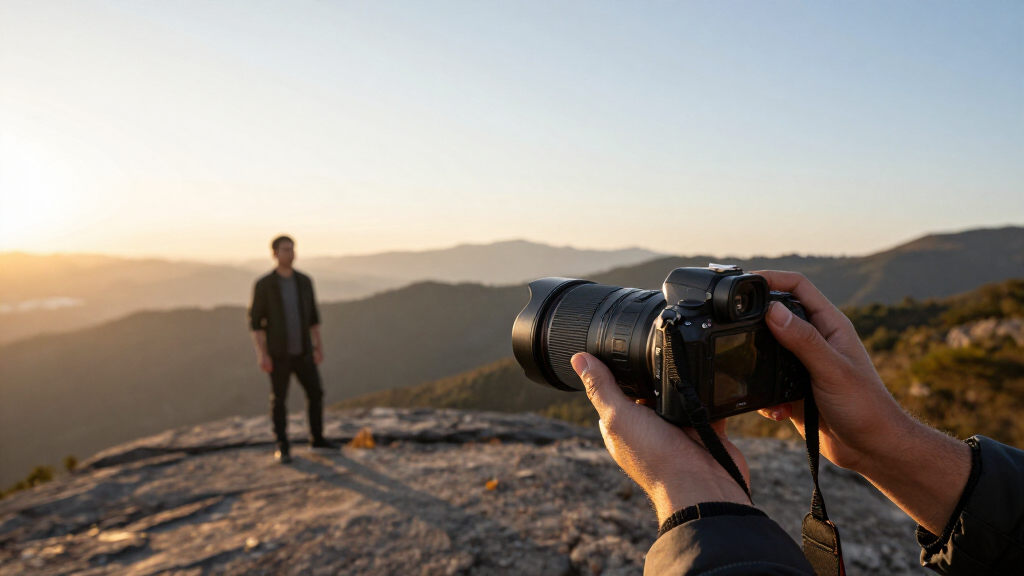
How We Picked
Our selection process focused on evaluating lenses based on image quality, aperture size, autofocus capability, build durability, and value for money. We included options for different camera mounts and user needs, from beginners to professionals. Each lens was assessed for distortion control, sharpness across the frame, and ease of use. The ranking reflects a combination of performance in real-world scenarios and price-to-performance ratio, ensuring that each pick offers a clear advantage for specific types of users.
Factors to Consider When Choosing 14mm Ultra Wide Lenses
Choosing the right 14mm ultra wide lens involves understanding several key factors. While price and brand are important, other elements like aperture, autofocus, and lens compatibility can significantly influence your experience. Knowing what to prioritize can help prevent costly mistakes and ensure your lens meets your creative goals.Aperture and Low-Light Performance
A wider maximum aperture, such as f/2.8, allows more light to reach the sensor, which is crucial for low-light conditions and astrophotography. However, lenses with larger apertures tend to be more expensive and bulkier. Consider your typical shooting environment: if you often shoot indoors or at night, investing in a faster lens makes sense. Otherwise, a smaller aperture might suffice, saving costs and weight.
Autofocus and Compatibility
If you plan to shoot videos or need quick, reliable focusing, autofocus becomes a key consideration. Not all ultra wide lenses have autofocus, especially manual focus-only models like some Rokinon or TTARTISAN options. Ensure the lens is compatible with your camera system and that autofocus performance aligns with your shooting style. For manual focus enthusiasts, optical quality and focus throw are more critical.
Build Quality and Durability
Since ultra wide lenses are often used outdoors, build quality matters. Weather sealing, sturdy construction, and resistance to dust and moisture can extend the lens’s lifespan. Cheaper lenses may lack this durability, so weigh the importance of ruggedness against your budget. Keep in mind that better-built lenses tend to be larger and heavier, which could impact portability.
Size, Weight, and System Compatibility
Ultra wide lenses come in a range of sizes, from compact to substantial. Smaller, lightweight models are easier to carry on hikes or travel, but might compromise on aperture or image quality. Compatibility with your camera mount is non-negotiable. Be cautious of adapters or third-party mounts that might affect autofocus or overall performance.
Price and Value
Prices for 14mm ultra wide lenses span from budget-friendly to premium. While cheaper options can deliver good results, they often lack advanced features or durability. Investing a bit more can yield better image quality, faster autofocus, and improved build. Balance your budget against your intended use to find a lens that offers the best value for your specific needs.
Frequently Asked Questions
Is a 14mm lens suitable for astrophotography?
Yes, a 14mm lens with a wide aperture is excellent for astrophotography because it captures large portions of the night sky with minimal distortion. Lenses with f/2.8 or faster are especially desirable, as they allow more light collection, reducing exposure times. However, be aware that some budget options may introduce chromatic aberration or vignetting in dark environments, so choose a lens with good optical correction for night shooting.
Should I prioritize autofocus or manual focus for a 14mm ultra wide lens?
This depends on your photography style. If you shoot moving subjects, videos, or need quick, precise focusing, autofocus is beneficial and makes the workflow smoother. However, manual focus lenses often provide more control and can be sharper at infinity, which is common in landscape photography. Many high-end ultra wide lenses now include autofocus, but manual focus options can be equally compelling for static scenes if you prefer more control.
Are third-party 14mm lenses reliable for professional use?
Many third-party brands like Rokinon, Viltrox, and TTARTISAN produce lenses that are highly capable and often more affordable than OEM options. While some may lack certain features like autofocus or weather sealing, recent models have improved significantly in optical performance. For professional work, consider lenses with proven optical quality, good build, and system compatibility, and be prepared for potential tradeoffs in autofocus speed or durability.
How important is lens distortion in 14mm ultra wide lenses?
Distortion is a common issue with ultra wide lenses, often manifesting as barrel distortion. While some distortion can add creative flair, excessive amounts can require correction in post-processing, which may affect sharpness. The best lenses control distortion well, especially in the corners, maintaining natural lines. If minimal distortion is essential for your work, focus on lenses with good optical correction and consider sample images or reviews before buying.
Can I use a 14mm lens for architecture photography?
Absolutely, 14mm ultra wide lenses are popular for architecture because they capture large structures in a single frame, emphasizing space and scale. However, be aware that distortion can sometimes warp straight lines, especially at the edges. Using a lens with good correction or adjusting perspective in post-processing can mitigate this. Stable tripod use and careful composition will also help achieve professional results in architectural shots.
Conclusion
For general landscape and astrophotography, the Nikon NIKKOR Z 14-30mm f/4 S offers outstanding versatility and image quality, making it the best overall choice. Budget-conscious photographers should consider the Rokinon 14mm F2.8, which balances performance with affordability. Those needing fast apertures for low-light scenes or video will find the Viltrox AF 14mm F4.0 or similar autofocus models ideal. Beginners might prefer manual focus options with straightforward handling, while professionals should look for lenses with superior build and optical correction. Ultimately, your choice hinges on your camera system, shooting style, and budget.
As an affiliate, we earn on qualifying purchases.Fall Picks
fall essentials