

In today’s gadget-filled world, too much tech can overwhelm your mind, drain your energy, and hurt your relationships. Digital overload leads to stress, distraction, and poor sleep, making you less present and less focused. Embracing digital minimalism helps you set boundaries, reduce screen time, and enjoy more meaningful moments offline. If you want to regain control and improve your well-being, exploring ways to simplify your digital life can make a real difference.
Key Takeaways
- Digital minimalism promotes intentional use of technology to reduce overload and enhance mental clarity.
- Setting boundaries and decluttering apps help prevent digital fatigue and improve focus.
- Mindful consumption and scheduled tech-free periods foster healthier habits and better sleep.
- Simplifying digital life creates space for meaningful connections and offline activities.
- Gradual habit changes, like reducing notifications, support sustainable digital well-being.

Digital Detox: How to Reclaim 2 Hours of Focus Tomorrow (Without Deleting Phone Apps) (Digital Detox Book Series)
As an affiliate, we earn on qualifying purchases.
As an affiliate, we earn on qualifying purchases.
Understanding Digital Overload

In today’s connected world, digital overload occurs when you’re constantly bombarded with notifications, emails, and social media updates, making it hard to focus or find peace. Your screen time quickly adds up as you scroll through social media platforms, often without realizing how much time you’ve spent online. This constant exposure to digital content can lead to feelings of stress, distraction, and fatigue. The more you indulge in social media, the more your attention gets fragmented, reducing your ability to concentrate on tasks or enjoy quiet moments. Recognizing this overload is the first step toward regaining control. By understanding how digital distractions accumulate, you can start to make intentional choices to limit unnecessary screen time and reduce the mental clutter that hampers your well-being. Additionally, adopting strategies like digital minimalism can help create a healthier balance and improve overall mental clarity. Implementing intentional technology use can further support your efforts to establish boundaries and foster a more mindful digital environment. Understanding the impact of digital overload on your mental health can motivate you to set clearer boundaries and prioritize meaningful activities. Being aware of cultural content and its influence can also help you develop a more mindful approach to consuming digital media.
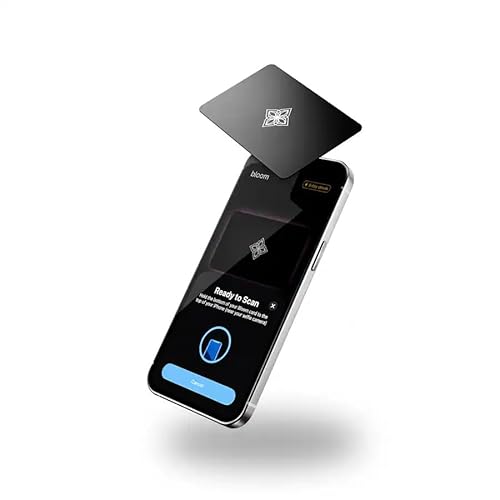
Bloom Card – App Blocker & Screen Time Tool – As Seen On Shark Tank – Subscription-Free Focus Device – Stainless Steel Keycard for iPhone & Android
LOCK APPS AND WEBSITES INSTANTLY – Bloom is a stainless steel NFC keycard that blocks your most distracting…
As an affiliate, we earn on qualifying purchases.
As an affiliate, we earn on qualifying purchases.
The Principles of Digital Minimalism

Digital minimalism is built on intentional choices about how you use technology, focusing on quality rather than quantity. It emphasizes mindful consumption and intentional use to avoid distraction and overwhelm. It encourages adopting energy-efficient tools and practices that align with sustainable development goals. The core principles include setting clear boundaries, prioritizing meaningful activities, and regularly evaluating your digital habits. By consciously choosing tools that add value, you free yourself from mindless scrolling and digital clutter. Incorporating modern kitchen technology thoughtfully can enhance your cooking experience without contributing to digital overload. Being aware of phenomena like sonoluminescence exemplifies how understanding complex natural processes can inspire more mindful engagement with science and technology. Use the table below to understand these principles better:

mudita Kompakt Minimalist Dumb Phone with E Ink® Display – Unlocked Cell Phone for Focus, Privacy & Distraction-Free Living, Long Battery Life, Bluetooth, Easy to Use – Charcoal Black
Focus Without Distraction – Step away from digital noise with Mudita Kompakt, a minimalist dumb phone designed for…
As an affiliate, we earn on qualifying purchases.
As an affiliate, we earn on qualifying purchases.
How Excessive Tech Affects Our Well-Being

When you adopt a mindful approach to technology, you start to notice its impact on your well-being. Excessive tech use can lead to screen addiction, making it hard to disconnect and focus on real-life moments. This constant scrolling and notifications increase digital fatigue, leaving you drained and less motivated. You might find yourself feeling anxious or irritable after long hours online, as your brain struggles to process endless information. Over time, this can affect your sleep, mood, and overall mental health. By recognizing these patterns, you can better understand how too much tech harms your well-being. Taking steps to limit screen time helps restore balance, reducing digital fatigue and promoting a healthier relationship with technology.

The Tech Exit: A Practical Guide to Freeing Kids and Teens from Smartphones
As an affiliate, we earn on qualifying purchases.
As an affiliate, we earn on qualifying purchases.
Practical Strategies to Reduce Digital Clutter

To cut down on digital clutter, start by decluttering notifications and uninstalling unnecessary apps. Set clear boundaries for your device use and establish tech-free periods to stay present. These practical steps help you regain control and create a more intentional digital environment. Incorporating local automation can further streamline your routines and reduce the need for constant device interaction. Additionally, understanding affiliate relationships can help you make more informed choices about online purchases and support your favorite content creators responsibly.
Declutter Notifications and Apps
Notifications and apps can quickly become overwhelming, distracting you from what truly matters. To regain focus, start with notification management—turn off non-essential alerts and customize settings so only crucial updates appear. Next, perform an app detox by deleting or disabling unused applications that clutter your device and drain your attention. Additionally, understanding the organization of digital tools can help you create a more efficient app layout, making it easier to access what you need and ignore distractions. Finally, organize remaining apps into folders or categories, making it easier to access what you need and ignore distractions. This process reduces digital clutter, helping you concentrate on tasks that truly matter. Regularly review your notification settings and app list to maintain a clutter-free digital environment. Simplifying your notifications and apps isn’t a one-time task; it’s an ongoing effort that empowers you to stay present and intentional. Additionally, understanding the power of electric bikes can inspire you to incorporate more mindful transportation choices into your routine.
Implement Digital Boundaries
Setting clear digital boundaries is essential for reducing clutter and reclaiming your focus. Establish limits on how often you check emails or social media to prevent constant distractions. Use tools like app timers or do-not-disturb modes to reinforce these boundaries. Protect your online privacy by adjusting privacy settings on your devices and accounts, reducing exposure to targeted ads and data collection. Be intentional about sharing personal information online, and avoid accepting unnecessary friend or connection requests. Creating boundaries also means designating specific times and spaces where digital devices are off-limits, helping you stay present. Additionally, understanding the role of privacy policies can help you make more informed decisions about technology use and privacy. Being aware of how cookies are categorized and managed allows you to better control your digital footprint and avoid unnecessary data collection. Learning about device security can further enhance your privacy by preventing unauthorized access and safeguarding your personal information. Regularly reviewing your digital footprint can help you identify and minimize unnecessary data exposure. Incorporating digital detox practices such as scheduled device-free periods can significantly improve mental clarity and reduce tech-related stress.
Schedule Tech-Free Time
Scheduling dedicated tech-free time helps reinforce your digital boundaries and guarantees you have moments to disconnect completely. Incorporate regular screen breaks to prevent fatigue and improve focus. Designing tech free zones in your home, such as the dining area or bedroom, encourages genuine disconnects. To effectively implement this, consider these strategies:
- Set aside daily intervals, like during meals or before bed, for uninterrupted screen-free time.
- Create designated spaces where devices are not allowed, fostering physical boundaries.
- Plan activities during tech-free periods, like reading or outdoor walks, to make the most of your disconnection. Digital boundaries are essential for maintaining a healthy relationship with technology. Additionally, establishing a tech-free mindset can help you stay committed to these boundaries and enjoy the benefits of a balanced digital life.
A mindful approach to digital well-being can further enhance your ability to sustain these habits and avoid overuse.
Benefits of Embracing a Simpler Digital Life

When you embrace a simpler digital life, you’ll notice your mind feels clearer and less overwhelmed. You’ll also find more meaningful moments with the people around you. These small changes can lead to a more focused and fulfilling everyday experience. Reducing your technology use can also improve your sleep quality by minimizing exposure to disruptive screens before bedtime. Additionally, practicing digital minimalism can help you regain control over your time and attention, fostering greater overall well-being. Incorporating practical mindfulness techniques can further support your efforts by helping you stay present and reduce reactive habits. For example, understanding the biography of influential figures can remind us of the importance of intentional focus and perseverance in our lives. Cultivating inner wisdom can serve as a guiding compass as you navigate the digital landscape and prioritize what truly matters.
Increased Mental Clarity
Have you ever noticed how constant notifications and endless scrolling can fog your mind? When your digital life is simplified, mental clarity improves markedly. You can focus better and think more clearly. Embracing digital minimalism allows you to:
- Practice mindful meditation, which helps clear mental clutter and reduces stress.
- Improve sleep quality by minimizing screen time before bed, leading to better rest and sharper thinking.
- Cultivate a calmer, more focused mindset free from digital distractions, making decision-making easier.
- Reduce reliance on complex technology, fostering a more straightforward and intentional digital experience.
More Quality Time
Embracing a simpler digital life frees up more time for meaningful connections and activities. By reducing your screen time and following a mindful digital diet, you create space for genuine interactions and hobbies that truly matter. Less time glued to devices means you can focus on conversations with loved ones, outdoor adventures, or personal passions. This shift not only enhances your relationships but also boosts your overall well-being. When you cut back on unnecessary digital distractions, you gain clarity and presence, making your moments more fulfilling. Digital minimalism encourages you to prioritize quality over quantity, helping you reclaim time for activities that nourish your mind and soul. Ultimately, a simpler digital life leads to richer experiences and deeper connections.
Overcoming Challenges to Digital Minimalism

Overcoming challenges to digital minimalism requires recognizing how deeply ingrained digital habits can be and actively working to break them. Many people struggle with tech addiction, which makes reducing screen time difficult. To start, prioritize a digital detox by setting clear boundaries, like designated device-free times. Additionally, consider these strategies:
Breaking digital habits is tough; set clear boundaries and replace triggers to reclaim your focus.
- Identify triggers that lead to unnecessary device use and replace them with healthier activities.
- Gradually reduce notifications to minimize distractions and dependency.
- Establish a routine that emphasizes offline experiences, reinforcing your commitment to minimalism.
Success Stories: Real-Life Transformations

Many individuals have experienced remarkable transformations after embracing digital minimalism, proving that change is possible regardless of how deeply rooted your habits may be. For instance, someone struggling with smartphone addiction found relief by setting boundaries and reducing screen time, leading to better focus and more meaningful interactions. Others have completed a social media detox, sparking renewed creativity and mental clarity. These stories show that taking intentional steps can drastically improve your well-being. You might discover a newfound appreciation for offline moments and strengthen personal relationships that felt strained by constant digital distractions. These successes demonstrate that, with commitment, you can regain control, find balance, and enjoy a more fulfilling, less cluttered digital life. Your transformation is within reach.
Getting Started With Your Digital Minimalism Journey

Starting your digital minimalism journey can feel overwhelming, but taking small, intentional steps makes the process manageable. Begin by evaluating your current tech habits and identifying areas where you spend excessive time or feel distracted. A digital detox can help reset your relationship with devices and create space for more meaningful activities. To get started, consider these steps:
Start small: assess habits, set boundaries, and take breaks to embrace digital minimalism gradually.
- Set clear boundaries, like limited social media use or device-free zones.
- Remove unnecessary apps to reduce digital clutter and streamline your devices.
- Schedule regular breaks from screens to reinforce healthier tech habits.
Frequently Asked Questions
How Can Digital Minimalism Improve My Mental Health?
Digital minimalism can boost your mental health by reducing screen time and limiting social media use. When you cut back, you’ll experience less anxiety, stress, and comparison. It helps you focus on meaningful activities and real connections instead of mindless scrolling. As a result, you’ll feel more present, balanced, and happier, creating a healthier mental space where you regain control over your digital habits and improve overall well-being.
What Are Common Obstacles to Practicing Digital Minimalism?
You might struggle with practicing digital minimalism because social pressure often pushes you to stay connected constantly, making it hard to disconnect. Technological addiction can also tempt you to spend more time online than intended, creating habits that are tough to break. These obstacles can make it challenging to set boundaries and prioritize your mental health, but recognizing them is the first step toward regaining control over your digital life.
Can Digital Minimalism Benefit Children and Teenagers?
Like Icarus flying too close to the sun, excess screen time and social media can lead children and teenagers astray. Digital minimalism benefits them by reducing distractions, promoting real-world connections, and fostering healthier habits. When you limit screen time, they develop better focus, creativity, and emotional resilience. Embracing digital simplicity helps young minds flourish without the chaos of constant notifications and online comparisons.
How Do I Maintain Digital Discipline Over Time?
To maintain digital discipline over time, commit to regular digital detoxes, allowing yourself breaks from screens. Practice mindful browsing by setting intentions before using devices and avoiding mindless scrolling. Create boundaries, such as designated tech-free zones or times, and revisit your goals periodically to stay aligned with your digital minimalism efforts. Consistency is key—by staying aware and intentional, you’ll build lasting habits that keep your digital life balanced.
Are There Recommended Tools to Help Reduce Digital Clutter?
Your digital clutter can feel like an unstoppable tidal wave, but certain tools can help you tame it. Try app blocking to limit distractions and digital detox tools to give yourself scheduled breaks. These tools act like your personal digital bodyguards, shielding you from endless notifications and mindless scrolling. Use them consistently, and you’ll reclaim control over your digital life, making space for what truly matters.
Conclusion
Embracing digital minimalism might seem intimidating, but you’ll find freedom in fewer distractions and more focus. By trimming tech clutter, you’ll reclaim time, reduce stress, and rediscover real connections. Remember, small steps lead to significant shifts—so start simple, stay steady, and savor the serenity of a streamlined digital life. With mindful management, you’ll master your gadgets instead of being mastered by them, making your digital days more delightful and less draining.