

If you accidentally delete files on your computer or phone, start by checking the Recycle Bin or Trash folder—your files might still be recoverable there. If not, use built-in tools like Time Machine on Mac or backup options on Windows to restore your files. You can also try data recovery software or cloud backups. For critical data or stubborn cases, professional help might be necessary. Keep exploring to discover simple steps and tips to recover your lost files easily.
Key Takeaways
- Check the Recycle Bin (Windows) or Trash (Mac) first for recently deleted files.
- Use built-in backup tools like Time Machine (Mac) or File History (Windows) to restore files.
- Employ user-friendly data recovery software, following instructions carefully to avoid overwriting data.
- Act quickly to prevent data from becoming unrecoverable, and avoid saving new files to the affected device.
- Consider cloud storage version history or professional recovery services if standard methods fail.

Data Recovery software compatible with Windows 11, 10, 8.1, 7 – recover deleted and lost files – rescue deleted images, photos, audios, videos, documents and more
Data recovery software for retrieving lost files
As an affiliate, we earn on qualifying purchases.
As an affiliate, we earn on qualifying purchases.
Checking the Recycle Bin or Trash Folder

Have you checked your Recycle Bin or Trash folder yet? When you delete a file, it usually goes there first, giving you a chance to recover it if needed. The recycle bin acts as a safety net for accidental file deletion, so don’t overlook it. Open the bin and look for the file you want to restore. If you find it, right-click and select “Restore,” which will return the file to its original location. Remember, files in the recycle bin aren’t permanently deleted until you empty it, so act quickly if you want to recover something. Checking the recycle bin is a simple step that can save you time and prevent unnecessary data loss. Always review the contents before emptying it to avoid losing important files permanently. Additionally, if the file isn’t in the Recycle Bin, it might be Free Floating, meaning it could be recoverable using specialized software or recovery tools designed for that purpose. Understanding the contrast ratio of your storage device can also help determine the likelihood of successful recovery, especially in cases of corrupted files or damaged sectors. Moreover, being aware of data recovery techniques can significantly improve your chances of retrieving lost files when standard methods fail. Familiarizing yourself with file recovery software can further enhance your ability to restore deleted data effectively. Moreover, understanding the storage device type can influence which recovery methods are most effective.
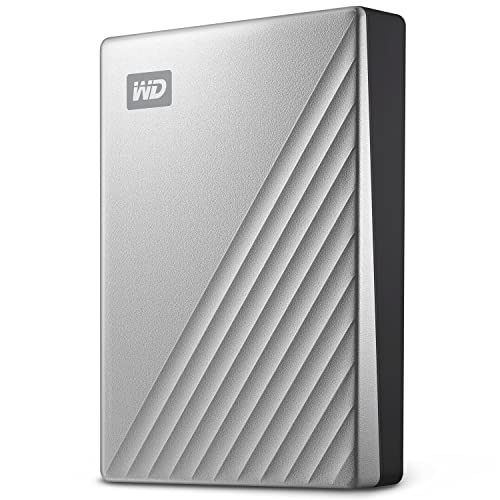
WD 5TB My Passport Ultra for Mac Silver, Portable External Hard Drive, backup software with defense against ransomware, and password protection, USB-C and USB 3.1 – WDBPMV0050BSL-WESN
USB-C and USB 3.1 compatible.Specific uses: Business, personal
As an affiliate, we earn on qualifying purchases.
As an affiliate, we earn on qualifying purchases.
Using Built-in File Recovery Tools on Your Device
Your device offers built-in tools to help recover deleted files quickly. On Windows, the Recycle Bin can restore recent deletions, while Mac users can turn to Time Machine for earlier backups. Android and iPhone devices also have native options to retrieve files without extra software. Additionally, understanding outdoor kitchen plans can inspire creative solutions for organizing your digital storage and recovery tools effectively. Being aware of potential security risks associated with recovery processes can also help you protect sensitive data during the restoration. Exploring cloud storage options can provide an extra layer of backup to prevent data loss in the future. Moreover, familiarizing yourself with file version history features can enable you to recover previous versions of files, safeguarding important information from accidental changes. Implementing automated backup systems can further ensure your data remains protected against accidental deletion or hardware failure.
Windows Recycle Bin Recovery
When you accidentally delete a file on Windows, the first place to check is the Recycle Bin, which acts as a safety net for recently removed items. Often, people believe file deletion myths, thinking files are gone forever after emptying it. However, Windows’s built-in tools can often recover files unless overwritten, highlighting the importance of data recovery ethics—acting quickly and responsibly to prevent permanent loss. To recover files, open the Recycle Bin, locate your file, right-click, and select “Restore.” Here’s a quick overview:
| Action | Result | Note |
|---|---|---|
| Open Recycle Bin | View deleted files | Check if file’s there |
| Right-click file | Select “Restore” | Recovers original location |
| Empty Bin | Permanently deletes files | Avoid if recovery needed |
| Use Search | Find specific deleted files later | For large bins |
| Restore multiple | Recover several files at once | Save time |
Additionally, using built-in recovery tools can help retrieve files even if they are no longer visible in the Recycle Bin, especially when files have been permanently deleted or overwritten. Being aware of file recovery options can make a significant difference in successful data retrieval. Moreover, employing file recovery software can increase the chances of recovering files that are not available through standard methods. It’s also recommended to regularly back up files to prevent potential data loss in the future, ensuring your important data remains safe.
Mac Time Machine Use
If you accidentally delete a file on your Mac, Time Machine offers a simple way to recover it without third-party software. To use Time Machine, connect your backup drive if necessary, then click the Time Machine icon in the menu bar or open it from System Preferences. Browse through your backups by date and locate the deleted file. When you find it, click Restore, and Time Machine will restore the file to its original location. This built-in tool is part of your overall Backup Strategies, ensuring your data remains protected. Regularly updating your backups minimizes data loss risks and makes recovery seamless. Using Time Machine is an effective, user-friendly method to restore deleted files quickly and avoid frustration.
Android/ Iphone Built-In Options
Both Android and iPhone devices come equipped with built-in file recovery tools that can help you retrieve recently deleted files without needing third-party software. On Android, you can check your Google Photos or Drive app for app-specific backups, which may include your images and documents. For iPhones, the Photos app often offers a “Recently Deleted” folder where you can restore photos within 30 days. Additionally, some devices have hardware recovery options like restoring from a backup via iCloud or Google Backup. If your files were deleted recently, these built-in tools are your first line of defense. Keep in mind that recovery success often depends on how quickly you act and whether you have backups enabled, making these options essential for quick restoration. Moreover, understanding file recovery options on your device can significantly increase your chances of success. Exploring wave and wind concepts can also help you understand the broader environment affecting data storage and recovery, especially if your device was lost or damaged in challenging conditions. Being aware of security zones and their impact on device safety can also inform your data recovery strategies, particularly in cases of theft or unauthorized access.

Phone Recovery Stick for Android – Recover Text Messages, Contacts, Photos & Videos, Data Investigation Software for Supported Android Phones & Tablets, Windows Compatible, No Installation Required
Recover Existing Android Data – Retrieve text messages, call logs, contacts, calendar entries, notes, photos, videos, and more…
As an affiliate, we earn on qualifying purchases.
As an affiliate, we earn on qualifying purchases.
Employing Data Recovery Software for Deleted Files

Choosing the right data recovery software is essential to successfully retrieve your deleted files. Once you have the software, using its tools correctly can make all the difference in restoring data effectively. Additionally, adopting best practices now can help you prevent future data loss and protect your important files. Being aware of file management tips can also aid in avoiding accidental deletions. For instance, practicing proper file organization can reduce the risk of losing important data due to clutter or misplacement. Recognizing file corruption or irregularities can help you take timely action before data becomes unrecoverable. Moreover, selecting software that respects your user privacy and offers transparent data handling policies ensures your sensitive information remains secure during recovery. Incorporating passive voice detection techniques into your editing process can further improve your writing clarity and professionalism.
Choosing the Right Software
Selecting the right data recovery software is essential to successfully restore your deleted files. With so many options available, it’s important to choose reliable file recovery software that suits your needs. Look for data recovery tools that are user-friendly, compatible with your device, and capable of recovering various file types. Check reviews and ratings to ensure the software has a good track record for effectiveness and safety. Some programs specialize in specific devices or file formats, so pick one that matches your situation. Additionally, opt for software that offers a free scan or preview so you can verify recoverability before purchasing. Choosing reliable recovery tools that adhere to software quality assurance practices can help ensure the reliability of the recovery tool you select. Considering the privacy policies of the software provider can also be beneficial to safeguard your data. Being aware of data protection standards can further help you select a secure and trustworthy program. The right choice can save you time, frustration, and improve your chances of getting your files back intact.
Using Recovery Tools Properly
Once you’ve picked the right data recovery software, it’s important to use it correctly to maximize your chances of success. Don’t fall for file recovery myths that suggest all files can be restored easily; some may be unrecoverable. To improve results, avoid overwriting the deleted files by saving new data to the affected drive. Follow the software instructions carefully, scanning thoroughly before trying to recover. Remember, recovery tools work best when you have backup strategies in place, even if you haven’t backed up recently. Regular backups reduce the pressure to recover files and lessen data loss concerns. Using recovery tools properly means acting quickly and with caution, ensuring you don’t accidentally make the situation worse or diminish the chance of successful restoration.
Preventing Future Data Loss
To prevent future data loss, adopting proactive measures alongside using recovery software is essential. Regular hardware maintenance ensures your devices run smoothly, reducing the risk of crashes or failures that could lead to data loss. Keep your software and operating systems up to date, as updates often include security patches that protect against vulnerabilities. Implement data encryption to safeguard sensitive information from unauthorized access, even if your device is compromised. Back up your files regularly using reliable cloud services or external drives to ensure copies are available if deletion or hardware issues occur. By combining these practices with effective data recovery software, you minimize the chances of losing important files and streamline the recovery process if data loss does happen.

Cloud-Based Backup Services A Clear and Concise Reference
As an affiliate, we earn on qualifying purchases.
As an affiliate, we earn on qualifying purchases.
Restoring Files From Cloud Backups or Storage Services

When you realize a file has been accidentally deleted, restoring it from cloud backups or storage services can be a quick and effective solution. Many cloud storage platforms offer file versioning, allowing you to recover previous versions of your files or restore deleted items easily. First, log into your cloud account and navigate to the trash or deleted files folder. If your service supports versioning, select the file and choose a prior version to restore. Here’s a quick overview:
| Cloud Storage Service | Recovery Method |
|---|---|
| Dropbox | Restore from Deleted Files |
| Google Drive | Use Version History |
| OneDrive | Restore Previous Version |
| iCloud | Recently Deleted Folder |
| Box | Version History and Restore |
This approach helps recover files without specialized software, saving you time and effort.
Tips for Preventing Future Data Loss

Preventing future data loss starts with adopting good backup habits and staying vigilant about your digital files. Regularly backing up important data ensures you can recover it if something goes wrong. Use reliable storage solutions and consider encrypting sensitive files to protect them from unauthorized access. File encryption adds an extra layer of security, making your data less vulnerable even if backups are compromised. Additionally, maintain your hardware carefully—perform routine hardware maintenance like updating firmware, checking for signs of wear, and cleaning components. Proper hardware upkeep reduces the risk of hardware failures that could lead to data loss. Combining consistent backups, strong encryption, and diligent hardware maintenance creates a robust safeguard against future data mishaps.
When to Seek Professional Data Recovery Help

Recognizing the right time to seek professional data recovery help can make all the difference in salvaging your files. If your data loss involves hardware issues, such as a failing hard drive or corrupted storage device, it’s time to contact experts for professional data recovery. They use specialized tools and hardware diagnostics to identify and fix underlying problems that simple recovery methods can’t handle. Attempting DIY fixes on hardware problems may worsen the damage and reduce your chances of recovery. If your files are critically important or if previous recovery attempts have failed, professional services are your best option. Remember, timely intervention by specialists can often recover data that would otherwise be lost forever. Don’t wait too long before seeking professional help.
Frequently Asked Questions
Can Deleted Files Be Recovered After Permanently Emptying the Recycle Bin?
Yes, you can recover files after permanently emptying the recycle bin. Check your cloud storage services, like OneDrive or Google Drive, which often have file versioning and backup options. These features can restore previous versions of your files even after deletion. Act quickly, as data recovery chances decrease over time. Using specialized recovery software might also help if your storage doesn’t support file versioning or backups.
How Long Do Deleted Files Stay Recoverable on My Device?
The file recovery window depends on your device and how data is managed. Usually, deleted files stay recoverable until they’re overwritten, which varies based on your data retention period and usage. On most devices, data remains accessible until new data overwrites it, so act quickly. Keep in mind that once the recovery window closes, chances of restoring files diminish markedly. Regular backups help extend the recoverability of important data.
Are There Risks of Data Corruption When Using Recovery Software?
Using recovery software can carry some risks of data corruption if not used carefully. Software risks include overwriting existing data or damaging file structures, which can compromise data integrity. To minimize these risks, always back up your current data before recovery, choose reputable programs, and follow instructions closely. This way, you safeguard your files and ensure a smoother recovery process without risking your valuable data.
Is It Possible to Recover Files From a Damaged or Corrupted Hard Drive?
Yes, you can recover files from a damaged or corrupted hard drive. You should start with hard drive repair to fix physical issues, then use data recovery tools designed for such problems. These tools can scan the drive, locate recoverable data, and restore your files. Keep in mind, if the damage is severe, consulting a professional data recovery service might be necessary to maximize your chances of success.
What Are the Best Practices for Backing up Data Regularly?
To keep your data safe, you should regularly back up using cloud backups and set up automated scheduling. This way, your files get updated automatically without you having to remember. Make it a habit to check your backup settings periodically and confirm your storage space is sufficient. Using reliable cloud services and automating backups helps prevent data loss, giving you peace of mind knowing your files are protected.
Conclusion
So, after all this, you might think recovering deleted files is a breeze—until you realize how easy it is to accidentally delete that one irreplaceable photo or document. Ironically, the very tools meant to help often make it seem effortless, but sometimes, even they can’t save you. Remember, prevention beats recovery, so back up regularly. Because in the end, losing files might just remind you how unprepared you really are—until it’s too late.