
As wearable tech implants become more integrated with our bodies, you’re gradually blending biological and machine elements, transforming your identity and expanding your abilities. Devices like neural interfaces and sensors now monitor health, enhance senses, and even control external devices, making you feel more connected and capable. While these advances offer exciting benefits, they also raise ethical, privacy, and societal questions. Exploring these developments further reveals how we’re approaching a future where humans and machines increasingly merge.

Get the latest gadgets delivered free — and shop member deals
- Fast, free delivery on millions of items
- Access to Prime Big Deal Days deals on October 6–7
- Prime Video, Amazon Music and more included
Key Takeaways
- Wearable devices and implants increasingly integrate with human biology, extending physical and cognitive capabilities.
- Advances in neural interfaces and bio-compatible materials blur the line between human and machine.
- Ethical and privacy concerns arise as data from implants becomes part of personal identity and cloud-based systems.
- Society’s acceptance of wearable tech fosters a shift toward a cyborg-like existence, merging flesh and technology.
- The evolving relationship with wearable implants prompts questions about human authenticity and the future of identity.
neural interface wearable device
As an affiliate, we earn on qualifying purchases.
As an affiliate, we earn on qualifying purchases.
The Evolution of Wearable Technology and Human Integration
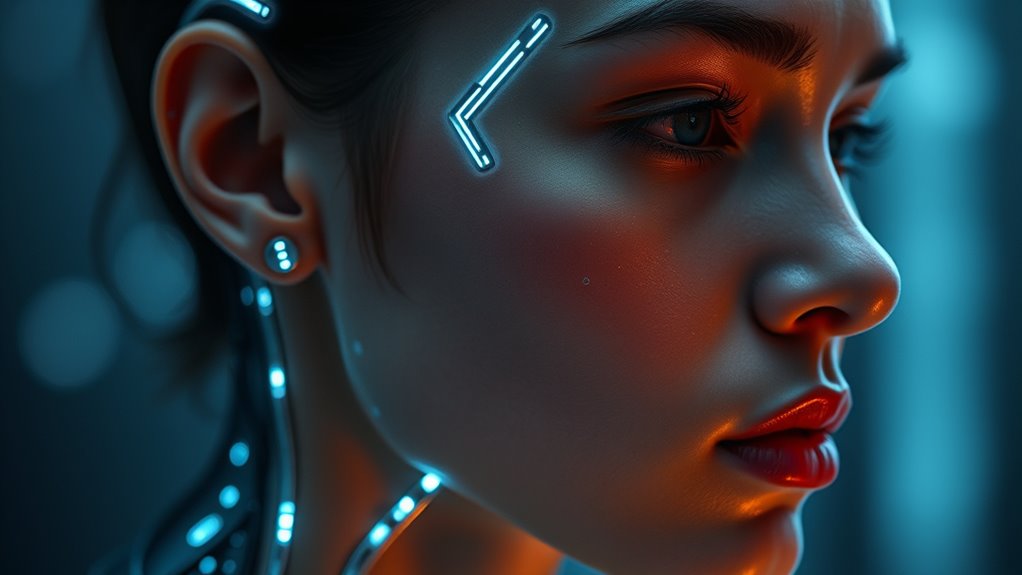
The development of wearable technology has rapidly transformed how humans interact with their environment, blurring the line between biology and machine. As you adopt devices like smartwatches and fitness trackers, you begin to see how these tools influence your biological identity, merging your physical presence with digital enhancements. This evolution also impacts social acceptance; wearing such tech can make you feel more connected or, conversely, lead to concerns about being judged. Your biological identity feels extended beyond your body, shaping how others perceive you. Over time, society’s acceptance of wearable tech has grown, making these devices almost invisible in daily life. As you continue to integrate wearables, you participate in redefining what it means to be human in this increasingly connected world. Additionally, the integration of wearable implants introduces new possibilities for continuous health monitoring, further embedding technology into our biological functions. Moreover, advancements in European cloud infrastructure are crucial for securely managing the vast amounts of data generated by wearable devices, ensuring privacy and reliability for users worldwide. The ongoing development of biocompatible materials also plays a significant role in making implants safer and more accessible for everyday use. Furthermore, improvements in local automation can enhance personalized health interventions and improve user experience. As these technologies evolve, the potential for seamless biological integration continues to grow, opening new frontiers in human-machine symbiosis.
As an affiliate, we earn on qualifying purchases.
Types of Implants and Their Functions
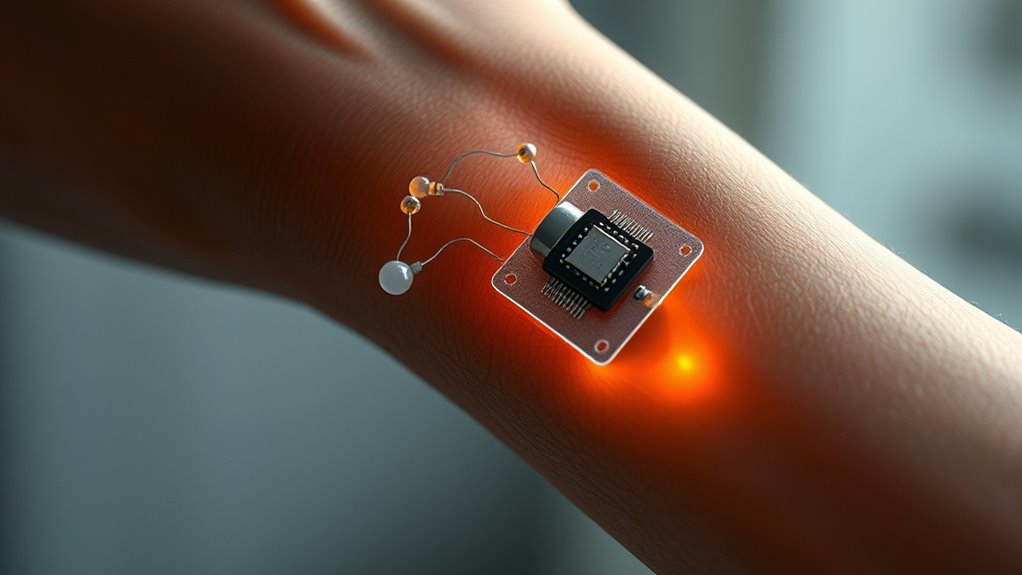
Implants come in various forms, each designed to enhance or restore specific functions within your body. Implantable sensors are a common type, monitoring everything from glucose levels to heart activity, providing real-time data to improve health management. Neural interfaces are another key form, connecting your nervous system directly to external devices, enabling control over prosthetics or communication without traditional input methods. These implants can help restore lost senses or improve existing ones, offering more seamless integration with technology. Some implants are purely functional, like cochlear implants that restore hearing, while others aim to augment capabilities, such as brain-computer interfaces. Regardless of their purpose, these implants exemplify how technology is becoming an integral part of human physiology.
brain-computer interface headset
As an affiliate, we earn on qualifying purchases.
As an affiliate, we earn on qualifying purchases.
The Benefits and Potential Risks of Body Augmentation

Body augmentation can boost your physical abilities and help you accomplish things you never could before. However, it also raises concerns about privacy, security, and how these changes might affect your sense of identity. Considering both the advantages and risks is essential as technology advances. Additionally, as these enhancements become more widespread, understanding the concept of Free Floating technologies can help individuals make informed decisions about their body modifications. Recognizing the importance of body autonomy and informed consent is crucial as we navigate this evolving landscape. Being aware of affiliate disclosures and how they impact transparency can also help users stay informed about the information they consume. As wearable tech becomes more integrated, understanding home safety & accessibility features can support a safer transition into augmented living. Staying informed about load calculations and safe installation practices can ensure that new augmentations and devices are incorporated securely and reliably.
Enhanced Physical Capabilities
Advancements in body augmentation technology promise to considerably enhance physical abilities, offering benefits like increased strength, endurance, and precision. You might experience improved emotional enhancement, helping regulate mood and motivation, or sensory augmentation, allowing you to perceive new stimuli or sharpen existing senses. Understanding yarn weight and stitch type can help in designing more effective and personalized wearable tech. These enhancements could make daily tasks easier and elevate athletic performance. Additionally, the integration of biocompatible materials ensures that implants are safe and reduce the risk of adverse reactions, which is essential for long-term use. water-resistant coatings further improve durability, especially in active or humid environments. Proper maintenance and regular checkups are important for ensuring that implants function correctly and remain safe over time. However, there are risks to contemplate, such as potential dependence on implants or unintended side effects. While increased capabilities are alluring, they also raise questions about authenticity and the limits of human endurance. As you explore these augmentations, stay aware of both their transformative potential and the possible long-term impacts on your body and mind. Balancing innovation with caution ensures you enjoy the benefits without compromising safety.
Privacy and Security Concerns
As body augmentation technology becomes more widespread, it raises important concerns about privacy and security. You’re now more vulnerable to surveillance vulnerabilities and data breaches that could expose sensitive information. To stay protected, consider these risks:
- Unauthorized access to implant data, risking personal privacy.
- Exploitation of security flaws in wearable devices.
- Potential hacking of biometric systems for malicious purposes.
- Loss of control over your personal health information.
These vulnerabilities threaten your autonomy and safety, making it essential to stay vigilant. While wearable tech offers benefits, it also opens pathways for cyber threats. Ensuring robust security measures and staying informed is vital to safeguarding your privacy in this evolving landscape.
Ethical and Identity Issues
While privacy and security concerns highlight the risks of body augmentation, they also bring to light complex ethical and identity questions. You might wonder if enhancing your body with technology affects your biological authenticity or alters your sense of self. As these modifications become more common, questions about moral responsibility arise—who is accountable for unintended consequences? Consider the following:
| Benefit | Risk | Ethical Concern |
|---|---|---|
| Improved abilities | Loss of biological authenticity | Defining what it means to be human |
| Enhanced health | Dependency on technology | Moral responsibility for misuse |
| Increased connectivity | Privacy invasion | Fair access and inequality |
| Personal empowerment | Identity confusion | Authenticity and moral implications |
Additionally, maintaining proper Aero Guardians practices, such as regular cleaning and filter replacement, is essential for ensuring that wearable tech and implant devices function safely and effectively.
As an affiliate, we earn on qualifying purchases.
Ethical Considerations and Privacy Concerns
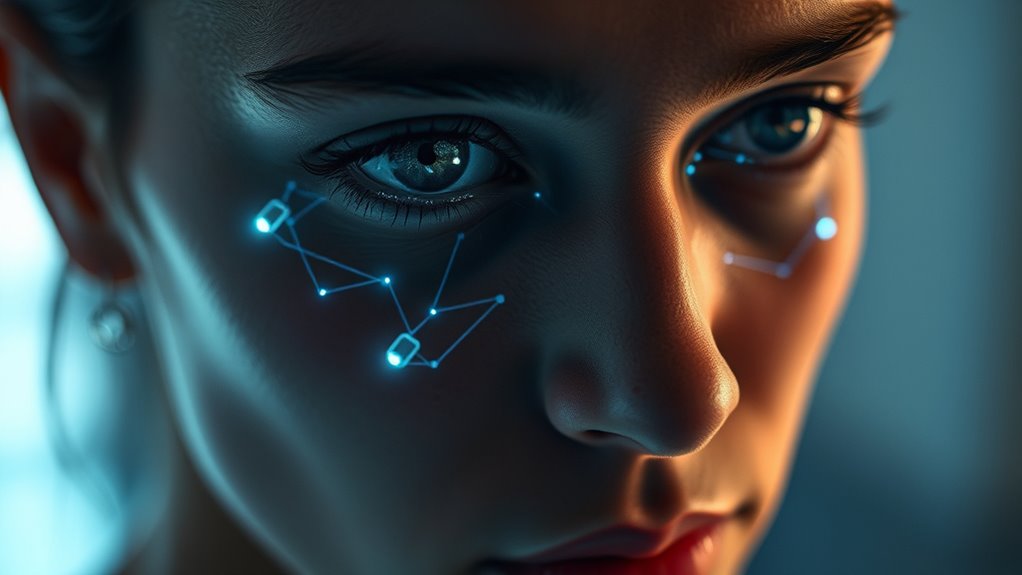
As cyborg technologies advance, you need to contemplate who owns your data and how it’s used. You might not always have full control over your personal information or the choices made about your body. You can also consider how data privacy impacts your trust in integrated technologies. Ensuring your consent and autonomy remains central as these innovations become more integrated into daily life. Additionally, the development of electric power generation with bike generators raises questions about the security and management of energy data collected during usage. Recognizing the importance of urban biodiversity can help mitigate environmental impacts and promote sustainable development in tech-integrated spaces. Furthermore, understanding the ethical implications of data collection can guide responsible innovation and protect individual rights.
Data Ownership Rights
Data ownership rights in a cyborg future raise critical ethical questions and privacy concerns that you need to contemplate. As wearable tech becomes more integrated, questions of data sovereignty and user control become paramount. Who owns the data generated by your implants? How much authority do you have over its use? Consider these points:
- Your rights to access and manage personal data.
- The responsibility of companies to protect your information.
- The potential for data misuse or exploitation.
- The need for transparent policies surrounding data ownership. Establishing clear data governance frameworks can help address these issues effectively.
Additionally, understanding the role of Floating on Water concepts can inform discussions about how data might be ‘immersed’ or integrated into a broader ecosystem, emphasizing the importance of maintaining control in an interconnected environment. Recognizing the importance of market regulation helps ensure that data rights are protected as the industry evolves. The development of AI Ethicist Jobs underscores the importance of establishing moral frameworks to navigate these complex issues. Moreover, fostering ethical standards across industries can promote responsible data management practices and build user trust.
Understanding these issues helps you safeguard your privacy and assert control over your data. As technology advances, ensuring your rights are protected becomes essential to prevent exploitation and maintain your autonomy in this evolving landscape.
Consent and Autonomy
In a cyborg future, your ability to give informed consent becomes more complex as implantable technologies and data collection deepen. You might not fully understand how your devices collect, share, or analyze your personal information, which challenges your personal autonomy. As these technologies become more integrated, ensuring you’re fully aware of risks and implications is vital. Without clear, transparent information, your autonomy could be compromised, leading to decisions made without genuine understanding. Consent must remain meaningful, meaning you have the right to refuse or withdraw from technology use without repercussions. Ethical considerations demand safeguards that protect your ability to control your data and choices, ensuring that technological integration enhances, rather than diminishes, your personal autonomy. Recognizing the importance of authenticity and informed decision-making is essential in maintaining trust and ethical integrity in this evolving landscape.
The Future of Human-Technology Merging

The future of human-technology merging promises to transform the way you live, work, and connect. As neural enhancements become more advanced, ethical questions about transhuman ethics will intensify, guiding responsible development. You’ll see innovations like brain-computer interfaces that boost cognition or sensory perception. Consider these key developments:
- Enhanced cognition through neural implants, expanding mental capabilities.
- Ethical debates surrounding transhuman ethics and the limits of human augmentation.
- Increased integration of wearable tech into daily routines, blurring boundaries between human and machine.
- Potential for personalized, adaptive interfaces that respond seamlessly to your needs.
These advances will challenge how you define human identity and autonomy, while opening new opportunities for growth and collaboration in a rapidly evolving technological landscape.
Cultural and Societal Impacts of Cyborg Technologies
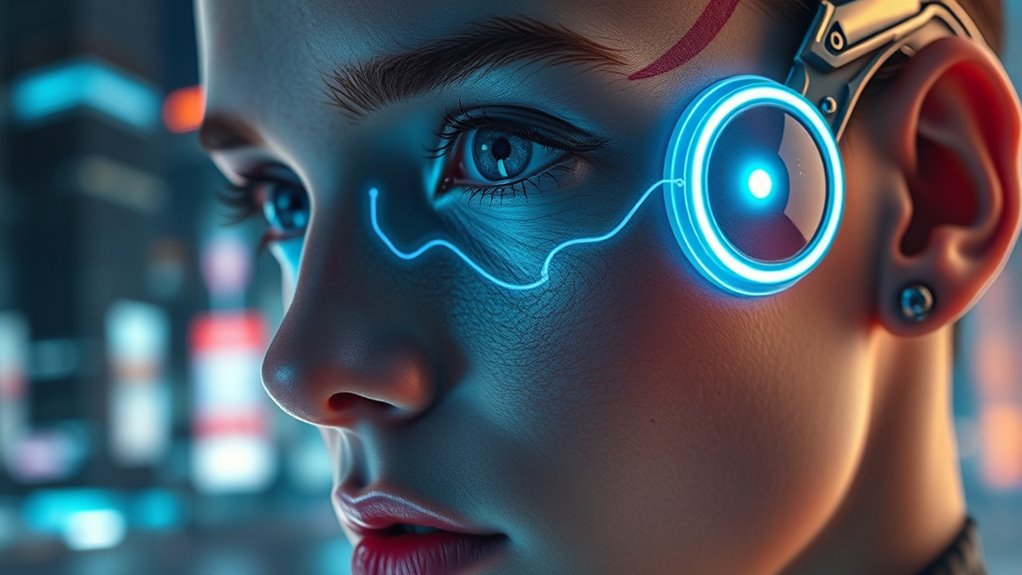
How will the integration of cyborg technologies reshape our cultures and social structures? As these innovations become more common, you’ll see shifts in cultural acceptance—some communities embracing these changes, others resisting them. Cyborg tech could widen societal inequality, creating a divide between those with access and those without. This disparity might reinforce existing social hierarchies or spark new ones, impacting how people connect and compete. You might also notice new norms emerging around body modification and technological enhancement, challenging traditional ideas of identity and normalcy. Ultimately, society will need to confront questions about fairness, inclusion, and what it means to be human. These changes could redefine social cohesion, pushing us to adapt our values and perceptions.
Navigating Identity in a Blurred Biological and Synthetic World
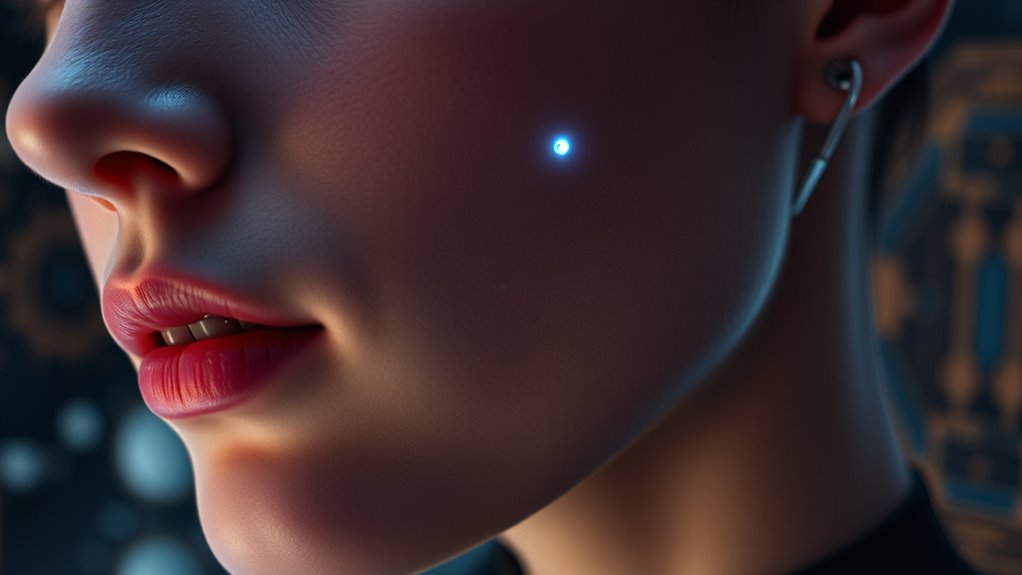
As cyborg technologies become more integrated into daily life, they challenge traditional notions of identity, prompting questions about what it truly means to be human. You may find yourself questioning whether your digital consciousness, enhanced by wearable tech, defines your sense of self. Charting this blurred space involves understanding:
- How synthetic empathy influences your emotional connections with others.
- The impact of integrating biological and synthetic elements on personal identity.
- The evolving definition of consciousness in a hybrid biological-synthetic context.
- Ethical considerations around authenticity and self-perception.
You’re no longer just human; you’re part machine, part mind. Embracing this complexity requires redefining what it means to be authentic, self-aware, and connected in a world where boundaries between flesh and code continue to dissolve.
Frequently Asked Questions
How Do Wearable Implants Affect Human Longevity and Healthspan?
Wearable implants can potentially boost your longevity and healthspan by enhancing biohacking efforts, but you should consider biohacking ethics and implant durability. These devices monitor your health, optimize performance, and detect issues early. However, their long-term effects depend on the quality of the implant and ethical considerations around privacy and consent. Staying informed helps you make responsible choices that support your well-being and future health.
Are There Legal Restrictions on Body Augmentation Technologies?
You might think there are strict laws, but the reality is, regulations on body augmentation tech are still evolving. Governments grapple with privacy concerns and ethical considerations, often lagging behind rapid technological advances. While some countries impose restrictions, others remain more permissive. You should stay informed, because future laws could dramatically impact your ability to enhance, modify, or implant devices in your body, shaping the future of human augmentation.
How Might Wearable Tech Influence Human Cognition and Emotional Experiences?
Wearable tech can considerably influence your cognition and emotional experiences by providing neural enhancement and aiding emotional regulation. You might notice improved focus, memory, or mood stability as these devices help optimize brain function. However, they can also impact your emotional depth, potentially dulling or amplifying feelings. As you integrate such technology, stay aware of how it shapes your mental and emotional well-being, ensuring it supports rather than overrides your natural responses.
Can Implants Be Hacked or Manipulated Remotely?
Yes, implants can be hacked or manipulated remotely, highlighting significant cybersecurity vulnerabilities. Studies show that over 80% of medical device manufacturers have faced security issues. This raises ethical considerations about data privacy and safety. You should be aware that malicious actors could exploit vulnerabilities, potentially controlling or damaging your implant. It’s essential to prioritize security measures and ethical standards to protect users from remote interference and safeguard personal health information.
Will Cyborg Enhancements Create New Social Inequalities?
Yes, cyborg enhancements could deepen social inequalities, as access might be limited to wealthier individuals or groups, creating new social stratification. You might face privacy concerns if enhanced capabilities are tracked or controlled, leading to further disparities between those with and without implants. This technology could widen existing gaps, making it essential to contemplate equitable access and safeguards to prevent increased social divides.
Conclusion
So, congratulations—you’re on your way to becoming a walking, talking gadget, all in the name of progress. Soon, your coffee addiction might be synced directly to your brain, and your social life could be managed by a tiny implant. Just remember, when your tech starts asking for a vacation, don’t blame the machine. After all, who needs human quirks when you can have a perfectly efficient, slightly creepy cyborg version of yourself?
Halloween Picks
halloween
As an affiliate, we earn on qualifying purchases.