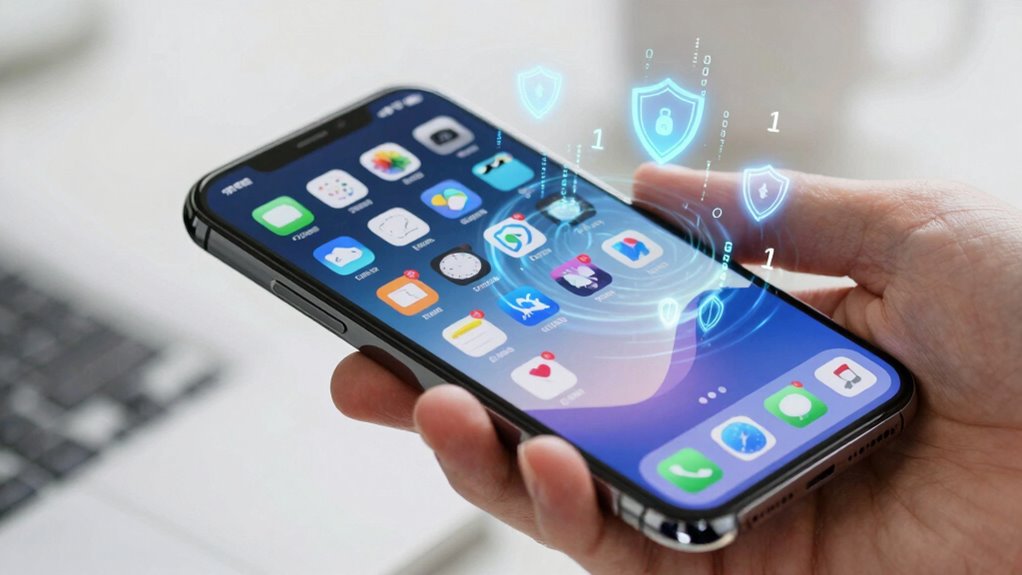

You might wonder if you really need an antivirus app on your phone. While using your device safely, keeping software updated, and avoiding risky links are essential, installing antivirus software adds an extra layer of protection, especially if you handle sensitive data or download from third-party sources. It’s not always necessary for everyone, but understanding the risks and how security tools work can help you decide what’s best—keep exploring to learn more.
Key Takeaways
- Mobile devices are prime targets for cyber threats, making security measures essential.
- Antivirus apps help detect malware, suspicious activity, and analyze app permissions for added protection.
- Good security habits, such as updates and cautious behavior, often reduce the need for dedicated antivirus software.
- Installing antivirus is advisable if handling sensitive data or frequently downloading apps from external sources.
- Future security trends focus on proactive, biometric, and cloud-based solutions, reducing reliance solely on antivirus apps.

4K Outdoor Projector with WiFi and Bluetooth, iSinbox 1500ANSI Portable Projector with Dual-Mode Stand, Smart Short Throw Auto Focus Projector with Netflix/YouTube/PrimeVideo & Dolby
Smart TV Built-In (No Stick Needed) – Ditch the Fire Stick and extra adapters. This smart projector works...
As an affiliate, we earn on qualifying purchases.
Understanding Mobile Threats and Risks
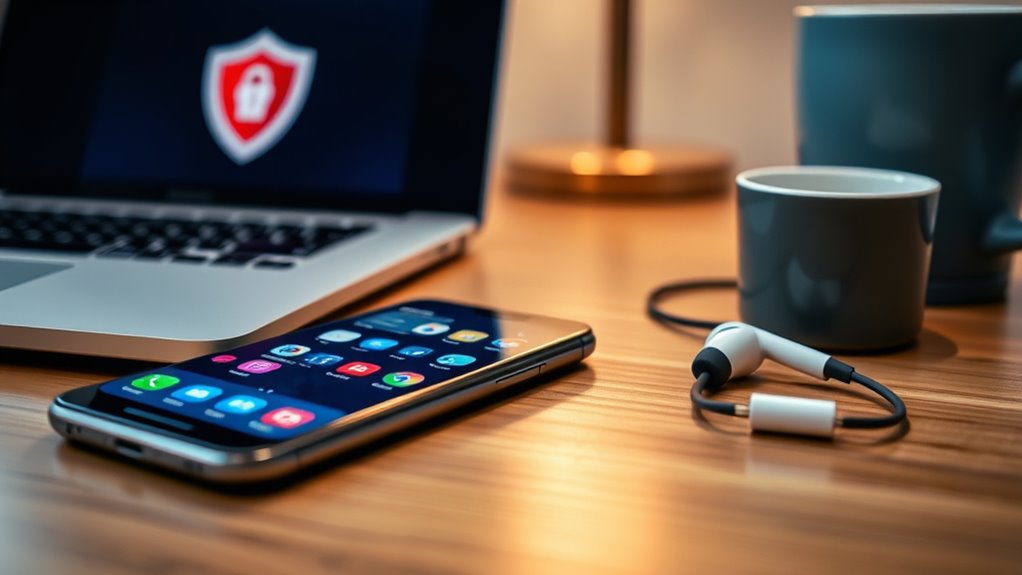
Because mobile devices are now essential for everyday tasks, they’ve become prime targets for cyber threats. Phishing scams often target unsuspecting users through fake links or messages, aiming to steal personal information or login credentials. Malicious Wi Fi networks pose another risk; when you connect to unsecured or compromised networks, hackers can intercept your data or inject malware into your device. These threats can happen without you realizing it, especially if you’re not vigilant. Cybercriminals constantly develop new tactics to exploit mobile vulnerabilities, making it vital to stay aware of these risks. Protecting yourself involves understanding these dangers and practicing safe habits, such as avoiding suspicious links and steering clear of untrusted Wi Fi networks. Additionally, modern security practices like using reputable antivirus or security apps can help safeguard your device against emerging threats. Staying informed about mobile security best practices is crucial to maintaining your safety in the digital landscape. Implementing mobile threat detection tools can further enhance your protection by actively monitoring for suspicious activity, especially as threats evolve with advancements in hacking techniques. Staying updated on security updates and patches is also essential, as they often address known vulnerabilities that cybercriminals might exploit.
Amazon Product B0G4D9NJRX
As an affiliate, we earn on qualifying purchases.
How Antivirus Apps Work on Smartphones
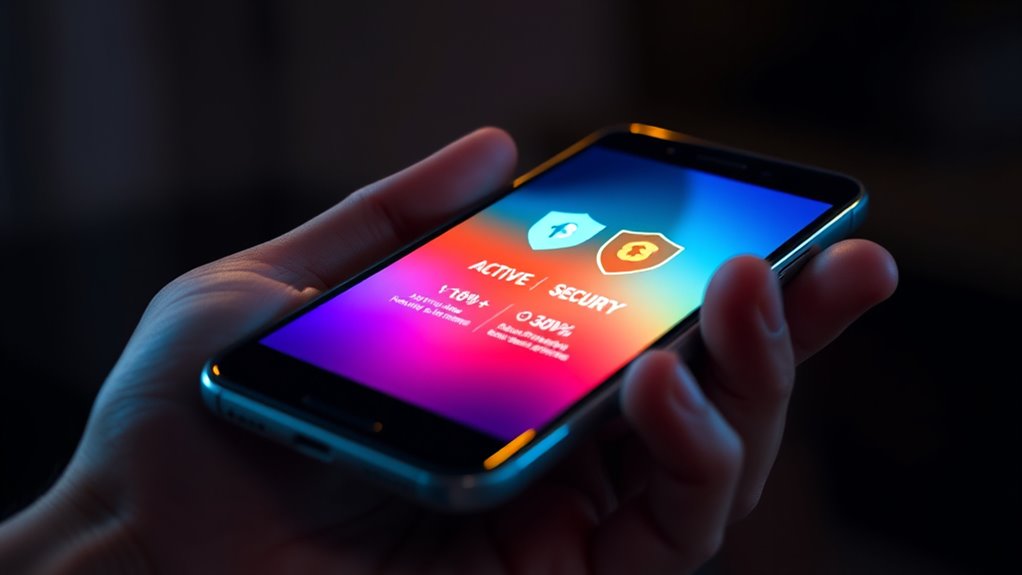
Antivirus apps on your phone use threat detection methods to identify malicious files and suspicious activity quickly. They also analyze app permissions to spot any that seem unnecessary or risky. By combining these techniques, they help keep your device safer from potential threats. Additionally, some apps offer real-time monitoring and automatic updates to stay ahead of emerging security issues. Mobile security and the importance of regular security updates further enhance your device’s protection. Regularly reviewing app permissions and staying informed about new security threats are also key components of maintaining mobile safety. Understanding the infrastructure of your mobile device can also help you better appreciate how these security measures work to protect you.
Threat Detection Methods
Threat detection methods in antivirus apps on smartphones rely on a combination of real-time scanning and signature-based identification to catch malicious software before it can cause harm. Behavior analysis plays a key role, as the app monitors how apps and files behave, flagging unusual activity that could indicate malware. When suspicious behavior is detected, the antivirus sends real-time alerts, allowing you to respond quickly. This proactive approach helps prevent infections by identifying threats early, even if they’re new or previously unknown. Signature-based detection, on the other hand, compares files against a database of known malware signatures, catching threats with established profiles. Together, these methods provide a layered defense, enhancing mobile security, and continuously working in the background to keep your device safe from emerging and existing mobile threats. Connected equipment in smart home gyms exemplifies how layered security measures are essential in protecting digital and physical assets from potential threats.
App Permission Analysis
App permission analysis is a crucial way antivirus apps on smartphones help protect your device. By examining app permissions, these security tools can identify when an app requests access to sensitive data or device features it doesn’t need, safeguarding your user privacy. When you install new apps, they often ask for permissions that could compromise your personal information or device security. Antivirus apps analyze these permissions in real-time, flagging suspicious requests or malicious behaviors. This proactive approach prevents apps from secretly accessing your contacts, location, camera, or microphone without your consent. Additionally, understanding app permissions helps users make informed decisions about which apps to trust. Recognizing the importance of user privacy in mobile security encourages more cautious app management. Being aware of common privacy threats enables users to better identify and avoid risky apps. Ultimately, app permission analysis gives you better control over your privacy and helps prevent potential threats from malicious or poorly designed apps, ensuring your device remains secure and your personal information stays private. Vetted
![[Built-in Apps/4K Support] Smart Outdoor Projector with WiFi and Bluetooth, Movie Projector, DoIby Audio with Dual Speaker, Auto Focus w/ YouTube&PrimeVideo Proyector, Upgrad P62 Pro](https://m.media-amazon.com/images/I/51yAGv8VI7L._SL500_.jpg)
[Built-in Apps/4K Support] Smart Outdoor Projector with WiFi and Bluetooth, Movie Projector, DoIby Audio with Dual Speaker, Auto Focus w/ YouTube&PrimeVideo Proyector, Upgrad P62 Pro
[Upgraded Classic – P62 Pro Movie Projector] Building on the reliability and low return rate of the classic...
As an affiliate, we earn on qualifying purchases.
Common Myths About Mobile Security

Many people believe that mobile security is foolproof or that installing one antivirus app is enough to keep their device safe. This is a common security myth, but it’s simply not true. Myth busting reveals that no single app or method guarantees complete protection. Security myths often lead users to underestimate risks, such as phishing or malware, which can still target your device through seemingly harmless links or downloads. Relying solely on an antivirus app creates a false sense of security. Effective mobile security requires a combination of awareness, regular updates, and cautious behavior. For instance, understanding security vulnerabilities helps users recognize potential threats before they cause harm. Additionally, practicing safe browsing habits and keeping software up to date are vital components of a comprehensive security approach. Staying informed about emerging threats and security best practices empowers users to defend their devices more effectively. Remember, staying informed about these misconceptions helps you avoid dangerous pitfalls and better defend your device against evolving threats. Understanding comprehensive security strategies is essential for truly safeguarding your mobile device.

HAPPRUN 3000 ANSI Lumens Outdoor Projector with Official Google TV, 4K Supported Smart Movie Projector, Dolby Audio, Auto Focus & Keystone, WiFi 6 and Bluetooth for Indoor & Outdoor Movies,Black
[Built-in Google TV with Official Streaming Apps]-Enjoy instant access to 1,000+ apps with built-in Google TV, including Netflix,...
As an affiliate, we earn on qualifying purchases.
Best Practices for Protecting Your Phone Without Antivirus

Protecting your phone doesn’t have to rely solely on antivirus apps; instead, adopting good habits can considerably reduce your risk. Always keep your software and apps updated to patch security vulnerabilities. Use data encryption features to protect sensitive information in case your device is lost or stolen. Be cautious when downloading files or clicking links, as these can introduce malware. Regularly review app permissions to prevent unnecessary access to your data. If you suspect malware, perform a malware removal process promptly, removing any suspicious apps or files. Avoid connecting to unsecured Wi-Fi networks and use a VPN when browsing sensitive sites. These practices help secure your device proactively, minimizing threats without needing dedicated antivirus software. Additionally, understanding home charging safety practices can help you protect your EV-related devices and infrastructure from cyber threats. Staying informed about mobile device security best practices enables you to recognize emerging risks and respond effectively. Implementing cybersecurity awareness training can further empower you to identify and avoid potential threats before they compromise your device.
When and Why You Should Consider Antivirus Software
While good habits considerably reduce your risk, there are situations when installing antivirus software becomes a wise choice. If your device handles sensitive data or you frequently download apps beyond official stores, antivirus protection can help. Weak app store policies sometimes let malicious apps slip through, and relying solely on device encryption isn’t enough. Consider antivirus software if you notice unusual activity, slow performance, or if your device has been lost or stolen. It adds a layer of security, guarding against threats that bypass basic protections. For peace of mind, evaluate your security vulnerabilities and needs carefully. Additionally, understanding threat detection can help you make informed decisions about your device protection. Recognizing the importance of net worth in assessing overall security investments can also be beneficial. Being aware of potential vulnerabilities in your device setup enables more proactive security measures.
Choosing the Right Security Tools for Your Device
Choosing the right security tools for your device can seem overwhelming, but focusing on your specific needs makes it manageable. Start by evaluating your usage habits and the level of protection you require. Password management apps help you create strong, unique passwords and store them securely, reducing the risk of breaches. Device encryption is essential for safeguarding your data if your phone is lost or stolen, as it renders your information unreadable without the proper credentials. Consider security tools that integrate password management and device encryption seamlessly, ensuring comprehensive protection without complicating your daily routine. Select apps that are reputable, regularly updated, and compatible with your device. By tailoring your security setup, you can effectively shield your personal information without unnecessary complexity.
Future Trends in Mobile Security and Protection

As mobile technology continues to evolve rapidly, the future of security and protection on smartphones will rely heavily on advanced, integrated solutions. Biometric authentication, such as fingerprint scans and facial recognition, will become more sophisticated, providing seamless and secure access. You’ll also see a shift toward cloud-based security, which offers real-time threat detection and automatic updates without draining your device’s resources. These technologies will work together to create a more resilient defense system, reducing reliance on traditional antivirus apps. Future mobile security will focus on proactive protection, making it easier for you to safeguard sensitive information effortlessly. As threats grow smarter, your device’s security will need to adapt quickly, ensuring your privacy remains protected in an increasingly connected world.
Frequently Asked Questions
Can Free Antivirus Apps Provide Adequate Protection for Smartphones?
Free antivirus apps can offer basic smartphone protection, but they often lack advanced features found in paid versions. While they can help detect malware and protect against some threats, they may not provide extensive security for your device. If you’re concerned about sensitive data or frequent online activity, investing in a reputable paid antivirus app is a smarter choice for more reliable smartphone protection.
Are There Specific Signs Indicating My Phone Has Been Infected?
Yes, your phone might be infected if you notice malware symptoms like rapid battery drain, unusual pop-ups, or apps crashing unexpectedly. Suspicious activity, such as unknown contacts or messages, can also indicate malware infection. Keep an eye out for these signs, and if you spot them, run a security scan and consider removing suspicious apps. Staying alert helps protect your phone from potential threats.
How Do I Identify Trustworthy Security Apps From Malicious Ones?
You can identify trustworthy security apps by checking their app reputation on official stores and review sites. Look for high ratings and positive user feedback. Also, perform permission analysis—trustworthy apps request only necessary permissions, avoiding unnecessary access to your personal data. Avoid apps with vague descriptions or excessive permissions. This way, you guarantee your phone’s security without risking malicious software disguised as legitimate security tools.
Does Rooting or Jailbreaking My Device Affect Security Measures?
Sure, rooting or jailbreaking your device makes it easier to customize, but it also weakens your security. It exposes your device to malware and unauthorized access, ironically making your device more vulnerable despite all that control. Plus, it often voids your warranty, leaving you unprotected if something goes wrong. So, if you value security and support, think twice before taking that risky leap into full device customization.
What Are the Legal Implications of Using Certain Security Tools?
Using certain security tools can have legal implications if they violate laws like privacy regulations or software licensing agreements. You need to confirm your actions comply with legal standards to avoid penalties. Be mindful of privacy concerns, especially when tools access personal data. Always verify that your security measures respect legal compliance, as unauthorized access or data interception could lead to legal trouble. Stay informed to protect both your device and yourself.
Conclusion
Ultimately, your phone is the lighthouse guiding your digital life through turbulent seas. While antivirus apps can act as sturdy anchors, trusting your habits and awareness keeps your device afloat. Stay vigilant, explore secure shores, and don’t let unseen storms catch you off guard. By balancing caution with the right protections, you steer your digital vessel safely, ensuring your journey remains smooth and secure amidst the ever-changing waves of mobile threats.