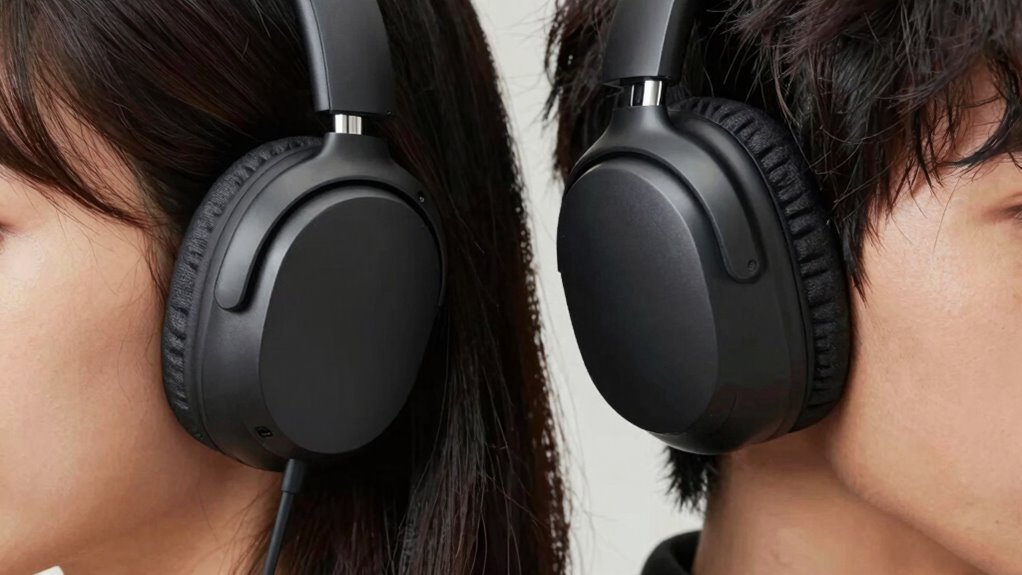
If you’re looking for long-term comfort, over-ear headphones are usually the better choice. They distribute pressure evenly around your ears, reduce soreness, and allow better airflow, preventing heat and sweat buildup. On-ear models sit directly on your ears, which can cause fatigue and discomfort over time. Weight and fit also matter—over-ear options tend to be bulkier but offer better pressure distribution. Keep exploring to see which design truly suits your listening habits.
Key Takeaways
- Over-ear headphones distribute pressure evenly around the ears, reducing soreness during long listening sessions.
- On-ear models are lighter and more compact, making them easier to wear comfortably for extended periods.
- Over-ear designs allow better airflow, decreasing heat buildup and sweating over time.
- On-ear headphones may cause discomfort due to direct pressure on the ears if not properly adjustable.
- Breathable padding and adjustable headbands enhance comfort for both styles during prolonged use.
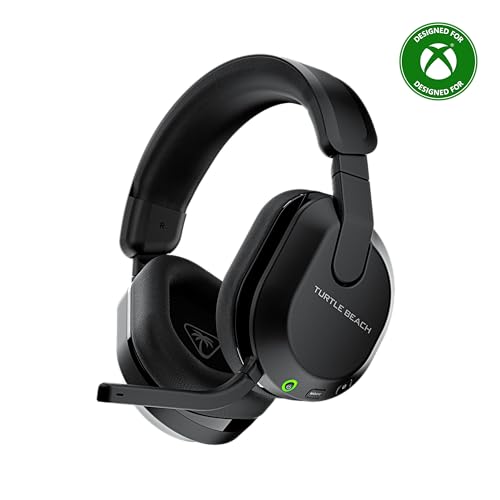
Turtle Beach Stealth 600 Wireless Gaming Headset for Xbox, PS5, PC, Mobile
Memory Foam Cushions with Glasses-Friendly Technology
As an affiliate, we earn on qualifying purchases.
Comparing the Fit and Pressure
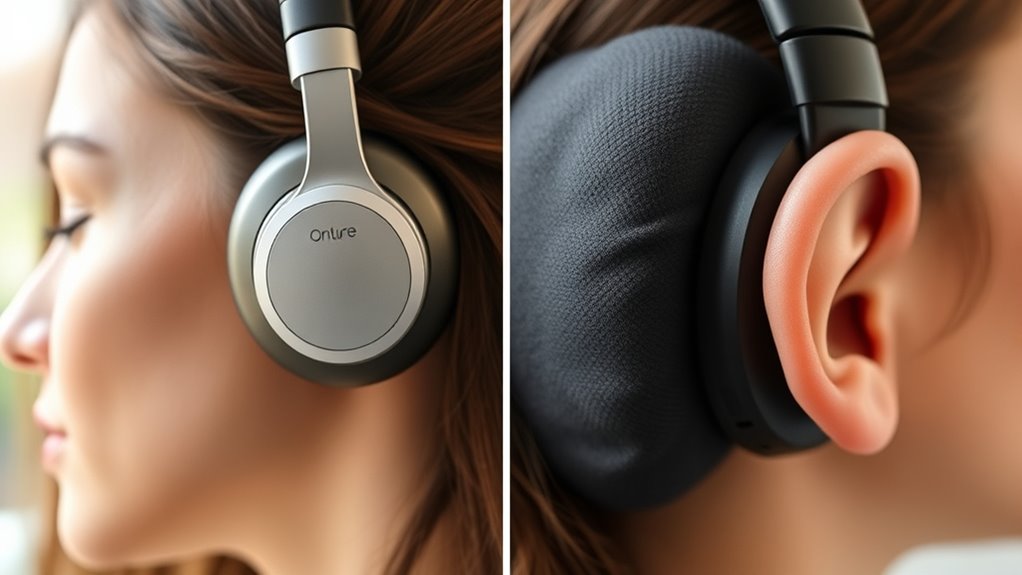
When comparing on-ear and over-ear headphones, the fit and pressure play an essential role in your listening experience. The earcup materials markedly influence comfort; softer padding and breathable fabrics reduce pressure and prevent discomfort over time. Over-ear headphones often feature larger earcups that distribute pressure evenly around your ears, minimizing fatigue. In contrast, on-ear models press directly on your ears, which can cause soreness if the fit isn’t adjustable. That’s where headphone adjustability becomes pivotal. Look for models with adjustable headbands and flexible earcup positioning to find a snug yet comfortable fit. Proper adjustability ensures the headphones sit securely without excessive pressure, allowing you to enjoy longer listening sessions without discomfort. Additionally, considering piercing care and hygiene principles can help prevent irritation if you wear earrings or piercings while using headphones. Recognizing ergonomic design in headphones can further enhance comfort during extended use, especially when combined with proper fit techniques that reduce strain. The weight of the headphones also impacts comfort, as lighter models tend to cause less fatigue during prolonged use. Incorporating features like ventilation or breathable materials can further improve comfort by reducing heat buildup around your ears during long listening periods.
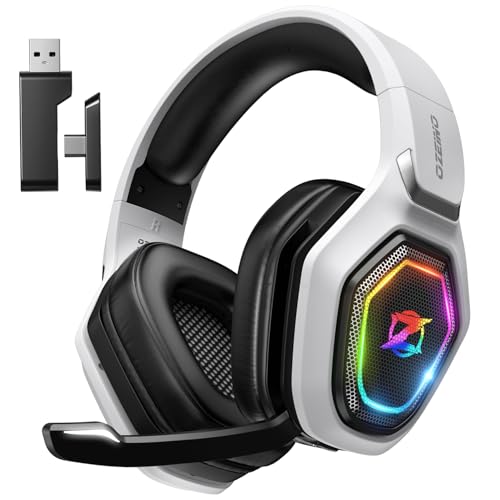
Ozeino 2.4GHz Wireless Gaming Headset for PC, Ps5, Ps4 - Lossless Audio USB & Type-C Ultra Stable Gaming Headphones with Flip Microphone, 40-Hr Battery Gamer Headset for Switch, Laptop, Mobile, Mac
【Amazing Stable Connection-Quick Access to Games】Real-time gaming audio with our 2.4GHz USB & Type-C ultra-low latency wireless connection....
As an affiliate, we earn on qualifying purchases.
Assessing Heat and Sweating Factors
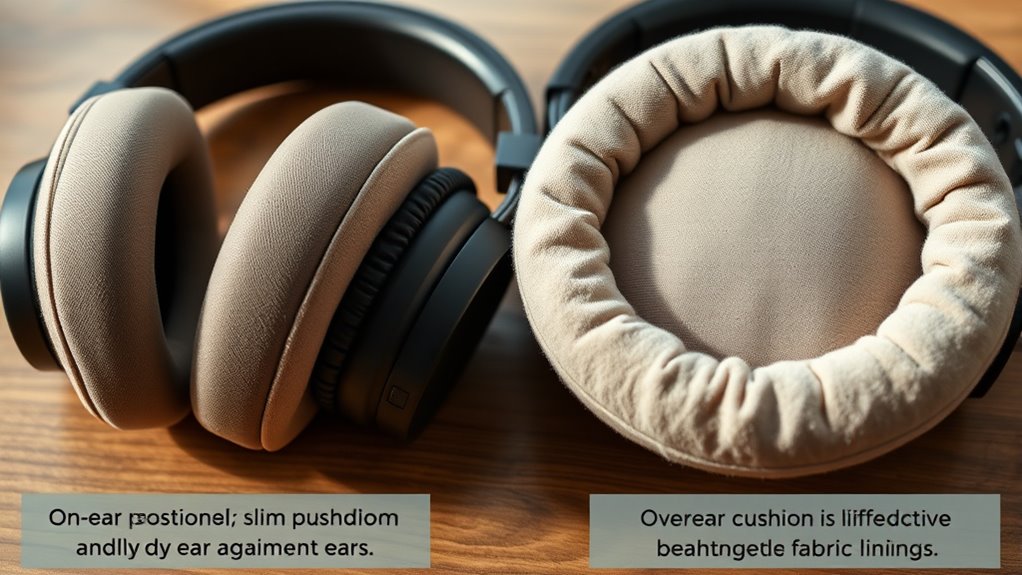
Heat buildup and sweating are important considerations when choosing between on-ear and over-ear headphones, especially if you plan to wear them for extended periods. On-ear headphones can press against your ear canal and forehead more directly, trapping heat and causing sweating. Over-ear models generally cover your entire ear, allowing better airflow and reducing heat accumulation. Additionally, headband tension plays a role—if it’s too tight, it can increase heat and pressure, making you sweat more quickly. Looser headbands promote better air circulation but might slip during long listening sessions. To maximize comfort, opt for headphones with breathable padding and adjustable headbands, especially if you tend to sweat or wear headphones for hours at a time. Proper ventilation in the design can also help mitigate heat buildup and enhance overall comfort during long listening sessions.

Logitech G321 Lightspeed Wireless Bluetooth Gaming Headset, Dynamic Comfort and fit, 16 kHz Boom mic, 20+ hrs Battery, PC, PS4, PS5, Nintendo Switch, Mobile - Black
Dynamic comfort and fit: Wireless headset with mic that’s engineered for lightweight comfort (210 g) with thick headband,...
As an affiliate, we earn on qualifying purchases.
Evaluating Weight and Bulkiness
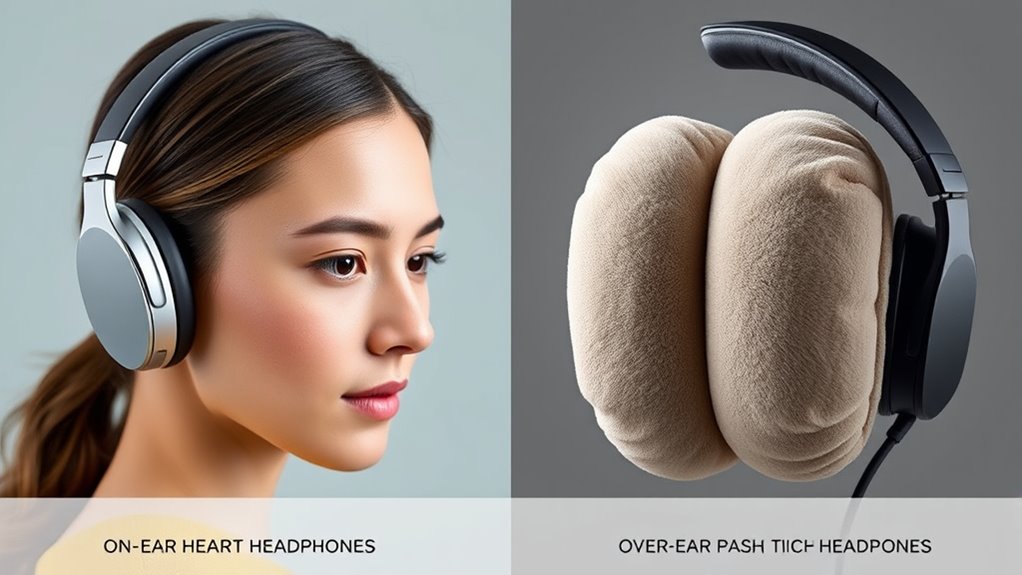
Choosing between on-ear and over-ear headphones often hinges on weight and bulkiness, which directly impact comfort and portability. Over-ear models tend to be larger, with bigger headphone size that can add to their weight, making them feel bulkier during extended wear. Earcup materials play a significant role here; lightweight foam or breathable fabrics reduce overall weight, while dense plastics or metals increase it. On-ear headphones are generally more compact and lighter, making them easier to carry around and less cumbersome for long sessions. Over-ear designs, while offering better sound isolation, tend to be heavier due to their size and materials used. Additionally, headphone design influences how weight distribution affects overall comfort during prolonged use. Selecting headphones with adjustable bands or ergonomic features can further improve comfort during long listening periods. Incorporating ergonomic design principles can help distribute weight more evenly, reducing fatigue during extended use. For example, weight distribution is crucial for maintaining comfort over long durations. Properly designed padding and headbands can also alleviate pressure points and enhance comfort. Weighing these factors will help you choose a pair that balances comfort with practicality for long listening periods.
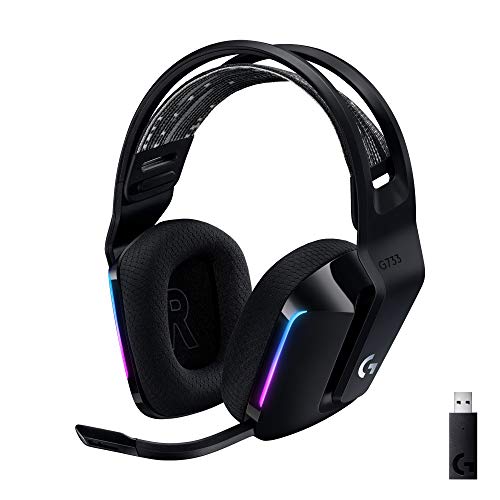
Logitech G733 Lightspeed Wireless Gaming Headset, Suspension Headband, Lightsync RGB, Blue VO!CE Mic, PRO-G Audio – Black, Gaming Headset Wireless, PC, PS5, PS4, Switch Compatible
Personalize your Logitech wireless gaming headset lighting with 16.8M vibrant colors. Enjoy front-facing, dual-zone Lightsync RGB with preset...
As an affiliate, we earn on qualifying purchases.
Considering Ear Fatigue and Pressure Points
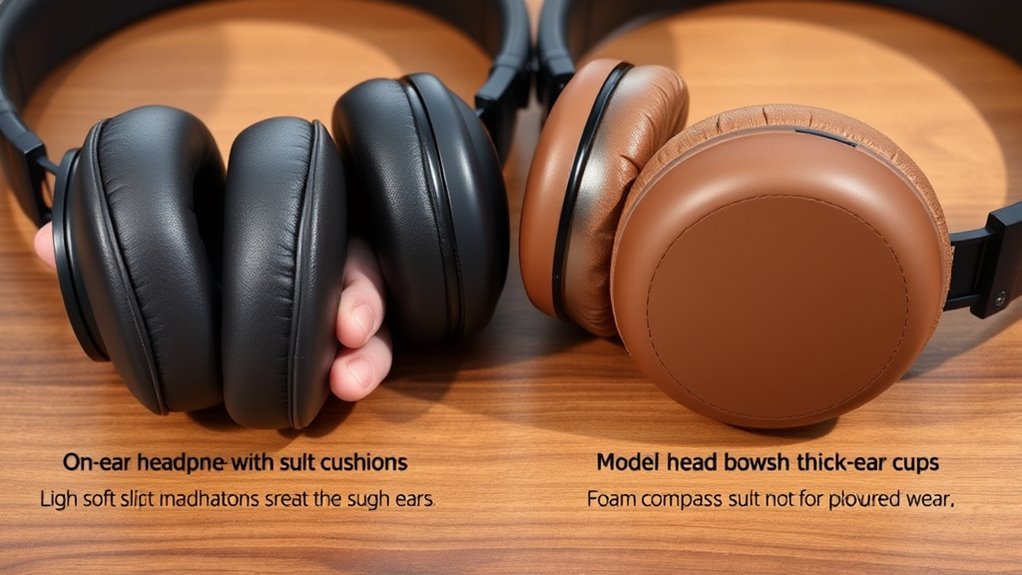
Considering ear fatigue and pressure points is essential because uncomfortable headphones can ruin your listening experience, especially over extended periods. If your headphones don’t prioritize ear canal comfort, you might experience soreness or irritation after a short while. Over-ear models distribute pressure more evenly across your head and around your ears, reducing localized pressure points that cause discomfort. On-ear headphones, however, rest directly on your ears, which can create uneven pressure and lead to fatigue faster. To avoid this, look for designs with padded, flexible ear cups that contour to your head. Proper pressure distribution minimizes strain, helping you enjoy longer listening sessions without pain or discomfort. Design features like adjustable headbands and plush padding can significantly enhance comfort during prolonged use. Prioritizing these aspects guarantees your headphones remain comfortable, even during hours of continuous use.
Analyzing Sound Isolation and External Noise Reduction
Sound isolation and external noise reduction play a crucial role in your overall listening experience, especially if you often find yourself in noisy environments. Over-ear headphones generally offer better sound isolation because their ear cups fully cover your ears, reducing sound leakage and blocking out external noise. On-ear headphones, however, sit on your ears, which means they might allow more sound to escape and less noise to be blocked. If portability is a priority, on-ear models are more compact and lightweight, making them easier to carry around. Keep in mind that better sound isolation enhances audio quality and minimizes distractions, but it can also lead to a feeling of being cut off from your surroundings. Choose based on your environment and how much external noise you need to block out. Additionally, field‑of‑view and imaging‑scale considerations from deep-sky imaging demonstrate how coverage and clarity impact the overall experience.
Frequently Asked Questions
Do On-Ear or Over-Ear Headphones Cause More Ear Infections?
On-ear headphones may pose a slightly higher ear infections risk because they sit directly on your ears, trapping sweat and heat, which can promote bacteria growth. Over-ear models tend to be more hygienic since they don’t touch your ear canal. To reduce risk, clean your headphones regularly and practice good hygiene. Overall, maintaining hygiene considerations is key to preventing ear infections regardless of the type you choose.
How Do Headphone Materials Impact Long-Term Comfort?
The materials of your headphone earcups greatly influence long-term comfort. Soft padding provides a gentle feel and reduces pressure, making extended use more pleasant. Earcup materials like memory foam and breathable fabrics prevent overheating and sweating, enhancing comfort over hours. Choosing headphones with plush padding and breathable earcup materials guarantees you stay comfortable during long listening sessions, avoiding discomfort or irritation. Always prioritize quality materials for prolonged wear.
Are There Specific Brands Known for Comfortable Long-Term Use?
You’ll find that brands like Bose, Sony, and Sennheiser prioritize headphone ergonomics and use quality earcup materials, making long-term comfort a reality. Their designs cradle your ears gently, reduce pressure, and breathe easily, creating a seamless listening experience. These brands focus on lightweight builds and plush padding, ensuring your head and ears stay comfortable, even after hours of use. Trust their craftsmanship to deliver comfort that lasts.
Can Custom-Fit Headphones Improve Comfort During Extended Listening?
Custom-fit headphones can definitely improve your comfort during long listening sessions. Look for models with adjustable headbands and soft, high-quality ear padding that molds to your head shape. These features help distribute pressure evenly and reduce fatigue, making extended wear more pleasant. When you tailor the fit, you’ll enjoy better sound isolation and less discomfort, so your listening experience stays enjoyable without hurting your ears or head.
How Does Headphone Design Affect Ear Pressure Distribution?
Think of your headphones as a delicate bridge supporting your ears. The design impact on pressure distribution determines how evenly that pressure spreads across your head, preventing discomfort. On-ear models tend to focus pressure on the ears, while over-ear designs distribute it more broadly, easing strain. Properly designed headphones balance pressure, reducing fatigue, and making long listening sessions feel more like a gentle breeze than a heavy load.
Conclusion
Choosing between on-ear and over-ear headphones is like selecting a trusted companion for your journey. Over-ear models act as a fortress, shielding you from distractions, while on-ear headphones are like a gentle handshake, offering comfort with less bulk. Ultimately, your choice reflects your personal voyage—whether you seek immersive silence or lightweight ease. Whichever you pick, remember, the right fit turns your listening experience into a harmonious escape from the chaos.