
Choosing between a zoom lens and a prime lens depends on your photography style and goals. Zooms offer quick versatility and cover multiple focal lengths, making them great for dynamic scenes. Primes, with their sharper image quality and wider apertures, encourage thoughtful composition and better low-light performance. If you’re starting out, consider your budget and how you like to shoot. Keep exploring, and you’ll discover which lens suits your creative journey best.
Key Takeaways
- Zoom lenses offer versatility and convenience for beginners by covering multiple focal lengths without changing lenses.
- Prime lenses provide higher image quality, better low-light performance, and encourage thoughtful composition and movement.
- Zoom lenses tend to be more expensive but reduce gear changes; primes are generally more affordable and easier to maintain.
- Prime lenses help develop fundamental skills with fixed focal lengths, while zooms are ideal for spontaneous, fast-paced shooting.
- For beginners, choosing depends on budget, photography style, and desire to learn basic techniques versus versatility.
Top picks for "lens zoom prime"
Open Amazon search results for this keyword.
As an affiliate, we earn on qualifying purchases.
Understanding the Basic Differences Between Zoom and Prime Lenses
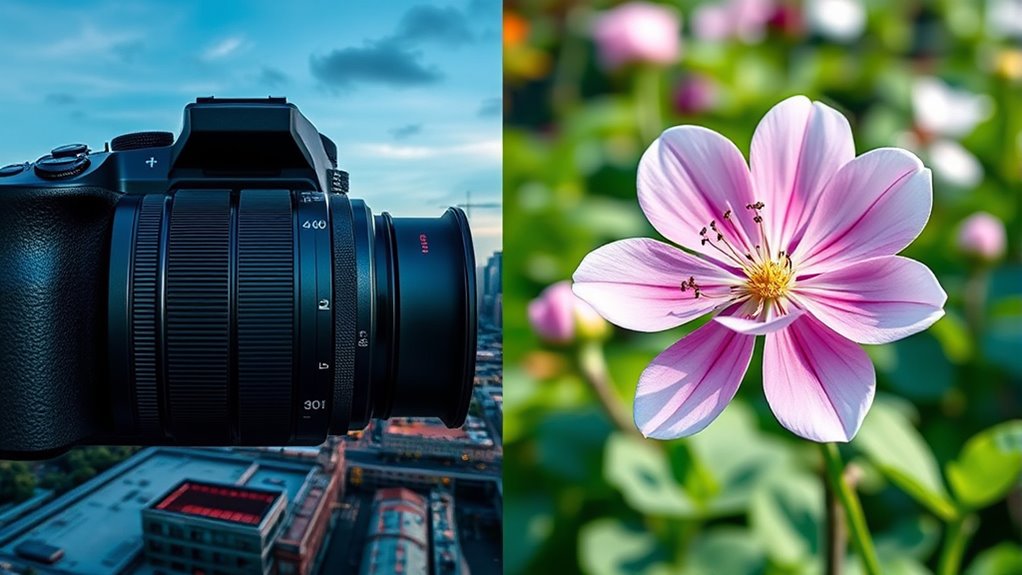
Understanding the basic differences between zoom and prime lenses is essential for choosing the right tool for your photography. A zoom lens offers variable focal lengths, allowing you to adjust the zoom level without changing lenses, giving you flexibility in different shooting situations. Prime lenses, on the other hand, have a fixed focal length, meaning you can’t zoom in or out. When selecting a lens, consider the focal length you need for your subjects, whether wide-angle or portrait-focused. Aperture size also varies; prime lenses often have larger apertures, enabling more light intake and better low-light performance. This larger aperture can produce a shallower depth of field, giving your photos a pleasing background blur. Additionally, contrast ratio plays a role in how well your images display detail and depth, especially in darker scenes, which is an important consideration when choosing your camera equipment. Understanding these differences helps you make informed choices based on your shooting style, and considering lens quality can further enhance your overall image results. Moreover, being aware of interior design principles such as mood boards and narrative storytelling can inspire creative approaches in your photography compositions. Recognizing the importance of lens ergonomics can also improve your comfort and handling during shoots, leading to better results. A thoughtful selection considering image stabilization features can also help achieve sharper images, especially in challenging conditions.
Advantages of Using a Zoom Lens for Beginners
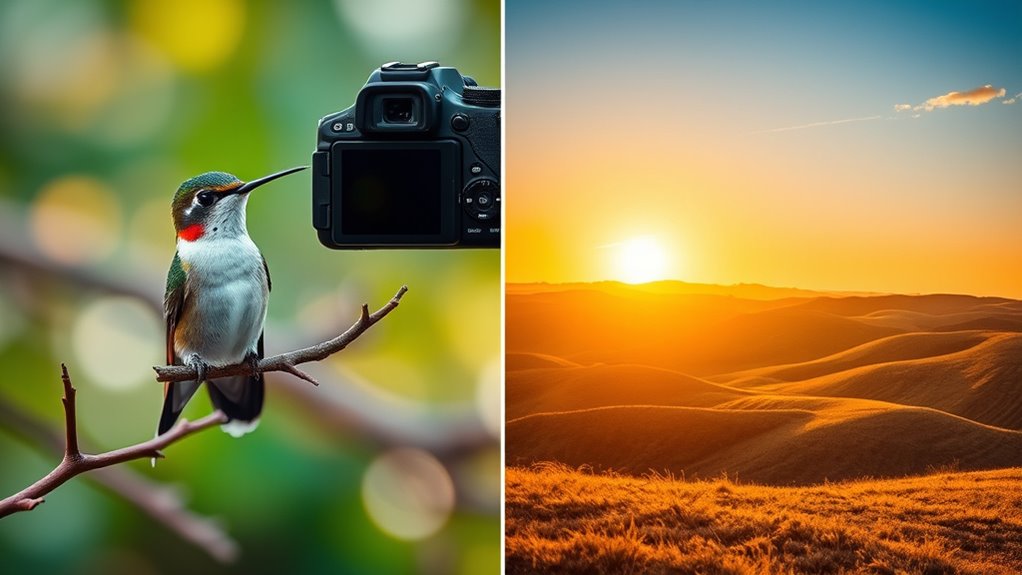
A zoom lens gives you the flexibility to capture a variety of shots without switching lenses, making it ideal for beginners. It reduces the need to carry multiple lenses and switch them frequently, saving time and effort. Plus, zoom lenses are often more cost-effective, offering multiple focal lengths in one package. Additionally, high-quality home decor and gift ideas can be highlighted through versatile zoom lenses, helping beginners capture detailed and dynamic images of your products.
Versatile Shooting Options
Because zoom lenses cover a range of focal lengths in one lens, they give you the flexibility to adapt quickly to different shooting situations. This versatility allows you to experiment with various compositions without changing lenses, saving time and effort. You can easily adjust your framing and zoom in or out to capture the perfect shot. Additionally, zoom lenses often have a wide aperture range, enabling you to control depth of field creatively—blurring backgrounds or keeping everything sharp. This means you can handle different lighting conditions and subject distances more effectively. Whether you’re shooting landscapes, portraits, or candid moments, a zoom lens offers the versatile shooting options you need to be more spontaneous and confident behind the camera.
Fewer Lens Changes
Fewer lens changes can considerably benefit beginners by making the shooting process simpler and less stressful. When you use a zoom lens, you don’t need to switch between multiple lenses, which reduces the risk of accidentally damaging your gear. This also means your camera’s lens durability is less likely to be compromised from frequent handling. Additionally, choosing a reputable brand can guarantee your zoom lens maintains quality and reliability over time, giving you confidence during shoots. Less lens swapping minimizes distractions and keeps your focus on capturing the perfect shot. This streamlined approach not only saves time but also boosts your confidence as a beginner, allowing you to concentrate on developing your skills without worrying about equipment mishaps or frequent adjustments. Moreover, understanding the Free Floating lens concept can help you appreciate how a versatile zoom lens offers flexibility without the need for constant gear changes. Recognizing the versatility of zoom lenses can further enhance your ability to adapt to different shooting scenarios efficiently.
Cost-Effective Solution
Using a zoom lens can be a highly cost-effective choice for beginners since it combines multiple focal lengths into one versatile piece of equipment. Instead of investing in several prime lenses, you get the flexibility to shoot wide, telephoto, and everything in between with a single lens. This not only saves money but also reduces the need for frequent lens changes, which can wear out lens durability over time. Additionally, many zoom lenses feature a variable aperture size, offering decent light-gathering ability across different focal lengths without the need for multiple fast primes. This makes them suitable for various shooting conditions while keeping costs manageable. Overall, a zoom lens provides a practical, budget-friendly option for beginners looking to explore different photography styles without breaking the bank. Understanding lens durability can help you choose a model that balances cost and longevity. Moreover, lens versatility allows beginners to experiment with different compositions and subjects without switching equipment frequently. Incorporating energetic alignment in your approach to choosing gear can enhance your overall photography experience by aligning your intentions with your equipment choices. Recognizing the importance of light management can also help you adapt to different environments effectively.
Benefits of Starting With a Prime Lens for New Photographers

Starting with a prime lens can be a smart choice for new photographers because it encourages you to move around and think more carefully about composition. Since prime lenses have a fixed focal length, you’re less likely to rely on zooming and instead focus on framing your shot. This helps improve your overall photography skills. Additionally, prime lenses are often simpler to maintain, making lens maintenance easier and more straightforward. They tend to be more compact and lightweight, which makes handling your camera more comfortable. Before purchasing, verify your camera is compatible with the prime lens you choose to avoid any compatibility issues. Overall, starting with a prime lens helps you develop a strong foundation in photography basics while offering reliable performance.
Flexibility and Versatility: Which Lens Offers More?
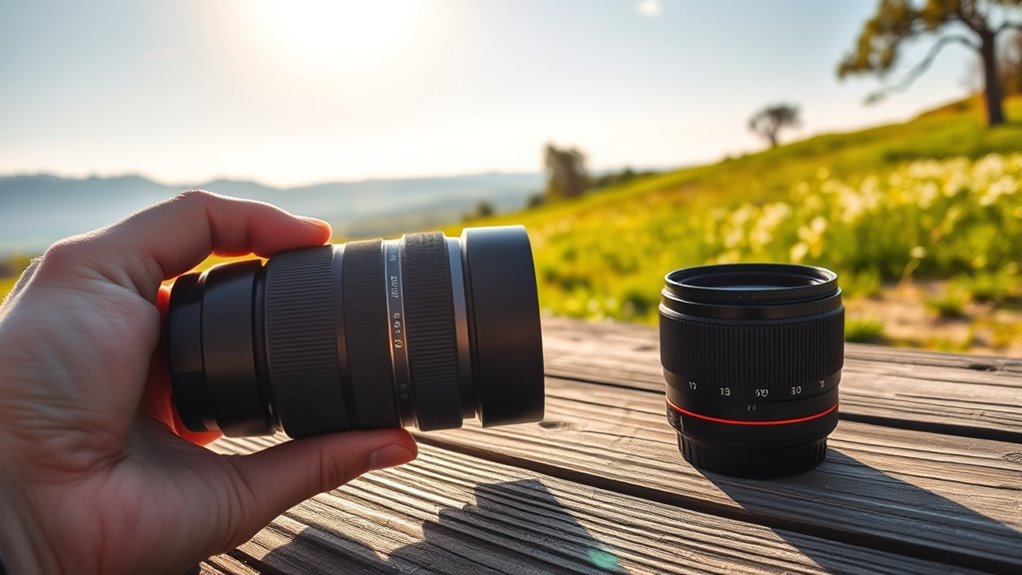
When it comes to flexibility and versatility, zoom lenses generally offer more options than prime lenses because they cover a range of focal lengths in a single lens. This means you can quickly adapt to different scenes without changing lenses, making your shooting process smoother. Additionally, zoom lenses often have durable build quality, enhancing lens durability for various environments. Their autofocus speed is typically faster or comparable, allowing you to capture fleeting moments with ease. Prime lenses, while offering sharpness and low-light advantages, lack this versatility because you’re limited to one focal length. If you value being able to switch compositions on the fly and prefer a more adaptable setup, a zoom lens provides greater lens versatility for your photography needs. Moreover, many zoom lenses are designed with versatile features that further support diverse shooting conditions, making them a popular choice for beginners seeking convenience. Recognizing the astrological influences on personality traits can also inspire confidence in trying new creative techniques with your lens choices.
Image Quality and Sharpness: What to Expect From Each Type

Prime lenses are renowned for their exceptional image quality and sharpness, often surpassing zoom lenses in these areas. They deliver higher image resolution, capturing finer details with clarity. You’ll notice a shallower depth of field, helping your subject stand out against blurred backgrounds. This makes primes ideal for portraits and detail shots. Conversely, zoom lenses may slightly compromise sharpness at their extremes, but they offer versatility for different compositions. To illustrate:
| Feature | Prime Lens | Zoom Lens |
|---|---|---|
| Image Resolution | Higher, crisper details | Slightly lower, variable quality |
| Depth of Field | Shallower, more background blur | Deeper, more context |
| Sharpness | Consistently sharp | Varies across zoom range |
| Versatility | Limited, fixed focal length | Flexible, multiple focal lengths |
Additionally, prime lenses tend to have fewer optical elements, which can reduce distortions and aberrations, resulting in better image clarity. This streamlined optical design often leads to improved image quality overall. Moreover, their optical simplicity contributes to better performance in low-light conditions and less chromatic aberration. The reduced number of elements also means less potential for optical distortions, enhancing overall image fidelity. Incorporating lens design principles, primes are often optimized for specific focal lengths, further improving their sharpness and clarity.
Price Range and Budget Considerations for Beginners

For beginners, choosing between prime and zoom lenses often comes down to budget considerations, as lens prices can vary considerably. A more affordable prime lens typically costs less but offers limited versatility. Conversely, zoom lenses can be pricier but provide greater flexibility for different situations. When evaluating options, consider these points:
- Entry-level prime lenses are usually budget-friendly and easy to maintain.
- Zoom lenses often require more investment but reduce the need to buy multiple lenses.
- Lens maintenance costs can add up over time, especially for complex zooms.
- Ensure the lens is compatible with your camera model to avoid additional expenses.
- Considering the types of body piercings you might want in the future can influence the choice of camera gear, as both require proper care and maintenance.
- Understanding the differences in focal lengths between prime and zoom lenses can help you select the right tool for your photography style.
- Familiarity with toilet flushing mechanisms can also be useful in understanding how different camera components work together to achieve optimal results.
- Additionally, exploring the diverse herbal traditions can inspire creative approaches to your photography projects.
- Being aware of the current trends in credit card insights can help you budget more effectively for your photography equipment purchases.
Size, Weight, and Convenience for Travel and Daily Use
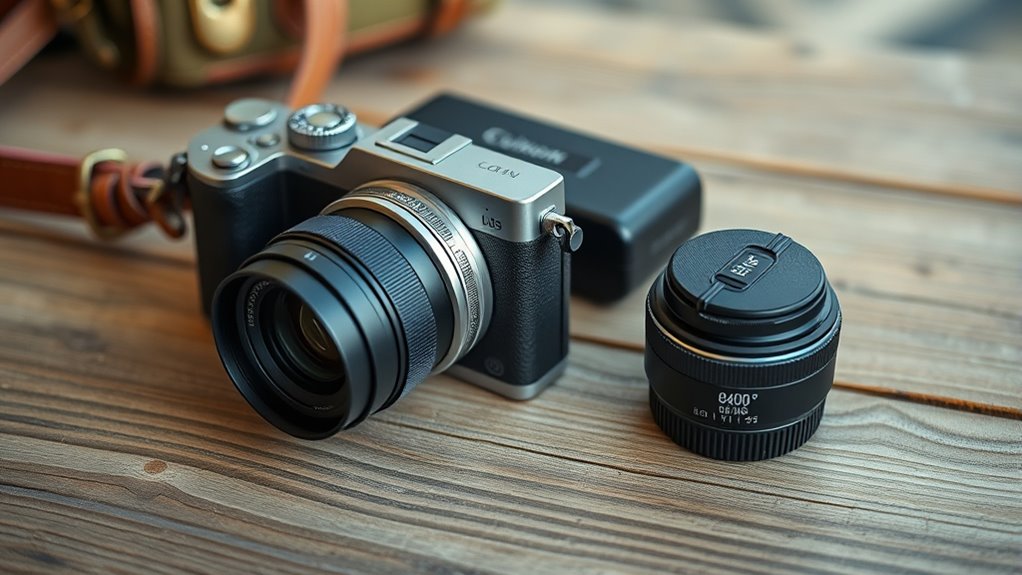
Choosing the right lens for travel and daily use means considering how its size and weight impact your mobility. Zoom lenses tend to be larger and heavier because of their versatile lens focal lengths, which cover a range of distances. This can make them less convenient for quick shots or long outings. Prime lenses, on the other hand, are typically smaller and lighter, making them easier to carry around. When selecting a lens, verify it’s compatible with your camera to avoid compatibility issues. A compact prime lens might be perfect for everyday photography, while a zoom lens offers flexibility without carrying multiple lenses. Ultimately, balancing size, weight, and camera compatibility helps you capture moments comfortably and efficiently during your daily adventures. Additionally, considering repair and maintenance aspects can help ensure your camera equipment stays in optimal condition for your photography needs. Regularly inspecting and cleaning your lenses can extend their lifespan and maintain image quality, which is an important part of camera care.
Creative Opportunities and Limitations of Zoom and Prime Lenses
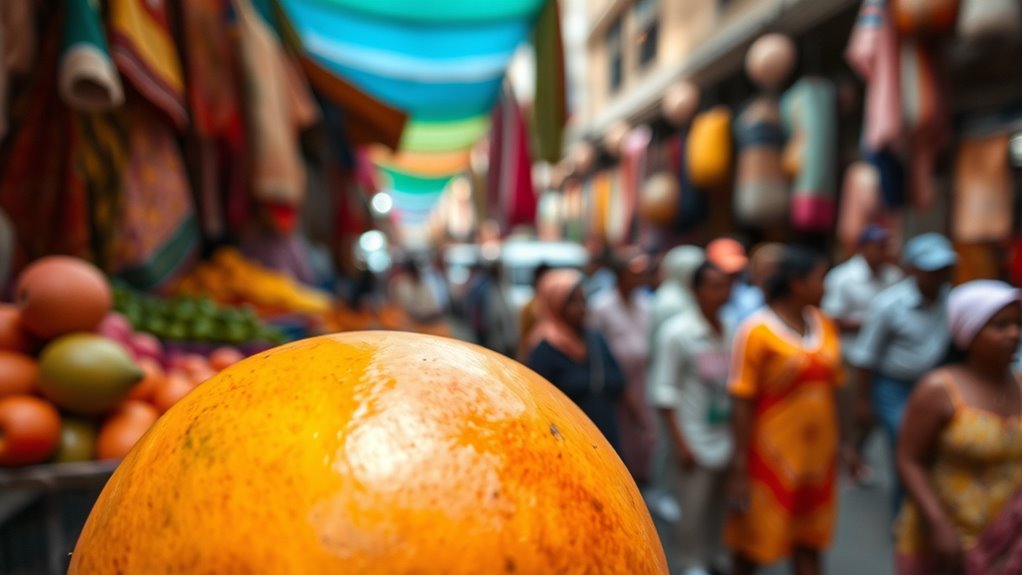
While both zoom and prime lenses offer unique creative possibilities, each also imposes certain limitations on your photographic expression. With a zoom lens, you can quickly change focal lengths, enabling versatile framing and dynamic compositions. However, this flexibility can restrict your control over depth of field, especially at wider focal lengths. Conversely, prime lenses excel at producing sharp images with a shallow depth of field, allowing you to isolate subjects creatively. But their fixed focal length limits your composition options, requiring physical movement.
You can leverage zoom lenses for:
- Capturing spontaneous moments with adaptable focal lengths
- Creating depth by adjusting focal length to control background blur
- Exploring different perspectives easily
- Emphasizing subject isolation through prime lenses’ shallow depth of field
Making the Right Choice Based on Your Photography Goals
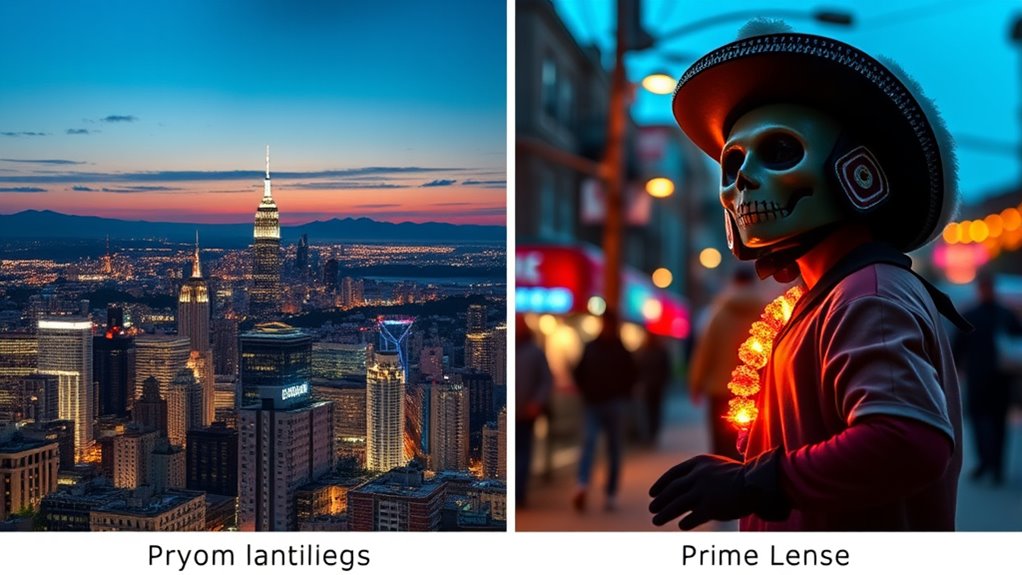
Choosing the right lens depends on your photography style and what you want to achieve. Consider whether flexibility or a specialized focus better accommodates your needs and budget. Making this decision helps ensure your gear aligns with your goals and grows with your skills.
Photography Style Alignment
Your photography goals should directly influence whether you opt for a zoom lens or a prime lens. Consider how your style aligns with your gear. For example:
- If you prefer spontaneous shots, a zoom lens offers versatility with lens compatibility across focal lengths.
- For portraits with sharp backgrounds, a prime lens’s superior autofocus performance and wide aperture help achieve that effect.
- If you enjoy landscape photography, a zoom lens allows you to capture distant scenes without changing lenses.
- For street photography, a lightweight prime lens can be discreet and quick to use, emphasizing your personal style.
Matching your style with lens features guarantees your gear supports your creative vision. Focus on lens compatibility and autofocus performance to optimize your results.
Flexibility vs. Focus
Deciding between a zoom lens and a prime lens hinges on whether you prioritize versatility or sharp focus. A zoom lens offers flexibility with its adjustable focal lengths, making it easier to adapt to different scenes without changing lenses. Its lens autofocus system is often quick and reliable, helping you capture sharp images in various conditions. However, zooms typically have a narrower aperture range, which can limit creative control in low-light settings. Conversely, a prime lens provides a fixed focal length, encouraging you to move around and compose thoughtfully. Its wider aperture range allows for better control over depth of field and more effective low-light performance. If your goal is sharp images with artistic control, a prime lens might be the better choice. If adaptability matters most, a zoom is more suitable.
Budget and Investment
When considering whether to invest in a zoom or prime lens, your budget plays a significant role in shaping your decision. Budget constraints influence not only initial costs but also long-term investment in lens durability and brand reputation. To guide your choice:
- Prime lenses generally cost less upfront, making them ideal for beginners on a tight budget.
- Zoom lenses often come with a higher price tag but offer greater versatility, reducing the need for multiple lenses.
- Consider the lens durability—brands with solid reputations tend to produce more reliable, long-lasting options.
- Think about your future goals; investing in higher-quality lenses from reputable brands can pay off in better image quality and durability over time.
Balancing cost with quality and your photography goals helps you make an informed decision.
Frequently Asked Questions
How Does Autofocus Performance Differ Between Zoom and Prime Lenses?
You’ll find that autofocus speed on zoom lenses can be a bit slower and less precise, especially at longer focal lengths, compared to prime lenses. Prime lenses often offer better autofocus accuracy and quicker response times due to their simpler design and fewer moving parts. As a beginner, you’ll likely notice that prime lenses give you more reliable autofocus performance, helping you capture sharp images more consistently.
Which Lens Type Is Better for Low-Light Photography?
A wise man once said, “The early bird catches the worm,” and in low-light photography, that means choosing the right lens. Prime lenses excel in low-light challenges because they usually have wider apertures, giving you better aperture control and allowing more light in. Zoom lenses can work, but their narrower maximum apertures might struggle in dim conditions. For better low-light shots, go for a prime lens with a wide aperture.
Can a Beginner Switch Between Zoom and Prime Lenses Easily?
Yes, as a beginner, you can switch between zoom and prime lenses easily, especially if you choose cameras with interchangeable lenses. Zoom lenses offer lens versatility and focal length flexibility, making it simple to adapt to different scenes. Prime lenses require changing lenses but often provide better image quality. With some practice, you’ll find it straightforward to switch based on your shooting needs, enhancing your photography skills.
How Do Maintenance and Durability Compare for Each Lens Type?
You’ll find that prime lenses tend to be more durable and resistant to damage because they have fewer moving parts, making lens cleaning easier. Zoom lenses, however, often have complex mechanisms that require careful handling and regular maintenance to prevent damage. Both lens types benefit from proper cleaning and protection, but primes generally withstand wear and tear better, making them a reliable choice for beginners seeking durability.
Are There Specific Genres of Photography Better Suited for One Lens Type?
A picture is worth a thousand words, so choose your lens wisely. For portrait photography, prime lenses excel with their sharpness and wide apertures, creating stunning bokeh. On the other hand, zoom lenses are perfect for landscape photography, offering versatility to capture expansive scenes without changing lenses. Your choice depends on your genre: go prime for portraits, zoom for landscapes, and enjoy capturing life’s moments with confidence.
Conclusion
Choosing between a zoom and prime lens depends on your goals, but don’t let the perceived complexity of primes intimidate you. If you value versatility and quick framing, a zoom might suit you best. However, starting with a prime can boost your skills and image quality. Remember, no lens choice is permanent—experiment, learn, and find what sparks your creativity. Your perfect lens is the one that encourages you to keep shooting and improving.