
The mirrorless revolution is happening because these cameras offer better image quality, a smaller, lighter design, and advanced features like in-body stabilization and fast autofocus. They provide real-time electronic viewfinders, improved low-light performance, and seamless connectivity, transforming how you shoot and process images. As technology continues to advance, mirrorless cameras are becoming more affordable and capable, making them the top choice for photographers. Keep exploring to discover how this shift can elevate your photography skills.
Key Takeaways
- Enhanced sensor technology and image quality make mirrorless cameras comparable or superior to DSLRs.
- Compact, lightweight designs improve portability and handling for spontaneous and travel photography.
- Advanced autofocus and real-time electronic viewfinders boost shot accuracy and responsiveness.
- Integrated connectivity features streamline workflows, remote shooting, and instant image sharing.
- Continuous innovations and market demand are accelerating the shift toward mirrorless dominance in photography.

Canon EOS R6 Mark II Mirrorless Camera (Body Only), Full-Frame Camera, 24.2 Megapixel CMOS Sensor, Photo and Video Capabilities, Black
FULL-FRAME CMOS SENSOR: 24.2 effective megapixels (approx.) lets you capture sharp, detailed images even in low-light conditions indoors…
As an affiliate, we earn on qualifying purchases.
As an affiliate, we earn on qualifying purchases.
The Evolution of Camera Technology
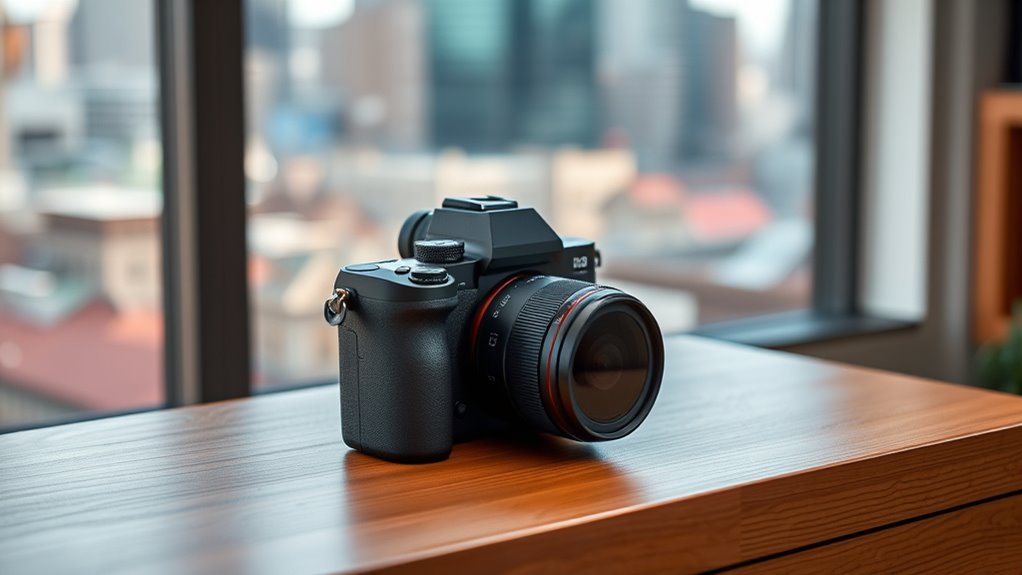
The evolution of camera technology has revolutionized how we capture and share moments. Sensor innovation has played a pivotal role, allowing for higher resolution, better low-light performance, and improved dynamic range. These advancements mean you get sharper images with more detail, even in challenging conditions. Additionally, lens compatibility has become more streamlined, giving you access to a wide variety of lenses without compatibility issues. Modern cameras are designed to support interchangeable lenses that suit different styles and needs, making your equipment more versatile. This progress has also led to smaller, lighter designs without sacrificing quality. In particular, sensor technology has undergone significant improvements, enabling even more precise image capturing capabilities. Moreover, energy-efficient components in modern cameras contribute to longer battery life, making them more reliable during extended shoots. Manufacturers’ innovations continue to push the boundaries of what’s possible, offering features like in-body stabilization and advanced autofocus systems. As a result, compact designs are now more powerful and feature-rich than ever before. Additionally, advances in miniaturization have allowed for more compact yet highly capable camera bodies, making them easier to carry and use in a variety of settings. Overall, these technological improvements have made it easier for you to produce professional-quality images and videos, transforming how you document your life.

Canon EOS R100 Mirrorless Camera RF-S18-45mm F4.5-6.3 is STM Lens Kit, 24.1 Megapixel CMOS (APS-C) Sensor, 4K Video, Wi-Fi & Bluetooth, Beginner Photographers and Creators, Digital Camera, Black
Stellar Image Quality: Canon EOS R100 4K digital camera with 24.1 megapixel CMOS (APS-C) sensor for superb image…
As an affiliate, we earn on qualifying purchases.
As an affiliate, we earn on qualifying purchases.
Benefits of Going Mirrorless
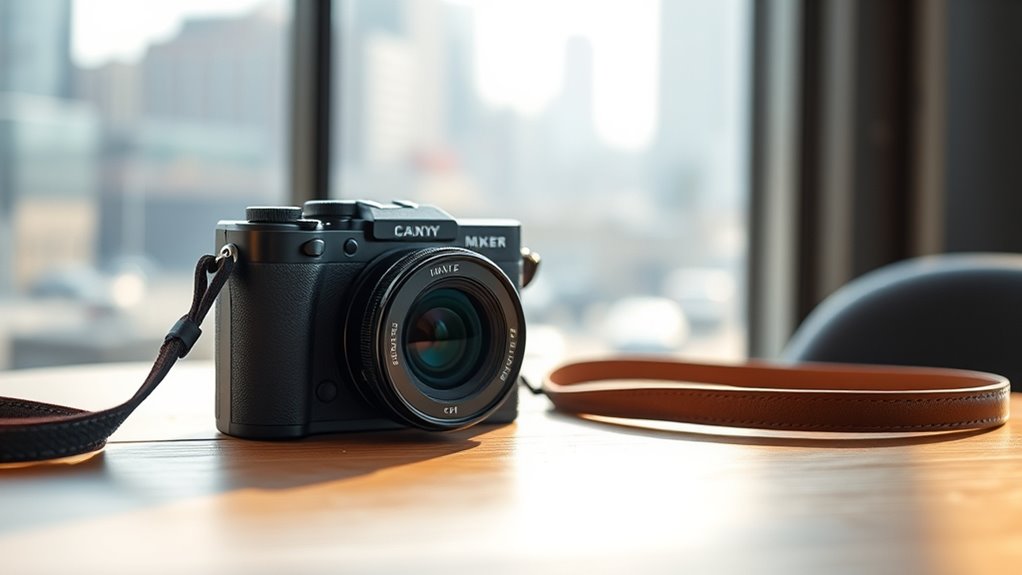
Have you ever wondered why many photographers are switching to mirrorless cameras? The benefits are clear. First, sensor improvements in mirrorless models deliver better image quality, especially in low light. Second, their compact design makes them easier to carry and handle during long shoots. Third, advancements in battery life mean you can shoot longer without frequent recharging. Additionally, mirrorless cameras often feature faster autofocus systems and real-time electronic viewfinders that give you a more accurate preview of your shot. These improvements make them versatile tools for both amateurs and professionals. Moreover, integrating connected camera technology can enhance your photography experience by enabling remote shooting and instant sharing. As camera evolution continues, the features of mirrorless models are becoming increasingly sophisticated. This ongoing technological progress is making mirrorless options more accessible and attractive to a broader range of users. The rise of smart features in modern cameras also contributes to their growing popularity, making them more user-friendly and adaptable. Overall, the shift to mirrorless offers enhanced image quality, portability, and convenience that traditional DSLR cameras can’t match. The market demand for these cameras reflects their growing popularity among enthusiasts and professionals alike. It’s no wonder more photographers are embracing this revolution.
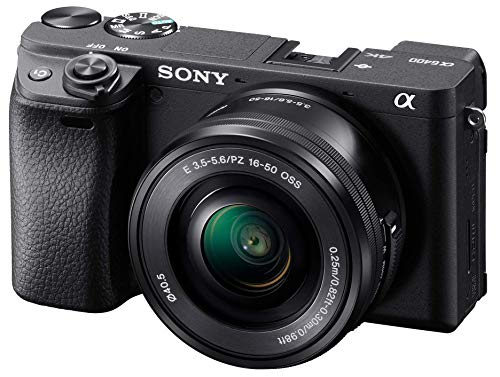
Sony Alpha a6400 Mirrorless Camera: Compact APS-C Interchangeable Lens Digital Camera with Real-Time Eye Auto Focus, 4K Video, Flip Screen & 16-50mm Lens – E Mount Compatible – ILCE-6400L/B, Black
20.1MP stacked back illuminated 1" Exmor RS CMOS sensor w/ DRAM, large aperture 24-70mm1 F1.8-2.8 ZEISS Vario-Sonnar T…
As an affiliate, we earn on qualifying purchases.
As an affiliate, we earn on qualifying purchases.
Comparing Mirrorless and DSLR Cameras
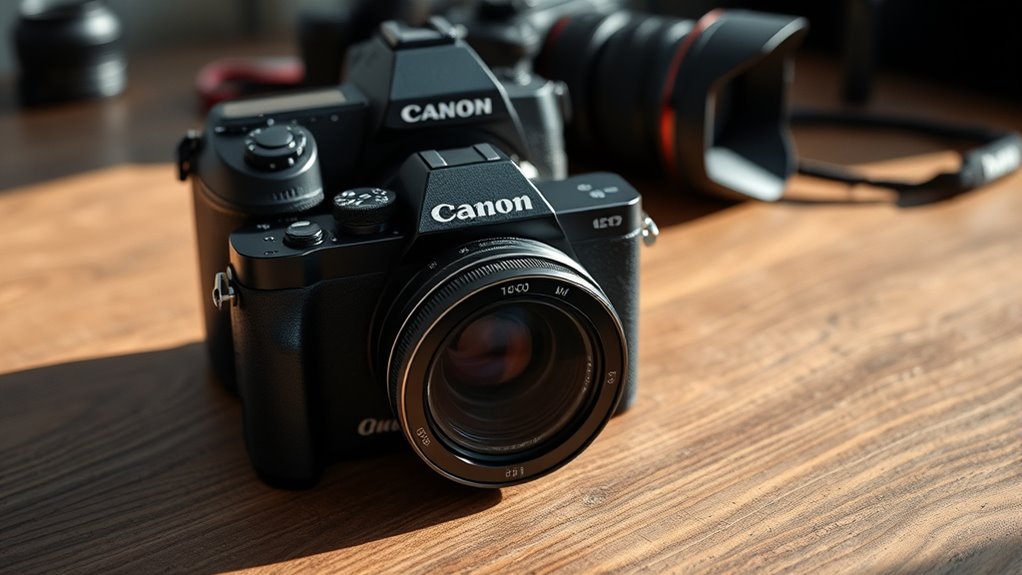
While DSLR cameras have long been the standard for professional photography, mirrorless models are quickly closing the gap and offering compelling advantages. One key difference lies in sensor size; many mirrorless cameras now feature full-frame sensors comparable to DSLRs, delivering excellent image quality and low-light performance. However, DSLRs often still hold an edge in battery life because their optical viewfinders consume less power than electronic ones. Mirrorless cameras rely on electronic viewfinders or screens, which drain batteries faster. Despite this, advancements are improving battery longevity in mirrorless models, making them more suitable for extended shoots. Additionally, the cost considerations of mirrorless versus DSLR systems may influence purchasing decisions, as initial investments and ongoing expenses vary. For instance, the accessory ecosystem for DSLRs is typically more established, which can impact long-term usability. Moreover, sensor technology continues to evolve rapidly, narrowing the gap in image quality between the two types of cameras. Overall, mirrorless cameras provide similar sensor sizes and image quality, but if long shooting sessions are your priority, battery life remains an important consideration when choosing between the two.
Sony Alpha a6400 Mirrorless Camera: Compact APS-C Interchangeable Lens Digital Camera with Real-Time Eye Auto Focus, 4K Video, Flip Screen & 16-50mm Lens – E Mount Compatible – ILCE-6400L/B, Black
20.1MP stacked back illuminated 1" Exmor RS CMOS sensor w/ DRAM, large aperture 24-70mm1 F1.8-2.8 ZEISS Vario-Sonnar T…
As an affiliate, we earn on qualifying purchases.
As an affiliate, we earn on qualifying purchases.
Impact on Photography Styles and Creativity
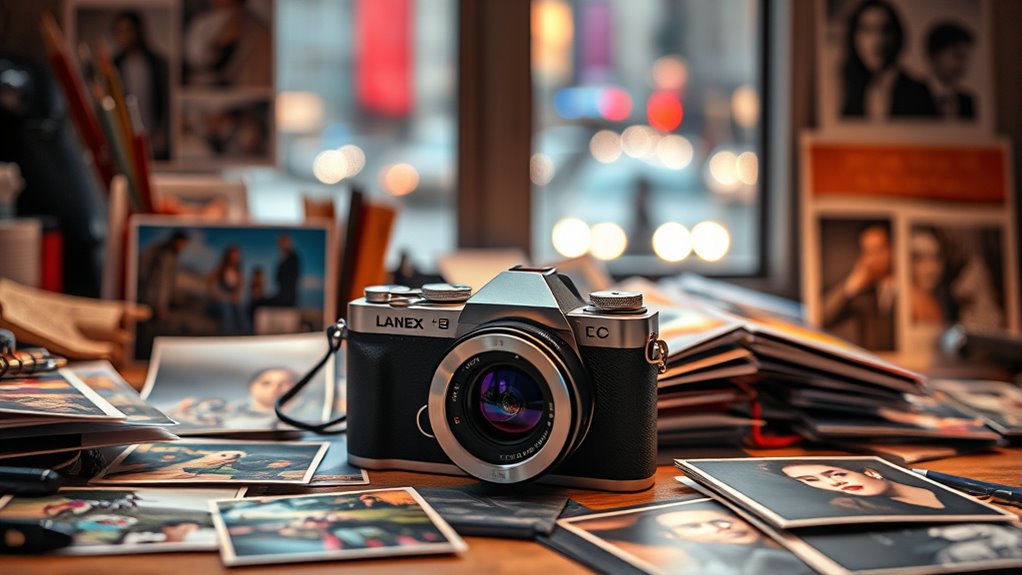
Switching to mirrorless cameras can considerably expand your creative possibilities by making it easier to experiment with different angles, compositions, and shooting styles. Their compact design and silent operation encourage artistic experimentation, enabling you to capture images with unique perspectives and mood. This flexibility fosters exploration of film aesthetics, allowing you to mimic classic film looks or craft a vintage atmosphere effortlessly. The rapid autofocus and real-time previews help refine your vision on the fly, boosting confidence in your artistic choices. Additionally, the market trends indicate a growing adoption of mirrorless technology, further empowering photographers to innovate and push creative boundaries. As sensor technology continues to advance, the potential for achieving stunning image quality with less equipment is increasingly accessible to enthusiasts and professionals alike. Moreover, embracing artistic expression through these modern tools can lead to more fulfilling and innovative photography projects. Staying informed about reliable power sources can ensure your creative sessions remain uninterrupted, especially during outdoor shoots or long exposure experiments. Staying current with power source options allows photographers to maintain energy and focus during extended shoots without interruptions.
Key Features Driving the Shift
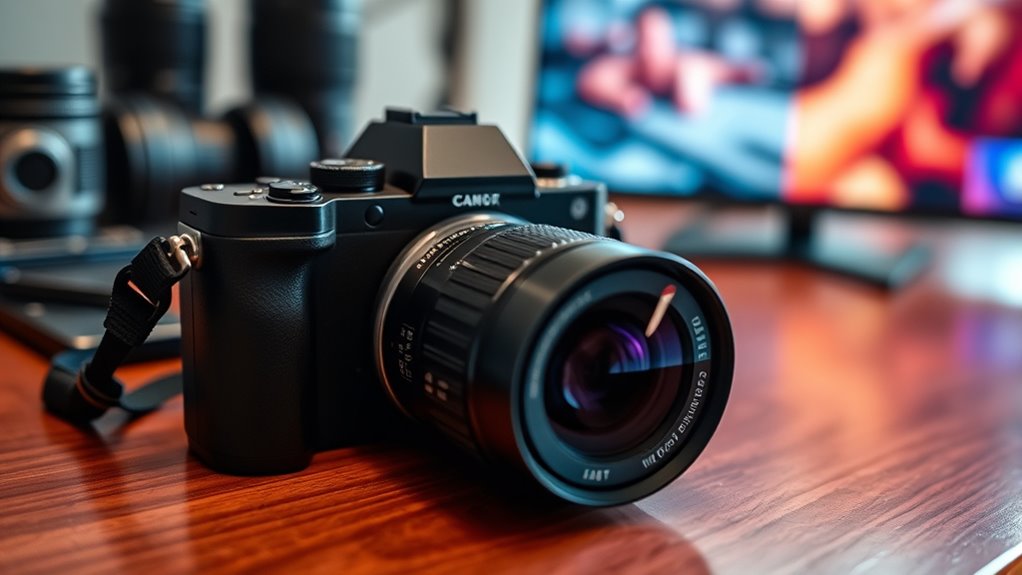
You’ll notice that mirrorless cameras are much more compact and lightweight, making them easier to carry around and handle. Their advanced autofocus systems quickly lock onto subjects, helping you capture sharp images in any situation. These features are key reasons why more photographers are shifting to mirrorless models. Additionally, the visual and auditory cues used in speech therapy techniques highlight the importance of clear, immediate feedback, much like how real-time autofocus enhances image capture. This rapid response capability is similar to how AI writing tools provide instantaneous suggestions, streamlining the creative process, and emphasizing the significance of user-friendly technology in modern devices. Furthermore, the versatility of add-ins in baking, such as fruits and spices, demonstrates how customizable features can enhance the overall experience and outcome. Moreover, the diverse range of camping environments available in New England demonstrates the adaptability and appeal of lightweight, versatile equipment.
Compact & Lightweight Design
The move toward compact and lightweight designs in mirrorless cameras is driven by a desire for greater portability without sacrificing image quality. Smaller bodies mean you can carry your camera easily, making spontaneous shots more likely. Despite their size, many models feature large sensor sizes that deliver impressive image quality. Plus, integrated image stabilization helps reduce blur, even in compact form factors. This innovation allows photographers to achieve professional-grade images without bulky accessories. The design focuses on balancing size and performance, so you don’t have to compromise. Additionally, advancements in camera sensor technology enable these smaller cameras to perform exceptionally well in various lighting conditions.
Advanced Autofocus Systems
Have you noticed how advanced autofocus systems have transformed mirrorless cameras? They now offer remarkable autofocus accuracy, making it easier to capture sharp images quickly. This improvement comes from innovative sensor technology that enables faster and more precise focus tracking, even in challenging conditions. Modern autofocus systems can detect faces, eyes, and moving subjects, ensuring you don’t miss important moments. With phase detection and contrast detection working seamlessly together, your camera responds instantly, giving you confidence in every shot. These advancements mean you can shoot with less fuss and more reliability, whether you’re photographing fast action or portraits. Overall, enhanced autofocus systems are a key reason why mirrorless cameras are surpassing traditional DSLRs in performance and user experience.
Leading Manufacturers and Their Innovations
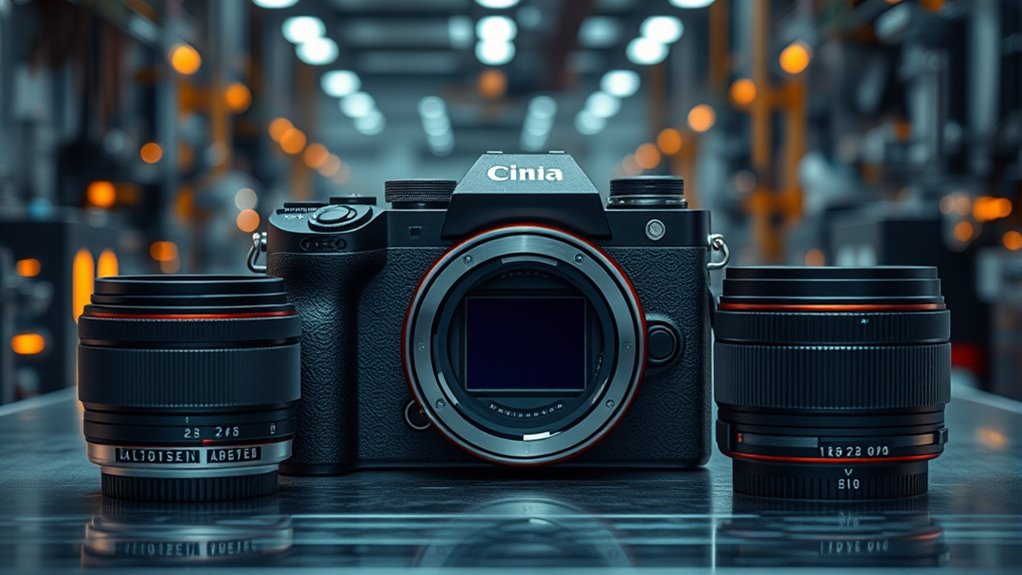
Leading manufacturers are pushing the boundaries with strategies that set them apart in the mirrorless camera market. You’ll notice their innovations focus on advanced features like faster autofocus, improved image stabilization, and compact designs. These cutting-edge advancements help you capture stunning images with greater ease and flexibility.
Industry Leaders’ Strategies
Manufacturers in the mirrorless camera industry are fiercely competing by innovating rapidly and differentiating their products through advanced technology. They focus heavily on sensor improvements to enhance image quality and low-light performance, ensuring their cameras stand out. Additionally, they prioritize expanding lens compatibility to attract both professionals and enthusiasts, offering versatile options across brands. To stay ahead, industry leaders invest in:
- Developing higher-resolution sensors for sharper images
- Creating adaptable lens mounts for broader compatibility
- Streamlining firmware updates to improve performance and user experience
These strategies allow manufacturers to meet evolving customer needs and maintain their competitive edge. By emphasizing sensor enhancements and ensuring ease of lens integration, they position their mirrorless cameras as essential tools for modern photographers.
Cutting-Edge Camera Features
Innovations in camera features are pushing the boundaries of what mirrorless cameras can do, setting new standards for performance and user experience. Leading manufacturers now incorporate larger sensor sizes, improving image quality and low-light performance. Advanced image stabilization systems are integrated into most models, ensuring sharp shots even in challenging conditions. These features enable you to shoot with greater flexibility and confidence. Here’s a quick look at some key innovations:
| Feature | Benefit |
|---|---|
| Sensor Size | Better detail, enhanced dynamic range |
| In-Body Stabilization | Smoother videos, sharper photos in motion |
| Autofocus Speed | Faster, more accurate subject tracking |
| Video Capabilities | 4K/8K options for professional-quality footage |
Challenges Facing the Mirrorless Market
Despite their growing popularity, mirrorless cameras face several challenges that hinder wider adoption. One major issue is sensor limitations, which can affect image quality in low-light conditions compared to DSLRs. Additionally, battery life remains a concern, as these cameras often drain power faster due to electronic viewfinders and continuous autofocus. These technical constraints can be frustrating for users who need reliability during long shoots. To address these issues, manufacturers are working on improving sensor technology and optimizing power consumption. However, until these challenges are fully resolved, some photographers may hesitate to switch from traditional DSLRs. Understanding these hurdles helps you weigh the benefits of mirrorless cameras against their current limitations.
The Future of Camera Design and Functionality
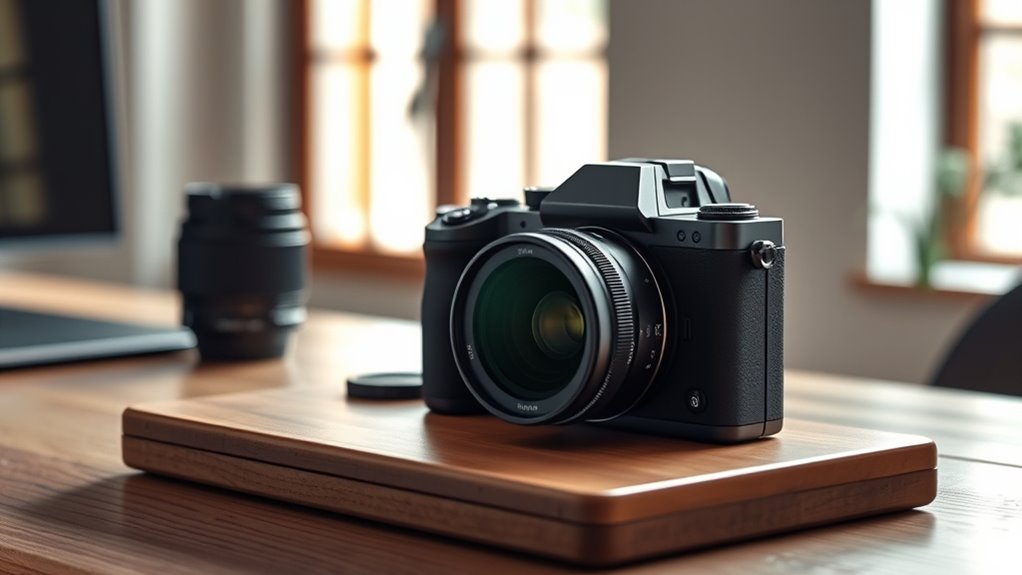
What does the future hold for camera design and functionality? You can expect significant advances in sensor technology, making images sharper, with better low-light performance and faster processing. Future sensors will be more compact yet more powerful, allowing for smaller, lighter cameras without sacrificing quality. Ergonomic design will also evolve, focusing on user comfort and intuitive controls, so you’ll operate your camera more naturally and confidently. Manufacturers will continue to refine button placement, grip comfort, and interface layouts to enhance your shooting experience. Additionally, integration of AI-driven features will streamline settings and autofocus, making capturing perfect shots faster and easier. Overall, camera design will become more user-centric, blending cutting-edge sensor technology with ergonomic innovations to meet your evolving creative needs.
How Mirrorless Cameras Are Changing the Industry
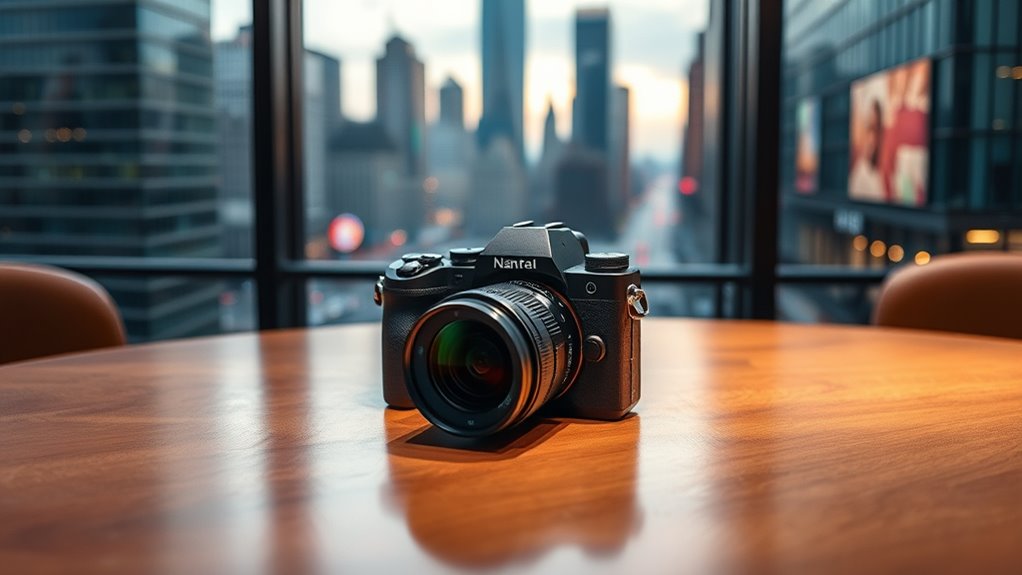
Mirrorless cameras are transforming the photography industry by offering a lighter, more versatile alternative to traditional DSLRs. With improved sensor sensitivity, they deliver high-quality images even in low light, making them ideal for various shooting conditions. Their compact size appeals to both amateurs and professionals who want mobility without sacrificing performance. These cameras also challenge the industry with expanded lens compatibility, often supporting multiple systems and adapters, giving you more creative options.
- Faster autofocus systems that adapt quickly to your subject
- Reduced weight and size for easier travel and daily use
- Enhanced video capabilities, appealing to content creators
This shift is pushing manufacturers to innovate faster, making mirrorless cameras a dominant force in both professional and casual photography.
Tips for Transitioning to Mirrorless Photography
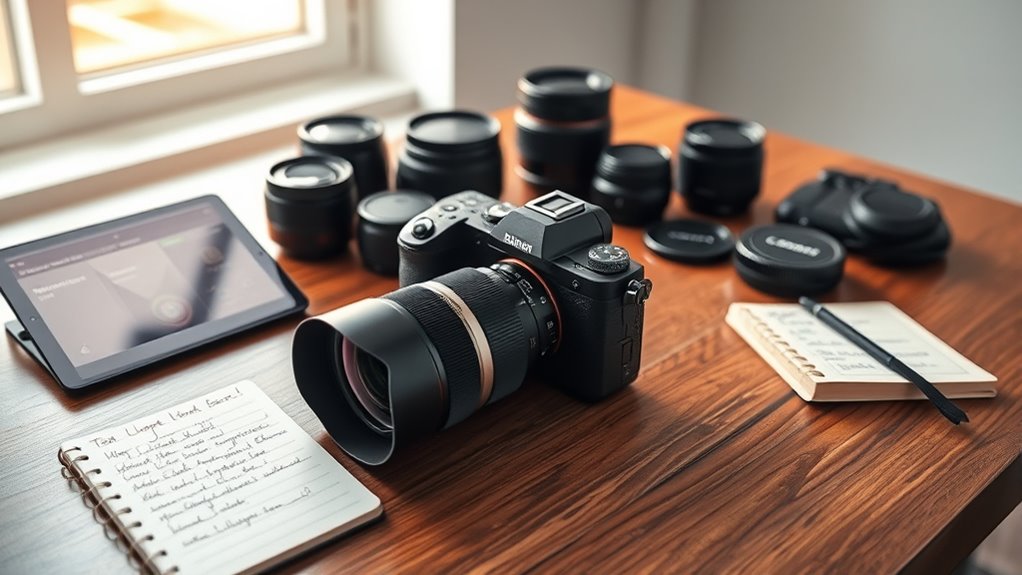
Switching from traditional DSLRs to mirrorless cameras can be an exciting upgrade, but it also requires familiarizing yourself with new features and workflows. One key aspect is understanding lens compatibility—check if your current lenses work with your new camera or if you’ll need adapters. Mirrorless cameras often have a shorter flange distance, allowing for more versatile lens options, but compatibility is still important. Additionally, be aware of battery life; mirrorless models tend to consume more power, so carry extra batteries or invest in portable chargers. Practice orienting menus, autofocus modes, and image stabilization settings to maximize your shooting efficiency. With some adjustments, you’ll quickly adapt and enjoy the benefits of faster, more compact gear that enhances your photography experience.
Frequently Asked Questions
How Do Mirrorless Cameras Perform in Low-Light Conditions?
You’ll find that mirrorless cameras perform quite well in low-light conditions thanks to their improved sensor sensitivity, which captures more light and details. Additionally, many models feature advanced image stabilization, reducing blur caused by hand movement. This combination allows you to shoot clearer, sharper images even in dim environments. With these capabilities, you can confidently photograph indoors, at night, or in challenging lighting without sacrificing quality.
What Are the Cost Differences Between Mirrorless and DSLR Systems?
You might be surprised to find that mirrorless cameras often cost less upfront than DSLRs, especially with lens adaptation and accessory costs factored in. While initial prices can be comparable, mirrorless systems tend to have lower maintenance costs and fewer accessories needed. Plus, their compact design means you’ll save on lenses and carrying gear, making them more budget-friendly in the long run—so your investment feels even more worthwhile.
Can Mirrorless Cameras Match the Battery Life of DSLRS?
Mirrorless cameras generally don’t match DSLR battery longevity, but they’re improving thanks to better power management. You can extend battery life by turning off unnecessary features and using power-saving modes. While DSLRs often last longer between charges, newer mirrorless models are closing the gap. With careful usage, you’ll find that modern mirrorless cameras can offer sufficient battery performance for most shooting scenarios, making them a practical choice despite their shorter battery life.
Are There Any Compatibility Issues With Existing Lenses?
Imagine trying to fit a square lens into a round mirrorless hole—your existing lenses often require lens adapters, and autofocus compatibility can be hit-or-miss. While most brands endeavor for seamless integration, some older lenses might struggle with autofocus or unique features. So, yes, compatibility issues can arise, but with adapters and firmware updates, you can usually make your gear work together—just don’t expect a perfect handshake every time.
How Do Mirrorless Cameras Affect Professional Workflow?
Mirrorless cameras boost your workflow efficiency by offering faster autofocus and shorter setup times, so you can capture more shots quickly. They also enhance editing flexibility with high-resolution images and better dynamic range, giving you more detail to work with. Plus, their compact design makes it easier to move around, reducing fatigue during long shoots. Overall, they streamline your professional workflow while providing greater creative control.
Conclusion
As you embrace the shift to mirrorless cameras, you’ll find a world of new possibilities quietly unfolding. This gentle revolution offers lighter gear and sharper images, making your photography journey smoother and more creative. While change can feel like a subtle nudge, it opens doors to innovative techniques and fresh perspectives. Trust in this evolving technology, and you’ll discover a more effortless way to capture the moments that matter most.