
Noise cancelling works by using microphones to analyze your environment’s sounds in real-time. It then creates anti-noise sound waves with opposite phases that interfere destructively, effectively canceling out the background noise. The system requires precise timing and multiple microphones to respond quickly and accurately. Factors like device quality and algorithms influence its effectiveness. If you keep exploring, you’ll discover how these components work together to make noise cancellation seamless and reliable.
Play games included with Prime
Start a Prime free trial and play with Amazon Luna on your devices.
As an affiliate, we earn on qualifying purchases.
Key Takeaways
- Noise cancelling uses microphones to detect external sounds and generate opposing sound waves to cancel noise through interference.
- The process relies on real-time sound analysis and precise timing of anti-noise signals to effectively reduce background noise.
- Multiple microphones and advanced algorithms improve responsiveness and adapt to different environmental noise levels.
- Passive features like ear cushions also help diminish noise alongside active noise cancellation.
- Effectiveness depends on high-quality components, digital signal processing, and proper system calibration.
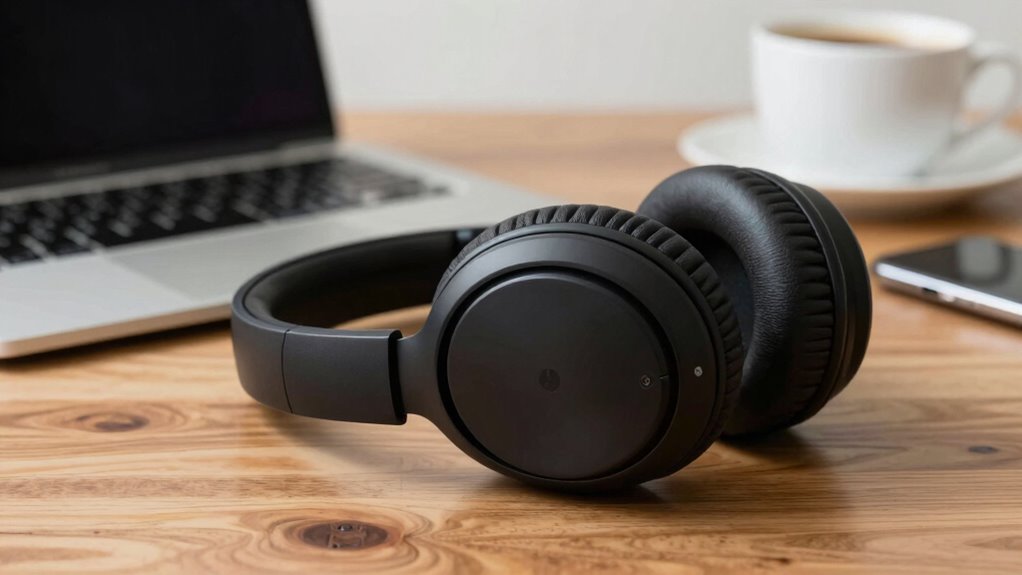
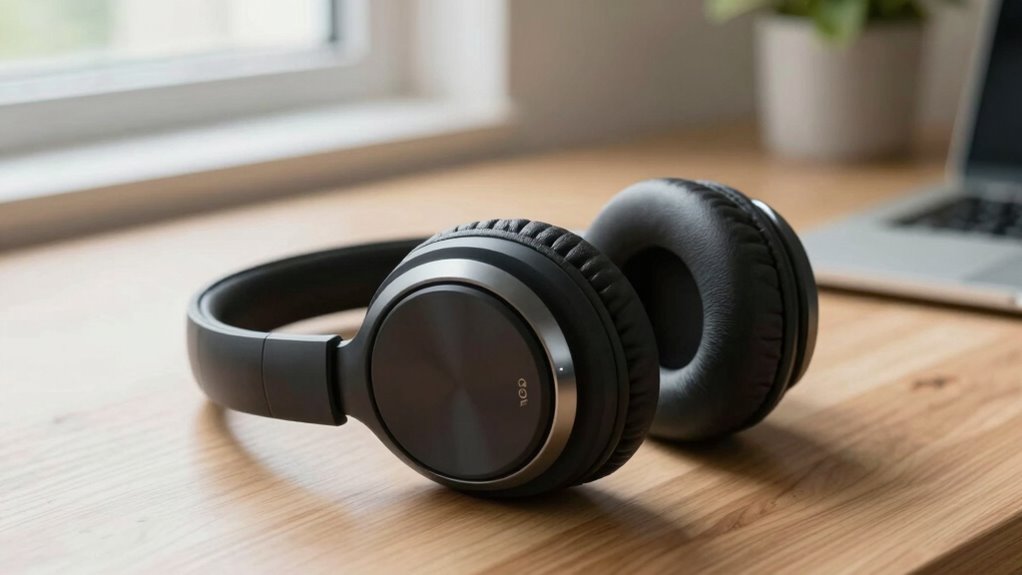
Have you ever wondered how noise-canceling headphones block out background sounds? It all comes down to sound wave interference and advanced microphone technology. When you’re in a noisy environment, your ears pick up a jumble of sound waves from everything around you—cars honking, conversations, or the hum of an air conditioner. Noise-canceling headphones analyze these incoming sound waves in real-time, using tiny microphones embedded in the ear cups. These microphones pick up external sounds and send the data to a built-in processor that quickly analyzes the patterns. The processor then produces sound waves that are the exact opposite of the background noise, a concept known as destructive interference. When these opposing sound waves meet, they cancel each other out, significantly reducing what you hear.
Noise-canceling headphones use microphones and sound wave interference to reduce background noise in real-time.
This process relies heavily on microphone technology, which must be highly sensitive and accurate to detect even subtle background sounds. The microphones constantly monitor the environment, allowing the headphones to respond swiftly to changing noise levels. Once the noise is identified, the internal circuitry generates an anti-noise signal, a sound wave with inverted phase. This anti-noise wave is played through the headphones’ speakers along with your audio content, effectively neutralizing the unwanted ambient noise before it reaches your ears. The result is a quieter listening experience, making it easier to focus on your music, podcasts, or calls. Moreover, the effectiveness of noise cancellation can be influenced by the contrast ratio of the headphones’ components, which affects how well the sound waves are rendered.
The key to noise cancellation working effectively lies in the precision of sound wave interference. If the generated anti-noise wave isn’t perfectly aligned or timed with the external noise, some sound will still sneak through. That’s why high-quality noise-canceling headphones often feature multiple microphones and sophisticated algorithms—so they can adapt quickly to different environments, from a quiet office to a bustling street. It’s also why passive noise cancellation, like thick ear cushions, complements active noise cancellation but can’t do the same job on its own. Additionally, advancements in sound wave interference technology continue to enhance the effectiveness of noise-canceling devices. Recent innovations in microphone sensitivity and digital signal processing further improve the accuracy and responsiveness of these systems, making noise cancellation more seamless. Understanding the importance of microphone technology helps clarify how these devices achieve such high levels of noise reduction.
Understanding this technology demystifies how noise-canceling headphones deliver a more immersive experience without overwhelming hype. You’re not just paying for fancy words or marketing tricks; you’re benefiting from complex sound wave interference principles and precise microphone technology working behind the scenes. So, the next time you enjoy your favorite music in a noisy setting, you can appreciate the science that’s quietly working to keep the world’s chaos at bay.
noise cancelling headphones with multiple microphones
As an affiliate, we earn on qualifying purchases.
As an affiliate, we earn on qualifying purchases.
Frequently Asked Questions
How Does Noise Cancelling Impact Audio Quality?
Noise cancelling can somewhat impact audio fidelity by introducing sound distortion, especially in less advanced models. You might notice a minor change in clarity or a muffled effect during active noise cancellation. However, high-quality noise cancelling headphones minimize this impact, allowing you to enjoy clear, immersive sound. Overall, if you choose good headphones, noise cancelling enhances your listening experience without compromising audio quality greatly.
Are Noise-Cancelling Headphones Suitable for All Environments?
Noise-cancelling headphones aren’t suitable for all environments, especially where ambient awareness is essential, like crossing streets. Think of them as a window that filters out noise but sometimes blocks important signals. Their environmental adaptability varies; in noisy places, they excel, but in quiet settings or situations needing alertness, they might hinder safety. Always assess your surroundings to confirm your headphones match your need for awareness and safety.
What’s the Difference Between Passive and Active Noise Cancellation?
Passive noise cancellation relies on passive insulation, using materials like foam or ear cups to block sound physically. Active noise cancellation, on the other hand, uses microphones to detect external sounds and generate sound waves that cancel them out. You’ll notice passive insulation reduces sound leakage naturally, while active tech actively adjusts to changing noise levels. Combining both offers the best protection against unwanted noise, especially in noisy environments.
Do Noise-Cancelling Headphones Require Regular Maintenance?
Noise-cancelling headphones do require some maintenance to stay in top shape. You should keep the ear cups and filters clean, and periodically check the ear pads for wear. Battery life is vital, so make sure you keep the headphones charged and avoid draining the batteries completely. Firmware updates are also significant; they can improve noise cancellation performance and fix bugs. Regularly updating the firmware helps your headphones function at their best over time.
Can Noise Cancelling Be Turned off When Not Needed?
Every cloud has a silver lining, and turning noise cancelling off is helpful when you want ambient awareness of your surroundings. Most noise-cancelling headphones allow you to switch off the feature easily, helping you hear environmental noise clearly. When you don’t need silence, disabling noise cancelling lets you stay aware of your environment, making it perfect for safety and social interactions. Simply toggle the feature on your headphones to enjoy or block environmental noise as needed.
As an affiliate, we earn on qualifying purchases.
Conclusion
So, now you know the truth behind noise cancelling—no magic, just clever tech working tirelessly to silence the chaos around you. It’s like having a superhero in your ears, battling the noise villains day and night. With noise cancelling, you can finally drown out the world’s racket and enjoy pure, peaceful silence anytime you want. It’s not just a feature; it’s your personal escape hatch from the noise storm. Silence has never been this powerful!
high-quality noise cancelling headphones
As an affiliate, we earn on qualifying purchases.
As an affiliate, we earn on qualifying purchases.
noise cancelling headphone replacement ear cushions
As an affiliate, we earn on qualifying purchases.
As an affiliate, we earn on qualifying purchases.
Fall Picks
fall essentials
As an affiliate, we earn on qualifying purchases.