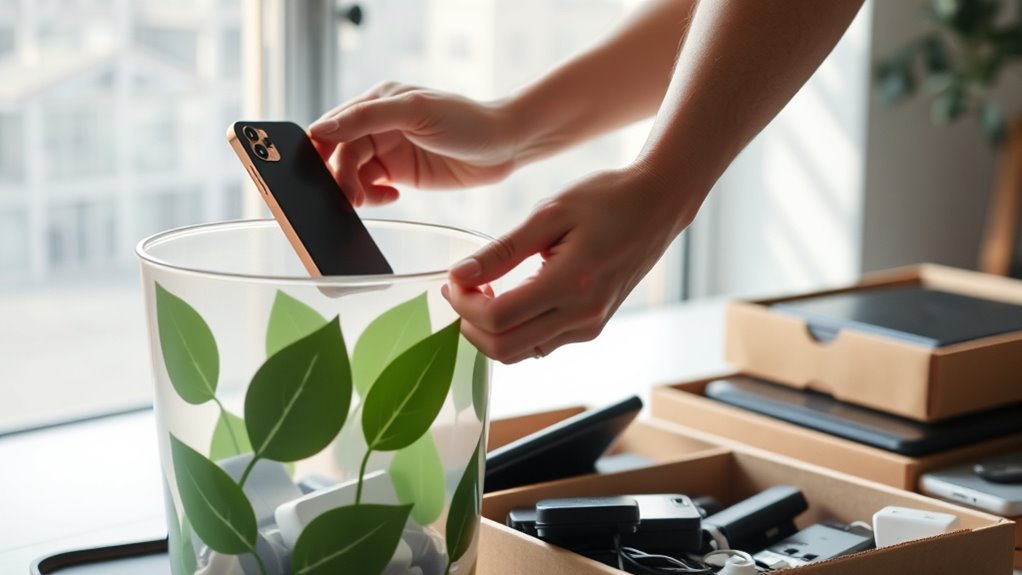

To safely recycle or sell your old electronics, start by evaluating their condition and backing up your data securely. Wipe all personal information and remove batteries properly to prevent environmental harm. Choose reputable recycling centers or online platforms that prioritize data security and environmental responsibility. Prepare your devices with cleaning and necessary repairs to maximize value. Follow proper procedures and obtain proof of disposal or sale completion. Keep learning how to handle your electronics responsibly for peace of mind.

Get the latest gadgets delivered free with Prime
- Fast, free delivery on millions of items
- Prime Video, Amazon Music and more included
- Member-only deals all year
Key Takeaways
- Assess device condition, back up data securely, and erase personal information before deciding to sell or recycle.
- Use trusted e-waste recycling programs that certify responsible disposal and prioritize battery safety.
- Clean devices and check compatibility to maximize resale value or facilitate eco-friendly recycling.
- Remove batteries properly and ensure data is completely wiped to protect privacy and prevent environmental harm.
- Choose reputable platforms or certified centers, verify their credentials, and obtain documentation for proper handling.
Assess Your Devices and Data
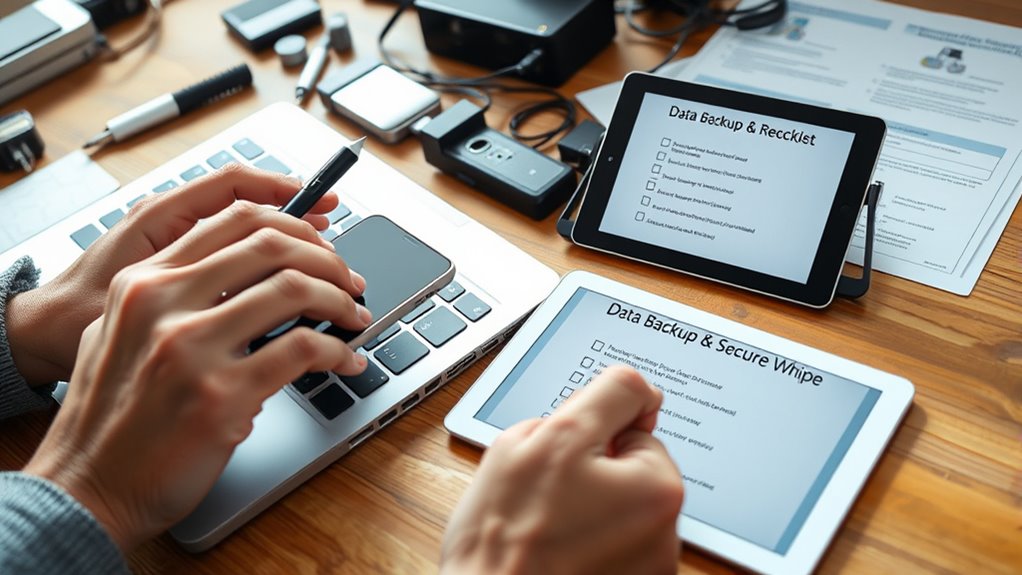
Before recycling or selling your devices, you should assess their condition and the data stored on them. Check the battery safety to prevent leaks, overheating, or fires, especially if the device’s battery is swollen or damaged. Properly handling batteries is vital for safety and environmental reasons. Additionally, verify device compatibility with newer systems or accessories if you plan to sell. Confirm the device powers on and functions correctly to determine its value. Consider whether repairs or upgrades are worthwhile, as these can influence your decision to sell or recycle. Furthermore, ethnicity considerations may influence the device’s branding or targeted marketing, impacting its resale value. Ensuring your device has a high contrast ratio can improve its appeal if you decide to sell it, as buyers often look for high-quality visuals. Properly wiping your device to remove personal data is essential to protect your privacy during the recycling process. Conducting a comprehensive device assessment can help identify potential issues before sale or disposal. Performing a full device evaluation ensures you are aware of all aspects that might affect its value or safety. By thoroughly evaluating these aspects, you protect yourself from potential hazards and guarantee your device is ready for its next owner or proper disposal. This step helps guarantee a safe, effective recycling or selling process.
Back Up and Wipe Personal Information
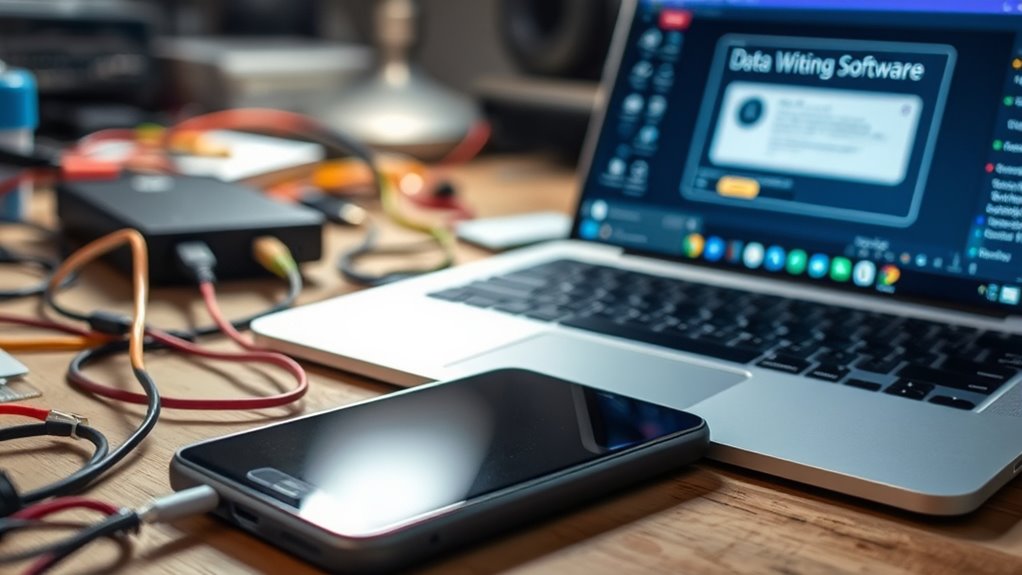
Before recycling or selling your device, make sure to back up your important data to a secure location. Then, erase all personal information from the device to safeguard your privacy. Finally, confirm that the deletion is complete to ensure your data can’t be recovered. To prevent accidental reuse, consider using free-floating security tools to verify data removal. Additionally, be aware that electric bikes and other electronic devices often contain components that require special disposal methods to minimize environmental impact.
Secure Data Backup
Have you safely backed up your data before recycling or selling your old electronics? If not, now’s the time. Use data encryption to protect sensitive files during the backup process, ensuring only you can access the information later. Consider transferring your data to an external hard drive or cloud storage with strong security measures. Once your data is securely stored, focus on preparing your device for disposal. For older equipment like hard drives, device degaussing effectively destroys residual data, making recovery impossible. This step is vital to prevent data theft. Remember, backing up and encrypting your data keeps your information safe throughout the process, giving you peace of mind that your personal details won’t fall into the wrong hands once you recycle or sell your device. Additionally, data sanitization techniques can further ensure your information is permanently removed before disposal. Being familiar with data erasure standards can help you choose the most effective method for your needs. Properly understanding data destruction methods and their compliance with industry standards ensures comprehensive security during device disposal.
Erase Personal Data
To guarantee your personal data is fully protected, start by backing up any important files you want to keep. Once your data is safely stored elsewhere, proceed with erasing it from your device. Use data encryption tools to secure sensitive information before deletion, making it harder for others to recover. When decommissioning your device, perform a factory reset or use specialized software to wipe all data thoroughly. Remember, simply deleting files isn’t enough, as they can often be recovered. Properly erasing personal data assures your information stays private and prevents identity theft or data breaches. Always double-check that all personal files, passwords, and app data are removed before recycling or selling your electronics. Taking these steps helps protect your privacy during device decommissioning. Be aware that some recovery techniques can exploit dark psychology tactics to retrieve seemingly deleted data if proper precautions aren’t taken. Additionally, using trusted data wiping software can further minimize the risk of data recovery by thoroughly overwriting deleted files. For added security, consider following comprehensive data destruction procedures recommended by professionals, especially for sensitive information. Consulting with data destruction specialists can provide tailored solutions to ensure complete data removal and peace of mind. To ensure complete data removal, consider consulting with professionals who specialize in secure data destruction services, especially for sensitive information.
Confirm Deletion Complete
After erasing your personal data, it’s important to verify that the deletion was successful. Check that your files are completely removed and that no sensitive information remains, especially if your device has limited compatibility with certain cleanup tools. Confirming deletion helps prevent identity theft and protects your privacy. Additionally, make certain your device is compatible with the wiping software you used, as incompatible devices may still retain residual data. Once confirmed, consider the environmental impact of your device’s disposal. Properly wiped devices are easier to recycle safely, reducing electronic waste and preventing harmful chemicals from leaking into the environment. It’s also helpful to consult device navigation and mapping guides to ensure your device’s data is securely erased before recycling. Understanding data security protocols can further enhance your confidence in the process. Utilizing secure data erasure techniques ensures that all traces of personal information are permanently removed, minimizing the risk of data recovery. Incorporating professional recycling services can further guarantee responsible disposal and environmentally friendly processing. Taking these steps ensures your personal information is secure and your old electronics are responsibly processed, supporting both privacy and environmental sustainability.
Choose the Best Recycling or Selling Option
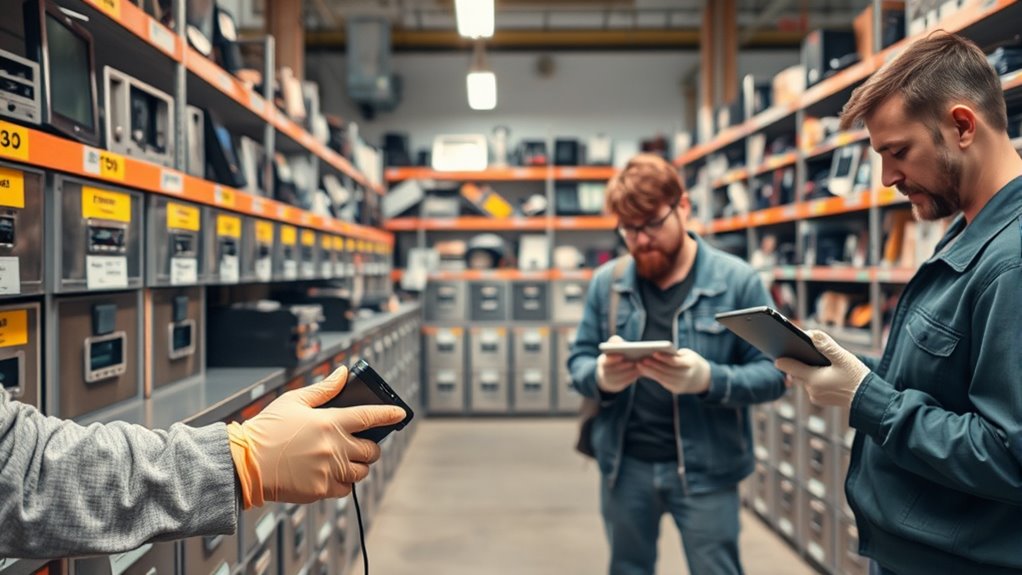
You need to decide whether to take your electronics to a local recycling center, use a certified e-waste program, or sell them online. Each option has its benefits and considerations, so it’s important to choose the one that fits your needs best. Think about convenience, environmental impact, and potential value as you make your choice. Additionally, consider the safety and security of your personal data during the recycling or selling process. Understanding the importance of well-sourced name coverage can help ensure that your personal information is handled responsibly by reputable organizations. Being aware of data privacy best practices can further protect your sensitive information during these transactions.
Local Recycling Centers
Local recycling centers are a practical option for responsibly disposing of or selling your old electronics. Before heading there, check device compatibility, as some centers only accept specific types of electronics or certain brands. It’s also important to familiarize yourself with local regulations, which can vary by region and impact how you should prepare your items. Many centers offer free drop-off services, making the process straightforward. Bringing your electronics in good condition can sometimes fetch a small amount of cash or store credit. Verify all personal data is wiped clean before recycling. By choosing a local recycling center, you support community efforts and reduce environmental impact, but always verify their acceptance policies and compliance requirements to avoid any surprises.
Certified E-Waste Programs
Certified e-waste programs offer a reliable way to recycle or sell your old electronics while guaranteeing environmental and data security. These programs follow strict certification standards that guarantee responsible disposal and data protection. When choosing a program, look for those emphasizing battery safety, reducing the risk of leaks or fires during handling. Certified programs often handle electronics with care, recycling components responsibly and preventing hazardous waste from polluting the environment. Plus, they provide clear documentation to confirm proper disposal.
- Verify the certification standards to ensure credibility
- Confirm they prioritize battery safety during recycling
- Check for transparent processes and certifications
Online Selling Platforms
Online selling platforms have become a convenient way to recycle or earn money from your old electronics. Before listing your device, prioritize battery safety by removing or properly securing batteries, especially if they pose a leak or fire risk. Check device compatibility to ensure your electronics match the platform’s accepted categories, like smartphones, tablets, or laptops. Accurate descriptions and clear photos help attract buyers and prevent returns. Always wipe personal data and factory reset your device for privacy. Be honest about its condition to avoid disputes. Using reputable platforms also offers secure payment options and buyer protection. By following these steps, you make certain a safe, smooth transaction that maximizes your device’s value while minimizing risks associated with battery safety and compatibility issues.
Prepare Your Electronics for Disposal or Sale
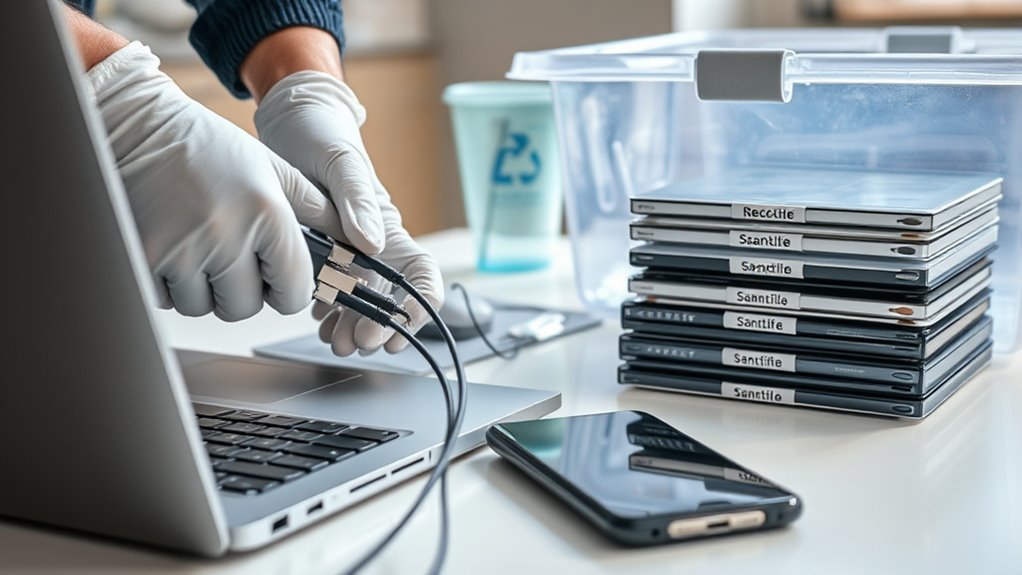
Before you dispose of or sell your old electronics, it’s important to prepare them properly to protect your personal information and make sure they’re ready for their next use. Start with device maintenance: back up important files, remove your account credentials, and reset the device to factory settings. Pay attention to battery disposal—properly recycle or safely remove batteries to prevent environmental harm. Additionally, guarantee all data is wiped clean to prevent unauthorized access.
- Clear your device’s storage and disconnect accounts
- Remove or replace batteries following disposal guidelines
- Clean the device to improve its appearance and function
Taking these steps helps safeguard your privacy and ensures your electronics are in good condition for resale or recycling.
Complete the Transaction Securely
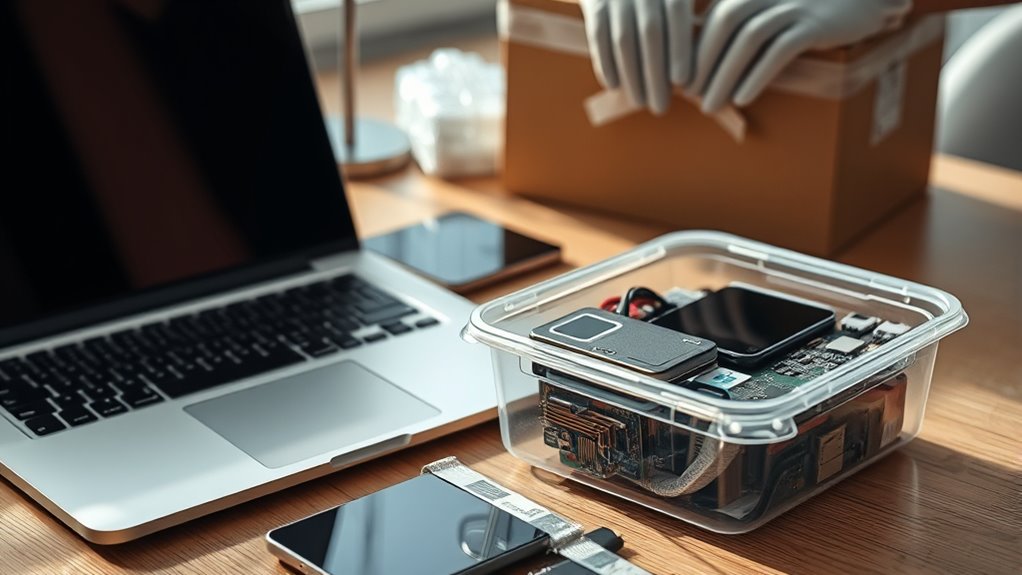
To guarantee your transaction stays secure, always verify the buyer’s or seller’s credibility before sharing personal information or completing payment. Check reviews, ask for references, and use trusted platforms with secure payment options. If you’re selling, consider including details about device warranties to reassure buyers of your device’s condition. When shipping, always purchase shipping insurance to protect against loss or damage during transit. For online sales, avoid wire transfers or cash payments; instead, opt for secure payment methods like escrow services or platform payments. If you’re buying, confirm the seller’s reputation and ask about return policies. Taking these precautions helps prevent scams and ensures a smooth, protected transaction. Remember, safeguarding your personal and financial information is key to a successful sale or purchase.
Follow Up to Ensure Proper Recycling or Sale Completion
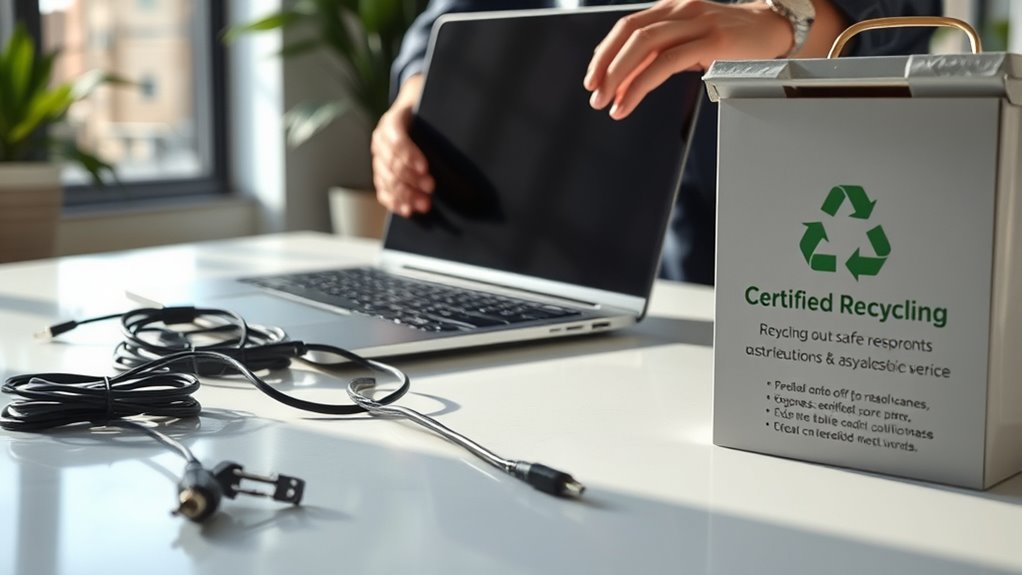
After completing your recycling or sale, make sure to follow up to verify everything has been handled properly. Confirm that the recycling center or buyer has processed your device correctly, especially considering device compatibility issues. Check that your old electronics won’t contribute to unnecessary environmental impact by leaking hazardous materials. Reach out to the company or organization to ask for proof of proper disposal or recycling.
Always verify proper disposal and request proof to ensure environmentally responsible recycling.
You can also:
- Request a receipt or certification for your records
- Ensure your data has been securely wiped or destroyed
- Confirm that your device’s materials are being reused or recycled responsibly
Frequently Asked Questions
Are There Any Legal Restrictions on Recycling Certain Electronics?
Yes, there are legal restrictions on recycling certain electronics, especially concerning electronic waste and data privacy. You must adhere to local laws that regulate e-waste disposal to prevent environmental harm and guarantee personal data is properly erased. Some devices, like batteries or hazardous components, require special handling. Make sure to verify your area’s regulations, and always wipe your data before recycling or selling your electronics to protect your privacy.
How Do I Identify Environmentally Friendly Recycling Programs?
Think of finding eco-friendly disposal options like choosing a trusted friend. Look for programs with certification standards, like e-Stewards or R2, which guarantee responsible handling. These labels show the recycler adheres to strict environmental and ethical practices, giving you peace of mind. Always research their reputation, ask questions, and opt for those committed to sustainability. This way, you’re turning your old electronics into a positive environmental contribution.
What Should I Do if My Device Is Broken or Damaged?
If your device is broken or damaged, start with a damage assessment to understand the extent of the issues. Consider device repair options, which can often extend its life and reduce e-waste. If repair isn’t feasible, look for authorized recycling programs that accept damaged electronics. Always back up your data before repair or recycling and follow safe disposal practices to protect the environment and your personal information.
Can I Recycle Batteries and Accessories Separately?
Absolutely, you can separate and recycle batteries and accessories to keep things simple and eco-friendly. For battery disposal, look for designated recycling centers or collection events that accept various types. When it comes to accessory recycling, many stores and local programs have drop-off points. By doing so, you guarantee harmful materials stay out of landfills, and your old gadgets get a second life in a safe, responsible way.
How Can I Verify the Legitimacy of a Selling Platform?
To verify a selling platform’s legitimacy, start by checking its platform security features, like secure payment options and data protection. Read seller reviews to see what others say about their experiences. Look for clear contact information and transparent policies. Avoid sites with vague terms or poor reviews. By doing these steps, you guarantee you’re using a trusted platform, reducing the risk of scams when selling your electronics.
Conclusion
By following these steps, you not only protect your personal data but also guarantee your old electronics find a responsible new home or are recycled properly. Think of it as passing the torch—each device you responsibly retire becomes a small act of environmental stewardship and digital security. Remember, in the cycle of technology, your mindful actions can turn outdated gadgets into catalysts for positive change, proving that even in disposal, there’s room for renewal and purpose.
Halloween Picks
halloween
As an affiliate, we earn on qualifying purchases.