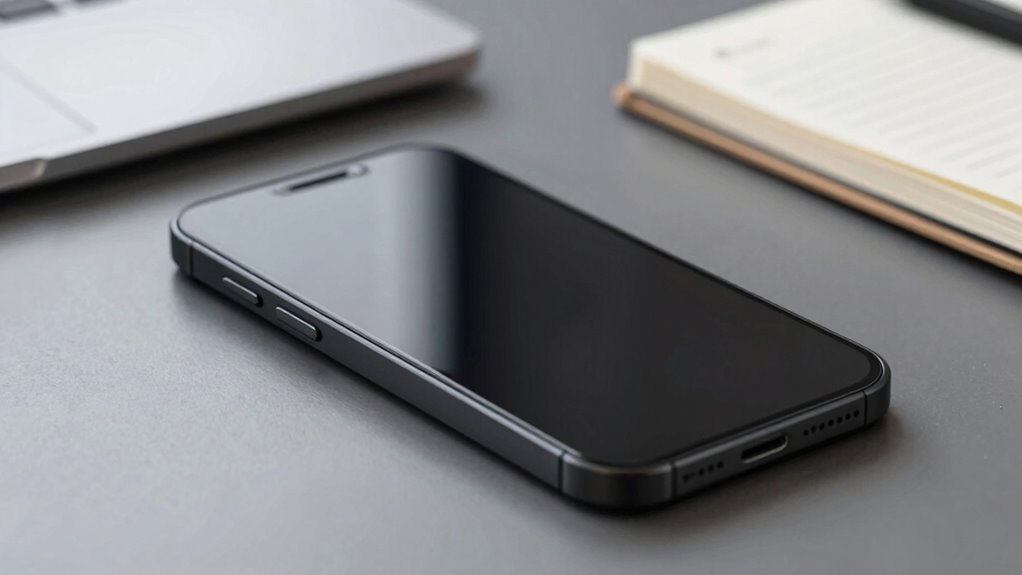

A tech product feels reliable when it combines smart design, thorough testing, and strong support. You’ll notice it performs consistently, responds quickly, and doesn’t crash or glitch often. Good products are easy to use with clear instructions, and updates that fix issues show ongoing care. Brands with a reputation for quality and support also boost your confidence. To truly understand what makes a product dependable, explore the key factors that build trust and durability.
Key Takeaways
- Thorough testing ensures products are free from critical issues before reaching consumers.
- Consistent performance, quick responses, and minimal glitches enhance perceived reliability.
- Clear instructions, intuitive design, and ease of use foster user confidence and trust.
- Regular updates fixing bugs and improving security demonstrate ongoing commitment to quality.
- Strong brand reputation and quality support reinforce consumer perception of dependability.
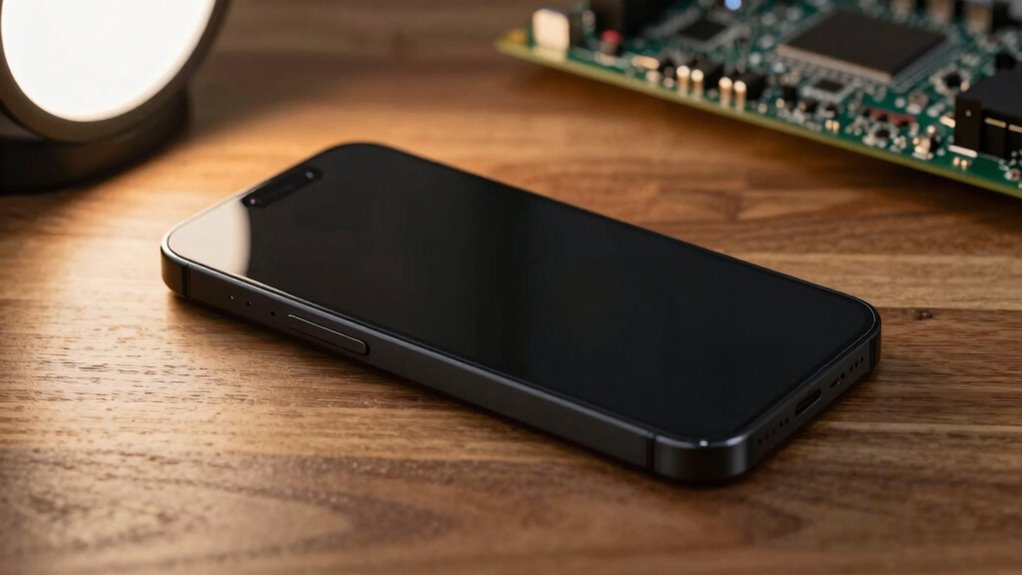
Have you ever wondered why some tech products last for years while others break down quickly? The answer often boils down to more than just the quality of the materials used; it’s about how the product is designed, tested, and supported throughout its lifespan. When a device consistently delivers a smooth user experience, it builds trust and confidence in its reliability. If your tech device performs seamlessly, with minimal glitches and quick responses, you’re more likely to see it as dependable. On the other hand, products that frequently freeze, crash, or require repairs tend to erode user trust and damage the brand’s reputation.
Reliable tech combines smart design, thorough testing, and strong support to keep your trust over time.
The user experience plays a vital role in determining how reliable a tech product feels. If you can operate the device intuitively, with clear instructions and minimal setup issues, it signals good design and thorough testing. When features work as expected and updates improve performance rather than complicate it, you’re more inclined to view the product as reliable. Consistency in performance, ease of use, and prompt customer support all contribute to a positive user experience that reinforces the perception of reliability. If you encounter frequent bugs or delays in fixing issues, it’s likely to leave you frustrated, making the product seem less dependable regardless of its initial quality. Additionally, proper testing procedures help ensure that products are free from critical issues before reaching consumers. Incorporating robust quality assurance practices further enhances product dependability. Regular updates that fix bugs and improve security also demonstrate the company’s commitment to ongoing product maintenance, which bolsters confidence in its reliability. Moreover, understanding the role of scientific skepticism can help consumers critically evaluate claims about a product’s durability and performance. Reliable products often undergo extensive testing, which includes simulations and real-world conditions, to confirm their durability and performance standards.
Brand reputation also greatly influences how reliable a tech product appears. When a company has a solid reputation for producing durable, high-quality devices, you tend to trust their offerings more. Well-established brands invest heavily in research, rigorous testing, and customer service, which collectively guarantee their products are built to last. If a brand consistently releases updates that improve functionality and addresses security concerns, it reassures you that the product will remain reliable over time. Conversely, brands with a history of recalls or poor customer support often struggle to convince users of their reliability, even if their current products are technically sound.
In essence, a tech product feels dependable when it delivers a seamless user experience and is backed by a reputable brand committed to quality. When you notice that a device consistently performs well, responds quickly, and is supported by a trustworthy company, you naturally perceive it as dependable. It’s this combination of good design, thorough testing, ongoing support, and a reputation for quality that keeps a tech product feeling reliable in your daily life.

TP-Link AC1200 WiFi Router (Archer A54) – Dual Band Wireless Internet Router, 4 x 10/100 Mbps Fast Ethernet Ports, EasyMesh Compatible, Support Guest WiFi, Access Point Mode, IPv6 & Parental Controls
Dual-band Wi-Fi with 5 GHz speeds up to 867 Mbps and 2.4 GHz speeds up to 300 Mbps,…
As an affiliate, we earn on qualifying purchases.
As an affiliate, we earn on qualifying purchases.
Frequently Asked Questions
How Does Brand Reputation Influence Perceived Reliability?
Your perception of a tech product’s reliability is heavily influenced by its brand reputation. When a brand has strong loyalty and consistently delivers quality, you naturally trust its products more. This trustworthiness perception makes you feel confident in its performance and durability. As a result, you’re more likely to choose familiar brands, believing they’ll meet your expectations, which reinforces your overall sense of reliability in their tech offerings.
Can Software Updates Improve a Product’s Reliability Over Time?
You might find that software updates can truly boost a product’s reliability over time. When you notice frequent updates, it often means developers are actively fixing bugs and improving features. Good bug fix strategies ensure issues are addressed swiftly, reducing crashes and errors you experience. So, consistent update frequency can make your tech feel more dependable, giving you peace of mind knowing your device adapts and improves with use.
What Role Does Customer Support Play in Reliability Perception?
Customer support considerably influences how reliable you perceive a tech product to be. When you see prompt, helpful responses, it reassures you that issues will be addressed quickly. Support responsiveness and active listening to customer feedback show the company values your experience. This builds trust and confidence in the product, making you feel more secure about its reliability. A strong support team keeps users engaged and satisfied, reinforcing the product’s dependable reputation.
How Do Hardware Components Impact Long-Term Product Dependability?
Hardware components directly impact your product’s long-term dependability by ensuring hardware durability and component quality. When the hardware is durable, it withstands daily wear and tear, reducing the likelihood of failures over time. High-quality components work seamlessly together, minimizing malfunctions and performance issues. You’ll notice fewer repairs and replacements, giving you confidence in your device’s longevity. Prioritizing durable, high-quality hardware ultimately creates a more reliable, long-lasting product experience for you.
Does User Experience Testing Predict Product Reliability?
Yes, usability testing combined with user feedback can help predict product reliability. When you conduct usability testing, you identify potential issues that could cause failures or frustrations. By listening to user feedback, you uncover real-world problems that might not surface during development. Together, these practices enable you to improve the product’s robustness, making it feel more dependable and trustworthy to users over time.

OtterBox Galaxy S23+ (Only) – Defender Series Case – Manoeuvre (Blue), Rugged & Durable – with Port Protection – Includes Holster Clip Kickstand – Microbial Defense Protection – Non-Retail Packaging
Multi-layer defense: solid inner shell and soft outer cover (No Built in Screen Protector)
As an affiliate, we earn on qualifying purchases.
As an affiliate, we earn on qualifying purchases.
Conclusion
So, don’t dismiss a tech product just because it’s slightly pricier or has a few quirks. Reliability isn’t about perfection but consistency, quality, and how well it fits your needs. If you choose wisely and prioritize those factors, you’ll find a device that feels dependable and lasts. Remember, investing in reliability now saves you headaches and money later—so trust your instincts, and pick what truly feels right for you.

Learn to Use Your Laptop with Confidence: A Simple Step-by-Step Guide for Beginners to Master Email, the Internet, Files, and Everyday Computer Tasks Without Confusion (Computers Made Simple Series)
As an affiliate, we earn on qualifying purchases.
As an affiliate, we earn on qualifying purchases.
customer support tech gadgets
As an affiliate, we earn on qualifying purchases.
As an affiliate, we earn on qualifying purchases.