
TL;DR
Manoush Zomorodi, NPR journalist and author, discusses her experiences with overusing technology and efforts to mitigate its effects on health. Her insights highlight broader concerns about digital overload.
NPR journalist and author Manoush Zomorodi has publicly discussed her ongoing struggles with excessive technology use and its impact on her physical and mental health, emphasizing the need for greater awareness and management of digital habits.
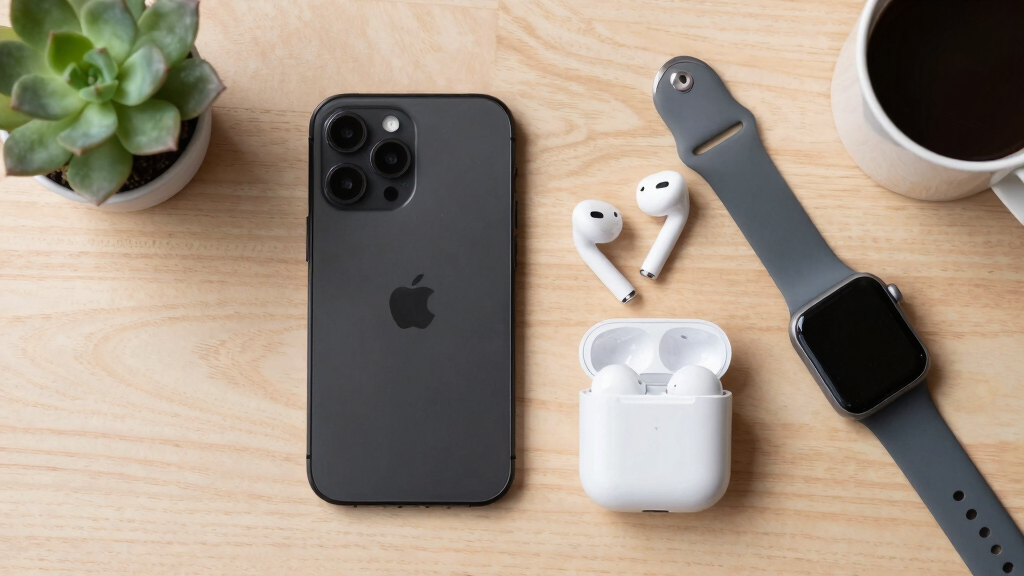
Zomorodi, known for her books exploring the effects of technology on health, recently shared her personal experiences in interviews and podcasts. She highlighted issues such as neck pain from device overuse and her efforts to balance her digital life, including her use of research tools and gadgets like AirPods. Her latest project, the “Body Electric” study, aims to scientifically assess how technology affects physical health, and has been peer-reviewed and published, marking a milestone in her career as a journalist and researcher.
She revealed that despite her awareness, she never leaves her phone behind due to family and professional obligations, illustrating the pervasive nature of digital dependence. Zomorodi also discussed her frustrations with certain devices, such as Oculus, which she finds underwhelming, and her preference for physical books over digital reading for better comprehension. Her reflections include her personal routines, like taking long walks to clear her mind and her desire to reduce neck pain caused by device use.
Why It Matters
This discussion underscores the widespread challenge many face in managing digital consumption, which can impact physical health and mental well-being. Zomorodi’s experiences and research highlight the importance of developing healthier tech habits, especially as digital devices become more integrated into daily life. Her advocacy and scientific work contribute to a broader conversation about responsible technology use and its implications for public health.
ergonomic neck pillow for device use
As an affiliate, we earn on qualifying purchases.
As an affiliate, we earn on qualifying purchases.
Background
Manoush Zomorodi has been a prominent voice on technology’s effects since her work with NPR and her books, including “Bored and Brilliant” and “Body Electric.” Her research collaborations with Columbia University have aimed to quantify how digital habits influence physical health, building on her previous focus on mental health. Her personal reflections come amid increasing public concern over tech addiction and its health consequences, especially among younger and older populations.
“Despite my awareness, I never leave my phone behind because I need to stay connected for my family and work. It’s a constant balancing act.”
— Manoush Zomorodi
“The Body Electric study is a milestone for me as a journalist and scientist, as it’s peer-reviewed and published, confirming the scientific validity of our findings.”
— Manoush Zomorodi
blue light blocking glasses for digital eye strain
As an affiliate, we earn on qualifying purchases.
As an affiliate, we earn on qualifying purchases.
What Remains Unclear
It remains unclear how widespread her personal experiences are among the general population, and whether her strategies will lead to long-term behavioral change. The effectiveness of her research in influencing public health policies or technological design is also still developing.
As an affiliate, we earn on qualifying purchases.
What’s Next
Zomorodi plans to continue her research and advocacy, potentially expanding her studies and public discussions on digital health. Future publications or initiatives may focus on practical tools and recommendations for healthier tech habits.
physical books for better reading comprehension
As an affiliate, we earn on qualifying purchases.
As an affiliate, we earn on qualifying purchases.
Key Questions
What are the main health issues associated with excessive technology use?
Common issues include neck and eye strain, disrupted sleep, mental fatigue, and decreased physical activity, as highlighted by Zomorodi’s experiences and research.
How is Zomorodi addressing her own tech overuse?
She employs routines like long walks, limiting device use when possible, and prioritizing physical books over digital reading to mitigate health impacts.
What is the significance of the ‘Body Electric’ study?
It is a peer-reviewed scientific research project that examines how digital technology affects physical health, representing a milestone in her efforts to scientifically validate these impacts.
Will this discussion lead to broader changes in technology design?
It is uncertain; while increasing awareness may influence some developers and users, widespread change depends on further research and societal response.