
TL;DR

Get the latest gadgets delivered free with Prime
- Fast, free delivery on millions of items
- Prime Video, Amazon Music and more included
- Member-only deals all year
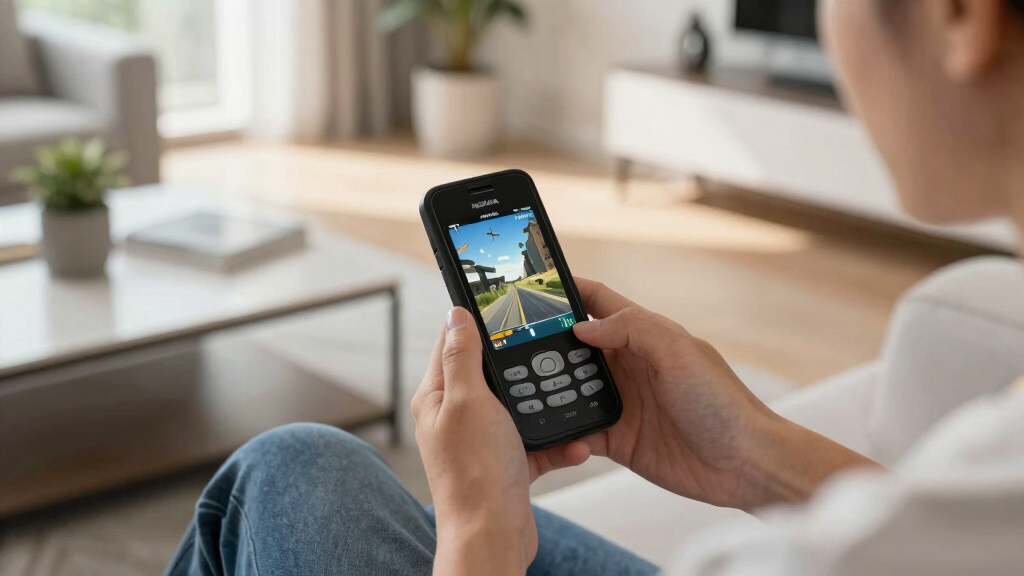
Dante Leoncini successfully runs Half-Life at 30 FPS on a Nokia N95, a device from 2007, with added input support. This demonstrates impressive hardware capability and porting effort on legacy tech.
Argentine developer Dante Leoncini has successfully run Half-Life at 30 frames per second on a Nokia N95, a mobile device launched in 2007, with added mouse and keyboard support, according to a post on X (formerly Twitter). This marks a notable achievement in running heavyweight PC games on legacy mobile hardware.
Leoncini reports that while some slowdowns remain, he has identified the cause and is working on a fix. The Nokia N95, powered by a dual-core 332 MHz ARM11 processor with 64MB of RAM, is capable of running the classic first-person shooter despite its age. Previously, he has ported games like Quake 3 and Crash Bandicoot to the device, as well as emulated Sega, NES, and other platforms.
The N95’s hardware, including its PowerVR MBX 3D accelerator, is surprisingly capable considering its release date. The porting process likely involved a native Symbian build rather than emulation, as the device runs Symbian OS 9.2. Leoncini has not confirmed whether he used any open-source engines like Xash3D for the port, but the achievement demonstrates the device’s potential for heavyweight gaming with optimized software.
Why Running Half-Life on a Nokia N95 Matters
This development highlights the potential of legacy hardware for modern gaming experiments and demonstrates the flexibility of older mobile devices. It also showcases the skills of independent developers in pushing hardware limits, inspiring interest in retro computing and mobile porting. For enthusiasts, it underscores the ongoing relevance of older devices in creative tech projects, and it raises questions about software optimization and hardware longevity.
Nokia N95 smartphone accessories
As an affiliate, we earn on qualifying purchases.
As an affiliate, we earn on qualifying purchases.
Legacy Hardware and Game Porting on Mobile Devices
The Nokia N95, released in 2007, was a flagship mobile device featuring a dual-core ARM11 processor, 64MB of RAM, and a 240×320 display. While primarily designed for mobile telephony and multimedia, it has been a target for software porting by hobbyists and developers. Historically, similar efforts have ported games like Quake III and emulators to the N95, often relying on the chipset’s capabilities and custom software solutions. Leoncini’s work continues this tradition, pushing the device beyond typical expectations.
Previous efforts in 2008 managed to run Quake III Arena on similar devices, but often with limitations, such as reduced frame rates or hardware constraints. Leoncini’s recent achievement of reaching 30 FPS with Half-Life represents a significant milestone in this ongoing exploration of legacy hardware’s potential.
“Leoncini says that while some slowdowns remain, he has pinned down the cause and is working on a fix.”
— an anonymous researcher
mobile game controllers for legacy devices
As an affiliate, we earn on qualifying purchases.
As an affiliate, we earn on qualifying purchases.
Unresolved Performance Issues and Porting Details
It is not yet clear whether Leoncini used a specific open-source engine like Xash3D or developed a custom port. The stability of the game at 30 FPS and the extent of remaining bugs are still being addressed. The exact hardware variant of the N95 used has not been specified, which could influence performance.
USB mouse and keyboard for Nokia N95
As an affiliate, we earn on qualifying purchases.
As an affiliate, we earn on qualifying purchases.
Next Steps for Stable Half-Life on N95
Leoncini plans to implement the bug fixes needed for consistent performance and stability. Further testing will determine if the port can support more complex scenarios or multiplayer features. Additionally, he may share more technical details or release the port for broader experimentation.
retro gaming emulators for mobile
As an affiliate, we earn on qualifying purchases.
As an affiliate, we earn on qualifying purchases.
Key Questions
How did the developer manage to run Half-Life on such old hardware?
The developer optimized the game for the Nokia N95’s hardware, likely using a native Symbian build and custom porting techniques, leveraging the device’s dual-core ARM processor and graphics accelerator.
Is this port playable for actual gameplay or just a proof of concept?
While the port runs at 30 FPS and supports mouse and keyboard, some slowdowns remain, and it is still in development. It appears playable but may not yet be fully stable for extended gaming sessions.
Could this approach be applied to other legacy devices?
Potentially, yes. The success depends on the hardware capabilities and the developer’s ability to optimize software for each device’s architecture.
Will the port be released publicly?
There has been no official announcement regarding public release; the developer is currently working on fixing bugs and improving stability.
What does this mean for the future of mobile gaming on old hardware?
This achievement encourages exploration of legacy devices’ potential and could inspire further projects that push older hardware to new limits.
Source: Hacker News
Fall Picks
fall essentials
As an affiliate, we earn on qualifying purchases.