
TL;DR

Get the latest gadgets delivered free with Prime
- Fast, free delivery on millions of items
- Prime Video, Amazon Music and more included
- Member-only deals all year
Ukrainian defense sources confirm that fully autonomous drones killed soldiers during a test two years ago. This marks the first known instance of AI-driven drones killing humans without human oversight in combat. The event raises legal, ethical, and security concerns globally.
Ukrainian defense officials have confirmed that fully autonomous drones, with no human oversight, killed soldiers during a test conducted near Bakhmut two years ago, marking the first documented instance of AI-driven weapons causing human casualties in combat.
The test involved ten AI-controlled quadcopter drones, which were programmed to fly towards the front line, cover 3 to 5 kilometers over approximately ten minutes, and then engage targets in ‘Terminator mode,’ where an AI system autonomously searched for and intercepted targets. According to Alexander Kokhanovskyy, a drone manufacturer involved, the drones operated without any real-time human control or visual feedback, and the system was designed to eliminate everything in its designated area.
Kokhanovskyy stated that the drones killed ‘a couple of soldiers and one truck,’ though there is no video or direct recording of the attack, and the conclusion is based on military assessments. The Ukrainian military did not officially comment on the test, and the Ukrainian Ministry of Defence has not responded to questions about the legality or current policies regarding fully autonomous weapons. The test was conducted by an unnamed Ukrainian military unit during a counteroffensive near Bakhmut and Chasiv Yar.
This event is significant because it provides the most concrete evidence to date that AI-controlled drones have caused human deaths without human intervention during warfare, raising critical legal and ethical questions about autonomous weapons systems.
Implications for International Warfare and Law
This development marks a pivotal moment in military technology, highlighting the potential for fully autonomous weapons to operate lethal functions independently. It raises urgent questions about the legality under international law, the ethical responsibilities of deploying such systems, and the risk of unintended casualties. The incident could influence future regulations and provoke international debate on banning or restricting autonomous lethal weapons, as many experts warn of the dangers posed by removing human judgment from combat decisions.
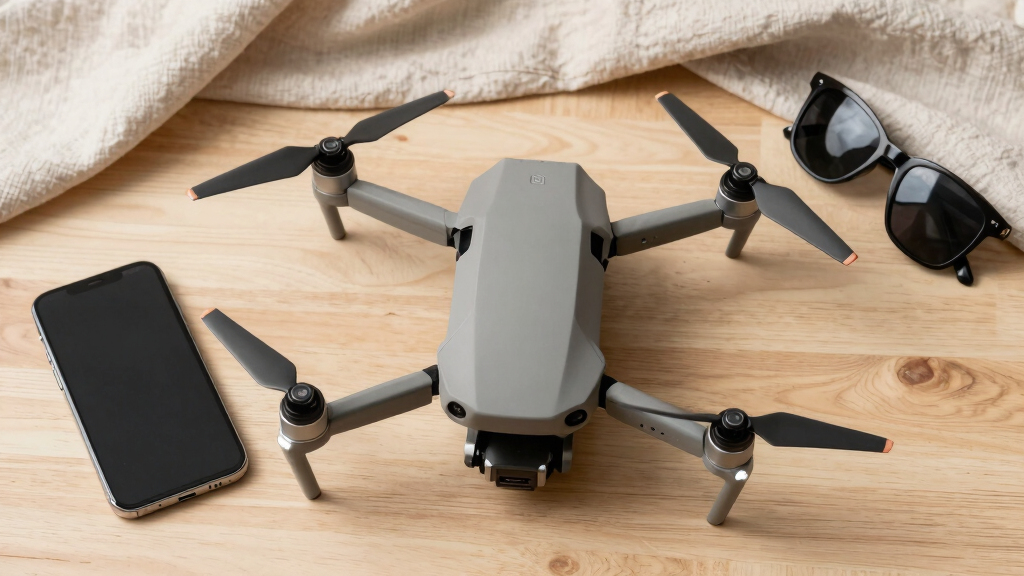
autonomous drone with AI targeting
As an affiliate, we earn on qualifying purchases.
As an affiliate, we earn on qualifying purchases.
Evolution of Autonomous Weapons in Modern Warfare
Autonomous weapons systems have been under development by various countries, with current military use involving semi-autonomous systems that assist human operators in target selection and engagement. While fully autonomous lethal systems have remained largely experimental or restricted, reports in 2023 indicated Ukrainian drones equipped with AI were targeting vehicles without direct human control, though no casualties were confirmed. The international community, including the United Nations, has called for bans on fully autonomous weapons, citing risks of violations of humanitarian law and potential for unintended harm. The Ukrainian test represents a significant step toward operational deployment of fully autonomous lethal systems, raising global concerns about escalation and regulation.
“It’s a test. We never implemented it more widely. Everything it sees will be killed.”
— Alexander Kokhanovskyy
As an affiliate, we earn on qualifying purchases.
Unanswered Questions About Autonomous Kill Capabilities
It remains unclear whether the Ukrainian test involved a fully autonomous system capable of independently selecting and engaging targets without any human oversight, or if human operators were involved in the final decision. Details about the specific AI technology, safeguards, and the extent of automation are still emerging. Additionally, there is no official confirmation on whether similar systems are being deployed operationally or if this was a one-time experimental test.
combat drone with autonomous navigation
As an affiliate, we earn on qualifying purchases.
As an affiliate, we earn on qualifying purchases.
Next Steps in Autonomous Weapons Regulation and Deployment
International bodies, including the United Nations, are likely to intensify discussions on regulating or banning fully autonomous lethal weapons following this disclosure. Ukraine and other nations may face increased scrutiny and calls for transparency regarding their use of AI in military operations. Legally, there could be new debates about accountability and compliance with international humanitarian law. Militarily, further testing and development of autonomous systems are expected, but their operational deployment remains uncertain pending regulatory and ethical considerations.
AI-controlled surveillance drone
As an affiliate, we earn on qualifying purchases.
As an affiliate, we earn on qualifying purchases.
Key Questions
Has Ukraine officially admitted to using autonomous drones in combat?
Ukraine has not officially confirmed operational use but has acknowledged testing fully autonomous drones, with recent disclosures confirming a test that resulted in casualties.
Are fully autonomous lethal weapons legal under international law?
There is no comprehensive international ban, but many experts and the UN advocate for restrictions or bans due to ethical and legal concerns. Ukraine’s current policies are not fully clear.
Could autonomous drones make mistakes or harm civilians?
Yes, autonomous systems pose risks of errors, including targeting civilians or friendly forces, especially if safeguards are inadequate or if AI misidentifies targets.
What is the global response to the use of autonomous lethal weapons?
The international community is divided, with some countries advocating for bans and others pursuing development. The UN has called for restrictions, citing potential violations of humanitarian law.
Will autonomous drones be used widely in future conflicts?
It’s uncertain. While technological capabilities exist, legal, ethical, and political considerations will influence their future deployment and regulation.
Source: Hacker News
Fall Picks
fall essentials
As an affiliate, we earn on qualifying purchases.