
Windows 12 promises a sleek, modern design with an intuitive interface and smarter gesture controls that make navigation seamless. Expect enhanced performance, faster app launches, and smarter system optimization powered by AI. Security will see major upgrades, including quantum encryption and better privacy controls. It will support new hardware and offer improved cloud connectivity for smooth cross-device experiences. Stay tuned, as continuing will reveal how these innovations could transform your digital experience even further.
Key Takeaways
- Expect a sleek, minimalistic UI with enhanced gesture navigation and consistent design across devices for a seamless experience.
- Anticipate smarter system optimization using AI for faster performance, adaptive resource management, and personalized workflow suggestions.
- Security will be strengthened with quantum encryption, advanced sandboxing, and granular permission controls to ensure data privacy.
- Integration of biometric authentication and real-time threat detection will bolster device and data security against evolving cyber threats.
- Cloud connectivity and AI-driven features will enable smoother multi-device synchronization, updates, and a more intuitive digital workspace.

Movado Museum Classic Men's Luxury Quartz Watch - Swiss Movement, Calfskin Strap, Water-Resistant to 3ATM - Classic Timepiece - Gift for Him - 40mm
Our Movado products represent the epiotme of the Movado ethos—fusing iconic modern design with quality craftsmanship to create...
As an affiliate, we earn on qualifying purchases.
Anticipated Design and User Interface Changes

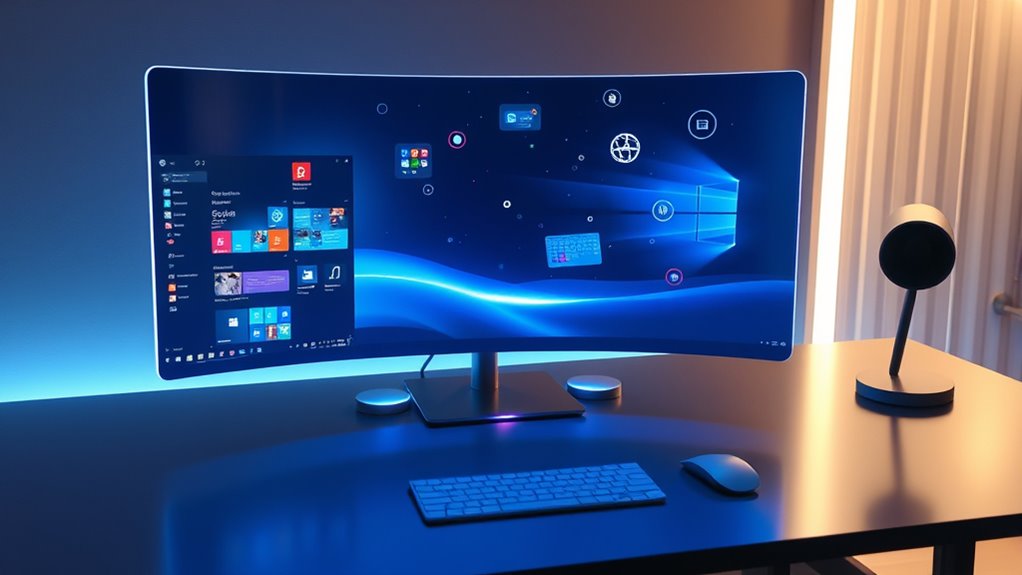
What new design and user interface changes can we expect from the future of Windows? You’ll notice a fresh visual redesign, making everything look sleeker and more modern. Microsoft is focusing on streamlining your experience with a cleaner, more intuitive interface. Gesture navigation will play a bigger role, allowing you to switch apps, go back, or access menus with simple swipes and taps. This makes interacting with Windows smoother and more natural, especially on touch-enabled devices. Expect icons and menus to be more minimalistic, emphasizing clarity and ease of use. The visual redesign aims to reduce clutter, giving you more space to focus on your tasks. Additionally, the new interface will incorporate design consistency across different devices, ensuring a seamless experience whether you’re on a tablet, laptop, or desktop. This consistency will be supported by cloud infrastructure, enabling smoother updates and synchronization. As part of this evolution, user customization options will likely expand, allowing users to personalize their experience further. These updates will also incorporate adaptive design principles, making the interface more responsive to different screen sizes and environments. Furthermore, advancements in visual design will help improve overall user engagement and satisfaction. Overall, these updates will create a more engaging, responsive, and visually appealing user interface.

Bulova Men's Precisionist in Stainless Steel with 8-Hand Chronograph Watch, Blue and Yellow Accents, Black Dial Style: 96B175
Featuring Precisionist, the world’s most advanced chronograph with a continuously sweeping second hand. Celebrated for its blend of...
As an affiliate, we earn on qualifying purchases.
Enhanced Performance and Efficiency Features
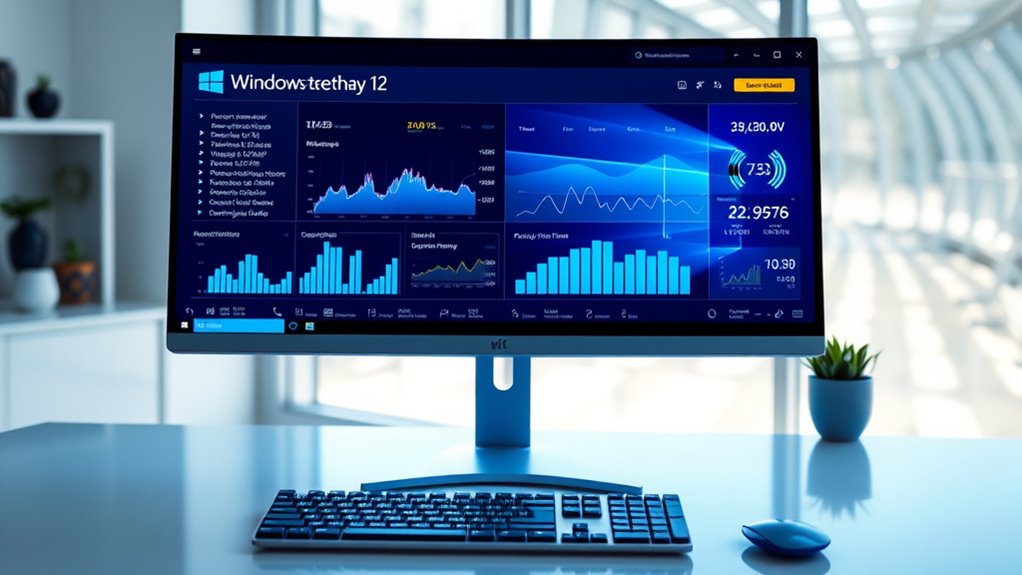
Building on the sleek visual updates, Windows’ future focuses on boosting performance and efficiency to keep your workflow smooth and responsive. Expect improvements like smarter battery optimization, which extends your device’s runtime without sacrificing speed. Voice commands will become more accurate and responsive, allowing you to control your system hands-free effortlessly. Windows 12 aims to streamline background processes, reducing resource drain and enhancing overall responsiveness. Faster app launches and smoother multitasking will help you stay productive. By refining system resource management, Microsoft ensures you get more done with less power consumption. Additionally, energy efficiency features will help reduce environmental impact while maintaining high performance. These enhancements mean your device will run longer and more efficiently, providing a seamless experience whether you’re working, gaming, or browsing. Furthermore, the integration of advanced AI techniques will optimize system functions and anticipate user needs for a more intelligent computing experience. A focus on system optimization will also ensure consistent updates and improvements over time, keeping your device at peak performance. Incorporating local automation will enable more customizable and responsive workflows tailored to your daily tasks. As technology advances, future Windows updates may also incorporate color accuracy improvements to enhance visual clarity and consistency across devices.

Armani Exchange A|X Men's Watch, Three-Hand Gold-Tone Stainless Steel Watch for Men and Bracelet Gift Set
SLEEK GOLD STYLE: This Armani Exchange watch features a 42mm case, gold sunray dial, three-hand movement, gold-tone stainless...
As an affiliate, we earn on qualifying purchases.
Increased Security and Privacy Measures
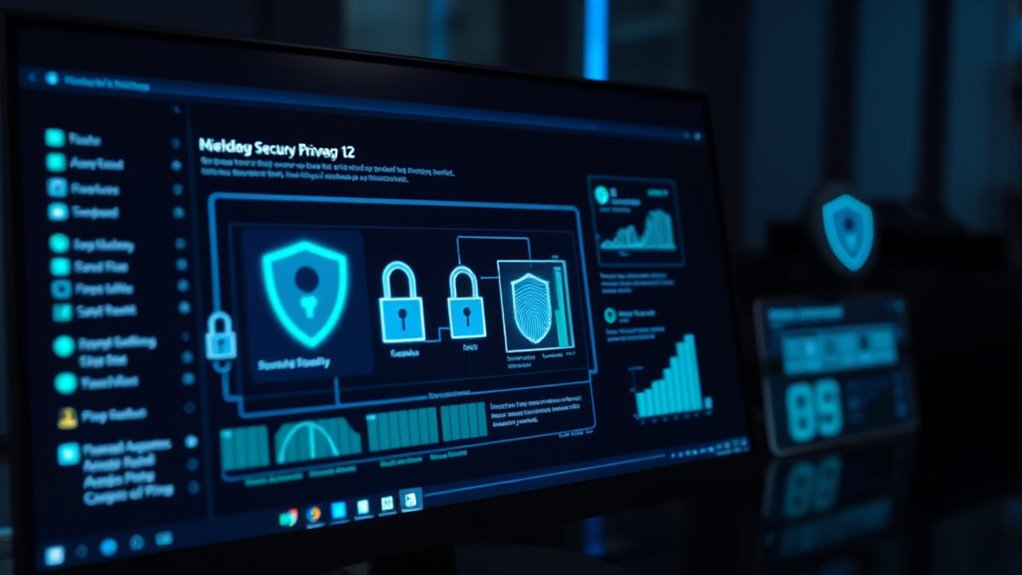
You’ll notice that Windows is boosting your privacy with stronger data encryption, making your information more secure from threats. Improved permission controls give you better oversight over what apps can access your personal data. These changes aim to protect your privacy without sacrificing ease of use. Additionally, privacy policies are being updated to give users clearer information about how their data is handled. Enhanced privacy features ensure that user data remains protected through advanced security measures. To support these efforts, Windows is also implementing transparent data practices, so users can better understand how their information is collected and used. Furthermore, adopting encryption standards from the latest security protocols helps safeguard user data against emerging cyber threats. A focus on security protocols ensures that these encryption methods stay current with evolving cyberattack techniques.
Enhanced Data Encryption
As cyber threats continue to evolve, Windows is prioritizing enhanced data encryption to safeguard your information. You’ll benefit from quantum encryption, which uses advanced algorithms to protect data against future quantum attacks, ensuring long-term security. Additionally, biometric authentication becomes more integrated, making it easier and more secure to access your devices and files without compromising privacy. This combination of cutting‑edge encryption methods and biometric tech means your sensitive data remains private, even if someone tries to intercept it. Windows 12’s focus on these measures aims to create a safer digital environment for you, reducing the risk of data breaches and unauthorized access. Incorporating thermal behavior insights helps optimize security protocols to adapt to evolving cyber threats. By understanding the encryption algorithms involved, Microsoft can fine-tune security measures to respond dynamically to emerging vulnerabilities. Advanced security protocols further reinforce data protection, adapting in real‑time to new attack methods. To stay ahead of potential threats, continuous encryption updates are essential for maintaining robust security. Leveraging threat detection systems, Windows 12 can proactively identify and neutralize emerging cyber risks. With these improvements, you’ll enjoy peace of mind knowing your information is protected by the latest encryption innovations.
Improved Permission Controls
With enhanced data encryption safeguarding your information, Windows is now sharpening its focus on improving permission controls to further protect your privacy. You’ll notice more refined permission granularity, giving you better control over which apps access your data. Windows 12 introduces advanced sandbox security, isolating applications to prevent malicious activities from spreading or compromising your system. This means you can run potentially risky apps without risking your core system or personal information. The improved permission controls allow you to set specific access levels, ensuring only authorized apps can access sensitive files or hardware features. These updates empower you to manage your privacy actively, reducing unnecessary permissions and minimizing vulnerabilities. Furthermore, these improvements are complemented by user-centric privacy features that provide clearer insights into app activities and permissions. Additionally, Windows now incorporates advanced security protocols that adapt to emerging threats, ensuring ongoing protection for users. A dedicated focus on security updates ensures that the system remains resilient against evolving cyber threats. Overall, Windows 12’s emphasis on permission granularity and sandbox security markedly boosts your control and security, aligning with the trend toward modern security features that prioritize user privacy. Additionally, these improvements are complemented by total‑cost clarity, helping users understand the implications of permission adjustments and security settings.

Movado SE Men's Sport Watch - Swiss Quartz Chronograph Movement, Stainless Steel Link Bracelet - 5 ATM Water Resistance - Luxury Fashion Timepiece for Him - 42mm
Our Movado products represent the epitome of the Movado ethos—fusing iconic modern design with quality craftsmanship to create...
As an affiliate, we earn on qualifying purchases.
Integration of Artificial Intelligence and Machine Learning

You’ll see Windows become smarter with AI and machine learning, making your tasks more efficient. These technologies will enhance system capabilities and personalize your experience based on your usage. As a result, your interactions will feel more intuitive and tailored to your needs.
Intelligent System Enhancements
The future of Windows hinges on integrating advanced artificial intelligence and machine learning capabilities to create smarter, more responsive systems. You’ll notice improvements in voice commands, making interactions more natural and effortless. Whether you’re asking for help, controlling apps, or managing settings, AI-driven voice recognition will respond quickly and accurately. Additionally, gaming optimization will reach new heights, with AI dynamically adjusting system resources for smoother gameplay and reduced lag. These intelligent enhancements will proactively anticipate your needs, streamlining workflows and enhancing entertainment experiences. By leveraging machine learning, Windows 12 aims to deliver a seamless, personalized environment that adapts to your habits and preferences, making your daily tasks faster and more intuitive. This focus on AI-driven system enhancements will fundamentally elevate how you interact with your device.
Adaptive User Experiences
How will Windows create more personalized and intuitive experiences? By leveraging AI and machine learning, Windows adapts to your habits seamlessly. Expect smarter gesture navigation that recognizes your unique gestures, making interactions faster. Multi-monitor management will become more fluid, with Windows predicting your workspace needs and adjusting layouts proactively. For example, it can suggest optimal arrangements based on your usage patterns or automatically switch displays when needed. Here’s a quick overview:
| Feature | Description | Benefit |
|---|---|---|
| Gesture Navigation | AI detects your gestures for quick commands | Faster, natural interactions |
| Multi-monitor Management | AI predicts your multi-screen needs | Streamlined workspace |
| Personalized Suggestions | Windows adapts based on habits | More intuitive experience |
This integration makes your workflow smoother and more tailored.
Compatibility and Support for New Hardware
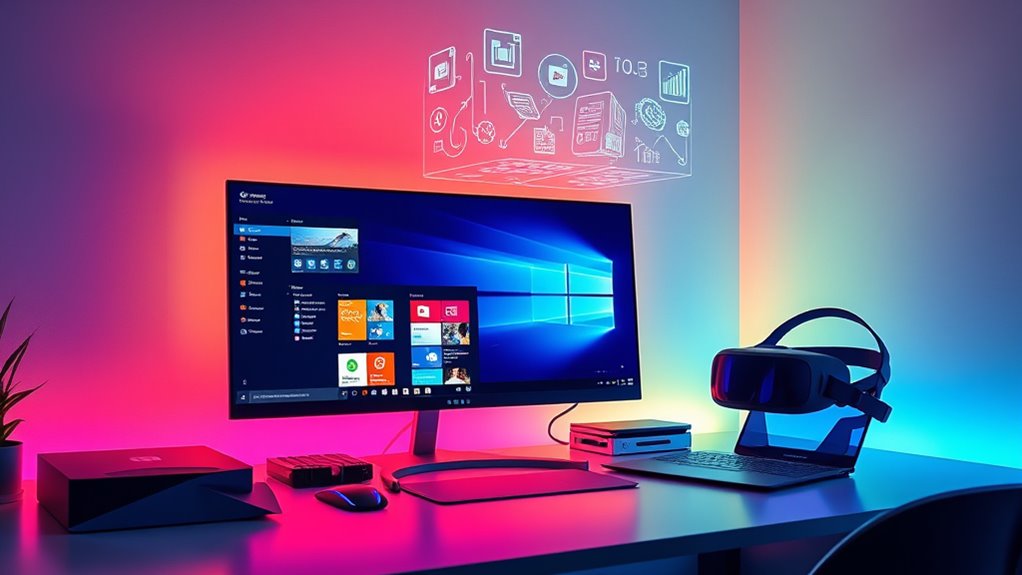
As technology rapidly advances, Windows must continuously update its compatibility and support for new hardware to keep pace. You’ll notice that hardware compatibility becomes more seamless with each Windows update, ensuring new devices work effortlessly. Windows 12 is expected to improve driver support, reducing issues like missing drivers or crashes when connecting new peripherals. This means you can plug in the latest hardware—such as advanced graphics cards, storage devices, or IoT components—and expect smooth operation without complicated setups. Enhanced driver support also means faster updates, better stability, and fewer conflicts. By prioritizing hardware compatibility, Microsoft aims to make Windows a more future-proof platform, allowing you to adopt new hardware innovations quickly and confidently without worrying about compatibility hurdles.
Cloud Connectivity and Cross-Device Functionality
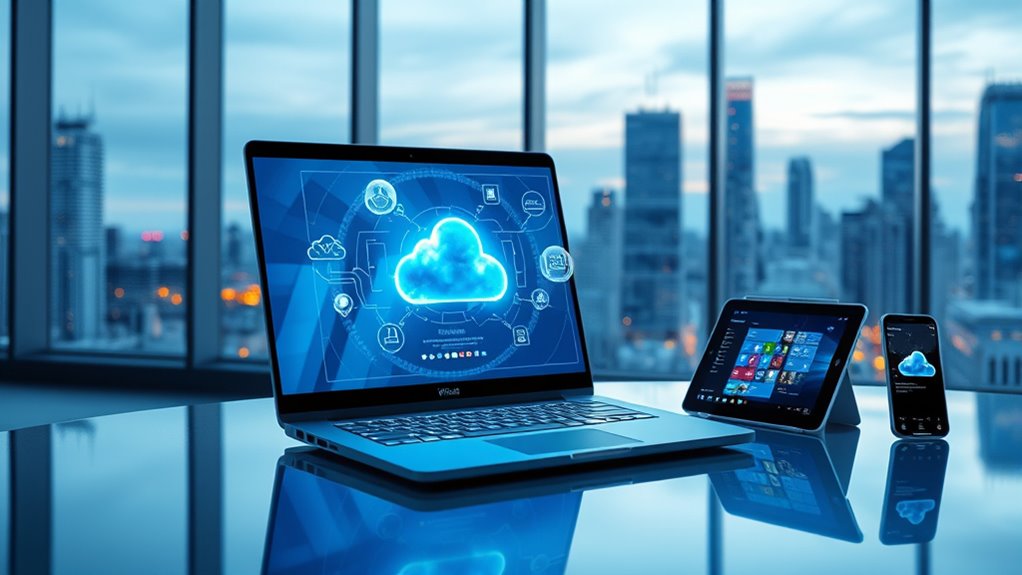
With increasing reliance on remote work and digital collaboration, Windows is focusing on seamless cloud connectivity and cross-device functionality. You’ll find that Windows 12 offers improved integration with cloud storage services, making it easier to access your files anytime, anywhere. Device synchronization becomes smoother, ensuring your settings, apps, and workflows stay consistent across all your devices. Whether you’re switching from a laptop to a tablet or a desktop to a phone, your experience remains unified. Microsoft aims to minimize disruptions and maximize productivity by enabling real-time updates and effortless data sharing. This focus on interconnectedness helps you stay connected, organized, and efficient, regardless of the device you’re using. Windows 12’s enhancements are designed to keep your digital workspace fluid and accessible everywhere.
Potential Release Timeline and Updates
Microsoft is expected to announce Windows 12’s release date within the next year, building on the platform’s recent enhancements in cloud integration and device synchronization. Updates are likely to arrive gradually, with a focus on refining features and ensuring stability. You can expect Microsoft to prioritize compatibility, especially for legacy applications that many users still rely on, alongside supporting new hardware innovations. The timeline may involve an early preview or beta phase for testers before the official launch, probably around mid to late next year. Microsoft will also aim to improve hardware compatibility, ensuring that existing devices can smoothly shift to the new OS. This phased approach helps prevent disruptions and guarantees a more seamless upgrade experience.
Implications for Business and Consumer Users
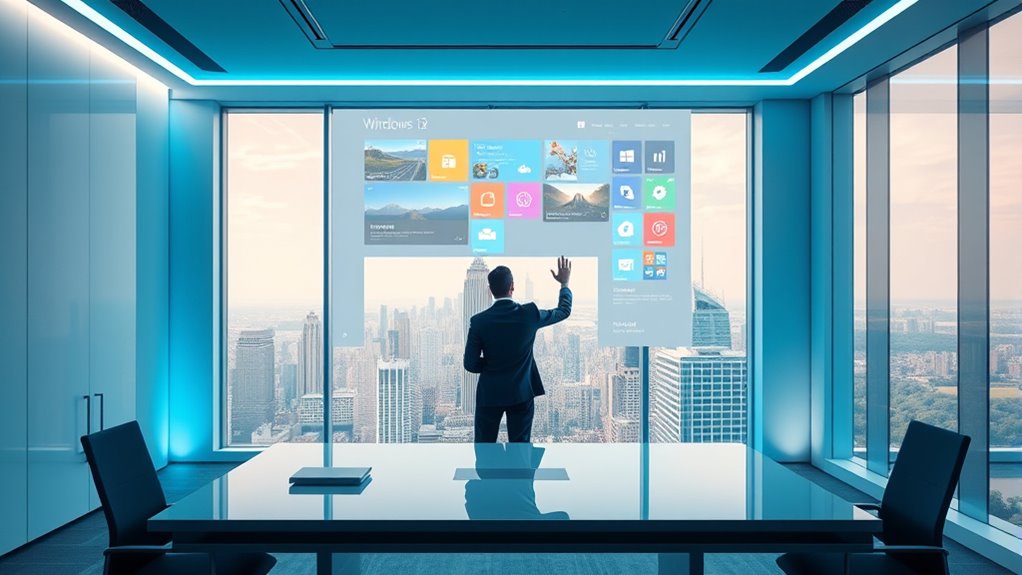
The upcoming release of Windows 12 will likely have significant implications for both business and consumer users. You may need to address legacy software compatibility, as older programs might not run smoothly on the new OS without updates. Businesses relying on specialized applications should prepare for potential software adjustments or replacements. Consumers should consider hardware upgrades to fully benefit from Windows 12’s improved performance and features, especially if their current devices struggle with new system requirements. Moving forward might involve investing in new hardware or seeking updates for existing equipment. Overall, Windows 12 promises enhanced security and efficiency, but staying adaptable with software and hardware will be essential to maximize its benefits. This shift could reshape your computing experience considerably.
Frequently Asked Questions
Will Windows 12 Support Legacy Applications Out of the Box?
Yes, Windows 12 will support legacy applications out of the box. You’ll find improved application compatibility and legacy support, making it easier to run older software without extra effort. Microsoft aims to guarantee that your essential applications continue to work seamlessly, even as they upgrade their operating system. This focus on compatibility helps you shift smoothly, so you don’t have to worry about losing access to important legacy tools.
How Will Windows 12 Improve Gaming Performance and Experiences?
Get ready for gaming experiences so immersive, they’ll feel like stepping into another universe. Windows 12 will boost gaming performance through groundbreaking enhancements and performance optimizations, making every frame smoother and every load faster. Expect revolutionary gaming enhancements that reduce lag, improve graphics, and support advanced technologies like ray tracing and AI-driven visuals. You’ll enjoy a seamless, ultra-responsive gaming environment that elevates your play to levels you never thought possible.
What New Customization Options Will Windows 12 Offer to Users?
In Windows 12, you’ll enjoy enhanced personalization features that let you tailor your experience more than ever. You can easily customize your interface with new themes, dynamic wallpapers, and adjustable layouts to suit your style. The update also offers expanded interface customization options, so you can reorganize menus, widgets, and shortcuts effortlessly. These improvements make your Windows environment uniquely yours, providing a more intuitive and enjoyable user experience.
Will Windows 12 Have Better Support for Virtual Reality Devices?
You’ll be excited to hear that Windows 12 promises to deliver better support for virtual reality devices. Imagine smoother, more immersive experiences with enhanced compatibility and performance. As Microsoft continues to innovate, they’re working behind the scenes to improve device support, making your virtual reality adventures more seamless than ever. Get ready for a future where VR integration feels effortless, opening up new worlds of possibility right at your fingertips.
How Will Windows 12 Impact Enterprise Security Policies and Management?
Windows 12 will improve enterprise security policies by integrating advanced compliance tools and cloud security features, helping you better manage risks. You’ll find easier ways to enforce security standards across devices, streamline updates, and monitor threats in real-time. With these enhancements, you can guarantee your organization stays compliant and protected against evolving cyber threats, making security management more efficient and proactive.
Conclusion
As you prepare for Windows 12, think of it as a sleek new engine revving to life—ready to power your digital world with smarter, faster, and more secure features. With improved performance, AI integration, and cross-device support, you’ll find your experience smoother than ever. Embrace these changes, and stay ahead in this ever-evolving tech landscape, just like a captain steering confidently through uncharted waters toward exciting horizons.