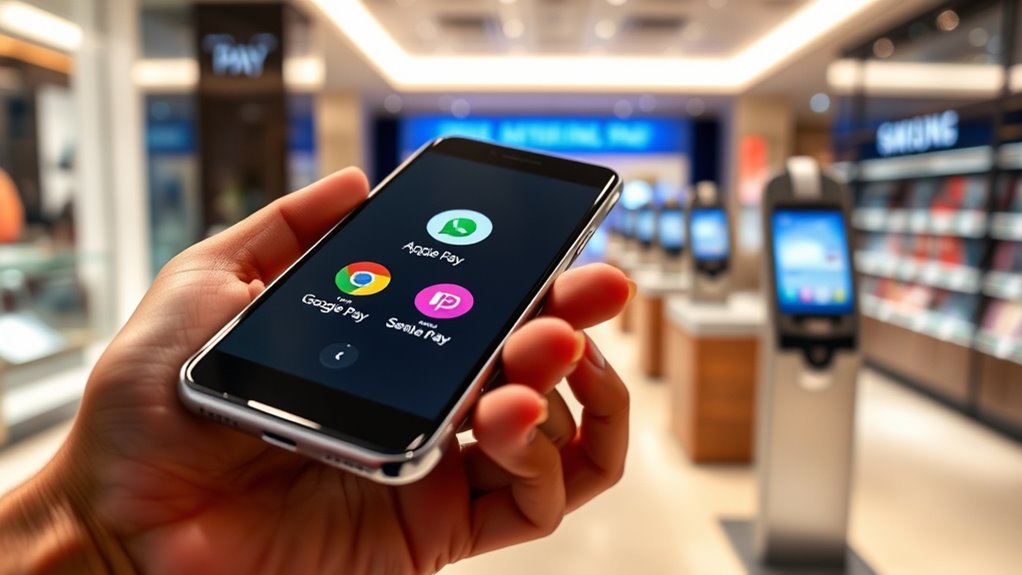

Mobile wallets like Apple Pay, Google Pay, and Samsung Pay are generally safe because they use advanced security features such as tokenization, encryption, and biometric authentication. These measures protect your payment info and reduce risks of fraud. However, your safety also depends on how well you keep your device secured and privacy settings managed. If you want to understand how these systems keep your data secure and what potential risks exist, there’s more to explore.
Key Takeaways
- Mobile wallets use tokenization and encryption to protect card data during transactions.
- Biometric authentication adds an extra security layer for accessing mobile wallets.
- Blockchain transparency in cryptocurrencies can pose privacy risks, but measures like pseudonymity help.
- Security features like contrast ratio and device-specific protections influence wallet safety.
- Regularly reviewing privacy policies and updating security settings enhance overall wallet security.
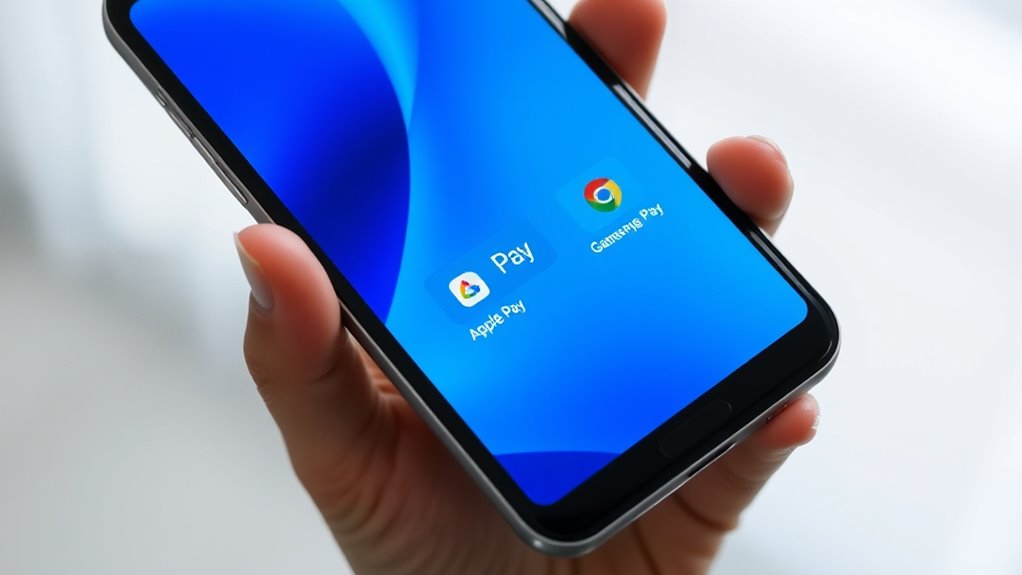
Mobile wallets have revolutionized the way you make transactions by allowing you to store your payment information digitally on your smartphone. With features like contactless payments, quick checkouts, and easy management of multiple cards, services like Apple Pay, Google Pay, and Samsung Pay make paying both convenient and efficient. As these platforms evolve, they’re increasingly integrating new technologies, including cryptocurrency options, giving you the ability to manage digital assets directly through your mobile wallet. This integration means you can use cryptocurrencies alongside traditional payment methods, making transactions more versatile and future-ready. However, as these features expand, concerns about user privacy also grow. You might wonder how your personal and financial data are protected when using these wallets, especially with the added layer of cryptocurrency activities.
When it comes to cryptocurrency integration, mobile wallets are beginning to accept or support digital currencies, allowing you to store, send, or receive cryptocurrencies alongside standard credit and debit cards. This development offers a seamless experience, eliminating the need for separate wallets or platforms. Still, it’s essential to understand that cryptocurrency transactions are recorded on a blockchain, which is transparent and publicly accessible. While this transparency offers security benefits, it can also raise privacy concerns if your transactions are linked back to your identity. Wallet providers are working to enhance privacy measures, such as offering pseudonymous transactions and advanced encryption, but it’s wise to stay informed about how your data and digital assets are protected. Additionally, the contrast ratio of your mobile wallet’s security features can influence the overall safety of your assets, especially in high-risk scenarios.
User privacy remains a critical factor in the safety of mobile wallets. These platforms use multiple layers of security, including tokenization, biometric authentication, and encryption, to keep your data secure. Tokenization replaces sensitive card information with a unique identifier during transactions, reducing the risk of data breaches. Biometric security, like fingerprint or facial recognition, adds an extra barrier against unauthorized access. Despite these protections, it’s important to be cautious about what data you share and how you configure your privacy settings. For instance, enabling location tracking or sharing transaction histories can inadvertently compromise your privacy. Always review the privacy policies of your digital wallet provider to understand what information is collected, stored, and shared.

KRTALS Magnetic Wallet Cell Phone Card Holder for Phone Case with Mag-Safe
Stronger Magnets Brings Safer: Different from ordinary magnetic wallet, N52 Ultra magnet was in built our magnetic wallet…
As an affiliate, we earn on qualifying purchases.
As an affiliate, we earn on qualifying purchases.
Frequently Asked Questions
Can Mobile Wallets Be Used Internationally Without Extra Fees?
Yes, you can use mobile wallets internationally without extra fees, but it depends on the provider and your bank. When making international transactions, your wallet may handle currency conversion, which could involve additional charges. Always check if your bank or card issuer charges foreign transaction fees or currency conversion fees, and confirm if your mobile wallet supports international use without extra costs to avoid surprises during your trip.
What Should I Do if My Mobile Wallet Is Hacked?
If your mobile wallet gets hacked, act fast like a hero in a story. Immediately, contact your bank or card provider to freeze or cancel your cards. Use security tips like changing passwords and enabling two-factor authentication to prevent further fraud. Keep an eye on your accounts for suspicious activity, and report any unauthorized transactions. Staying vigilant and proactive is your best defense against digital villains.
Are Mobile Wallets Compatible With All Types of Payment Terminals?
Most mobile wallets are compatible with a wide range of payment terminals due to contactless technology. You can use Apple Pay, Google Pay, or Samsung Pay at locations with NFC-enabled terminals, making payments quick and secure. However, some older or less common terminals may not support mobile wallets. Always check if the merchant’s terminal accepts contactless payments to guarantee your mobile wallet works smoothly, maintaining your payment security.
How Do Mobile Wallets Handle Loyalty Programs and Rewards?
You can easily handle loyalty programs and rewards with mobile wallets. They securely store your membership info using digital security measures and data encryption, so your data stays protected. When you make a purchase, the wallet automatically applies your loyalty rewards, making checkout faster and more convenient. Plus, you don’t need physical cards; everything’s stored digitally, ensuring your rewards are always accessible and secure.
What Are the Environmental Impacts of Using Mobile Wallets?
Using mobile wallets has eco-friendly benefits by reducing paper receipts and plastic cards, which helps lower electronic waste. When you switch to digital payments, you decrease reliance on physical materials, promoting sustainability. This shift minimizes clutter and waste, supporting environmental conservation. By embracing mobile wallets, you contribute to reducing electronic waste and promote eco-friendly practices, making your transactions more sustainable and environmentally responsible.

Mantra MFS 110 L1 Biometric Single Fingerprint Scanner | Aadhaar Authentication Device | Latest Updated RD Service | High Securety and Fast scanning | Reliable and Durable
MFS110 L1 USB Fingerprint Scanner
As an affiliate, we earn on qualifying purchases.
As an affiliate, we earn on qualifying purchases.
Conclusion
Ultimately, your mobile wallet is as safe as you make it. With robust encryption, biometric security, and tokenization, these services shield your data like a fortress. Yet, remember, no security is invincible—trust your instincts, keep your devices updated, and stay vigilant. After all, isn’t safeguarding your financial world a small price to pay for the convenience of a tap? Embrace technology wisely, and let your choices be your shield.
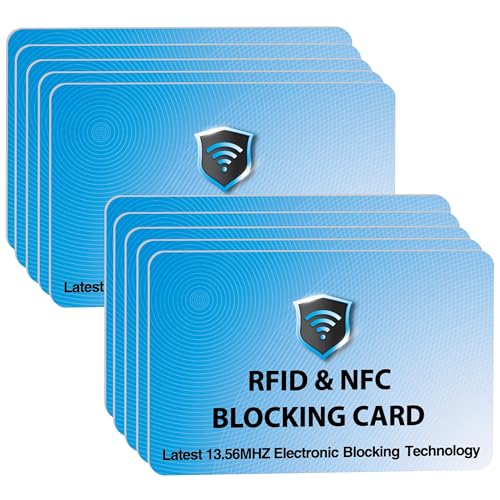
SaiTech IT 10 Pack RFID Blocking Card for Credit Debit ID Card, Sky Blue
Advanced RFID & NFC Blocking: Safeguard your identity and financial information from electronic theft with this powerful card…
As an affiliate, we earn on qualifying purchases.
As an affiliate, we earn on qualifying purchases.
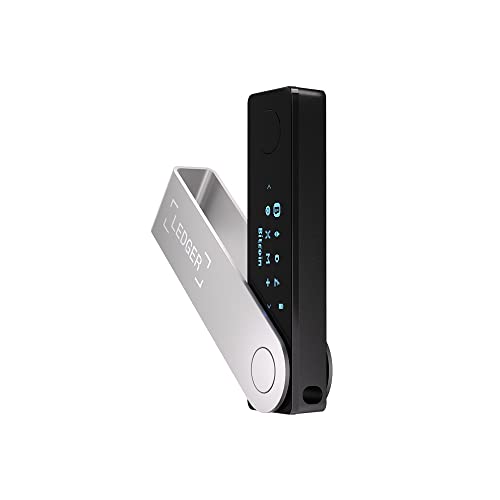
Ledger Nano X – Classic Crypto Wallet with Bluetooth
Effortlessly build your crypto portfolio via the all in one Ledger Wallet app: buy, sell, send, receive, swap,…
As an affiliate, we earn on qualifying purchases.
As an affiliate, we earn on qualifying purchases.